
Selecting the right LED ceiling light for a standard Housing & Development Board (HDB) flat requires balancing brightness with physical proportions. With a standard ceiling height of 2.6 meters, the vertical clearance is relatively compact. Installing a fixture that is too thick or casts narrow, intense beams can make your living space feel cramped and cause uncomfortable glare. A 48W LED ceiling light offers substantial brightness, but its suitability depends heavily on the fixture’s physical profile, driver quality, and light distribution characteristics. To find the best brand for your home, you must look beyond marketing claims and evaluate specific technical parameters, local safety certifications, and physical design features that match the unique constraints of HDB architecture.
Understanding the 2.6m Ceiling Constraint in HDB Flats
A 2.6m ceiling height leaves little room for suspended or bulky fixtures. If a ceiling light protrudes more than 8 to 10 centimeters, it visually lowers the ceiling, creating an oppressive atmosphere. Slimline or ultra-thin flush-mount designs—often measuring under 5 centimeters in thickness—are highly recommended. These low-profile fixtures blend seamlessly with the ceiling plane, preserving vertical clearance and making rooms feel more spacious and open.
In low-ceiling environments, the light source sits closer to the floor and eye level. Standard fixtures with narrow beam angles project light downward in a tight cone, leaving the upper walls and corners in deep shadow. This “cave effect” makes rooms feel smaller than they actually are. To counteract this, look for fixtures designed with wide-angle diffusers that spread light horizontally across the ceiling and upper walls, ensuring even, shadow-free illumination throughout the room.
Products mentioned in this guide
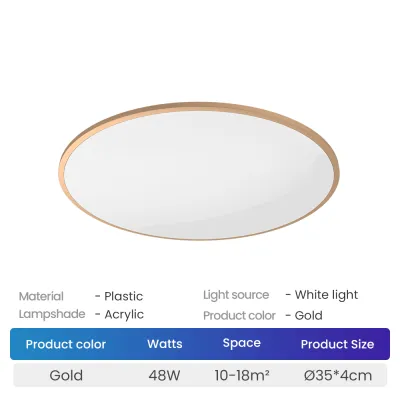
![ONS 18W/24W/36W/48W LED Magnetic Ceiling Light 6500K Round/Square/Tri-Tone LED Ceiling Light [Singapore Home Grown Brand]](https://img.lazcdn.com/g/p/4ee96a0041eca859bcf3b72390759725.png_400x400q80.png_.webp)
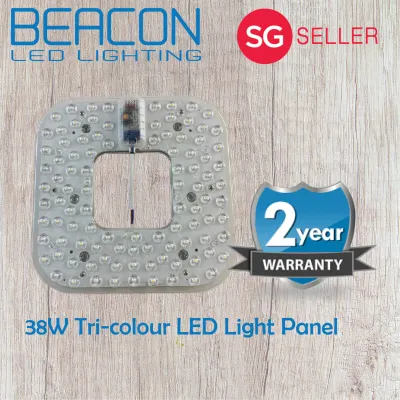
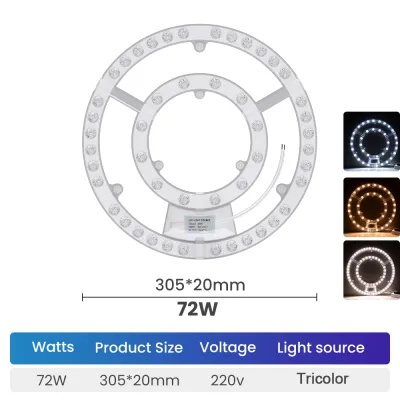
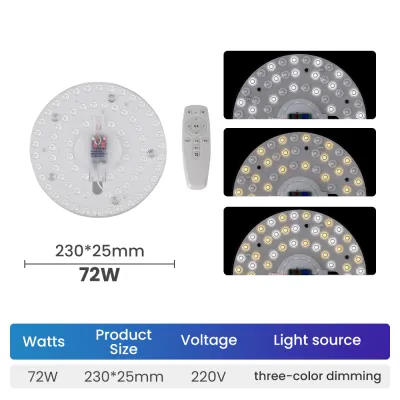
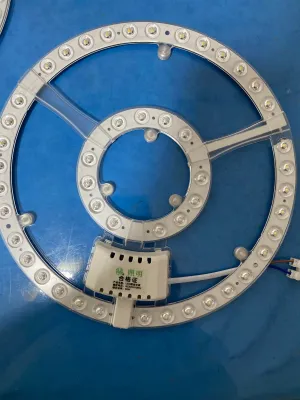
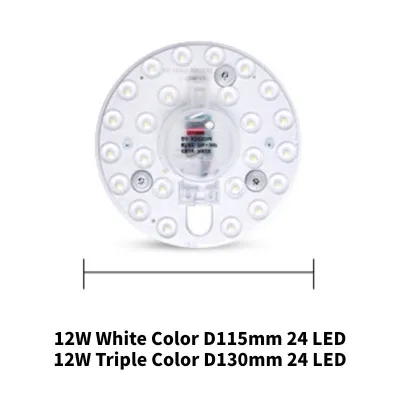
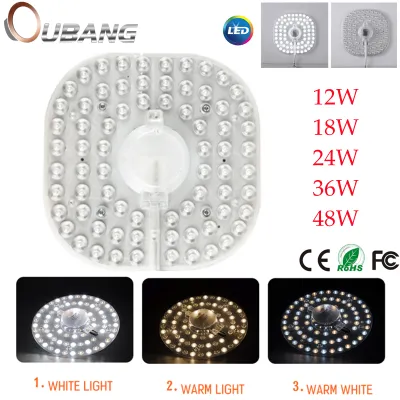
Prices are valid at publication and may change. Please refer to the product page for the latest price.
Flush-mount LED lights are installed directly against concrete ceilings, which do not naturally dissipate heat as quickly as hollow drywall ceilings. Because LEDs are highly sensitive to temperature, poor heat management can lead to premature dimming, color shifting, or driver failure. Reliable brands design their fixtures with robust aluminum backplates or dedicated thermal pathways that draw heat away from the LED chips and dissipate it safely into the surrounding air, even when mounted flush against solid concrete.
Key Specifications to Check in 48W LED Ceiling Lights
A 48W LED fixture is a high-powered light source, typically generating between 3,500 and 4,800 lumens depending on its luminous efficacy. Efficacy is measured in lumens per watt (lm/W). When evaluating brands, check the technical specifications for an efficacy rating of at least 80 to 100 lm/W. High efficacy means the fixture delivers maximum brightness while consuming less energy and generating less heat, which is crucial for maintaining the lifespan of the internal components. Additionally, verify that the driver is rated for Singapore’s standard voltage of 220V-240V and check the mounting interface to ensure compatibility with your existing ceiling setup.

The choice of color temperature significantly influences the functionality and mood of an HDB flat. Warm white (around 3000K) creates a cozy, relaxing environment suitable for bedrooms and living rooms, while cool white (4000K) or daylight (6500K) is better for task-oriented spaces like kitchens, studies, and utility areas. Many modern brands offer tri-color or CCT-adjustable (Correlated Color Temperature) fixtures, allowing you to toggle between these temperatures using a wall switch or remote control to adapt the room’s ambiance throughout the day.
To achieve uniform light distribution without harsh glare, pay close attention to the diffuser material and beam angle. A beam angle of 120 degrees or wider is ideal for 2.6m ceilings, as it ensures the light spreads widely before reaching eye level. High-quality diffusers made from optical-grade PMMA (polymethyl methacrylate) or polycarbonate help scatter the light evenly, eliminating hot spots (visible bright dots from individual LED chips) and reducing eye strain.
Evaluating Brands for HDB Compatibility and Reliability
In Singapore, electrical safety is paramount. When shopping for ceiling lights, verify that the brand’s products carry the Enterprise Singapore Safety Mark. This certification indicates that the fixture’s LED driver—the component most prone to electrical faults—has undergone rigorous testing to meet local safety standards. Avoid purchasing unbranded or uncertified fixtures from overseas online marketplaces, as they may lack proper insulation, short-circuit protection, or voltage compatibility with Singapore’s 230V grid.
A reliable brand should back its products with a comprehensive warranty, typically ranging from one to three years. When evaluating warranties, check whether the coverage includes both the LED panel and the driver, as the driver is often the first component to fail. Opt for brands that maintain local service centers or authorized distributors in Singapore. This ensures that if a component fails, you can easily obtain a replacement or professional assistance without waiting weeks for international shipping.
The environment where you install the light dictates the required build quality. For dry areas like living rooms and bedrooms, standard indoor fixtures are sufficient. However, for kitchens, bathrooms, or service yards, look for brands that offer fixtures with an Ingress Protection (IP) rating of IP44 or higher. This rating ensures the fixture is sealed against moisture, steam, and dust, preventing internal corrosion and electrical hazards. Additionally, verify that the chassis is constructed from rust-resistant materials, such as powder-coated aluminum or high-grade synthetic polymers, to withstand Singapore’s humid climate.
Installation and Safety Checks for HDB Ceilings
HDB ceilings are constructed from solid, reinforced concrete. Unlike plasterboard ceilings, concrete requires specialized masonry drill bits and plastic or metal wall plugs to secure the mounting bracket. Before installation, verify the weight of your 48W fixture and ensure the selected wall plugs and screws are rated to support that load. Never rely on adhesive tapes or weak fixtures, as a falling light poses a significant safety hazard.
Before attempting any electrical work, locate your home’s main consumer unit (DB box) and switch off the circuit breaker corresponding to the lighting circuit. Use a reliable voltage tester to confirm that the wires at the ceiling outlet are completely dead before touching them. Inspect the existing wiring for any signs of degradation, such as brittle insulation or exposed copper, and ensure that the live, neutral, and earth wires are correctly identified and securely connected to the fixture’s terminal block.
While replacing a simple light fixture can be a straightforward task, complex installations require professional expertise. If your HDB flat has older wiring, lacks an earth wire at the ceiling point, or requires new wiring runs, you must engage a licensed electrical worker (LEW) in Singapore. Working with fixed electrical wiring carries inherent risks of electrical shock and fire, and professional installation ensures compliance with local building codes and safety regulations.
Frequently Asked Questions (FAQ)
Can I use a 48W LED ceiling light in a small HDB bedroom?
A 48W LED ceiling light is exceptionally bright and may over-illuminate a small HDB bedroom, which typically requires a lower lux level for comfort. A standard bedroom of about 10 to 12 square meters generally needs around 1,500 to 2,000 lumens, whereas a 48W fixture can produce over 4,000 lumens. If you choose to install a 48W light in a bedroom, opt for a brand that features dimming capabilities, allowing you to adjust the brightness to a comfortable level. Alternatively, consider a lower wattage, such as 24W or 36W, to avoid excessive glare and energy consumption in rest areas.
Do HDB ceiling lights require special mounting brackets?
Most modern LED ceiling lights come with a universal metal mounting bracket that must be screwed directly into the concrete ceiling of your HDB flat. Standard HDB flats do not typically use suspended hooks for flush-mount fixtures; instead, they feature a central junction box or a simple wire outlet. You will need to drill holes into the concrete ceiling to align with the bracket’s mounting points, using appropriate masonry plugs. Always check the fixture’s backplate dimensions to ensure it fully covers the existing ceiling opening or junction box for a clean, professional finish.
How do I clean and maintain flush-mount LED ceiling lights?
To maintain the brightness and appearance of your flush-mount LED ceiling light, regular cleaning is essential to remove dust and insects that accumulate on the diffuser. Before cleaning, switch off the power at the wall and allow the fixture to cool down completely to avoid thermal shock or electrical hazards. Gently wipe the acrylic or polycarbonate diffuser with a soft, dry microfiber cloth; for stubborn dirt, use a slightly damp cloth with a mild, non-abrasive soap solution. Avoid using harsh chemical solvents, alcohol, or abrasive scouring pads, as these can scratch or yellow the plastic diffuser, permanently degrading the light quality.

Community discussion
Share your experience or ask a question. Comments are reviewed before publication.