
Selecting a quality 7th month package requires evaluating the chemical composition of the incense, the thermal stability of the burner, and how well the set matches your specific environment. While pre-assembled offering sets provide unmatched convenience during the Hungry Ghost Festival, many contain low-grade, chemically scented joss sticks and flimsy metal burners that pose significant fire hazards. By understanding how to assess incense ingredients and burner materials, you can honor traditional practices safely and respectfully within Singapore’s high-density residential landscapes.
Contextualizing Incense and Burners for the 7th Lunar Month
During the 7th Lunar Month, observed widely in Singapore, the Hungry Ghost Festival represents a period of remembrance, filial piety, and respect for wandering spirits. Incense serves as the primary spiritual medium, acting as a bridge of communication and an offering of sustenance. Consequently, the quality of the incense and the safety of the vessel holding it are central to the ritual.
A standard, commercially available 7th month package typically serves as a one-stop solution. These convenient bundles generally contain an assortment of joss paper (such as gold and silver paper), red candles, incense sticks of varying lengths, and a basic, often temporary, burner or metal tin. Because these packages are mass-produced to meet surging seasonal demand, the individual components can vary dramatically in quality, safety, and environmental impact.
Products mentioned in this guide
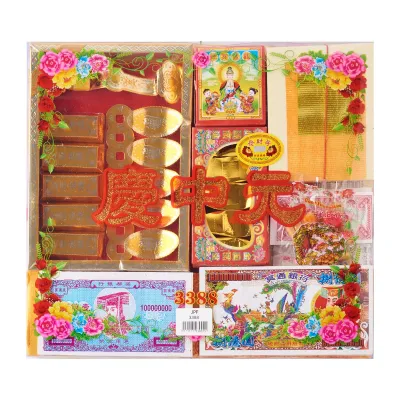
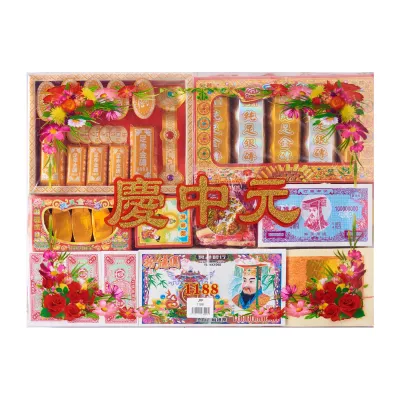
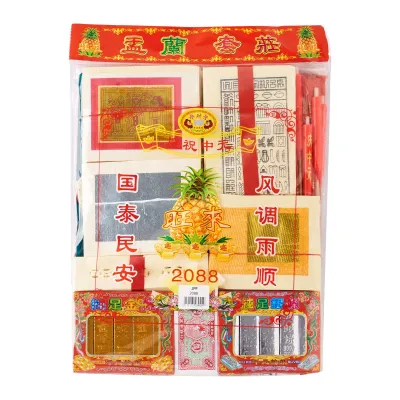
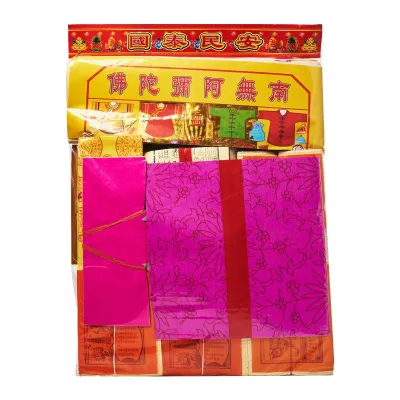
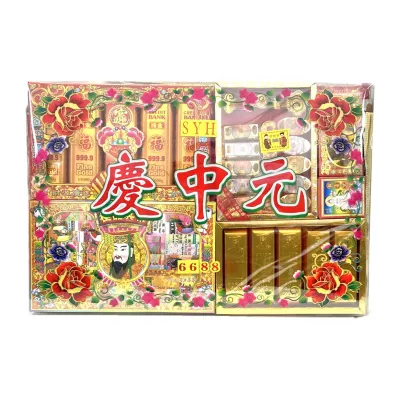
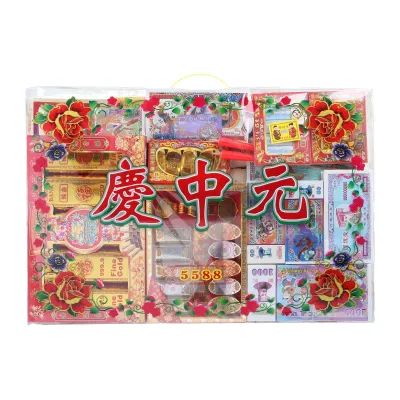
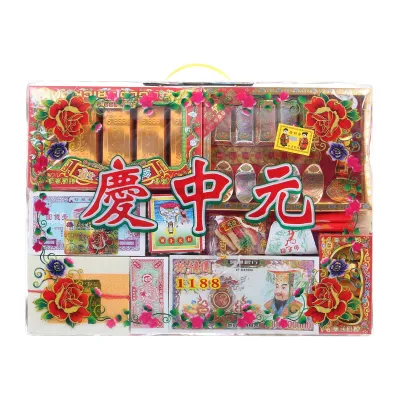
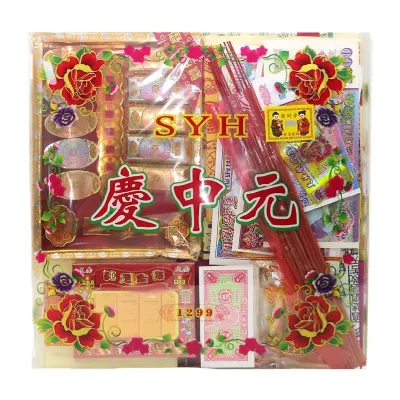
Prices are valid at publication and may change. Please refer to the product page for the latest price.
Blindly accepting the default items in a cheap package can lead to unintended consequences. Low-grade incense often produces thick, acrid smoke laden with synthetic binders, which can easily penetrate neighboring HDB flats and irritate respiratory systems. Similarly, lightweight tin burners included in budget sets are highly susceptible to tipping over in strong corridor drafts, creating immediate fire hazards.
To navigate these risks, you need a clear decision framework that balances ritual convenience with physical safety, neighborly consideration, and environmental responsibility. Evaluating your offering space—whether it is a shared HDB corridor, a private landed property driveway, or a designated communal burning zone—will dictate whether a pre-made package suffices or if you should invest in a dedicated, high-quality incense and burner setup.
How to Evaluate Incense Quality in Pre-Packaged Sets
Assessing the quality of incense sticks included in a commercial 7th month package is vital for maintaining air quality and ensuring a clean, consistent burn. While you cannot always test-burn the incense before purchasing, you can look for specific physical indicators and packaging details to determine its grade.

Reading Packaging Labels and Ingredient Lists
When examining a 7th month package, look closely at the product description or label on the incense bundle. High-quality incense utilizes natural wood powders—such as sandalwood (Santalum album) or agarwood—bound together by natural, plant-derived binders. The most common natural binder is tabu powder, made from the bark of the Machilus thunbergii tree.
Conversely, budget packages often substitute these natural materials with cheap sawdust infused with synthetic fragrance oils, chemical dyes, and industrial glues. These synthetic additives emit a sharp, perfume-like odor even when unlit, and produce a harsh, black smoke that can trigger asthma and sting the eyes. If the packaging lists “natural wood powder” or “herbal binders,” it is highly likely to be safer and more pleasant to burn than sets that omit ingredient details entirely.
Assessing the Physical Bamboo Core
The central bamboo stick, or core, provides the structural foundation for traditional joss sticks. Inspect the exposed bamboo handles at the bottom of the bundle. High-quality incense features evenly split bamboo cores with a uniform thickness and a smooth, splinter-free finish.
If the bamboo cores are uneven, frayed, or excessively thin, the incense is prone to bending or snapping under its own weight when inserted into the burner. A rough, damp, or greenish handle indicates poorly dried bamboo, which can harbor mold and lead to incomplete combustion, causing the incense to extinguish prematurely during your offering.
Smoke and Scent Considerations for High-Density Living
In Singapore’s high-density housing estates, minimizing smoke output is a matter of basic civic consideration. Standard offering incense is formulated for outdoor use and generates a substantial volume of smoke. For corridor or balcony offerings, look for packages specifically labeled as “low-smoke,” “micro-smoke,” or “smokeless” (无烟/微烟).
These low-smoke variants are manufactured using carbonized wood powder or specialized charcoal bases. They emit a faint, clean, woody scent rather than a thick cloud of soot. This drastically reduces the likelihood of triggering residential smoke detectors, staining common corridor ceilings, or causing discomfort to neighbors living on higher floors.
Burn Time and Ash Characteristics
The behavior of the burning incense and its resulting ash offers clear clues about its overall quality. Premium incense burns at a steady, predictable rate, typically lasting between 30 to 50 minutes for standard 32cm to 39cm sticks.
Once lit, quality incense produces a clean, light grey or off-white ash that crumbles gently and falls straight down into the burner. Cheap, chemically altered incense often leaves behind a dark, heavy, or sticky black ash that curls and retains heat for a long time. This hot, curling ash can easily be blown out of the burner by a sudden gust of wind, presenting a lingering ember hazard.
Choosing the Right Burner Set for Your Offering Space
The burner, or censer, is the physical anchor of your offering. It must safely contain hot ash, support the weight of multiple burning sticks, and withstand high temperatures without cracking or transferring excessive heat to the underlying surface.
Material and Heat Resistance
Burners are available in several common materials, each presenting distinct functional trade-offs:
- Ceramic: Ceramic burners offer excellent thermal insulation, meaning they do not transfer heat rapidly to the table or ground beneath them. They are highly traditional and aesthetically pleasing. However, they are fragile and can crack if subjected to sudden thermal shock, such as a sudden rain shower hitting a hot burner during outdoor use.
- Brass and Copper: Solid brass or copper burners are exceptionally durable, heavy, and virtually indestructible. They provide excellent stability. However, metal is highly conductive; the exterior of a brass burner will become extremely hot during use, requiring a heat-resistant stone or ceramic tile base underneath to protect your altar or floor.
- Alloys and Tin: Frequently included in cheap pre-made packages, these lightweight metal containers are prone to rapid heating, warping, and rusting. They lack the weight needed to remain stable in windy conditions.
Size and Capacity Matching
A burner must be sized appropriately for the volume of incense you plan to burn. If you are lighting long, top-heavy joss sticks or thick dragon sticks, a shallow burner will fail to support them, causing them to lean and spill hot ash over the sides.
Select a burner with a minimum depth of 8 to 10 centimeters. This depth allows you to fill the vessel with a sufficient amount of incense ash, clean sand, or rice to securely anchor the sticks. The diameter of the opening should also be wide enough to catch falling ash, preventing it from landing on flammable joss paper or dry grass nearby.
Environmental Suitability for Singapore
Because many 7th month offerings in Singapore are conducted outdoors or along semi-outdoor common areas, wind is a major factor. A lightweight burner can easily be tipped over by strong drafts, spilling hot embers.
For outdoor setups, prioritize a heavy-bottomed brass or stone burner. Look for designs featuring integrated wind guards or raised, high-walled rims. These features prevent wind from whipping up the accumulated ash and scattering it across walkways, keeping public spaces clean and reducing fire risks.
Aesthetic and Functional Balance
While traditional, ornate burners featuring dragon motifs or intricate carvings look beautiful on permanent home altars, they can be impractical for temporary outdoor setups. For public or shared spaces, a simple, smooth-sided burner with sturdy handles is highly functional.
Ensure that the burner’s footprint fits comfortably within your designated offering area without protruding into walkways. In HDB estates, maintaining clear passage along common corridors is a regulatory requirement, making compact, heavy, and stable burners the ideal choice.
Pre-Made Packages vs. Building a Custom Incense and Burner Set
Deciding whether to buy an all-in-one 7th month package or to assemble a custom set of incense and burners depends on your budget, time constraints, and safety priorities.
| Feature | Pre-Made 7th Month Package | Custom-Curated Set |
|---|---|---|
| Convenience | High; all items are pre-sorted in one box. | Low; requires sourcing items from different shops. |
| Average Cost | Budget-friendly (typically S$15 to S$40). | Higher initial investment (S$60 to S$150+). |
| Incense Quality | Variable; often high-smoke and synthetic. | High; natural woods, low-smoke options available. |
| Burner Durability | Low; usually temporary tin or light alloy. | High; reusable ceramic, brass, or heavy stone. |
| Safety Profile | Moderate to low; requires close supervision. | High; stable weights and heat-resistant materials. |
Pros and Cons of All-in-One Packages
All-in-one packages are highly accessible, sold widely in local supermarkets, wet markets, and online marketplaces in the weeks leading up to the festival. They eliminate the guesswork of remembering every traditional item required for the ritual, making them highly efficient for busy households.
However, the primary trade-off is quality control. To keep prices low, manufacturers often bundle the cheapest available incense and temporary, thin-walled tin burners. These burners are rarely suitable for long-term or repeated use throughout the month and are easily damaged by high heat.
When to Upgrade to a Custom Set
Upgrading to a custom-curated set is highly recommended if you perform offerings regularly throughout the month, live in a high-density HDB block, or have family members sensitive to smoke. Sourcing premium sandalwood incense and a solid brass or ceramic burner from specialized religious supply stores or reputable aromatherapy brands offers superior safety and environmental benefits.
While the upfront cost is higher, a quality brass or ceramic burner will last for decades with proper maintenance, meaning you only need to purchase replacement incense and joss paper in subsequent years. This approach reduces waste and ensures a much safer, cleaner burning experience.
Verification Checklist for Pre-Made Packages
If you choose the convenience of a pre-made package, perform these quick quality and safety checks immediately upon opening the box before lighting any items:
- Inspect the Burner: Ensure the included burner has no sharp edges, cracks, or structural warping. If it is made of thin tin, prepare to stabilize it.
- Check for Moisture: Touch the incense sticks to ensure they are completely dry. Damp incense will smolder, produce excessive smoke, and extinguish repeatedly.
- Assess the Candles: Verify that the red candles are straight and fit securely into their plastic or metal stands without wobbling.
- Examine the Incense Handles: Ensure the bamboo cores are intact and free of green mold or heavy splintering.
Safety, Placement, and Maintenance Guidelines for Burners
Operating incense burners safely during the 7th Lunar Month requires strict adherence to fire safety protocols and community respect, particularly in shared residential environments.
Safe Placement Rules
Always place your burner on a flat, stable, and entirely non-flammable surface, such as a concrete floor, a metal tray, or a thick stone slab. Keep the burner at least one meter away from any combustible materials, including dry leaves, wooden furniture, paper offerings, and hanging fabrics.
Never place burners directly under low ceilings, near air conditioning condensers, or close to open windows where smoke can easily draft into homes. If you are setting up an offering in an HDB corridor, ensure you maintain a clear, unobstructed walkway of at least 1.2 meters to comply with local civil defence and town council fire safety regulations.
Ash Management and Disposal
Accumulated incense ash can retain heat long after the embers appear to have gone out. Never empty a burner immediately after use. Allow the ash to cool completely, preferably overnight, before handling.
To dispose of the ash safely, gently mist it with a small amount of water to prevent dust from becoming airborne, then scoop it into a plastic bag, seal it tightly, and dispose of it in designated waste bins. Avoid sweeping dry ash directly onto common corridors or public walkways, as wind will disperse it into neighboring units and public areas.
Cleaning and Inspection
Over time, burning incense leaves behind a sticky, dark brown resin or tar buildup inside the burner. Clean your burner regularly to maintain its appearance and prevent this resin from igniting under high heat.
For ceramic burners, wash them gently with warm, soapy water and a soft sponge. For brass or copper burners, use a specialized metal polish or a paste of baking soda and lemon juice to remove tarnish and resin. Always inspect ceramic burners for fine hairline cracks before use; if a crack is detected, retire the burner immediately, as the intense heat of burning incense can cause the vessel to split open mid-use.
Fire Safety Boundaries
Never leave lit incense or candles unattended under any circumstances. Keep a dedicated water source, such as a bucket of water or a small fire extinguisher, within arm’s reach of your offering setup.
Ensure that all family members involved in the prayers understand that once the ritual is complete, any remaining embers must be fully extinguished before leaving the site. Respecting these boundaries ensures that traditional practices remain a safe, peaceful experience for your household and the wider community.
Frequently Asked Questions (FAQ)
Can I use the incense from a standard 7th month package for daily meditation?
It is generally not recommended to use standard offering-grade incense from a 7th month package for daily indoor meditation. Offering incense is formulated for outdoor or semi-outdoor environments, meaning it typically has a higher wood-to-binder ratio designed to produce significant smoke and a strong, far-reaching aroma. Burning this indoors in enclosed spaces can quickly overwhelm the room and lead to poor indoor air quality. For daily meditation, opt for dedicated, indoor-grade aromatherapy incense that is certified low-smoke, made from 100% natural ingredients, and free from synthetic chemical dyes.
How do I safely manage incense ash in an HDB corridor?
To manage ash safely in an HDB corridor, always use a heavy burner with high, wind-resistant walls or a fitted lid with ventilation slots. This structure prevents drafts from blowing hot ash onto walkways. Allow the ash to cool completely inside the burner for several hours after the incense has finished burning. Once fully cooled, lightly spray the ash with water to dampen it, preventing it from blowing away, and scoop it directly into a trash bag for disposal in the bin. Never sweep dry ash into the corridor drains or common areas, as this violates town council cleanliness guidelines.
What should I do if the burner in my package is too lightweight or unstable?
If the burner included in your pre-made package is a lightweight tin or thin alloy vessel, you must stabilize it before lighting any incense. Fill the bottom half of the burner with clean, dry sand, coarse salt, or ash to add ballast and lower its center of gravity. Place the entire burner on a wider, heavy, non-flammable tray—such as a large ceramic plate or a concrete paver—to catch any stray embers and prevent the burner from tipping over if brushed against. If the burner remains unstable, upgrade to a standalone, heavy solid brass or thick ceramic burner for safety.
Community discussion
Share your experience or ask a question. Comments are reviewed before publication.