
Finding the perfect backflow incense burner involves understanding how physics and design work together to create the signature cascading smoke effect. Unlike traditional incense burners where smoke rises, a backflow burner relies on a specialized hollow-core cone that directs cooled, heavy smoke downward through a dedicated pathway. To ensure a satisfying experience, you must evaluate the structural design of the smoke channels, select materials that can withstand high temperatures while remaining easy to clean, and verify that the burner’s physical footprint suits your living space. Taking the time to assess these factors prevents common frustrations, such as stagnant smoke, difficult-to-remove resin stains, or accidental tipping hazards.
Evaluating Design Features for Optimal Smoke Flow
The magic of a backflow burner lies entirely in its ability to guide smoke downward in a smooth, unbroken stream. At the heart of this process is the burner’s top platform, which features a small intake hole. Before purchasing, check the alignment and depth of this center hole to ensure it accommodates standard backflow cones without blocking the smoke exit. If the hole is too shallow or misaligned with the internal channel, the smoke will escape from the sides of the cone rather than traveling downward, ruining the visual effect.
Beyond the initial intake hole, you must evaluate the internal channel and tier design of the burner. High-quality burners feature smooth, continuous pathways—such as stepped ledges, winding slides, or simulated mountain streams—that guide the smoke downward naturally. Avoid designs with deep, sharp reservoirs or overly complex, narrow tunnels where smoke can easily become trapped, cool down too quickly, and condense into thick, sticky tar before reaching the bottom. The smoother and more gradual the descent, the more fluid and mesmerizing the cascade will appear.
Products mentioned in this guide
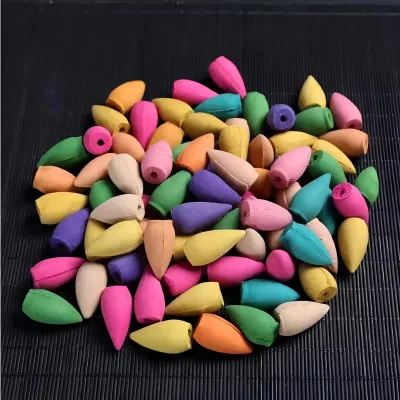
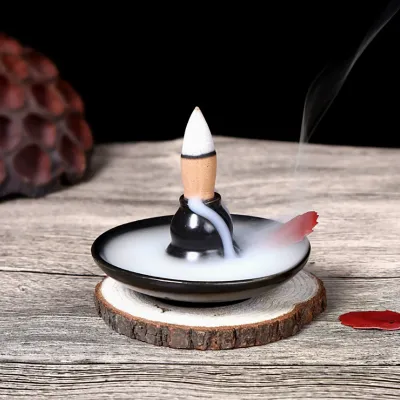
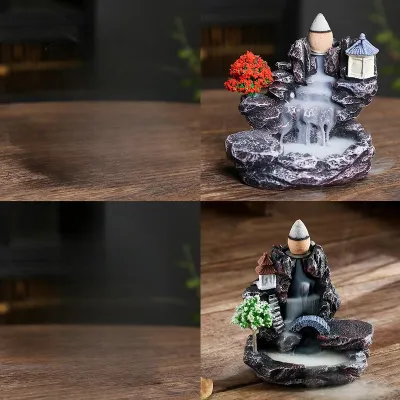
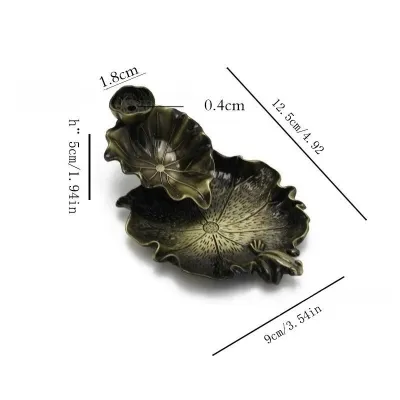
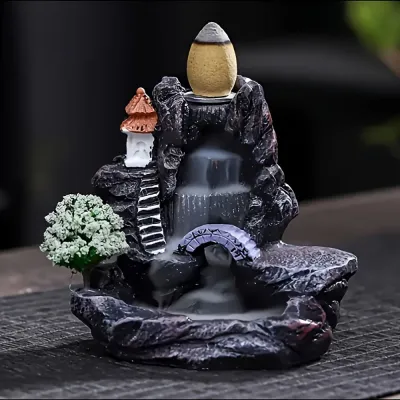
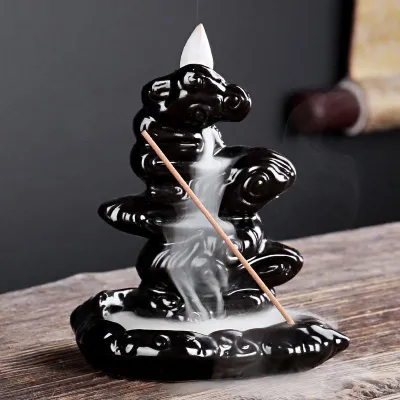
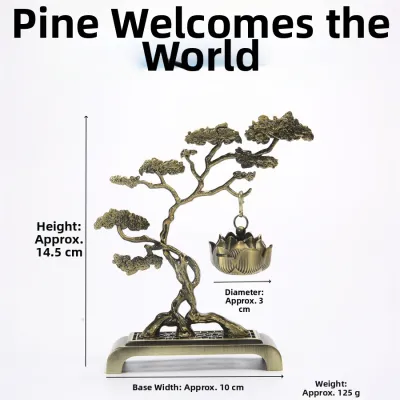
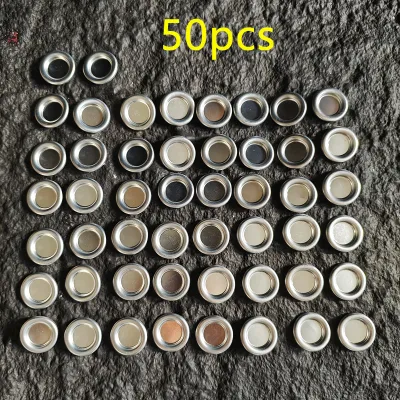
Prices are valid at publication and may change. Please refer to the product page for the latest price.
Another critical design factor is the burner’s level of openness. Fully open designs offer excellent visibility from multiple angles, making them beautiful decorative centerpieces, but they are highly sensitive to even the slightest air movement. In contrast, partially enclosed designs—such as those featuring glass windguards, hollowed-out ceramic lanterns, or deep recessed niches—protect the delicate smoke flow from ambient drafts. If you plan to use your burner in a room with active air conditioning, ceiling fans, or open windows, a partially enclosed model will deliver a much more consistent cascade.
Comparing Materials for Heat Resistance and Easy Cleaning
Backflow incense burners are crafted from a variety of materials, each offering distinct trade-offs in terms of heat tolerance, structural durability, and maintenance. Ceramic is the most traditional and widely available option, prized for its excellent heat resistance and classic aesthetic. High-fired ceramic burners can withstand the intense heat generated at the base of a burning incense cone without cracking or warping. However, ceramic is fragile and can chip or shatter if dropped on hard flooring.

Polyresin is another popular material, especially for highly detailed, sculptural, or whimsical designs that would be difficult to mold in ceramic. While modern polyresin burners are formulated to be heat-resistant, they generally have lower thermal tolerance than ceramic or metal. It is essential to check the manufacturer’s specifications to ensure the resin is rated for direct contact with burning incense bases, as lower-quality resins can emit unpleasant chemical odors or even scorch when subjected to prolonged heat.
Metal burners, typically made of brass, bronze, or copper alloys, offer unmatched durability and a modern, industrial aesthetic. They are virtually indestructible and handle heat exceptionally well, though the metal body can become very hot to the touch during use. Stone burners, such as those carved from soapstone or marble, provide a heavy, premium feel and excellent thermal stability, but they can be porous and prone to absorbing oils.
Regardless of the material, you must evaluate the surface finish, as backflow incense produces a heavy, yellowish resin or tar that settles on the burner. Glazed ceramic and polished metal surfaces resist this sticky buildup exceptionally well, allowing you to wipe away residue easily with a damp cloth. In contrast, unglazed ceramic, porous stone, and matte-finished resins tend to absorb the tar, leading to permanent staining and lingering odors over time. Always review the product care labels to confirm the recommended cleaning methods; while some modular metal or glazed ceramic components might be easy to rinse, most burners require manual wiping and should never be placed in a dishwasher.
Assessing Size, Stability, and Safe Placement
Ensuring your backflow burner is physically stable is paramount for home safety. Because these burners hold active, smoldering embers, a top-heavy or easily tipped design poses a serious fire hazard. Assess the base footprint and overall weight of the burner before buying; a wider, heavier base provides a lower center of gravity, making the unit much harder to knock over. This stability is especially critical in active households with pets, young children, or high-traffic areas where accidental bumps are more likely to occur.
You must also measure the vertical clearance required for the smoke cascade to fully develop. Some elaborate burners stand quite tall, featuring multiple tiers that require a significant vertical drop for the smoke to pool beautifully on the bottom tier. If the burner is too short or the tiers are cramped, the smoke may disperse prematurely into the air rather than forming the desired thick, fog-like pool at the base. Ensure your intended display shelf or side table has enough overhead clearance to accommodate both the burner and the height of the burning cone.
Identifying suitable placement zones within your home is the final step in ensuring a successful setup. The ideal location is a flat, level surface safely away from active air vents, ceiling fans, open windows, and high-traffic pathways where walking past creates drafts. In typical apartment living, finding a quiet corner or a dedicated shelving unit away from direct air conditioning flow will allow the delicate smoke cascade to settle and pool without being instantly scattered.
Planning for Safe Usage and Routine Maintenance
To protect your home and prolong the life of your burner, you must establish safe usage habits from day one. Always place the burner on a fire-safe, heat-resistant surface, such as a ceramic tile, a stone coaster, or a metal tray. The intense heat from the base of the burning cone can easily transfer through the bottom of the burner, potentially scorching wooden tables, melting plastic surfaces, or leaving permanent heat rings on delicate finishes.
Proper room ventilation is equally important for maintaining healthy indoor air quality. While backflow burners are designed to pool smoke for visual effect, that smoke eventually disperses into the surrounding room. Ensure the space has adequate, gentle ventilation—such as an open door or a window cracked open in an adjacent room—to prevent excessive smoke accumulation. This is particularly important for individuals with sensitive respiratory systems, asthma, or allergies, as concentrated incense smoke can cause irritation if allowed to build up in a sealed, unventilated room.
Routine maintenance is essential to keep the smoke flowing smoothly and prevent unsightly buildup. After every few uses, inspect the center intake hole for clogs; the heavy tar produced by backflow cones will gradually restrict the opening, stopping the downward flow of smoke. To clean the burner, gently wipe the surfaces with warm, soapy water or a soft cloth dipped in isopropyl alcohol to dissolve the sticky resin. Allow the burner to dry completely before lighting another cone, and regularly check the material for any signs of heat degradation, cracking, or discoloration.
Frequently Asked Questions (FAQ)
Do I need special incense cones for a backflow burner?
Yes, backflow burners require specialized backflow incense cones to achieve the downward cascading effect. Standard incense cones are solid throughout, causing the smoke to rise naturally into the air. Backflow cones, however, are manufactured with a hollow center channel running from the base to just below the tip. As the cone burns, the smoke is drawn downward through this hollow core, cooling as it travels until it exits the bottom as a heavy, dense mist. When purchasing replacement cones, always verify that they are explicitly labeled as backflow cones and check that their base diameter matches the seating area of your burner.
Why is my backflow incense smoke not flowing down?
If your burner is not producing a downward cascade, perform a few quick, observable checks to identify the cause. First, ensure you are using a genuine backflow cone with a hollow center, as standard cones will only send smoke upward. Next, inspect the burner’s center intake hole and internal channels for clogs; sticky resin buildup from previous sessions can easily block the pathway and must be cleared. Check the alignment of the cone, ensuring its hollow core sits directly over the burner’s intake hole. Finally, eliminate any drafts in the room; even imperceptible air currents from a ceiling fan, air conditioner, or open window can disrupt the delicate balance of the cool smoke, causing it to disperse into the air before it can cascade downward.

Community discussion
Share your experience or ask a question. Comments are reviewed before publication.