
A big ashtray with a cover is no longer just a utility item relegated to a hidden corner. In modern home design, it serves a crucial dual purpose as both a functional tool for odor and ash management and a sophisticated decor piece. Selecting a large-capacity model is highly practical; it easily accommodates multiple users during social gatherings and reduces the chore of frequent emptying. More importantly, the inclusion of a secure cover is essential for maintaining a clean, fresh indoor environment. The lid traps stale smoke odors, prevents light ash from scattering with indoor air currents, and keeps the contents hidden from sight. When placed thoughtfully on a coffee table or sideboard, a well-chosen large ashtray functions similarly to a decorative tray or art object, bridging the gap between everyday utility and refined interior styling.
Matching Ashtray Styles to Your Interior Theme
Integrating a large covered ashtray into your home requires a thoughtful approach to visual harmony. Rather than viewing the piece as an isolated utility, treat it as an extension of your room’s design language. The material, color palette, surface finish, and overall shape of the ashtray should echo the textures and forms already present in your furniture and decor. By observing the dominant visual cues in your living space—such as the clean lines of your shelving, the warmth of your wooden tables, or the raw textures of your walls—you can select an ashtray that complements, rather than clashes with, your home’s aesthetic.
Modern Minimalist Interiors
For clean, uncluttered, and contemporary spaces, the ideal ashtray should embody the philosophy of simplicity and restraint. Focus on sleek geometric shapes, such as perfect cylinders, low-profile spheres, or sharp-edged cubes that align with minimalist furniture. Matte finishes—particularly in monochrome tones like charcoal, soft off-white, or deep navy—work exceptionally well to absorb light and blend seamlessly into the background. Brushed stainless steel and matte-glazed ceramics are excellent material choices, offering durability without visual noise.
Products mentioned in this guide

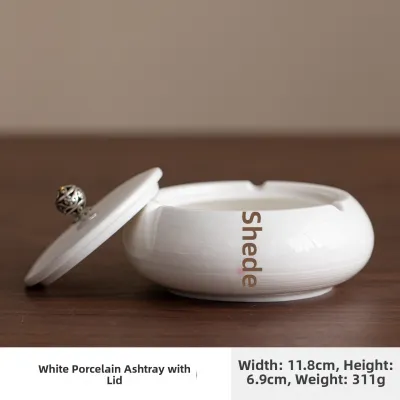

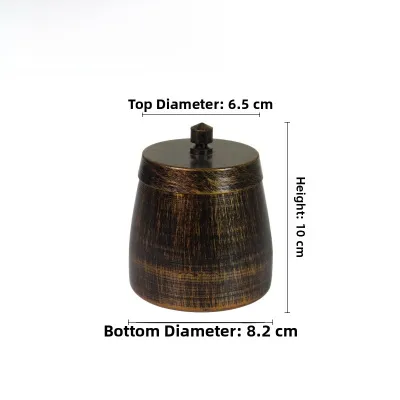
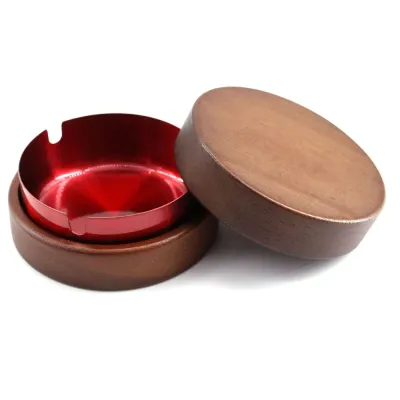

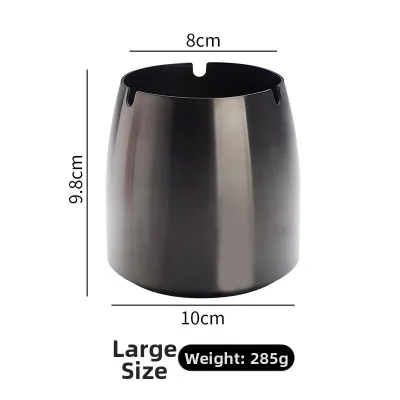

Prices are valid at publication and may change. Please refer to the product page for the latest price.
When selecting a cover mechanism for a minimalist interior, prioritize designs that maintain an unbroken visual line. Concealed lids, swing-top mechanisms, or push-button rotating covers are ideal because they hide the internal reservoir completely when not in use. These functional elements ensure that the ashtray looks like a solid, sculptural geometric form rather than a smoking accessory, keeping your living room looking pristine and organized.
Industrial and Loft Spaces
Industrial and loft-style spaces thrive on raw, unrefined textures and a sense of structural history. To match this aesthetic, look for large covered ashtrays crafted from heavy, tactile materials like cast iron, concrete, distressed metals, or dark oxidized brass. These materials possess a natural weight and rugged charm that pair effortlessly with exposed brick walls, steel window frames, and reclaimed wood tables.
The design of the ashtray should feel substantial and utilitarian. Features like visible rivets, threaded lids, or a weathered patina add to the authentic, workshop-inspired character of the space. A heavy concrete or iron base not only anchors the piece visually but also provides the physical stability needed in busy, high-traffic communal areas. The cover itself might feature a simple, heavy lift-off handle or a rugged screw-down mechanism, emphasizing practical engineering over delicate ornamentation.
Traditional and Classic Decor
For homes featuring elegant, heritage, or luxurious classic decor, the ashtray should reflect a sense of timeless craftsmanship and sophistication. Materials such as thick cut crystal, heavy molded glass, polished brass, and rich dark wood accents are highly suited to these refined environments. These pieces should feel substantial in the hand, catching and refracting light to enhance the ambient warmth of the room.
Look for ornate details, such as delicate engraving, fluted edges, or inlaid metallic bands that coordinate with traditional cabinet hardware and classic light fixtures. A weighted, polished lid—perhaps topped with a decorative finial—adds a touch of luxury and ensures a tight seal to contain odors. When not in active use, a classic crystal or brass covered ashtray serves as a sophisticated artifact, sitting elegantly alongside leather-bound books, porcelain vases, or antique decorative trays on a side table.
Key Functional Features to Verify Beyond Aesthetics
While aesthetic compatibility is vital, a big ashtray with a cover must perform flawlessly to justify its place in your home. Evaluating its physical properties and mechanical design ensures a safe and satisfying user experience.

- Size and Proportion: A "big" ashtray typically features a diameter of 15 to 20 centimeters or a substantial depth of over 5 centimeters. Before purchasing, measure your coffee table or side table surface to ensure the scale is appropriate. A piece that is too large can crowd the table and restrict space for drinks or books, while a piece that is too small will lose its visual impact as a decor statement.
- Lid Mechanism: The choice of lid mechanism affects both daily convenience and odor control. Swing lids allow for hands-free ash disposal but can sometimes collect residue on the moving parts, requiring more frequent cleaning. Push-button spinning lids quickly drop ash into a lower reservoir with a single press, keeping the surface clean but involving more complex mechanical parts. Fully removable lift-off covers offer the simplest operation and are the easiest to clean, though they require two hands to operate if the lid is heavy.
- Base Stability: A large ashtray must remain firmly anchored to prevent accidental spills. Choose designs with a weighted base or those equipped with non-slip protective pads, such as silicone, rubber, or felt. This is particularly crucial in active households with pets or young children, where a bumped table could otherwise result in a messy and hazardous spill.
- Heat and Material Limits: Always check the manufacturer's labels and product specifications for heat tolerance. Not all decorative materials are designed to withstand high temperatures. For instance, certain resin, wood, or thin plastic components can scorch, melt, or release unpleasant fumes if they come into direct contact with hot embers. Ensure the internal reservoir is lined with heat-proof materials like ceramic, stainless steel, or thick glass, especially if you intend to use the piece for slow-burning cigars or pipes.
Placement and Styling Tips for Living Rooms and Balconies
Styling your large covered ashtray involves finding the right balance between accessibility and visual integration, whether indoors or in semi-outdoor spaces.
- Living Room Coffee Tables: Position the ashtray as part of a curated vignette rather than letting it sit in isolation. You can place it on a larger decorative tray alongside a stack of art books, a small scented candle, or a textured ceramic vase. This grouping dilutes the utilitarian nature of the ashtray, making it feel like a deliberate design choice. For a more subtle look, place it on a lower shelf of the coffee table or on a nearby console table.
- Balconies and Patios: In Singapore's breezy high-rise apartments and humid tropical climate, outdoor placement requires special consideration. Strong drafts on open balconies can easily blow ash out of an uncovered tray, making a heavy, securely covered design absolutely essential. High humidity can also accelerate the degradation of certain materials. Check the manufacturer's care instructions to ensure the finish is rated for outdoor use; untreated metals may rust quickly, and unsealed wood can warp or develop mold when exposed to damp air.
- Cross-Scenario Versatility: If you frequently host guests both indoors and on your balcony, select a versatile, neutral design that transitions smoothly between these environments. A heavy ceramic or powder-coated stainless steel ashtray with a tight-fitting lid is ideal for this purpose, offering the weather resistance needed for the patio while maintaining the refined look required for your indoor living room.
Frequently Asked Questions (FAQ)
How do I clean a large covered ashtray without damaging the finish?
Always consult the manufacturer’s care instructions before cleaning, as decorative finishes can be highly sensitive. For general maintenance, wait until the ashtray has cooled completely, empty the contents, and wipe the surfaces with a soft microfiber cloth dampened with warm water and a few drops of mild dish soap. Avoid using abrasive scrubbing sponges, steel wool, or harsh chemical cleaners, as these can easily scratch polished metals, strip matte coatings, or wear away delicate hand-painted details on ceramic pieces. Dry the ashtray thoroughly with a clean cloth to prevent water spots or rust.
Can a decorative covered ashtray be used outdoors on a balcony?
While a heavy cover is excellent for preventing wind from blowing ash across your balcony, not all decorative materials are suited for permanent outdoor exposure. In humid environments, unsealed metals can oxidize, untreated wood can warp or crack under direct sunlight, and delicate ceramic glazes may degrade over time. To ensure longevity, verify the product’s outdoor suitability or weather-resistance specifications. If the piece is not specifically rated for outdoor use, it is best to bring it indoors when not in use to protect its finish from the elements.
Community discussion
Share your experience or ask a question. Comments are reviewed before publication.