
Selecting a black obsidian sculpture is an exercise in balancing raw elemental beauty with refined interior design. Born from the rapid cooling of volcanic lava, this natural glass possesses a deep, light-absorbing blackness that can anchor a room, create a sophisticated focal point, or introduce a grounding organic texture to your living space. Whether you are decorating a compact apartment or a spacious landed home in Singapore, finding the right piece requires a clear understanding of the material’s unique physical properties, how its scale interacts with your furniture, and how to verify its quality before making an investment.
By focusing on the interplay of light, weight, and craftsmanship, you can select a sculpture that not only complements your existing decor but also stands as a durable and captivating work of art. This guide outlines the essential steps to evaluate black obsidian, match it to your interior style, and display it safely within your home.
Understanding Black Obsidian as a Decor Material
Black obsidian is a naturally occurring volcanic glass formed when silica-rich lava cools so rapidly that mineral crystals do not have time to grow. This lack of crystalline structure gives the material its signature glassy luster and smooth, isotropic texture. When handling or planning for an obsidian piece, it is important to remember that it behaves exactly like heavy glass; it is dense and substantial to hold, yet highly brittle and susceptible to chipping if subjected to sudden impacts.
Products mentioned in this guide
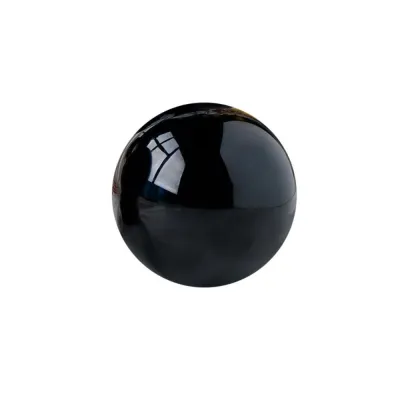
Prices are valid at publication and may change. Please refer to the product page for the latest price.
Because of how obsidian fractures—a geological phenomenon known as conchoidal fracturing—unpolished or raw sections of a sculpture can feature incredibly sharp, razor-like edges. Sculptures often incorporate these raw textures to contrast with highly polished surfaces, but they require cautious handling during unboxing and placement.
The finish of the sculpture dramatically alters its visual impact and how it interacts with your room’s lighting. A highly polished finish highlights the deep, liquid-black depth of the stone, turning the sculpture into a reflective surface that catches ambient light and defines sharp sculptural contours. In contrast, a matte, satin, or acid-etched finish diffuses light, presenting a soft, velvety charcoal-grey appearance that emphasizes the pure form and silhouette of the carving rather than its reflectivity. Some pieces feature a raw, crusty exterior crust (known as the cortex) paired with polished faces, offering a striking rustic contrast.
Due to its popularity, the market contains various imitations, including molded black glass, dark resins, and dyed stones. Molded glass fakes often reveal tiny, perfectly spherical air bubbles trapped just beneath the surface or faint, raised mold seams along the sides. Resin imitations are much lighter than genuine volcanic glass, feel warm to the touch almost immediately, and can be easily scratched with a copper coin. Natural black obsidian remains cool to the touch for longer, carries a distinct physical heft, and often reveals subtle, wavy flow bands or microscopic mineral inclusions when viewed under a strong, direct light source.
Matching Sculpture Sizes to Your Display Space
In Singapore’s diverse residential spaces, from cozy apartments to expansive multi-story homes, selecting the correct scale for a heavy stone sculpture is crucial for both visual balance and structural safety. A piece that is too small can easily get lost among other decor items, while an oversized sculpture can overwhelm a tabletop and make the surrounding area feel cramped.

For compact surfaces such as floating shelves, study desks, or bedside tables, small sculptures measuring under 15 centimeters are ideal. These smaller pieces add a touch of sophistication and grounding color without occupying valuable functional space. For larger surfaces like entryway consoles, dining table centerpieces, or low TV sideboards, medium-sized sculptures ranging from 15 to 30 centimeters provide a commanding presence and can easily serve as the anchor for a curated decor arrangement.
Large statement pieces exceeding 30 centimeters in height or width require dedicated placement, such as a sturdy pedestal, a low floor plinth, or a deep, reinforced shelf. Because obsidian is a dense material, a solid sculpture of this size can weigh several kilograms. Before placing a heavy piece, always verify the weight capacity of your furniture. Floating ledges mounted on partition walls or delicate glass-paneled display cabinets may sag or fail under the weight of a solid stone carving, risking damage to both the sculpture and your home.
Additionally, consider the visual weight of a solid black object. Black absorbs light, meaning a large obsidian sculpture can look like a dark, featureless void if placed in a dimly lit corner. To prevent this, position the sculpture where it can catch natural light from a window, or place it near a warm accent light or dedicated spotlight. Displaying the dark sculpture against a lighter background—such as a white marble tabletop, a light oak shelf, or a pale wall—creates a high-contrast backdrop that beautifully defines the sculpture’s silhouette.
Aligning Design Styles with Your Interior Aesthetic
An obsidian sculpture should harmonize with the existing design language of your home, acting either as a seamless extension of your style or as a deliberate, eye-catching contrast. The shape and motif of the carving play a major role in determining which interior styles it suits best.
Abstract and geometric forms—such as spheres, pyramids, obelisks, and fluid, minimalist curves—are exceptionally well-suited for modern, contemporary, or industrial spaces. These clean lines and sharp angles mirror the architectural elements of modern design, while the polished black surface adds a sleek, luxurious texture that complements metal, concrete, and glass finishes.
For classic, eclectic, or bohemian interiors, figurative carvings and traditional motifs offer excellent choices. Sculptures depicting stylized animals, organic freeform shapes, or traditional cultural figurines introduce narrative depth and rich texture to a room. These detailed carvings pair beautifully with warm wood tones, woven textiles, and indoor greenery, softening the starkness of the black glass.
Finally, decide whether you want the sculpture to serve as a primary focal point or a subtle grounding accent. A large, intricately carved piece positioned centrally on a mantelpiece or entryway table naturally draws the eye and sets the tone for the space. On the other hand, smaller geometric obsidian pieces tucked into bookshelves or placed alongside brass candleholders act as subtle visual anchors, balancing out brighter colors and lighter materials throughout the room.
Evaluating Quality and Craftsmanship
When browsing black obsidian sculptures, a close inspection of the physical condition and the skill of the carver will ensure you invest in a piece of lasting value. Because natural volcanic glass is prone to internal stresses during its rapid cooling process, checking for structural integrity is the first and most important step.
Examine the sculpture under a bright, direct light source to check for deep cracks, chips, or internal stress fractures. While minor, superficial surface lines or natural flow bands are common and add character to natural stone, deep structural cracks can compromise the integrity of the piece, making it vulnerable to breaking if bumped or exposed to temperature changes. Carefully run your fingers along the edges of the carving to check for micro-chipping, especially on sharp geometric corners.
Next, assess the precision of the carving details. High-quality craftsmanship is evident in the consistency of the lines, the smoothness of the transitions between different planes, and the symmetry of the design. If the sculpture features a combination of polished and raw textures, the boundaries between these sections should be clean and intentional, without accidental scratches on the polished surfaces.
The stability of the base is another critical quality indicator. The bottom of the sculpture must be ground perfectly flat and even so that it sits securely on a level surface without wobbling. A wobbly base is not only a sign of poor finishing but also poses a constant safety hazard for a fragile glass object.
When shopping online, read the seller’s descriptions carefully to verify the specific type of obsidian being offered, such as golden sheen, rainbow, or snowflake obsidian, which feature unique mineral inclusions. Reputable online sellers should provide multiple high-resolution photos from various angles, clear dimensions, exact weight specifications, and a transparent return policy to protect your purchase in case the item does not match the description or is damaged during transit.
Safe Placement and Maintenance Guidelines
Proper placement and regular maintenance are essential to preserve the beauty of your black obsidian sculpture and prevent accidental damage or injury. Because obsidian is a natural glass, it must be treated with the same care you would afford to fine crystal.
Always display your sculpture on a stable, level surface away from high-traffic areas where it could easily be brushed against or knocked over. Avoid placing heavy pieces near the edges of tables, close to open windows where curtains might snag them, or on surfaces subject to frequent vibrations, such as near entry doors, washing machines, or large audio speakers.
To clean your sculpture, dust it regularly using a soft, dry, lint-free microfiber cloth. Avoid using harsh chemical cleaners, abrasive scrubbing pads, or acidic solutions, as these can dull the polished finish and leave permanent scratches on the glass. For a deeper clean, wipe the surface gently with a damp cloth and a small amount of mild, pH-neutral dish soap, then dry the piece immediately with a clean, soft towel to prevent water spots.
Protecting your furniture is just as important as protecting the sculpture itself. Because the bottom of a stone carving can be rough or sharp, apply small felt pads or a thin, non-slip silicone coaster to the base of the sculpture. This simple step prevents the heavy glass from scratching delicate wood, glass, or marble tabletops when moved.
In homes with active pets or young children, extra precautions are necessary. Keep obsidian sculptures entirely out of reach on high shelves or inside secured display cabinets. If a heavy obsidian piece falls, it will not simply dent; it can shatter into extremely sharp, hazardous shards that pose an immediate safety risk.
Building Your Shortlist: Budget and Sourcing Strategies
Before beginning your search, establishing a realistic budget in S$ will help narrow down your options and align your expectations with the market. Prices for black obsidian sculptures vary widely depending on the size of the piece, the complexity of the carving, and the rarity of the specific obsidian variety.
Small, simple geometric shapes or mass-produced figurines generally range from S$30 to S$100. Medium-sized, hand-carved sculptures featuring high-quality polishing or unique material characteristics—such as golden sheen or rainbow obsidian—typically cost between S$150 and S$500. Large, highly intricate, or artist-signed statement pieces can range from S$600 to well over S$1,000, reflecting the significant labor and material risk involved in carving large blocks of volcanic glass.
When deciding where to shop, explore specialized home decor boutiques, local artisan galleries, and reputable crystal shops in Singapore. Visiting a physical store allows you to feel the weight of the sculpture, inspect its finish under natural light, and verify its stability firsthand.
If you choose to browse online marketplaces or global artisan platforms, prioritize sellers who specialize in natural stone decor and have high customer ratings. Look for detailed reviews that specifically mention secure packaging, as fragile glass sculptures require extensive bubble wrap and sturdy boxing to survive international shipping. Ensure the seller offers insured shipping options so that you are fully covered in the rare event of transit damage.
Frequently Asked Questions (FAQ)
Is black obsidian durable enough for outdoor display?
No, natural black obsidian is not recommended for outdoor display. Because it is a natural volcanic glass, it is highly sensitive to rapid temperature fluctuations, which can cause thermal shock and lead to cracking or shattering. Additionally, prolonged exposure to rain, humidity, and acidic environmental elements can gradually dull a highly polished finish, turning the deep black surface cloudy over time. To preserve its appearance and structural integrity, keep your obsidian sculptures in stable, climate-controlled indoor environments.
How can I tell if a black obsidian sculpture is real?
To verify the authenticity of a black obsidian sculpture, start by touching it; genuine obsidian feels cold to the touch and warms up slowly in your hand, whereas plastic or resin imitations warm up almost instantly. Obsidian is also significantly heavier and denser than resin. Next, inspect the piece under a strong flashlight. Real obsidian often reveals subtle, wavy flow bands, microscopic mineral inclusions, or a faint golden or rainbow sheen, while fake glass imitations may contain tiny, perfectly round air bubbles or appear completely uniform and flawless without any natural variations.
Community discussion
Share your experience or ask a question. Comments are reviewed before publication.