
Choosing the right brass diya lamp for your Hungry Ghost Festival (Zhong Yuan Jie) worship setup in Singapore requires balancing sacred tradition with practical safety. Because this seventh-month festival involves rituals performed both inside the home and in public outdoor spaces, a single lamp style may not suit both environments. Selecting the ideal lamp depends on assessing where you will place it, how long you need the flame to burn, and how the physical design of the brass vessel interacts with local weather conditions.
Traditional brass oil lamps serve as a focal point for prayers, symbolizing light, wisdom, and respect for ancestors and wandering spirits. However, because these lamps hold open flames and liquid fuel, structural stability and wind resistance must take precedence over purely decorative elements. By evaluating your specific worship space, you can select a lamp that remains safe, stable, and burning bright throughout your prayers.
Understanding Your Worship Space: Indoor Altar vs. Outdoor Offering Table
Before purchasing a brass diya lamp, you must evaluate the physical constraints and environmental conditions of your primary worship area. Indoor home altars provide a highly controlled setting with stable temperatures, zero wind, and predictable flat surfaces. However, these spaces are often confined, with lamps positioned close to wooden cabinetry, hanging tapestries, deity statues, or ancestral tablets, making fire containment your absolute priority.
Products mentioned in this guide
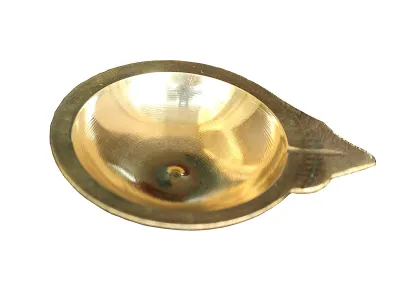
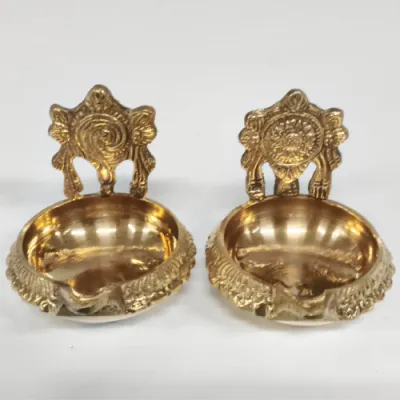
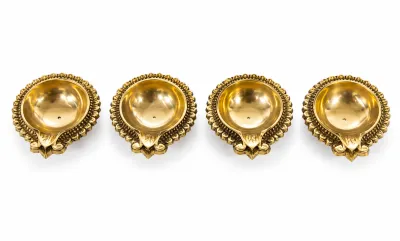
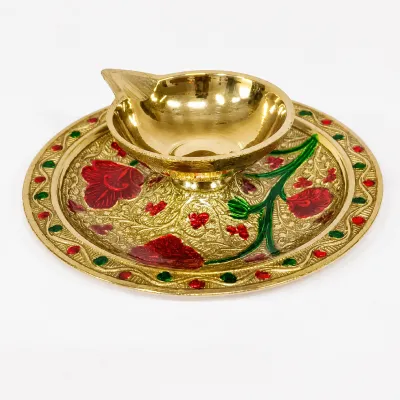
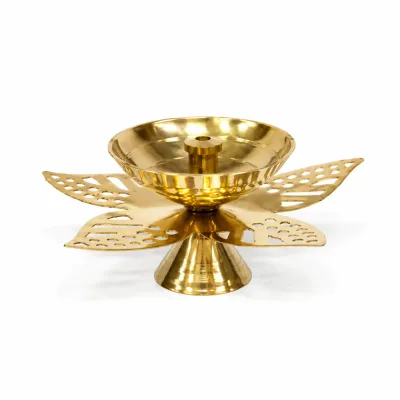
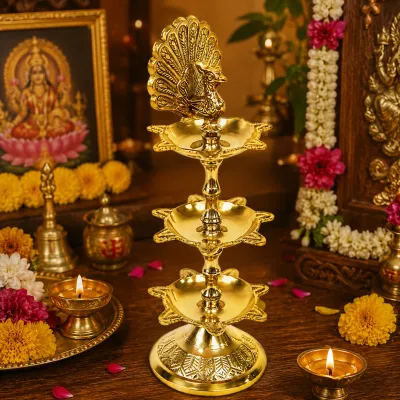
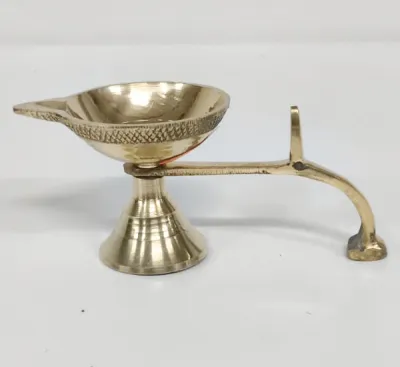
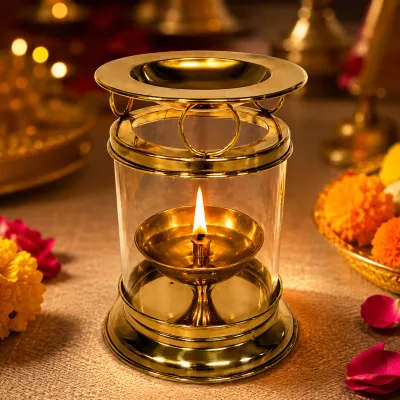
Prices are valid at publication and may change. Please refer to the product page for the latest price.
In contrast, outdoor offering tables set up along roadsides, HDB void decks, or designated estate common areas are completely exposed to the elements. Singapore’s tropical climate during the seventh lunar month frequently brings sudden evening breezes, high humidity, and unexpected rain showers. These outdoor factors can quickly extinguish a weak, unprotected flame or cause hot oil to splash, making standard indoor lamps highly impractical for outdoor use.
This stark environmental contrast shifts your selection process from a purely aesthetic choice to a highly functional, safety-driven decision. An indoor setup allows you to focus on intricate carvings, polished finishes, and moderate sizes that harmonize with your home decor. An outdoor setup, however, demands a heavy, rugged, and wind-resistant brass diya lamp that can withstand environmental disruptions without tipping over or losing its flame.
Key Factors for Choosing a Brass Diya Lamp
To find a lamp that fits your arrangement, you must look closely at its physical construction. Evaluating the dimensions, weight distribution, and bowl shape of a brass diya lamp will help you determine if it can perform reliably under specific conditions.

Size, Proportion, and Oil Capacity
Your lamp must physically fit within your worship space without crowding other essential ritual items. Before shopping, measure the available surface area on your altar or temporary table, keeping in mind that you must leave clear clearance zones around the open flame. The lamp should sit comfortably alongside food offerings, incense holders, and tea cups without creating a cramped layout that increases the risk of accidental contact.
Additionally, the depth and volume of the oil reservoir directly dictate how long the flame will burn. For Hungry Ghost Festival prayers, which can range from short evening offerings to multi-hour family rituals, you want a reservoir that holds enough fuel to last the entire session. Choosing a lamp with an adequate oil capacity prevents the need to disruptively refill hot oil while the wicks are burning, which is both a ritual interruption and a safety hazard.
Base Stability and Weight Distribution
When dealing with liquid fuel and fire, base stability is the most critical structural feature of any brass diya lamp. A high-quality lamp should feature a wide, flared base that concentrates the physical weight at the bottom, lowering the overall center of gravity. Solid cast-brass lamps are highly recommended over cheap, thin, stamped-metal alternatives because their natural heft provides superior resistance to accidental nudges.
Top-heavy designs, narrow stems, or lamps with small, decorative feet are inherently unstable and pose a significant tipping risk. This risk increases on temporary folding tables used outdoors, which can wobble when people walk past or when heavy incense burners are adjusted. Choosing a heavy, broad-based lamp ensures that even if the table experiences minor vibrations, the hot oil remains securely contained within the bowl.
Bowl Depth and Wind Resistance
The shape of the lamp’s bowl determines how well the flame is shielded from air currents. Flat, shallow, wide-brimmed brass diyas are designed to showcase the flame and allow easy access to the wick, but they offer virtually no protection against drafts. In a windy environment, a shallow bowl allows the flame to flicker wildly, which accelerates oil consumption and can cause the wick to drown or spark.
For improved flame stability, look for lamps with deep, cup-like bowls or those featuring raised, protective petals, such as a traditional lotus design. These deeper walls act as natural wind barriers, shielding the wick from direct drafts and keeping the flame burning steadily. Deep bowls also prevent outdoor breezes from blowing hot oil droplets out of the reservoir, keeping the surrounding table clean and dry.
Matching the Lamp to Your Specific Setup
Once you understand the physical properties of brass diyas, you can match these features to the specific requirements of your indoor or outdoor worship setup.
Optimizing for the Home Altar
For a sheltered home altar, prioritize aesthetic harmony, moderate proportions, and clean burning. Because indoor air is still, you do not need to worry about wind resistance, allowing you to choose intricate, multi-wick, or moderately shallow brass designs. The lamp should scale visually with your ancestral photos or deity statues, serving as a respectful addition rather than an overpowering distraction.
Before placing a heavy brass lamp on an indoor altar, verify the structural limits of your furniture. Wall-mounted floating shelves or delicate antique wooden altars may have weight restrictions that cannot safely support massive, solid-brass lamps filled with oil. If space is tight, a compact, single-wick brass diya with a moderate oil capacity is often the safest and most visually balanced choice.
Optimizing for the Outdoor Offering Table
When setting up an outdoor offering table for the seventh lunar month, functional durability must take precedence over delicate ornamentation. Choose a heavy, solid-brass lamp with a simple, robust profile and a deep oil reservoir. Avoid highly ornate designs with delicate, protruding brass filigree, as these features can easily snag on clothing, plastic offering bags, or wind-blown joss paper.
Always verify the stability and weight capacity of your outdoor table before placing heavy brass items on it. Many temporary outdoor setups rely on lightweight plastic or aluminum folding tables, which can sag under the weight of heavy brassware and large incense burners. Opting for a medium-sized, heavy-bottomed lamp ensures you get the necessary wind resistance without overloading a temporary table.
Safety and Placement Guidelines for Open-Flame Worship
Using an open-flame oil lamp requires strict adherence to fire safety protocols to protect your property and the surrounding community. Implementing simple precautionary measures will ensure your Hungry Ghost Festival observations remain safe and respectful.
- Maintain Clear Clearance Zones: Keep your brass diya lamp at a safe distance from all flammable materials. This includes paper offerings, joss paper piles, incense sticks, dry food packaging, and indoor window curtains. Ensure that wind cannot blow lightweight paper items into the path of the open flame.
- Use a Fireproof Barrier: Always place your brass diya on a non-combustible surface, such as a ceramic tile, a metal tray, or a dedicated fireproof mat. This is especially important on wooden indoor altars or plastic outdoor folding tables, as it catches accidental oil drips and insulates the table surface from heat damage.
- Never Leave the Flame Unattended: An open flame should never be left unsupervised under any circumstances. If you must leave the immediate area, ensure another family member is monitoring the lamp, or safely extinguish the flame before walking away.
- Keep Out of Reach: Position the lamp toward the center or back of the altar table, well out of reach of children and household pets. This minimizes the risk of the lamp being accidentally swiped, pulled, or knocked over.
- Extinguish the Flame Safely: To extinguish the lamp, use a metal snuffer or a small brass cap to suffocate the flame. Avoid blowing directly onto the wick, as this can cause hot oil to splash onto your face or scatter burning embers onto nearby paper offerings. Always refer to your lamp manufacturer's safety instructions for specific handling guidelines.
Caring for and Maintaining Your Brass Diya Lamp
Regular upkeep keeps your brass diya lamp looking beautiful and ensures it remains safe to use for future prayers. Taking a few minutes to clean the lamp after each use prevents the buildup of sticky oil residue and stubborn soot.
Always allow the lamp to cool down completely before handling or cleaning it. Once cool, carefully pour out any unburned oil into a disposable container and remove the spent cotton wicks. Wipe the interior and exterior of the brass bowl with a soft, dry microfiber cloth to remove immediate soot deposits and oil film before they harden.
Over time, brass naturally oxidizes when exposed to air, heat, and oil, developing a darkened, antique patina. In many traditional contexts, this natural aging is considered highly auspicious, reflecting years of dedicated worship. If you prefer a bright, polished golden shine, check the manufacturer’s care instructions before applying any commercial brass polish, as some modern lamps feature a protective lacquer coating that can be stripped or damaged by harsh chemical cleaners.
Frequently Asked Questions (FAQ)
Can I use the same brass diya lamp for both indoor and outdoor worship?
While it is physically possible to use one lamp for both settings, the lamp must meet the strict safety requirements of an outdoor environment. If your lamp is lightweight, top-heavy, or has a shallow bowl, keep it strictly indoors. Using a shallow or unstable lamp outdoors creates a severe fire hazard if a sudden gust of wind tips the vessel or blows the flame toward flammable materials.
What type of oil and wick should I use in a brass diya lamp?
Always follow the lamp manufacturer’s specific recommendations for fuel and wicks. Generally, traditional vegetable oils, sesame oil, or ghee paired with natural, hand-rolled cotton wicks are the safest and most reliable choices. Never use highly flammable, unapproved fuels like kerosene, lighter fluid, or gasoline, and avoid synthetic wicks, which can produce toxic smoke and burn unpredictably.
Community discussion
Share your experience or ask a question. Comments are reviewed before publication.