
Selecting a brass vilakku (traditional oil lamp) for your home prayer altar requires balancing spiritual tradition, aesthetic harmony, material authenticity, and practical safety. A properly chosen lamp serves as the visual and symbolic focal point of your sacred space, illuminating your daily prayers, meditation sessions, or festive family gatherings. To make an informed decision, you must evaluate the structural style of the lamp, verify the purity and craftsmanship of the metal, calculate the correct proportions for your altar, and understand the safety protocols associated with both open flames and modern electrical alternatives.
By focusing on these core dimensions, you can select a brass vilakku that not only honors your household’s spiritual practices but also stands as a durable, beautifully crafted heirloom for generations to come.
Identifying the Right Vilakku Type for Your Daily Rituals
Matching the physical design of your brass vilakku to your daily prayer routine and living environment is the first step toward a successful selection. Different lamp styles serve distinct ritualistic and spatial purposes, ranging from quick daily offerings to elaborate festive ceremonies.
Products mentioned in this guide
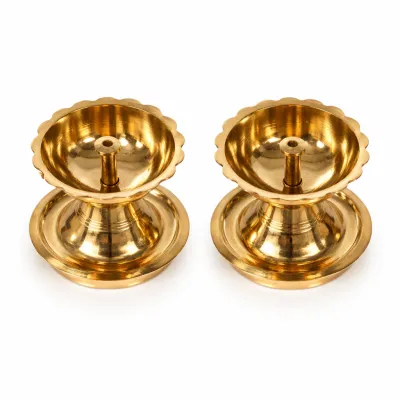
Prices are valid at publication and may change. Please refer to the product page for the latest price.
Agal Vilakku (Flat Lamps)
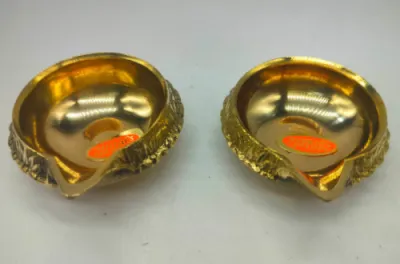
Design and Footprint Agal vilakkus are small, shallow, and flat brass lamps, typically featuring a single wick notch or a simple circular bowl designed to hold a modest amount of oil. Their compact footprint makes them exceptionally versatile, allowing them to fit easily onto narrow altar shelves, small wall-mounted mandirs, or crowded prayer tables where space is at a premium.
Ideal Use Cases These lamps are highly suited for quick daily prayers, morning rituals, or evening arati. Because of their smaller oil capacity, they are designed for shorter burn times, making them easy to monitor from start to finish during your active prayer window.
Maintenance Considerations Due to the shallow depth of the oil reservoir, agal vilakkus require frequent refilling if you intend to keep them lit for extended periods. The proximity of the flame to the altar surface also means you must place them on a heat-resistant coaster or small metal plate to protect your altar finish from heat transfer.
Kuthu Vilakku (Standing Lamps)
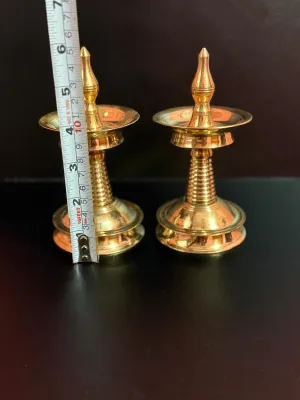
Design and Footprint Kuthu vilakkus are majestic, tall standing lamps characterized by a heavy, tiered base, a slender central stem (stambham), and a multi-wick bowl (often featuring five or seven wick notches) topped with an ornamental finial. They are designed to stand prominently on the floor flanking the entrance of the prayer room or on the main tier of a spacious home altar.
Ideal Use Cases These lamps are central to major festive occasions, family milestones, and elaborate weekend pujas. The five wicks traditionally represent the five elements or directions, casting a warm, comprehensive glow across the entire prayer space and serving as a striking visual anchor.
Maintenance Considerations Because of their height and weight, Kuthu vilakkus demand adequate vertical clearance and a perfectly flat, stable surface. They hold a substantial volume of oil, allowing them to burn for several hours, but they also require more time to clean, polish, and prepare before each use.
Electric and LED Alternatives
Design and Footprint Modern electric and LED brass vilakkus replicate the classic appearance of traditional standing or flat lamps while replacing the open flame and oil bowl with low-voltage light bulbs or flickering LED elements. These units are often wired directly or powered by batteries, offering a clean, flameless alternative.
Ideal Use Cases Flameless options are increasingly popular in modern high-rise apartments, homes with active pets or young children, and environments where drafts or air conditioning make maintaining an open flame difficult. They are ideal for continuous, unattended ambient lighting throughout the day or night.
Maintenance Considerations While highly convenient, acceptance of electric lamps varies significantly by family tradition and personal belief. Many practitioners prioritize a real flame fueled by natural oils for core daily pujas, using electric versions solely for decorative or secondary lighting. It is advisable to consult family elders or religious guidelines if you plan to use an electric lamp as your primary ritual light.
How to Evaluate Brass Quality and Craftsmanship
Not all brass items are created equal. To ensure your vilakku survives regular exposure to heat, oil, and cleaning agents without degrading, you must know how to inspect the metal’s purity and structural integrity before purchasing.

- Weight and Density: Authentic, high-quality brass is a dense alloy of copper and zinc. When you lift a solid cast brass vilakku, it should feel reassuringly heavy and substantial in your hand. Avoid lightweight, hollow-feeling lamps, which are often made of thin spun brass, cheap aluminum alloys, or zinc plated with a thin layer of brass that will quickly wear away under heat.
- Visual and Tactile Inspection: Run your fingers along the stem, base, and bowl of the lamp. High-quality hand-cast brass often exhibits minor, unique surface variations or tiny pinpricks, which are hallmarks of traditional sand-casting techniques. However, the seams should be smooth, the joints should be securely threaded or welded, and the color should be a consistent golden-yellow. Be wary of flaking, bubbling, or peeling surfaces, which indicate a cheap electroplated finish over an inferior base metal.
- The Sound Test: Gently tap the side of the lamp's bowl with a small wooden implement or your fingernail. Solid, high-quality brass produces a clear, resonant, high-pitched ringing sound that sustains for a moment. In contrast, base metals, heavily lacquered pieces, or zinc alloys produce a dull, flat, and immediate thud.
- Marks and Stamps: Look closely at the underside of the base for maker's marks, workshop stamps, or purity engravings. While these markings add a layer of authenticity, they are not absolute guarantees on their own. Always verify these stamps against the reputation, history, and documentation provided by the specialty retailer or artisan workshop from whom you are purchasing.
Sizing and Proportions for Your Altar Setup
A brass vilakku must fit harmoniously within your home altar, both practically and visually. Selecting the wrong size can lead to crowded shelves, safety hazards, or a cluttered aesthetic that detracts from the peaceful atmosphere of your prayer space.
Measuring the Space Before shopping, use a physical tape measure to record the exact dimensions of your altar shelf. Note the width, depth, and especially the vertical clearance. For traditional oil lamps, you must leave at least 15 to 20 centimeters of open space above the flame tip to allow heat to dissipate safely without scorching the shelf above.
Visual Proportions Your vilakku should complement, not overpower, your deity idols (vigrahas) or framed photos. Ideally, the height of a standing Kuthu vilakku should align with or sit slightly lower than the central deity figure when placed on the same tier. If the lamp is too tall, it will visually dominate the altar; if it is too small, its light will fail to illuminate the focal points of your worship.
Base Stability For standing lamps, base stability is paramount. The diameter of the base should be wide enough to support the vertical stem without any wobbling. Gently nudge the top of the lamp during inspection; a well-balanced vilakku will immediately settle back into place rather than tipping or swaying. If the base feels light or narrow, avoid placing it on high shelves or high-traffic areas.
Wick Count and Oil Capacity Consider how long you want the lamp to burn during your rituals. A larger oil reservoir allows for longer, uninterrupted prayers but requires more oil and takes longer to clean. If you only have fifteen minutes for a quick morning prayer, a small single-wick agal vilakku is far more practical than a large, five-wick standing lamp that requires significant fuel and preparation.
Choosing Design Motifs and Finishes
The design motifs and finish of your brass vilakku contribute to both the spiritual ambiance of your home and the ease of your daily maintenance routine.
Traditional Motifs
- The Peacock (Mayur): Often positioned at the apex of Kuthu vilakkus, the peacock symbolizes beauty, grace, and the removal of pride.
- The Lotus (Kamal): Frequently engraved on the base or bowl, the lotus represents purity, spiritual awakening, and detachment from worldly distractions.
- Goddess Lakshmi: Featured on specialized Kamatchi or Lakshmi vilakkus, this motif represents prosperity, light, and auspicious beginnings, making it a popular choice for central altar pieces.
Finish Options
- Polished Finish: This classic, bright golden finish reflects light beautifully, creating a brilliant glow. However, it shows fingerprints, oil smudges, and tarnish quickly, requiring regular polishing to maintain its shine.
- Antique Finish: Treated to feature darkened crevices, this finish highlights the intricate details of hand-carved engravings and offers a vintage, time-honored look. It is highly forgiving of minor oil stains and tarnish.
- Matte Finish: A modern, brushed look that diffuses light softly. It resists fingerprints well and fits seamlessly into contemporary, minimalist home interiors.
Cohesion with Decor Ensure the complexity of the lamp’s design matches your overall altar setup. Highly ornate, deeply carved lamps look spectacular but collect soot, dust, and dried oil in their crevices, requiring meticulous cleaning with fine brushes. If you prefer a low-maintenance routine, opt for simpler, smoother geometric shapes with minimal engraving.
Safety Protocols and Maintenance for Daily Use
Operating a brass vilakku safely preserves both your home and the integrity of the lamp itself. Whether you choose a traditional oil-burning model or a modern electric alternative, adhering to proper safety boundaries is essential.
Fire Safety and Care for Traditional Oil Lamps
Placement and Surrounds Always position your traditional oil lamp on a stable, level, heat-resistant surface. Keep it far away from open windows, air conditioning vents, ceiling fans, curtains, and flammable altar decorations such as paper garlands, dried flowers, or wooden frames.
Handling Hot Brass Brass is an excellent conductor of heat. Once lit, the metal body of the lamp—especially the neck and bowl—can become hot enough to cause burns. Never attempt to move, adjust, or refill a hot lamp with your bare hands; use a dry, insulated cloth, or wait for the flame to be extinguished and the metal to cool completely.
Wick and Oil Management To minimize excessive smoke, soot, and sputtering, use high-quality, refined oils such as sesame (gingelly) oil, coconut oil, or specialized puja oils. Keep the cotton wicks trimmed to a moderate length; a wick that is too long will create a tall, unstable flame and produce heavy carbon buildup on your brass and altar walls.
Electrical Checks for LED and Wired Lamps
Voltage and Certification If you use an electric brass vilakku in Singapore, verify that the device is compatible with the local 230V, 50Hz electrical standard. Ensure the power adapter or plug carries the appropriate safety certifications and matches local Type G socket outlets to prevent short circuits or electrical fires.
Component Inspection Regularly inspect the power cord for signs of wear, fraying, or cracking, particularly where the wire enters the metal base of the lamp. Check that the bulb socket is clean, dry, and free of dust, and ensure that the internal wiring is properly insulated from the brass body of the lamp.
Professional Boundaries Never attempt to repair, splice, or rewire a damaged electric brass lamp yourself. Because brass is highly conductive, any loose wire touching the metal frame poses a severe shock hazard. Always take antique or damaged electric lamps to a qualified electrician for professional repair.
Routine Cleaning and Preservation
Gentle Cleaning Agents To keep your brass vilakku shining without damaging the metal, use gentle, non-abrasive cleaning methods. Traditional natural pastes made of tamarind pulp, lemon juice mixed with baking soda, or specialized commercial brass cleaning powders (such as Pitambari) work exceptionally well to dissolve tarnish and oil residue.
Testing and Application Before applying any cleaning paste or polish to the entire lamp, test a small amount on an inconspicuous area, such as the underside of the base. This is especially important for antique-finished or lacquered brass, as aggressive cleaning can permanently strip away the decorative patina.
Avoiding Damage Never use harsh chemical bleaches, highly acidic industrial cleaners, or abrasive scrubbing pads like steel wool. These materials will scratch the soft surface of the brass, leaving permanent swirl marks and accelerating the rate at which the metal tarnishes in the future.
Frequently Asked Questions (FAQ)
How do I clean heavily tarnished brass without damaging it?
To clean heavy tarnish, apply a gentle paste made of equal parts lemon juice and baking soda, or use a specialized, non-abrasive commercial brass polish. Let the paste sit on the tarnished areas for a few minutes to break down the oxidation, then rub gently with a soft microfiber cloth or a soft-bristled toothbrush for intricate carvings. Rinse the lamp thoroughly with warm water to remove all acidic residues, and dry it immediately with a clean towel to prevent water spots.
Can I use ghee instead of oil in a standard brass vilakku?
Yes, pure cow ghee is traditionally highly auspicious and widely used in brass vilakkus. However, keep in mind that ghee solidifies at cooler room temperatures, particularly in air-conditioned homes. This solidification can clog the wick holder and make cleaning more challenging. If you use ghee, you will need to clean the lamp’s bowl with warm, soapy water after each use to dissolve the hardened fat residue.
Are LED brass vilakkus acceptable for traditional daily prayers?
Acceptance of LED brass vilakkus depends entirely on your family’s personal traditions, customs, and spiritual guidelines. While LED lamps are highly valued for continuous ambient lighting, safety in high-rise apartments, and homes with curious pets, many orthodox traditions still prioritize a real flame fueled by natural oils for the core daily puja rituals. Many households find a balance by using a small traditional oil lamp for the active prayer ritual and keeping LED standing lamps lit for continuous decoration.
Community discussion
Share your experience or ask a question. Comments are reviewed before publication.