
To find the ideal candle warmer set for popular aromatherapy candle brands, you must match the physical dimensions of your candle jars with the thermal and electrical specifications of the warmer. Because aromatherapy candles vary widely in jar height, diameter, and wax composition, there is no single universal warmer that fits every product. Instead, selecting the right set requires evaluating how a warmer’s heat source—whether a top-down halogen lamp or a bottom-up heating plate—interacts with your specific candle to ensure an even melt pool, optimal fragrance dispersion, and complete safety.
By understanding the physical compatibility and thermal requirements of different wax blends, you can easily pair your favorite scented candles with a warmer that maximizes their lifespan. This approach not only preserves the delicate essential oils used in premium aromatherapy but also ensures that your home fragrance setup operates efficiently and safely within your living space.
Physical and Technical Dimensions for Brand Compatibility
Before purchasing a candle warmer set, measuring the physical dimensions of your preferred candle brands is the most critical step. The base of your candle jar must sit completely flat within the recessed area or on the flat surface of the warmer’s base plate. If a candle jar is too wide for the base, it may sit unevenly, creating an unstable setup that risks tipping over or causing uneven heat distribution across the wax pool.
Products mentioned in this guide
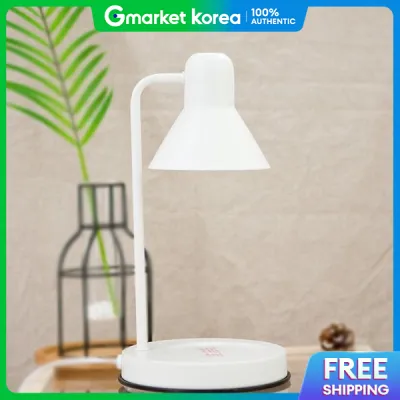
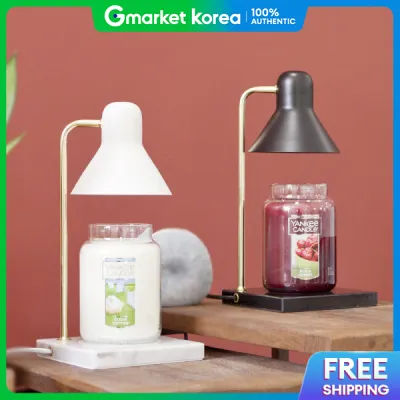
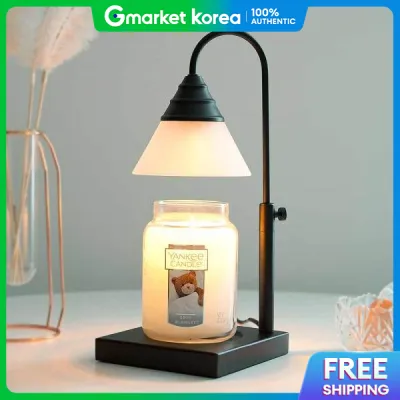
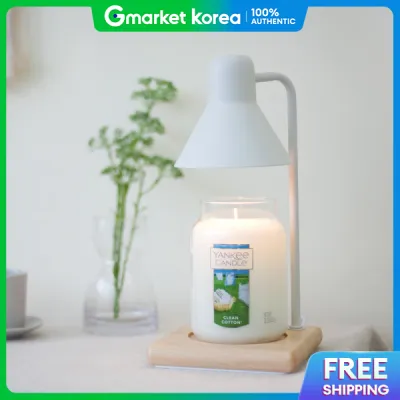
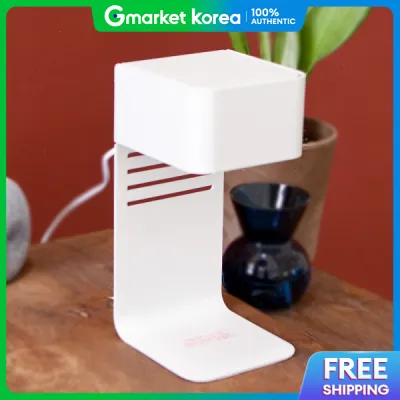
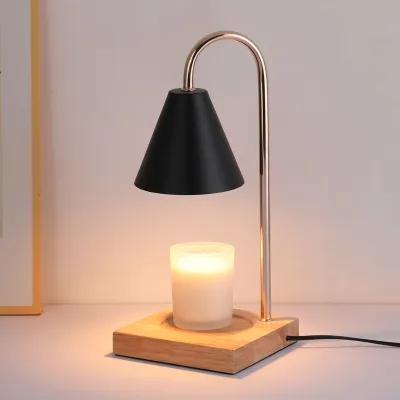
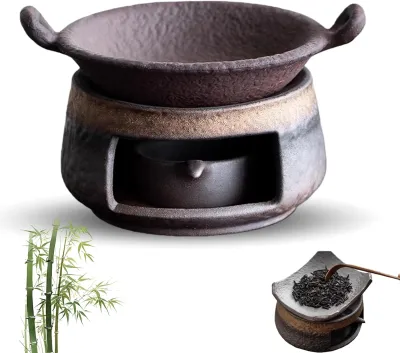
Prices are valid at publication and may change. Please refer to the product page for the latest price.
For top-down lantern or lamp-style warmers, the clearance height—the distance between the bottom of the halogen bulb and the top of the candle jar—is equally vital. If a candle jar is too tall for the warmer’s frame, the bulb will sit too close to the wax surface, which can overheat the glass container, degrade the fragrance oils too rapidly, or create an electrical hazard. Conversely, if the candle jar is too short, the heat from a fixed-height lamp may not reach the wax surface effectively, preventing the candle from melting completely and reducing the strength of the scent throw.
To solve these height discrepancies, look for candle warmer sets that feature adjustable necks or integrated risers. An adjustable stand allows you to customize the distance between the bulb and the wax surface, accommodating both tall luxury jars and short, compact votives. If you use a fixed-height warmer, placing a stable, heat-resistant riser under shorter candles can help bring the wax surface closer to the heat source for a more efficient melt.
Additionally, you must consider the bulb wattage and overall heat output of the warmer. Most top-down candle warmers utilize GU10 halogen bulbs, typically rated at 35 watts or 50 watts. A 50-watt bulb provides a higher heat output, which is highly effective for melting larger candle jars or harder wax blends, such as paraffin. A 35-watt bulb offers a gentler heat source, making it ideal for smaller jars or softer waxes, such as soy or coconut blends, which have lower melting points. Always verify the maximum wattage rating of your warmer fixture before replacing a bulb to prevent overheating the electrical components.
Adjusting Heat Output for Different Scent Profiles
Different fragrance notes in aromatherapy candles react uniquely to heat, meaning that a fixed temperature may not deliver the best results for every scent profile. Aromatherapy candles are often formulated with complex layers of essential oils and fragrance compounds, which volatilize at varying temperatures. Utilizing a candle warmer set with an adjustable dimmer switch allows you to customize the heat output to match the specific scent profile of your candle.

Top Notes (Citrus, Light Florals, and Herbs): Light, volatile scents such as bergamot, eucalyptus, lavender, and lemon have low boiling points and evaporate quickly when exposed to high heat. If you melt these candles under maximum heat, the top notes will burn off rapidly, leaving the remaining wax pool with a significantly weakened scent. For these delicate aromatherapy blends, utilizing a lower dimmer setting preserves the subtle fragrance molecules, allowing them to disperse gently and last much longer.
Base Notes (Woods, Resins, Vanilla, and Amber): Heavy, dense fragrance molecules such as sandalwood, patchouli, frankincense, and vanilla require sustained, higher temperatures to break their bonds with the wax and volatilize into the air. If the heat output is too low, these scents may struggle to disperse, resulting in a very weak fragrance throw. For candles dominated by rich base notes, a higher heat setting is necessary to create a deep, fully melted wax pool that releases the heavy scent molecules effectively.
Dimmer Switches vs. Fixed Heat: Choosing a candle warmer set with an integrated dimmer switch provides a distinct advantage over fixed-heat models. As your candle melts over multiple sessions and the wax level gradually drops further down the jar, the distance between the bulb and the wax surface increases. A dimmer switch allows you to gradually increase the bulb’s brightness and heat output over time, compensating for the increased distance and ensuring a consistent, even melt pool throughout the entire lifespan of the candle.
Conditional Guide: Matching Warmer Styles to Candle Formats
To achieve the best performance, you should match the style of your candle warmer set to the specific format and size of the aromatherapy candles you burn most frequently. Different container shapes and wax volumes require distinct heating methods to ensure safety and efficiency.
For Large Multi-Wick Jars: Large candles with multiple wicks typically feature wide diameters, often exceeding 9 centimeters. To melt these wide surface areas evenly, you should choose a robust lantern or tall lamp-style warmer equipped with a wide base plate and a 50-watt halogen bulb. The wide heat distribution from a powerful top-down bulb ensures that the entire surface of the wax melts simultaneously, preventing “tunneling” where only the center of the candle liquefies.
For Standard Single-Wick Jars: Medium-sized, single-wick jars are highly common among popular aromatherapy brands. These candles pair exceptionally well with mid-height dome warmers or standard top-down lamps. A 35-watt to 50-watt bulb provides the perfect balance of heat to melt the medium-sized wax pool without overheating the glass. Alternatively, a high-quality bottom-up heating plate can be used, provided the candle jar has a completely flat bottom to ensure direct thermal contact.
For Small Tins and Votives: Small travel tins and votive candles contain a low volume of wax and can overheat very quickly. For these formats, avoid high-wattage top-down lamps, as metal tins conduct heat rapidly and can become dangerously hot to the touch. Instead, opt for a low-wattage mini lamp (25 to 35 watts) or a compact bottom-up plate warmer. These gentler heat sources prevent the small wax volume from overheating and rapidly depleting its fragrance oils.
Aesthetic and Material Considerations: Beyond technical compatibility, matching the design and materials of your warmer to the aesthetic of your candle brands enhances your home decor. Warmers crafted from natural wood, marble, or ceramic complement the minimalist, organic packaging of premium soy and essential oil candles. Sleek metal or matte black lantern warmers pair beautifully with modern, apothecary-style jars, creating a cohesive visual display on your shelves or side tables.
Safety, Setup, and Maintenance Checks
Operating an electrical candle warmer set requires adhering to basic electrical and thermal safety guidelines to protect your home and preserve your candles. Because warmers generate concentrated heat, proper placement and regular maintenance are essential.
First, ensure proper clearance and heat dissipation around the device. Place your candle warmer on a flat, stable, and heat-resistant surface, such as stone, ceramic, or treated wood. Avoid placing the warmer near flammable materials, including curtains, paper, loose fabrics, or delicate wooden finishes. Maintain at least 10 to 15 centimeters of open space around the warmer to allow heat to dissipate safely into the room.
Second, manage the wax pool correctly. Unlike traditional burning, where the flame consumes both the wick and the wax, an electric candle warmer only evaporates the fragrance oils. The physical volume of the wax will remain completely unchanged even after the scent has fully dissipated. Once you notice that the melted wax pool no longer emits a fragrance, you must remove the scent-depleted top layer. Allow the wax to cool slightly so it is warm but still liquid, then carefully pour the top layer into a disposable container or absorb it using cotton balls. Never pour liquid wax down a household sink drain, as it will solidify and cause severe plumbing blockages.
Finally, perform routine electrical safety checks. In Singapore, household electricity operates at a standard voltage of 230V and a frequency of 50Hz. When purchasing a candle warmer set, verify that the appliance is rated for this voltage and features a compatible, certified plug. Inspect the power cord regularly for any signs of fraying, cracking, or damage, and avoid overloading power strips by plugging the warmer directly into a wall outlet when possible. To prevent overheating, never leave a candle warmer running unattended, and limit your melting sessions to a maximum of 3 to 4 hours at a time.
Frequently Asked Questions (FAQ)
Can I use a candle warmer set with any aromatherapy candle brand?
While most standard glass-jar aromatherapy candles are compatible with candle warmers, you must always verify the container material and shape before use. Only use candles housed in heat-resistant glass, ceramic, or metal containers. Avoid using candles in plastic cups, thin novelty glassware, or highly irregular shapes that cannot sit flat on the warmer’s base. Additionally, keep in mind that different wax types have varying melting points. Soy, coconut, and apricot waxes melt at lower temperatures, making them highly responsive to low-wattage warmers. Beeswax and hard paraffin blends have much higher melting points and will require a stronger, top-down halogen heat source to melt effectively.
Do candle warmers make aromatherapy candles last longer?
Yes, using a candle warmer set generally extends the lifespan of your aromatherapy candles compared to burning them with an open flame. Because a warmer melts the wax gently from the top down without burning the wick, the fragrance oils are released at a slower, more controlled rate. This prevents the rapid scent burnout that often occurs with high-temperature flames. However, remember that while the fragrance experience lasts longer, the physical wax does not disappear. You will still need to periodically pour off the scent-depleted top layer of wax to expose the fresh, highly scented wax underneath.
Community discussion
Share your experience or ask a question. Comments are reviewed before publication.