
When purchasing a capybara figurine, you should look closely at the material durability, paint application, base stability, and how well the piece fits your specific display environment. A high-quality figurine should not only capture the charming, relaxed essence of the world’s largest rodent but also withstand the ambient conditions of your home. By evaluating structural details and material characteristics before buying, you can avoid common pitfalls like peeling paint, unstable bases, or moisture damage. This guide outlines the essential quality indicators, material trade-offs, and practical checks to help you choose a capybara figurine that remains a delightful and durable addition to your decor.
Define Your Display Environment and Space Constraints
Before browsing online marketplaces or local decor boutiques, you must evaluate the exact physical space where your new figurine will reside. Capybara figurines are crafted in a vast range of sizes, from miniature three-centimeter desk charms to substantial half-meter floor statues. Taking precise measurements of your shelving depth, desk surface, or display cabinet height prevents the disappointment of a piece that either crowds your room or gets visually lost among larger decor items. If you are placing the figurine on a floating shelf, also note the weight limits of your wall mounts, as solid stone or ceramic statues can be surprisingly heavy.
The ambient conditions of your room are equally critical, particularly in Singapore’s tropical climate. High average indoor humidity can severely affect certain materials, causing unsealed organic elements to warp or degrade over time. If your display area is near a window that receives intense, direct afternoon sunlight, ultraviolet rays will accelerate the fading of painted surfaces and cause low-grade plastics to become brittle. Identifying these environmental factors beforehand allows you to filter out materials that are poorly suited to your room’s microclimate.
Products mentioned in this guide

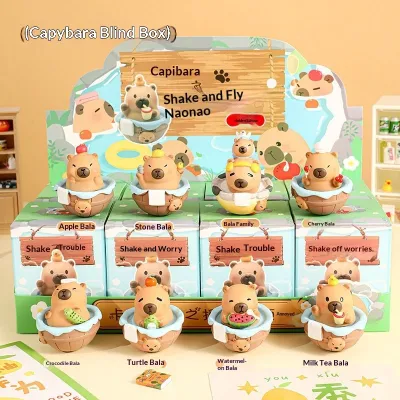
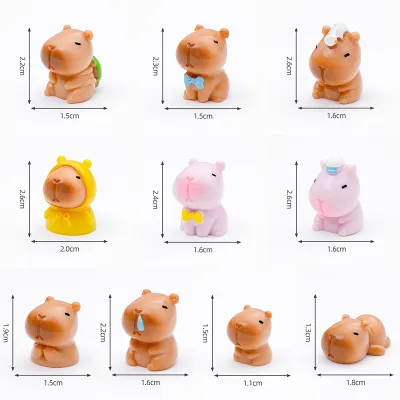
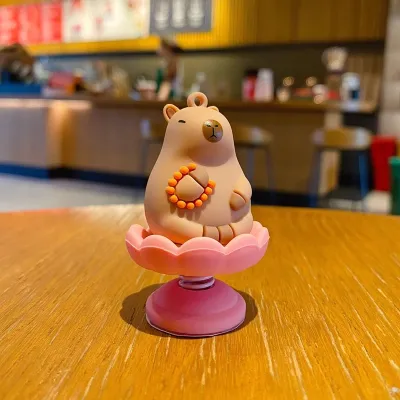
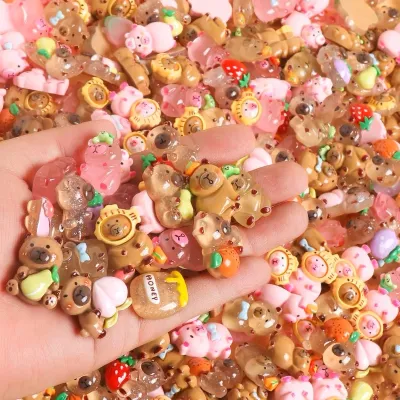
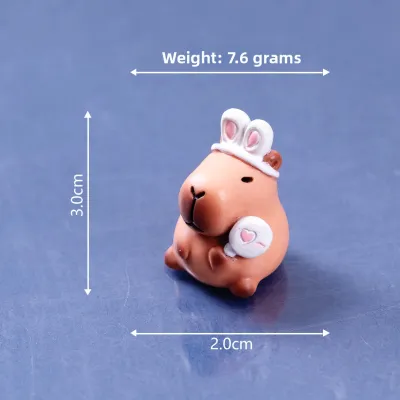
Prices are valid at publication and may change. Please refer to the product page for the latest price.
You must also distinguish clearly between indoor and semi-outdoor display settings. If you plan to place your capybara figurine on a balcony, patio, or within a garden landscape, standard indoor decorative pieces will not suffice. Outdoor environments expose the figurine to rain, wind, and constant UV exposure. For these areas, verify that the manufacturer explicitly rates both the base material and the exterior paint or sealant for outdoor weather resistance. Assuming an indoor resin or ceramic piece can withstand outdoor elements often leads to rapid cracking, peeling, and structural failure.
Compare Common Materials for Durability and Aesthetics
The material of your capybara figurine dictates its weight, texture, visual appeal, and long-term durability. Understanding the characteristics of each common medium helps you select a piece that aligns with both your aesthetic preferences and your practical lifestyle needs.

Resin and Polyresin
Resin is one of the most versatile and popular materials for collectible figurines because it allows for incredibly intricate molding. This material can capture fine details like simulated fur textures, expressive facial lines, and complex poses that are difficult to achieve in other mediums. When inspecting a resin figurine, look for a uniform cast with a smooth, solid feel. While resin is highly durable and resistant to moisture, its painted outer layers can still chip or scratch if the piece is dropped onto hard flooring or knocked against other objects. It is an excellent choice for detailed indoor displays where handling is minimal.
Ceramic and Porcelain
Ceramic and porcelain figurines offer a classic, premium aesthetic characterized by their substantial weight and refined surface finishes. These pieces can feature either a brilliant, high-gloss glaze or a subtle, modern matte finish. When selecting ceramic, examine the surface carefully under good lighting to check for hairline cracks, pinholes in the glaze, or uneven pooling of color in the crevices. Because ceramic is highly fragile, it should be reserved for secure, low-traffic areas where it is safe from accidental bumps.
Natural Wood
Wooden figurines bring a warm, organic, and rustic charm to a room, with each piece showcasing unique grain patterns. However, wood is highly sensitive to atmospheric moisture. When buying a wooden capybara figurine, check the product description to ensure the wood has been thoroughly dried, sanded, and treated with a protective sealant. A high-quality sealant prevents the wood from absorbing humidity, which can lead to swelling, cracking, or mold growth. Verify whether the wood is a dense hardwood or a softer variety, as hardwoods offer better resistance to accidental dents.
Plush and Fabric-Blended Materials
For a softer, more whimsical, or cartoonish look, fabric-blended and plush figurines are highly popular. These pieces are excellent for cozy spaces like bedrooms or children’s study desks. When evaluating a fabric figurine, pay close attention to the density of the stitching and the quality of the seams to ensure there is no loose stuffing escaping. If the figurine is designed to stand in a specific pose, check if the manufacturer has integrated an internal wireframe or metal armature to maintain its shape over time.
Material Verification
Always rely on the manufacturer’s official material specifications and care labels rather than making assumptions based on product titles or general category names. Online listings can sometimes use misleading terms like “ceramic-style plastic” or “wooden-look resin.” Verifying the actual composition ensures you do not inadvertently buy a material that is incompatible with your home environment or cleaning routine.
Inspect Craftsmanship, Paint, and Structural Details
Once you have narrowed down your material choice, you must evaluate the execution of the figurine’s design. High-quality craftsmanship separates a refined collector’s piece from a cheap mass-produced novelty.
Paint Application and Surface Finish
The quality of the paint application is often the most visible indicator of overall craftsmanship. Examine the boundaries where different colors meet; these lines should be clean, sharp, and free from bleeding or messy overlaps. Pay close attention to the facial features, particularly the eyes, nostrils, and snout, as even minor paint misalignment can give the capybara an awkward or unintended expression. The finish—whether matte, satin, or high-gloss—should be applied evenly across the entire surface without any visible drips, bare spots, or trapped dust particles beneath the coat.
Mold Lines and Seams
During the manufacturing of resin, plastic, and ceramic figurines, liquid material is poured into multi-part molds, which naturally leaves seams where the mold pieces join. High-quality manufacturers take the time to hand-sand or chemically smooth these mold lines before painting. When evaluating a figurine, look closely along the sides, legs, and underbelly. Prominent, raised seams or rough ridges indicate a rushed production process and lower quality standards. A premium figurine should present a seamless, continuous surface from almost every viewing angle.
Proportions and Design Intent
Capybaras possess a highly distinct anatomy, characterized by a heavy, barrel-shaped body, a blunt, squared snout, small ears, and eyes set high on the head. Before purchasing, decide whether you prefer a realistic anatomical representation or a stylized, cute interpretation. If you are buying a realistic piece, check that these natural proportions are accurately maintained. If you prefer a stylized or “chibi” design, ensure that the exaggerations look intentional, balanced, and aesthetically pleasing, rather than appearing as a result of poor sculpting or manufacturing errors.
Surface Texture Consistency
The tactile feel of a figurine should match its visual design. If the capybara figurine features a sculpted fur texture, run your fingers gently over the surface to ensure the texture is consistent and free from sharp, unfinished points. For smooth-finished figurines, check for any unexpected rough patches or tiny craters. These surface imperfections are often caused by air bubbles trapped in the mold during casting, which can weaken the structure and ruin the sleek aesthetic of the piece.
Assess Stability and Base Design for Safe Placement
A beautiful figurine is of little use if it constantly tips over or poses a hazard to surrounding decor. Assessing the physical stability of the piece is essential, especially if you live in a household with active pets, young children, or high foot traffic.
Base Footprint and Weight Distribution
Because capybaras have an elongated, low-slung body shape, figurines depicting them can sometimes suffer from uneven weight distribution. If the legs are sculpted too close together or if the body is hollowed out unevenly, the figurine may have a high center of gravity, making it prone to tipping forward or rolling sideways. Look for designs that feature a wide, flat footprint where all four feet make solid contact with the surface, or pieces that are mounted on an integrated platform. A heavy, solid bottom significantly lowers the center of gravity, ensuring the figurine remains securely upright even if the shelf is lightly bumped.
Integrated versus Separate Bases
Many figurines are cast as a single, continuous piece, which inherently provides the best structural integrity. However, some designs feature a capybara figure attached to a separate base made of wood, stone, or acrylic. If you are considering a multi-piece assembly, inspect the joint where the figurine meets the base. There should be no visible gaps, excess adhesive squeeze-out, or wobbling. A loose joint will degrade quickly over time, potentially causing the figurine to detach and fall.
Surface Protection Features
You must also consider how the underside of the figurine’s base interacts with your furniture. Rough, unglazed ceramic, raw stone, or unfinished resin can easily scratch polished wood shelves, glass tabletops, or lacquered surfaces. Examine the bottom of the base to see if it has been ground completely smooth or if the manufacturer has pre-applied protective felt, rubber, or foam pads. If the bottom is rough and lacks protection, plan to purchase and apply your own adhesive felt pads before placing the figurine on any delicate surfaces.
Plan for Routine Care and Maintenance
To preserve the vibrant colors and structural integrity of your capybara figurine, you must establish a gentle and consistent cleaning routine. Proper maintenance prevents the buildup of dust and grime, which can dull finishes and damage delicate materials over time.
Dusting Techniques
Regular dusting is the most effective way to keep your figurine looking pristine. For highly textured surfaces, such as sculpted fur or intricate crevices, a soft, dry microfiber cloth or a clean, soft-bristled makeup brush is ideal. These tools gently lift dust away without snagging on delicate details. Avoid using abrasive scrubbing sponges, stiff brushes, or rough paper towels, as these can leave micro-scratches on glossy glazes, painted resin, or polished wood finishes.
Safe Cleaning Methods
If your figurine accumulates fingerprints, smudges, or sticky residue, use a highly gentle cleaning approach. For sealed resin, glazed ceramic, or glass pieces, a slightly damp microfiber cloth is usually all that is required to restore the shine. Avoid using harsh household chemical cleaners, window sprays, solvents, or alcohol-based sanitizers. These aggressive chemicals can strip away protective sealants, dissolve paint layers, or cause glossy surfaces to become permanently cloudy. Always prioritize the manufacturer’s specific care instructions if they are provided with the product.
Environmental Protection
Preventative care is just as important as physical cleaning. Keep your painted, wooden, and fabric-blended figurines away from areas that experience extreme temperature fluctuations or prolonged exposure to direct sunlight. Ultraviolet light is highly destructive to pigments and organic fibers, causing vibrant colors to fade and materials to dry out or warp. By maintaining stable indoor humidity levels and choosing a display spot away from air conditioning vents and sunny windows, you will ensure your capybara figurine remains a beautiful highlight of your home decor for many years.
Community discussion
Share your experience or ask a question. Comments are reviewed before publication.