
Choosing the right compact incense burner holder for a small HDB flat requires balancing space-saving design with strict safety practices. In compact living environments, every square centimeter of surface area matters, and smoke or ash must be carefully managed to maintain indoor air quality. By focusing on precise physical dimensions, effective ash containment, and heat-resistant materials, you can enjoy aromatherapy safely without cluttering your home. Selecting a holder that fits your specific spatial constraints ensures a peaceful, hazard-free environment.
Assessing Your Space and Safety Clearances
Before purchasing any incense accessory, measure the exact surface area where you plan to place it. Small HDB apartments often feature multi-functional furniture, narrow console tables, or compact wall shelves. A holder that overhangs even slightly poses a significant risk of being knocked over by passing household members, children, or pets. Taking precise measurements of your designated shelf or tabletop prevents purchasing an oversized item that compromises safety.
Safety clearances are paramount when dealing with open embers and hot ash. Maintain a clear zone of at least 30 to 50 centimeters around the burner, keeping it entirely free from flammable items such as curtains, books, synthetic fabrics, or loose papers. Avoid placing the holder near high-traffic pathways, such as entryways, narrow corridors, or busy kitchen counters, where physical contact is highly likely. A dedicated, low-traffic zone minimizes the risk of accidental bumps.
Products mentioned in this guide
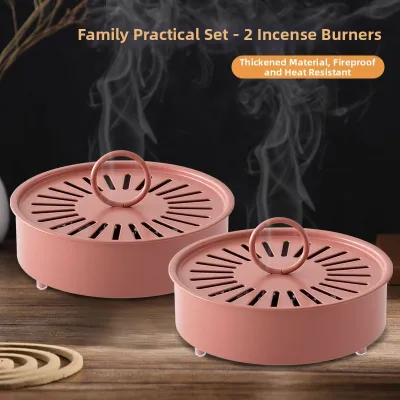
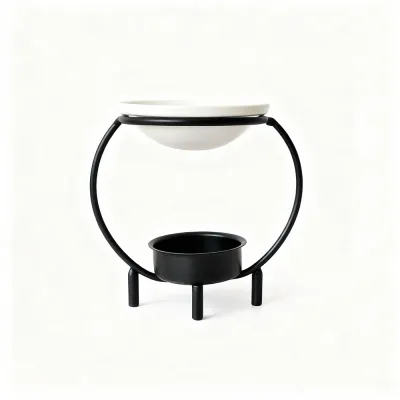
Prices are valid at publication and may change. Please refer to the product page for the latest price.
Airflow patterns in typical Singapore apartments require careful observation. While open windows and ceiling fans help disperse smoke, strong drafts can cause incense to burn too quickly or scatter hot ash onto nearby surfaces. Position your holder in a well-ventilated room but away from direct air currents, ensuring the smoke can rise and dissipate gently without creating concentrated pockets of indoor air pollution. Proper ventilation helps maintain a fresh atmosphere without disrupting the burning process.
Evaluating Compact Designs and Ash Management
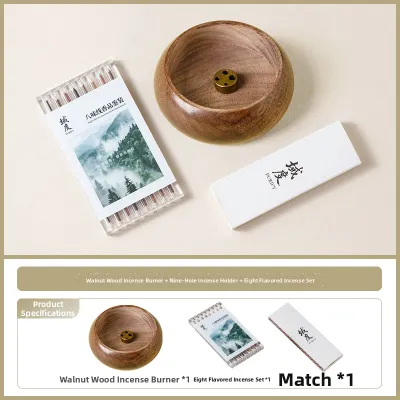
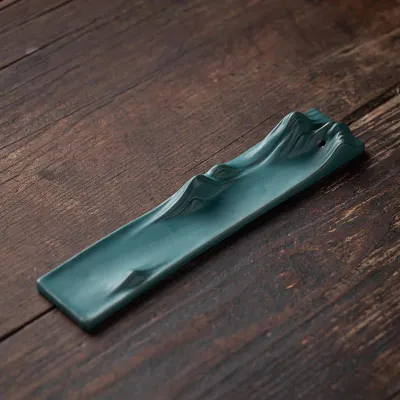
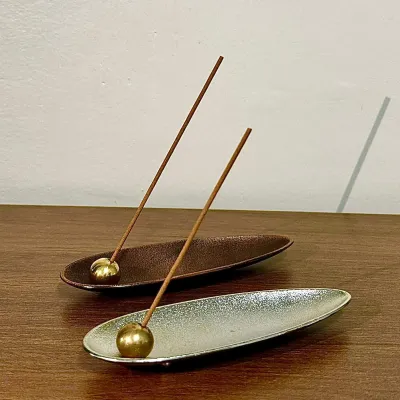
The physical footprint of your incense holder determines how well it integrates into limited spaces. Linear trays, often called boat holders, are ideal for narrow windowsills or long, slim shelves because they utilize length rather than depth. Circular bowls or vertical tower burners work exceptionally well in tight corners or small bedside tables where a square or rectangular tray might protrude. Choosing a shape that matches your furniture’s geometry maximizes usable space.

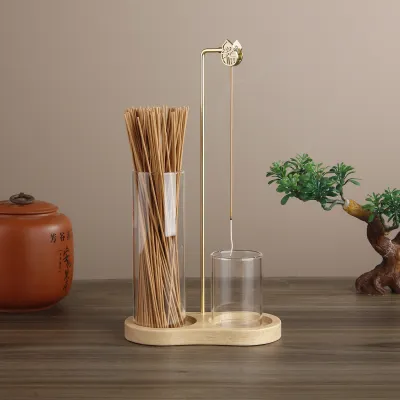
Ash management is a critical factor in small rooms where dust and debris accumulate quickly. Enclosed designs, such as vertical incense boxes, tower burners, or holders with perforated lids, are highly effective at containing ash. These designs prevent light drafts from blowing fine particles across your living space, keeping your furniture clean and reducing cleanup time. An enclosed holder also conceals the burning stick, which can be visually cleaner in minimalist decors.
Minimalist and multi-functional designs help maintain an uncluttered aesthetic in compact homes. Look for holders that can accommodate multiple types of incense, such as sticks, cones, or coils, within a single compact unit. This versatility eliminates the need to store multiple specialized accessories, keeping your living environment organized and visually serene. A single, well-designed multi-holder is far more practical than several single-purpose trays.
Choosing Heat-Resistant Materials for Indoor Use
Selecting the right material is essential for both durability and fire safety. Ceramic is a highly popular choice for indoor use due to its excellent heat insulation and structural stability. Heavy ceramic holders resist tipping and prevent heat from transferring directly to the underlying furniture surface. They are also non-porous, making them easy to wipe clean after use.
Metal holders, typically made of brass, copper, or cast iron, offer exceptional durability and a very small physical footprint. However, metal conducts heat rapidly, meaning the base of the holder can become extremely hot during use. Always verify that a metal holder features raised feet, a hollow base, or a protective insulating pad to prevent scorching your tabletop. Never place a hot metal holder directly onto delicate wood or laminate surfaces.
Stone holders, such as those carved from soapstone or marble, provide natural weight and stability, making them highly resistant to accidental tipping. Regardless of the material you choose, always inspect the product labels and manufacturer specifications to confirm the item is rated for indoor use and can withstand sustained high temperatures without cracking or degrading. Avoid cheap, unrated plastic or low-quality composite materials that can melt or release toxic fumes when exposed to heat.
Safe Placement and Maintenance in Small Rooms
Proper placement goes beyond finding an empty spot; it requires a stable, level, and heat-resistant surface. Avoid placing your incense holder on delicate wood finishes, plastic surfaces, or unstable shelving units. If you must place the holder on a sensitive surface, use a non-flammable coaster, ceramic tile, or trivet as an extra protective barrier. Ensuring the surface is perfectly level prevents the holder from sliding or tipping.
Establishing a regular maintenance routine is vital for keeping your compact burner safe and functional. Empty the accumulated ash after every few uses, as a buildup of loose debris can spill over or smother subsequent incense sticks. Wipe down the holder periodically with a damp cloth to remove sticky resin residues, which can become flammable if allowed to accumulate over time. Regular cleaning also preserves the aesthetic appeal of your holder.
Regularly inspect your incense holder for physical signs of wear and tear. Look for hairline cracks in ceramic, discoloration or warping in metal, or structural instability in stone bases. If you notice any degradation, stop using the holder immediately and replace it to prevent accidental breakage or heat transfer issues. Taking proactive care of your aromatherapy accessories ensures a safe and pleasant home environment.
Frequently Asked Questions (FAQ)
Can I use a backflow incense burner in a small, air-conditioned room?
Backflow incense burners rely on heavy, cool smoke cascading downward, which requires completely still air to function correctly. In a small room with active air conditioning or ceiling fans, the resulting drafts will disrupt the delicate flow, causing the smoke to scatter chaotically rather than pool beautifully. If you choose to use a backflow burner, turn off any fans or air conditioning units temporarily, and ensure there is adequate overhead clearance to prevent smoke buildup near smoke detectors.
What is the safest way to clean a compact metal incense holder?
To clean a compact metal holder safely, always refer to the manufacturer’s specific care instructions first to avoid damaging any protective coatings or finishes. Generally, you can remove loose ash with a soft-bristled brush, followed by a gentle wipe using a microfiber cloth dampened with warm, soapy water. Avoid using harsh chemical solvents or abrasive scrubbing pads, which can scratch the metal; if stubborn resin remains, consult the manufacturer for approved cleaning methods.

Community discussion
Share your experience or ask a question. Comments are reviewed before publication.