
Finding a compatible refill for your Pristine diffuser requires matching the specific diffusion technology of your device with the correct oil viscosity and formulation. While using official Pristine refills ensures seamless operation, many users seek alternative essential oils or fragrance refills to expand their scent library or manage costs. To do this safely, you must understand how your diffuser processes liquids, as using the wrong oil can clog delicate ultrasonic plates, degrade plastic water tanks, or emit an unpleasant, burnt aroma.
By verifying your device’s specifications, evaluating the chemical properties of third-party oils, and recognizing early warning signs of incompatibility, you can enjoy a wide variety of aromas without compromising your diffuser’s lifespan. Taking a systematic approach to choosing refills protects your investment and ensures a consistent, pleasant scent experience in your home.
Understanding Your Pristine Diffuser's Specifications
Before purchasing any third-party refill, you must identify the specific technical and material requirements of your exact diffuser model. Diffusers are not universal appliances; different models utilize entirely different mechanisms to disperse scent into the air. Locating the user manual or checking the manufacturer label on the bottom of the device is the essential first step to finding explicit oil restrictions, recommended refill types, or proprietary cartridge requirements.
Products mentioned in this guide

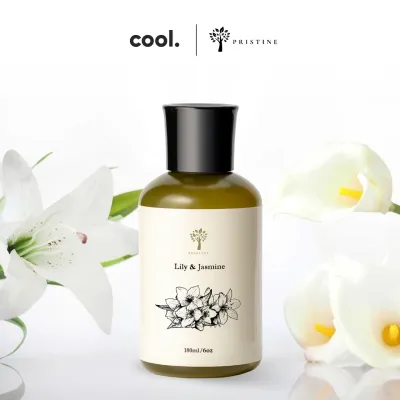

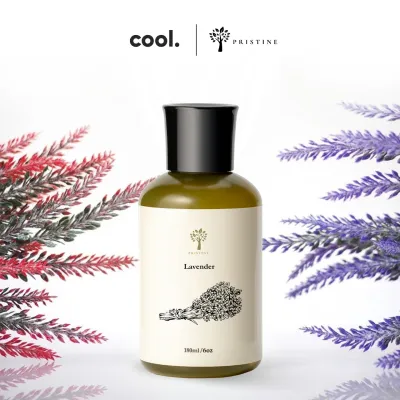


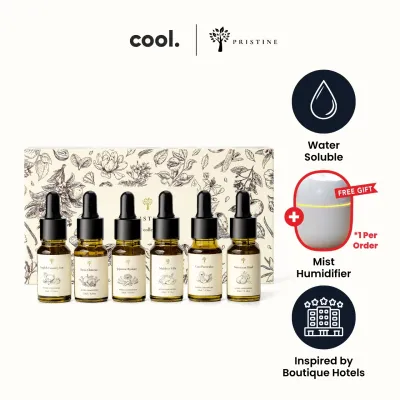

Prices are valid at publication and may change. Please refer to the product page for the latest price.
The mechanism of your diffuser dictates the required oil viscosity and purity. Ultrasonic diffusers, which are highly common in modern homes, use a small ceramic disc vibrating at high frequencies to turn a mixture of water and oil into a fine, cool mist. These systems require light, easily dispersible oils that can mix with water.
In contrast, nebulizing diffusers do not use water at all. Instead, they use pressurized air to atomize pure essential oil directly from the bottle. Because nebulizers force the oil through extremely narrow micro-nozzles, they are highly sensitive to oil thickness. Thick, heavy oils will quickly clog a nebulizer, rendering the device inoperable.
Another critical factor is the material of the water tank or reservoir. High-quality diffusers typically use specialized plastics like polypropylene (PP), which are highly resistant to chemical corrosion. However, some standard plastics can react negatively to highly concentrated essential oils, particularly citrus oils like lemon, orange, or bergamot, as well as strong spice oils like cinnamon or clove. Over time, these oils can chemically degrade standard plastics, leading to cloudiness, cracking, or leaks. Checking your manual will confirm whether your device’s tank is rated to handle these potent botanical extracts.
Evaluating Essential Oil Refills for Compatibility
To prevent device damage, you must carefully assess potential refill options based on their chemical formulation and physical properties. Not all liquids labeled as “aroma oils” or “essential oils” are created equal, and understanding the distinctions between them is key to maintaining a functional diffuser.

Pure essential oils are 100% natural plant extracts. They are highly concentrated and generally suitable for both ultrasonic and nebulizing diffusers, provided they are not naturally viscous. However, some pure essential oils, such as vetiver, patchouli, sandalwood, and myrrh, are naturally thick and resinous. These should be avoided or used with extreme caution, as they do not vaporize easily and can leave a stubborn, sticky residue.
Fragrance oils, on the other hand, are synthetic aromatic compounds. They are often diluted with carrier solvents to make them suitable for specific applications, such as candle making or reed diffusers. Reed diffuser refills, for example, are formulated to travel up porous reeds via capillary action and often contain heavy solvents or alcohol bases. These formulations should never be used in ultrasonic or nebulizing diffusers, as the synthetic carriers can damage the internal components and release harmful fumes when heated or atomized.
Water-soluble blends are synthetic or natural oils that have been treated with emulsifiers, such as polysorbate. These emulsifiers allow the oil to disperse completely and evenly throughout water rather than floating on the surface. Water-soluble oils are highly recommended for ultrasonic diffusers because they minimize the buildup of oily residue on the water tank walls and the vibrating ceramic plate, making cleanup much easier.
When shopping for third-party refills, always review the ingredient list carefully. Avoid any products that contain thick carrier oils, such as jojoba oil, sweet almond oil, coconut oil, or grapeseed oil. While these carrier oils are excellent for topical skincare applications, they do not vaporize. Instead, they will coat the ultrasonic plate or clog the nebulizer nozzle, suffocating the mechanism and causing the motor to overheat.
Risks and Warning Signs of Incompatible Refills
Recognizing the early physical indicators of incompatibility can save your diffuser from permanent damage. If you decide to experiment with alternative refills, you must monitor your device closely during and after operation.
The most common warning sign of a clogged mechanism is a sudden reduction in mist output. If you notice that the mist has become thin, weak, or barely visible, or if the device is sputtering and bubbling excessively, a thick oil has likely coated the ultrasonic transducer or blocked the nebulizer nozzle. This buildup prevents the device from vibrating or atomizing the liquid efficiently.
Unusual noises are another clear indicator of distress. If your diffuser begins to make a strained, high-pitched humming sound, or if the motor sounds louder than usual, it is struggling to process the liquid. Operating a struggling motor for extended periods can lead to electrical overheating and permanent motor failure.
You should also inspect the water tank regularly for structural changes. If the plastic walls of the reservoir appear cloudy, discolored, or feel sticky to the touch, the synthetic fragrances or acidic essential oils in your refill are actively degrading the plastic. In severe cases, this chemical reaction can cause the tank to develop fine cracks, leading to slow leaks that can damage your furniture or seep into the electrical base of the unit.
Finally, keep in mind the financial risks associated with third-party refills. While purchasing a cheaper alternative might save you S$10 to S$20 upfront, using unauthorized or incompatible liquids typically voids the manufacturer’s warranty. If the device suffers structural or electrical damage as a result of an incompatible refill, you will be responsible for the full cost of replacing the unit. Weighing these potential replacement expenses against minor short-term savings is an important part of the decision-making process.
Safe Testing and Routine Maintenance Practices
To safely expand your scent options without risking your device, you should establish a strict testing protocol and a disciplined maintenance routine. Taking these precautionary steps ensures that any minor compatibility issues are caught before they cause permanent damage.
Whenever you introduce a new brand or type of refill to your diffuser, perform a small-batch test. Instead of filling the water tank to its maximum capacity and adding a standard dose of oil, fill the tank only halfway and add just one or two drops of the new oil. Run the diffuser on a short timer cycle—ideally 15 to 30 minutes—in a well-ventilated room. During this test, closely observe the quality of the mist and listen for any unusual motor sounds. Once the cycle is complete, empty the tank and inspect the interior for any oily residue, separation, or changes to the plastic surface.
A strict cleaning schedule is the single most effective way to prolong the life of your diffuser, especially when experimenting with third-party refills. For ultrasonic models, you should empty and wipe down the water tank after every few uses to prevent oil buildup. Once a week, perform a deep clean. Fill the tank halfway with clean water and add a teaspoon of white vinegar. Run the diffuser for 5 to 10 minutes to allow the vinegar to break down any mineral deposits and oil residues inside the mechanism.
After running the vinegar cycle, empty the tank and use a soft cotton swab dipped in rubbing alcohol or white vinegar to gently clean the delicate ultrasonic plate at the bottom of the reservoir. Be extremely gentle, as scratching this plate can permanently ruin the device’s ability to create mist. Rinse the tank thoroughly with clean water and dry it completely with a soft microfiber cloth before your next use. Always consult your user manual first to ensure that vinegar or alcohol are approved cleaning agents for your specific model.
If you encounter persistent blockages, electrical faults, or structural damage to the tank that cannot be resolved through standard cleaning, stop using the device immediately. Unplug the unit from the wall outlet to prevent any electrical hazards. Do not attempt to force sharp objects into the nebulizer nozzle or disassemble the electrical base, as this can cause further damage or create safety risks. Instead, contact the manufacturer’s customer support team or a qualified technician for professional guidance.
Frequently Asked Questions (FAQ)
Can I use water-soluble fragrance oils in my Pristine diffuser?
Yes, water-soluble fragrance oils are generally compatible with ultrasonic Pristine diffusers. These oils are specially formulated with emulsifiers that allow them to mix completely with water, preventing the oil from separating and floating on the surface. This even distribution helps reduce the buildup of sticky residue on the water tank walls and the vibrating ceramic disc. However, you must verify if your specific model’s manual permits synthetic fragrance oils, as some lower-grade plastic reservoirs can still experience chemical degradation from certain synthetic aromatic compounds over time.
How many drops of essential oil should I add per refill?
The correct number of drops depends entirely on the water capacity of your specific Pristine diffuser model and the guidelines provided in your user manual. There is no universal standard, as water tanks can range from 100ml to over 500ml. For a standard 100ml capacity, starting with a lower concentration of 3 to 5 drops is highly recommended when testing a new oil brand or a highly concentrated scent profile. This cautious approach allows you to evaluate the scent throw in your living space without overwhelming your senses or overloading the diffuser’s vibrating plate with excess oil.
Will using third-party essential oils void my Pristine warranty?
Using third-party essential oils does not automatically void your warranty, but any damage caused directly by an incompatible or improperly maintained third-party consumable will not be covered. Manufacturer warranties typically protect against defects in materials and workmanship under normal, approved usage conditions. If a technician determines that your diffuser failed due to a clogged motor from a thick carrier oil, or a melted tank from an incompatible synthetic solvent, the repair or replacement costs will not be covered. Always review the specific warranty terms provided with your exact model and keep your purchase receipts handy.
Community discussion
Share your experience or ask a question. Comments are reviewed before publication.