
Selecting the right covered diya lamp for a Buddhist altar requires balancing spiritual devotion with practical home safety. In modern living environments, such as high-rise apartments where space is optimized and altars are often integrated into multi-functional living areas, choosing a lamp with a protective cover is highly practical. A covered design ensures that the sacred flame or light source remains stable, shielded from sudden drafts, and safely isolated from nearby offerings like incense, paper scriptures, or decorative fabrics. To find the ideal model, you must evaluate key features including heat-resistant materials, proper ventilation design, physical stability, and the choice between traditional oil and modern electric light sources. By understanding these technical specifications, you can maintain a serene worship space that honors tradition while protecting your home. A well-chosen lamp not only enhances the aesthetic harmony of your sacred space but also provides peace of mind during extended periods of contemplation.
Why Use a Covered Diya Lamp on Your Altar
The primary motivation for choosing a covered diya lamp over an open-flame alternative is safety and environmental control. In a home setting, air currents from air conditioning units, ceiling fans, or open windows can easily cause an open flame to flicker violently or blow out entirely. A covered lamp, typically featuring a glass chimney or a perforated metal dome, shields the flame or bulb from these drafts. This protective barrier ensures a steady, continuous glow, which is essential for maintaining a peaceful and uninterrupted atmosphere during meditation or daily chanting sessions. Furthermore, the cover prevents dust, falling incense ash, and curious insects from entering the oil reservoir or contacting a hot bulb, keeping the altar area clean and reducing maintenance. It also contains any minor oil splatters that can occur when a wick crackles, protecting delicate altar cloths and wooden surfaces from staining.
Beyond environmental protection, a covered design acts as a critical safety barrier. Buddhist altars are traditionally adorned with various flammable items, including wooden statues, paper prayer books, fabric banners, and dried or fresh floral arrangements. An open flame presents a constant risk of accidental ignition if an item shifts or if someone reaches across the altar. A sturdy cover contains the heat and prevents direct contact between the flame and external objects. This containment is particularly vital for households with pets or young children, where accidental bumps to the altar furniture could otherwise lead to severe hazards.
Products mentioned in this guide
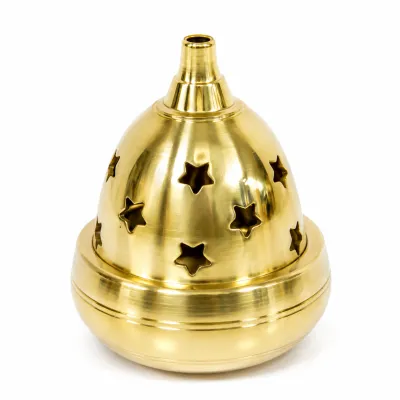

Prices are valid at publication and may change. Please refer to the product page for the latest price.
From a symbolic perspective, the preservation of light holds deep significance in Buddhist traditions. Light represents wisdom, clarity, and the dispelling of the darkness of ignorance. By placing a protective cover over the diya, practitioners symbolically express their commitment to guarding and nurturing wisdom within their minds. The steady, sheltered light serves as a visual reminder of mindfulness—remaining calm, focused, and undisturbed by the external winds of distraction and emotional turbulence.
Key Material and Design Features to Evaluate
When assessing covered diya lamps, the choice of material is paramount to ensuring long-term durability and safety. High-quality models utilize heat-resistant borosilicate glass for the chimney or cover, as this material can withstand rapid temperature changes without cracking. If you prefer metal components, look for solid brass, copper, or high-grade treated ceramics that do not degrade under continuous heat exposure. It is essential to verify the manufacturer’s temperature ratings and material specifications on the product label or packaging, ensuring the assembly is rated for the specific heat output of your chosen fuel or bulb. When inspecting glass components, look for a uniform thickness without air bubbles, which can indicate structural weaknesses prone to cracking under heat.

Ventilation is another critical design feature that directly impacts the performance of a traditional flame. A completely sealed cover will quickly starve a flame of oxygen, causing it to extinguish, while poor ventilation leads to incomplete combustion and rapid soot buildup on the glass. Look for designs that incorporate strategically placed air intake vents at the base and exhaust outlets at the top. This configuration creates a natural chimney effect, drawing in cool oxygen to feed the flame while allowing hot air and minimal combustion byproducts to escape smoothly. For electric models, ventilation is equally important to dissipate heat generated by the bulb or internal circuitry, thereby extending the lifespan of the components.
Base stability and weight distribution are crucial safety factors, especially on crowded or multi-tiered altar shelves. A top-heavy lamp is highly susceptible to tipping if the altar is accidentally jarred. Prioritize lamps with a wide, heavy base made of solid metal or dense ceramic that lowers the overall center of gravity. Some traditional designs feature weighted bases or non-slip silicone pads on the bottom to provide extra grip on polished wooden altar surfaces. Ensure the footprint of the base fits comfortably within the designated shelf space without hanging over the edges.
Finally, consider the ease of disassembly for routine maintenance. Over time, even the most efficient covered lamps will accumulate a layer of fine dust, oil residue, or light soot. A lamp that requires complex tools or excessive force to open is more likely to be damaged during cleaning. Look for models featuring slip-on glass chimneys, threaded metal collars, or hinged domes that allow you to easily separate the cover from the base. This accessibility ensures you can clean the glass and replenish the fuel or replace the bulb safely and quickly without disturbing the rest of the altar setup.
Traditional Oil vs. Electric: Choosing the Right Light Source
Deciding between a traditional oil-burning diya and an electric alternative involves weighing personal worship preferences against practical maintenance considerations. Traditional oil lamps, which typically burn ghee, sesame oil, or specialized non-toxic altar oils, offer an authentic and classic worship experience. When choosing a covered oil diya, pay close attention to the fuel capacity of the reservoir. A larger reservoir allows for longer burn times, reducing the need for frequent refills during extended prayer sessions. Additionally, look for adjustable wick holders that let you control the flame height, which is essential for managing heat levels and minimizing soot production under an enclosed cover.
Electric and LED covered diyas have gained popularity due to their convenience, low heat output, and enhanced safety profile. When selecting an electric model, you must verify voltage compatibility with your home’s electrical system. In Singapore, this typically means ensuring the device is rated for a 220V-240V AC grid. Check the cord management features, ensuring the power cable is robust, properly insulated, and of sufficient length to reach your wall outlet without tension. Access to the bulb interface is also critical; look for standard screw-in bases (such as E12 or E14) or easily replaceable LED modules so you can service the lamp without needing to replace the entire fixture. Standardized bulb bases ensure you can easily find replacement parts at local hardware stores or online marketplaces without specialized ordering.
The visual quality of the light plays a significant role in establishing a serene altar environment. Traditional oil flames emit a warm, natural flicker that many practitioners find deeply calming and conducive to meditation. While early electric models often produced a harsh, static light, modern LED diyas are available with sophisticated flicker effects that closely mimic a real flame. When choosing an electric bulb, consider the color temperature, which is a matter of personal preference. Warm white tones (around 2700K to 3000K) can create a soft, traditional, and inviting atmosphere, whereas cooler white tones may offer a brighter, modern aesthetic. Select the option that best supports your focus and devotion.
Safety Clearances and Placement Guidelines
Proper placement of your covered diya lamp is essential to prevent fire hazards and electrical risks on your altar. Even with a protective cover, the top of a burning lamp can become extremely hot. Always maintain the minimum clearance distances specified by the manufacturer between the lamp cover and any combustible materials, such as wooden altar panels, hanging fabric thangkas, paper scriptures, or artificial flowers. As a general safety guideline, keep a clear vertical space of at least 30 to 50 centimeters above the lamp, and at least 10 to 15 centimeters of horizontal clearance from surrounding objects, unless the manufacturer instructions state otherwise.
Electrical cord routing requires careful planning to maintain a safe and tidy altar space. Avoid running power cords across walkways where they could present a tripping hazard, which might pull the lamp off the altar. Keep all electrical wires well away from heat sources, such as incense burners, and separate them from water offering bowls to prevent short circuits or electrical shocks in the event of a spill. Utilizing cable clips or adhesive organizers along the back of the altar furniture can help keep cords neat, secure, and out of sight.
For complex altar setups involving fixed wiring, multiple high-load light fixtures, or integration into custom cabinetry, it is critical to prioritize safety. Always isolate the power supply at the main circuit breaker before installing or adjusting any hardwired electrical components. If your altar design requires custom electrical work, damp-environment installations, or suspended overhead lighting, do not attempt to perform the wiring yourself. Consult a qualified professional electrician to ensure all installations comply with local electrical safety standards and building codes, protecting your home and family from potential electrical hazards.
Building Your Shortlist: A Pre-Purchase Checklist
Before purchasing a covered diya lamp, creating a structured checklist will help you compare different models and select the one that best fits your altar. Whether you are looking at budget-friendly options around S$20 or premium handcrafted brass pieces exceeding S$150, establishing a clear budget helps narrow down your choices. Begin by measuring the physical dimensions of your altar space. Consider the depth of the shelf and the height of your main Buddha statues; the lamp should be proportionate, enhancing the visual balance of the altar rather than overpowering the central figures or crowding the space. A lamp that is too tall may block the view of the deities, while one that is too small may look out of place.
Next, verify the safety credentials and material claims of the products on your shortlist. For electric models, look for recognized safety certification marks on the packaging or product body, which indicate the device has undergone rigorous testing for electrical safety. For traditional oil models, double-check the material descriptions to ensure the glass is genuinely heat-resistant borosilicate and the metal components are solid and rust-resistant. Avoid products with vague material descriptions or those lacking clear manufacturer contact information.
Finally, evaluate the long-term maintenance requirements and the availability of replacement parts. For traditional lamps, check if the specific wick size or replacement glass chimneys are easy to source locally or online. For electric models, ensure the bulb type is standard and readily available in local shops. Considering these practical factors beforehand ensures that your covered diya lamp remains a safe, beautiful, and functional centerpiece of your Buddhist altar for many years to come.
Frequently Asked Questions (FAQ)
How often should I clean the inside of a covered glass diya?
The cleaning frequency depends primarily on your chosen light source and how often you use the lamp. For traditional oil-burning diyas used daily, a weekly visual inspection is recommended. If you notice a buildup of black soot, oily residue, or condensation on the inside of the glass chimney, it is time to clean it. To clean the glass safely, allow it to cool completely to room temperature to avoid thermal shock. Wash it gently with warm water and a mild dishwashing liquid using a soft sponge, avoiding abrasive pads that could scratch the surface. For electric LED diyas, a light dusting with a dry microfiber cloth every few weeks is usually sufficient to maintain clarity.
Can I use a covered diya lamp outdoors or in a semi-open shrine?
Using a covered diya lamp outdoors or in a semi-open balcony shrine requires careful consideration of environmental factors. If you plan to use an electric model, you must check the manufacturer’s label for an appropriate Ingress Protection (IP) rating, ensuring it is certified for outdoor use and protected against moisture and dust. Standard indoor electric lamps should never be exposed to the elements. For traditional oil lamps, while a covered design provides excellent wind resistance, extreme gusts can still extinguish the flame or cause uneven burning. Additionally, outdoor humidity can accelerate the corrosion of metal components, so look for high-grade brass or specially treated materials designed to withstand outdoor conditions.

Community discussion
Share your experience or ask a question. Comments are reviewed before publication.