
To choose the right crystal floor lamp for your living room, you must balance the fixture’s physical design with its light-refracting properties, ensuring it complements your interior style while delivering the precise level of illumination your space requires. A crystal floor lamp is more than a simple light source; it acts as a functional sculpture that defines the room’s atmosphere. Selecting the ideal fixture involves evaluating crystal quality, metal finishes, bulb specifications, and spatial layout to create a harmonious, layered lighting scheme.
Your choice depends on how you want the room to feel during different times of the day. By analyzing how the materials interact with light, where the lamp is positioned, and how the electrical specifications align with your home’s setup, you can turn a dark corner into a brilliant focal point.
How Crystal Floor Lamps Shape Living Room Ambiance
A crystal floor lamp serves a dual purpose in modern living spaces, bridging the gap between functional illumination and decorative artistry. While standard floor lamps often focus solely on casting direct task light or broad ambient washes, crystal fixtures introduce a dynamic sculptural element. They behave as visual anchors during the day, catching natural sunlight, and transform into dramatic light-scattering centerpieces once evening falls.
Products mentioned in this guide
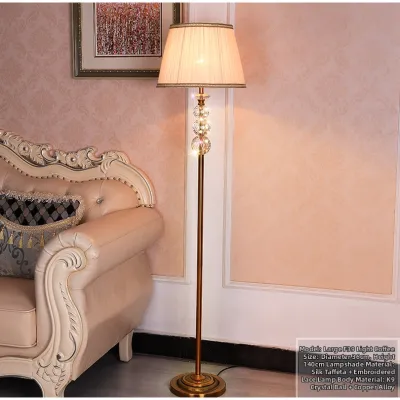
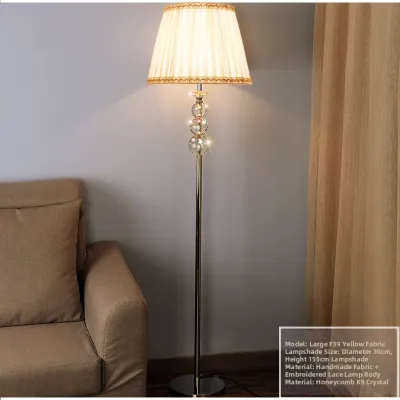
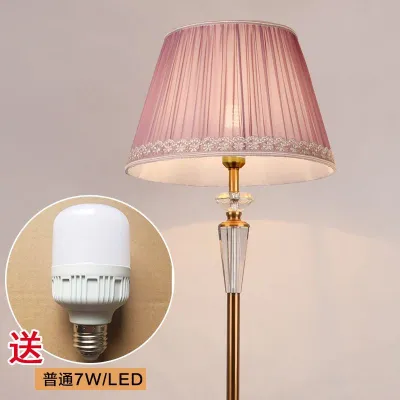
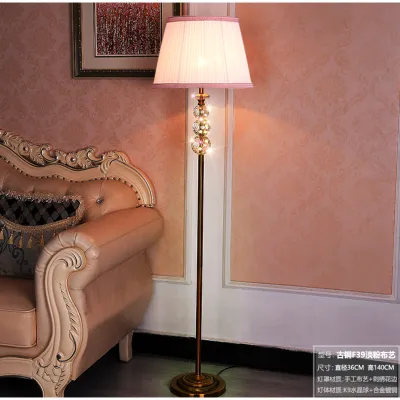
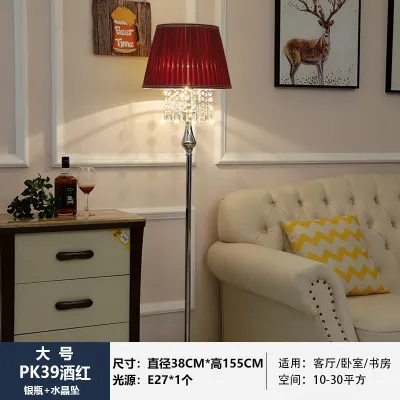

Prices are valid at publication and may change. Please refer to the product page for the latest price.
The magic of these fixtures lies in the optical properties of crystal glass. High-quality crystal possesses a high refractive index, meaning it bends light more sharply than standard glass. When light passes through the precision-cut facets of each crystal droplet, prism, or bead, it splits into a spectrum of subtle colors and projects intricate patterns of light and shadow across your walls and ceiling. This scattering effect eliminates the flat, sterile look of uniform lighting, replacing it with a rich, textured glow that adds depth and movement to the room.
Achieving the perfect ambiance requires a careful balance between this decorative sparkle and practical illumination. A lamp that produces too much uncontrolled refraction can cause distracting glare or busy shadows that strain the eyes during quiet evenings. Conversely, a lamp with heavily diffused or poorly positioned crystals might lose its characteristic luster entirely. The goal is to select a fixture where the crystal elements enhance, rather than overwhelm, the primary lighting needs of your living space.
Matching Crystal Designs to Your Living Room Style
Integrating a crystal floor lamp into your home requires matching its physical form and finishes with your existing interior design language. Because crystal is highly reflective, the metal frame and the shape of the crystals themselves will dramatically influence how the lamp blends with your furniture, wall colors, and architectural features. Choosing the wrong style can make the fixture look out of place, whereas a well-matched design elevates the entire room’s aesthetic.

Traditional and Classic Crystal Designs
Classic crystal floor lamps draw inspiration from historic European chandeliers, featuring ornate metalwork, multi-tiered branches, and elaborate draping. These fixtures are frequently finished in warm, rich metals such as polished brass, antique bronze, or brushed gold, which provide a deep contrast to the bright clarity of the crystals. The crystals themselves are often cut into traditional teardrop, pear, or pendeloque shapes, designed to maximize light refraction and create a classic, shimmering effect.
These elaborate designs serve as commanding statement pieces, making them ideal for formal living rooms, vintage-inspired spaces, or homes featuring transitional or classic European decor. The intricate details of a tiered crystal lamp bring a sense of grandeur and old-world luxury to a room, acting as a conversation starter even when switched off. To maintain visual harmony, pair these highly detailed lamps with rich, textured materials such as velvet upholstery, dark wood furniture, and heavy drapes. Placing it near classical architectural elements, like crown molding or a decorative fireplace, helps anchor the fixture within the room’s broader design narrative.
Modern and Contemporary Crystal Designs
For homes with a more minimalist, mid-century modern, or contemporary aesthetic, modern crystal floor lamps offer a streamlined alternative. These designs reject heavy ornamentation in favor of clean lines, geometric shapes, and structural simplicity. You will often see sleek, single-stem frames finished in polished chrome, brushed nickel, or matte black, paired with geometric crystal blocks, linear crystal rods, or subtle crystal accents integrated directly into the metal frame.
These fixtures integrate seamlessly into contemporary spaces, offering the luxurious sparkle of crystal without the visual clutter of traditional chandeliers. Instead of scattering light in complex, chaotic patterns, modern crystal lamps often use structured prisms to project clean, defined lines of light. When styling, look for lamps that emphasize restraint and balance, pairing them with low-profile furniture, neutral color palettes, and clean metal or concrete surfaces.
Selecting Light Output and Bulbs for the Right Mood
The visual impact of your crystal floor lamp is heavily determined by the bulbs you install. Before purchasing any bulbs, always consult the manufacturer’s user manual to verify the maximum wattage limit, base type (such as the common E27 screw base or B22 bayonet), and physical dimension constraints of the bulb housing. Exceeding the recommended wattage can lead to excessive heat buildup, which can damage the lamp’s wiring, tarnish metal finishes, or even crack delicate crystal components.
Color temperature plays a critical role in establishing the mood. For a cozy, inviting evening ambiance, opt for warm white bulbs, typically ranging from 2700K to 3000K. This warm light interacts beautifully with crystal facets, casting a golden, candle-like glow. If the lamp must double as a reading light in a multi-functional space, a slightly cooler neutral white bulb (around 3500K to 4000K) offers better clarity, though it will produce a crisper, less traditional sparkle.
To gain complete control over your living room’s atmosphere, dimming capabilities are essential. You must verify whether the crystal floor lamp features a built-in dimmer switch or if it requires a compatible dimmable bulb paired with an external wall dimmer or smart control system. Keep in mind that using a non-dimmable bulb on a dimming circuit can cause annoying flickering, buzzing, or premature bulb failure.
Additionally, pay close attention to the design and opacity of any accompanying lampshades. A completely open lamp allows the crystals to refract light directly onto the walls, creating sharp, high-contrast patterns. If you prefer a softer, more diffused ambiance, select a lamp with a fabric, organza, or frosted glass shade that sits over or around the crystals to gently diffuse the light source while maintaining a subtle shimmer.
Strategic Placement for Maximum Atmospheric Impact
Where you place your crystal floor lamp determines how effectively it shapes the room’s visual boundaries and balances the overall lighting scheme. A common mistake is placing a floor lamp solely where an outlet is convenient, rather than where the light is needed most. To maximize the atmospheric impact, position the lamp in dark, underutilized corners of the living room. This eliminates harsh shadows, brightens neglected areas, and visually expands the perceived boundaries of the space, making the room feel larger and more welcoming.
Another highly effective approach is placing the lamp next to a sofa, an elegant armchair, or a console table. This setup creates a dedicated, cozy zone within the larger living room, perfect for reading or relaxing. By layering the floor lamp’s light with other light sources—such as recessed ceiling lights, wall sconces, or table lamps—you avoid the flat look of single-source lighting and create a rich, multi-dimensional environment.
Scale and proportion are critical when positioning a heavy, visually striking fixture. A tall, multi-tiered crystal floor lamp requires adequate physical space and visual breathing room to avoid overwhelming nearby furniture. Ensure the lamp’s height is proportional to your ceiling; a lamp that is too tall can make a low ceiling feel oppressive, while a lamp that is too small will lose its presence in a double-volume space.
Finally, prioritize physical safety and traffic flow. Because crystal floor lamps are often top-heavy and feature delicate, dangling components, they should never be placed in high-traffic pathways. Position the lamp slightly behind or to the side of seating arrangements, ensuring the power cord is tucked safely along baseboards or under furniture to prevent tripping hazards.
Essential Safety and Specification Checks for Singapore Homes
When purchasing a crystal floor lamp for a home in Singapore, electrical and physical safety must be your top priorities. Always verify that the lamp, its plug, and any accompanying power adapters carry the local Safety Mark certification. This mark ensures the product has been tested and approved for safe use under local electrical standards, protecting your home from electrical faults, short circuits, or fire hazards.
Ensure the fixture is fully compatible with Singapore’s standard mains voltage of 230V at a frequency of 50Hz. Importing lamps from regions with different voltage standards (such as 110V systems) without verifying compatibility can lead to immediate electrical failure or hazardous overheating. Additionally, confirm that the lamp comes fitted with a compatible Type G three-pin plug, which is the standard socket type in Singapore, rather than relying on ungrounded, loose-fitting travel adapters that can degrade over time.
Physical stability is another crucial factor, as crystal floor lamps are significantly heavier than standard metal or wood fixtures. A heavy, top-heavy lamp poses a serious tipping hazard, particularly in households with young children, active pets, or robot vacuum cleaners. Before buying, check the manufacturer’s specifications for the base weight and footprint diameter; a wide, heavy marble or solid metal base is essential to keep the tall column stable.
Upon delivery, conduct a thorough manual inspection of the lamp’s structural integrity. Carefully check the connection points between the base and the vertical pole, ensuring there is no wobbling or loose threading. Inspect the metal pins, rings, or strings holding the individual crystals in place to ensure they are secure and show no signs of fatigue or damage. If you notice any loose connections or damaged wiring, isolate the power immediately by unplugging the fixture, and contact the manufacturer or a qualified electrician before attempting to plug the lamp in.
Frequently Asked Questions (FAQ)
How do I clean and maintain a crystal floor lamp?
To clean your crystal floor lamp safely, first turn off the power, unplug the fixture from the wall outlet, and allow the bulbs to cool down completely to prevent thermal shock or burns. Use a dry, soft, lint-free microfiber cloth to gently wipe away dust from the metal frame and individual crystal facets. For deeper cleaning, apply a specialized, non-abrasive crystal cleaning spray to a cloth—never spray directly onto the fixture—or wipe the crystals with a damp cloth dipped in a mild, diluted soapy water solution. Avoid harsh chemical cleaners, ammonia, vinegar, or abrasive scrubbing pads, as these can permanently scratch the delicate crystal surfaces or strip the protective lacquer finish off the metal frame.
Can I use smart bulbs in a crystal floor lamp?
Yes, you can use smart bulbs in a crystal floor lamp, provided they match the fixture’s socket interface (such as E27) and do not exceed the maximum wattage limit specified by the manufacturer. Smart bulbs are an excellent way to adjust color temperatures and brightness levels to suit different times of day. However, if your floor lamp features a built-in physical dimmer switch on the cord or pole, you must keep that physical switch set to 100% brightness at all times. Lowering the physical dimmer will starve the smart bulb of voltage, causing it to flicker, buzz, disconnect from your smart home network, or suffer internal electronic damage.
Community discussion
Share your experience or ask a question. Comments are reviewed before publication.