
Selecting the perfect crystal lotus LED light for your Hungry Ghost Festival (Zhong Yuan Jie) altar is a meaningful task that balances religious devotion with modern home safety. To make the correct choice, you must evaluate three core dimensions: the physical size of the light relative to your altar table, the warmth and quality of the LED illumination, and the safety of the power source for continuous use. During the seventh lunar month, altars in Singapore homes and offices are filled with offerings, incense, and ancestral tablets. Upgrading to a high-quality crystal lotus LED light ensures your altar remains beautifully illuminated throughout this sacred period without the fire hazards associated with traditional wax candles.
Quick Selection Guide for Crystal Lotus LED Lights
Preparing your home or business altar for the Hungry Ghost Festival requires careful planning, especially when organizing the layout of sacred items. The crystal lotus led light has become a staple of modern worship in Singapore, offering a clean, elegant, and safe alternative to open flames. When selecting a set of lotus lights, you must prioritize three main pillars: spatial fit, atmospheric lighting, and practical safety.
Spatial fit ensures that the physical dimensions and height of the lotus lights do not crowd the altar or block the views of deity statues and ancestral tablets. Atmospheric lighting focuses on finding the correct color temperature and brightness level to maintain a solemn, respectful environment. Practical safety involves choosing the right power delivery system—whether battery-powered or plug-in—and ensuring the electrical components can handle continuous, long-term operation without overheating.
Products mentioned in this guide
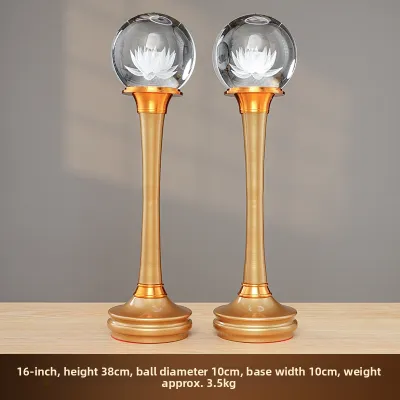
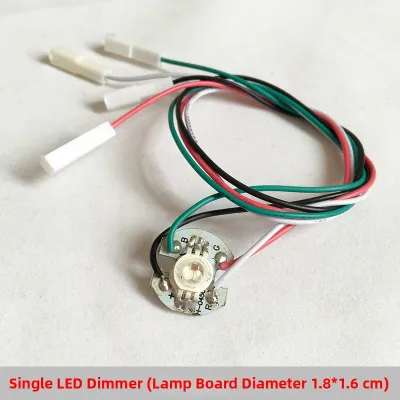
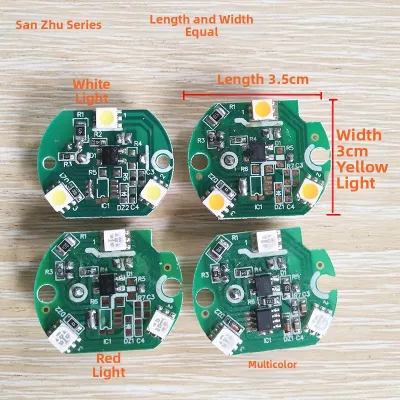
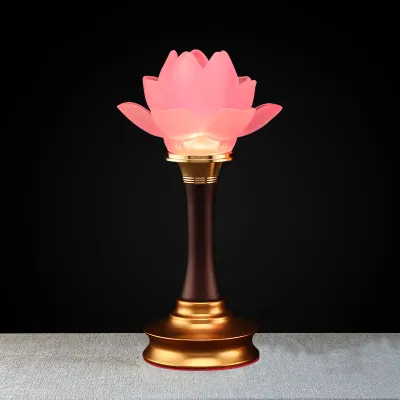
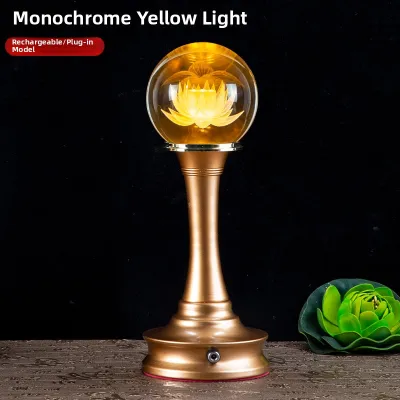
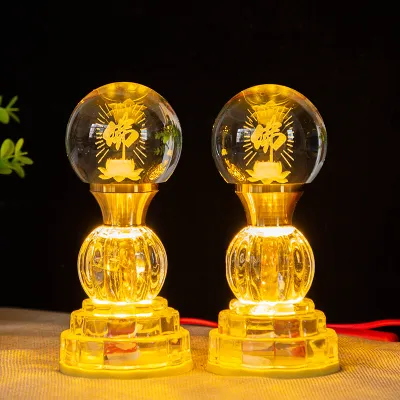
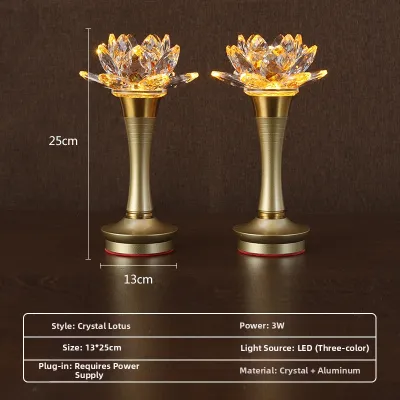
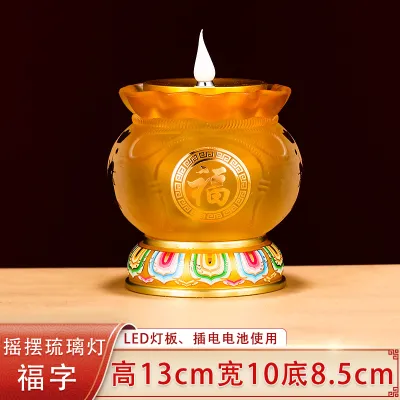
Prices are valid at publication and may change. Please refer to the product page for the latest price.
During the Hungry Ghost Festival, maintaining continuous light on the altar is culturally significant, symbolising guidance, respect, and the presence of divine protection. Because these lights often remain illuminated for days or even the entire month, selecting a durable, well-ventilated LED unit is essential for peace of mind. By focusing on these three pillars, you can find a beautiful lighting setup that honors tradition while keeping your living space safe.
Matching the Lotus Size to Your Altar Layout
Before purchasing a crystal lotus LED light, you must carefully assess the physical space available on your altar table. Altars in Singapore homes, particularly those in HDB flats or condominiums, often have limited surface area. Introducing new decorative or ritual items requires precise measurement to avoid a cluttered or disorganized appearance, which can detract from the serene and respectful atmosphere of the worship space.

To begin, use a measuring tape to determine the exact depth and width of the vacant areas on your altar. You must account for the space already occupied by essential ritual items, such as the central incense burner (censer), fruit plates, tea cups, flower vases, and deity statues or ancestral tablets. It is customary to place a pair of lotus lights flanking the main deity or tablet, so you will need to ensure there is equal, unobstructed space on both the left and right sides of the table.
Visual balance is just as important as physical space. A lotus light that is too tall can overshadow the deity statues, while a light that is too small may get lost among the larger offerings. Ideally, the height of the crystal lotus should not exceed the shoulder level of the main deity statue. This ensures that the light serves as a complementary frame rather than a distracting centerpiece, maintaining the traditional hierarchy of the altar layout.
Compact vs. Large-Scale Lotus Lights
When browsing online marketplaces or local religious goods shops, you will generally find crystal lotus lights categorized into two main sizes: compact and large-scale models.
- Compact models (under 10cm): These are highly versatile and ideal for smaller setups. If you maintain a wall-mounted HDB altar, a secondary ancestral shrine, or have a crowded table with numerous daily offerings, these smaller units fit comfortably into tight corners without disrupting the placement of incense burners.
- Large-scale models (15cm and above): These are designed to make a visual impact. These larger lights are best suited as centerpieces for spacious, dedicated altar tables, ground-level deity shrines, or large-scale community and corporate altars set up specifically for the Hungry Ghost Festival. Because of their size, they require a stable, wide surface area to prevent accidental tipping when family members or staff members place fresh offerings on the table.
Choosing the Right Brightness and Light Warmth
The light emitted by your crystal lotus should enhance the spiritual and solemn atmosphere of your altar. In traditional worship, lighting is not merely functional; it sets the emotional and spiritual tone of the space. Therefore, selecting the correct color temperature and luminosity is vital to creating an environment that feels respectful, warm, and inviting.
For traditional worship and ancestral altars, warm white light—typically ranging between 2700K and 3000K—is highly recommended. This warm, golden hue closely mimics the gentle glow of traditional wax candles and oil lamps, evoking a sense of solemnity, comfort, and spiritual warmth. Culturally, golden light is also associated with prosperity, positive energy, and respect, making it the most appropriate choice for honoring deities and ancestors during the seventh lunar month.
Conversely, you should avoid using overly bright, cool white lights (above 5000K) or flashing, multi-colored RGB modes. Cool white light can feel clinical, harsh, and spiritually cold, which clashes with the traditional red and gold aesthetics of most altars. Flashing or rapidly changing color modes can be highly distracting and may disrupt the quiet, meditative atmosphere required for prayers and offerings. If a model features multiple color modes, ensure it has a static, single-color option that can be locked in place.
To maximize versatility, look for crystal lotus LED lights that feature adjustable brightness levels or built-in dimmers. This function allows you to transition the lighting based on the time of day. During the bright daylight hours, you can increase the brightness slightly so the crystal petals sparkle clearly against the ambient room light. At night, you can dim the LEDs to a soft, gentle glow that provides continuous illumination without casting harsh shadows or disrupting the sleep of family members in nearby rooms.
Evaluating Crystal Clarity and Base Design
A crystal lotus LED light is both a functional light source and a sacred decorative object. To ensure your purchase meets your aesthetic and cultural expectations, you must carefully evaluate the quality of the materials, the precision of the petal design, and the structural integrity of the base. High-quality construction not only improves the visual appeal of the light but also ensures its longevity over many festival seasons.
When assessing crystal clarity, pay close attention to the material used for the petals. High-grade K9 crystal or premium molded glass is preferred over cheap plastics or acrylics. K9 crystal offers superior optical clarity, allowing the LED light to pass through with minimal distortion. Inspect the product photos or descriptions for signs of manufacturing defects such as internal air bubbles, cloudiness, or prominent mold lines. High-quality crystal should appear perfectly transparent, capturing and refracting the light to create a brilliant, clear glow.
The design and faceting of the petals directly influence how the light is dispersed across your altar. Layered, three-dimensional petal arrangements offer a more realistic and visually rich representation of a blooming lotus flower compared to flat, single-layer designs. Furthermore, look for petals with sharp, clean facets. These faceted edges act as tiny prisms, catching the LED light from the base and scattering it in delicate, shimmering patterns onto the surrounding altar surface and walls, adding a touch of elegance to your worship space.
The base of the lotus light is critical for both safety and style. It must be heavy and stable enough to prevent the unit from tipping over if the altar table is accidentally bumped. Look for bases made from weighted materials such as brass, heavy alloy, solid resin, or dense wood. Avoid ultra-lightweight plastic bases that can easily slide or tip. Additionally, ensure the finish of the base—whether it is a polished gold, antique bronze, or dark wood grain—complements the existing wood tones and metal fixtures of your altar to maintain a cohesive look. Remember that material names alone do not guarantee durability; always check the specifications for the physical weight of the product to verify its stability.
Power Options and Safety for Continuous Worship
During the Hungry Ghost Festival, many households and businesses choose to keep their altar lights illuminated continuously for the entire 24-hour cycle, or at least throughout the night. This continuous operation requires a highly reliable power source and strict adherence to electrical safety standards. Because altars are filled with combustible materials like paper offerings, dry incense, wood, and sometimes open oil lamps, managing electrical risks is paramount.
To prevent fire hazards, you must organize all power cables and battery compartments carefully. Ensure that no wires are draped over or near incense burners where falling hot ash could melt the plastic insulation. Keep the area immediately surrounding the LED light clear of loose paper items, decorative fabrics, or liquid offerings that could spill and cause a short circuit. Ensuring proper ventilation around the base of the LED light is also essential to prevent heat buildup during prolonged use.
Battery-Operated vs. Plug-In Models
When deciding between battery-operated and plug-in crystal lotus LED lights, you must weigh the convenience of placement against the practicality of continuous power delivery.
- Battery-operated (AA/AAA or rechargeable): These models offer unmatched flexibility. Because they do not require power cords, they can be placed anywhere on the altar without creating visual clutter or trip hazards. This makes them ideal for minimalist setups or wall-mounted altars that are far from electrical outlets. However, for continuous 24/7 use during the seventh month, battery models will require frequent battery replacements or recharges, which can become inconvenient and costly.
- Plug-In (USB or AC adapter): These models are the superior choice for uninterrupted, long-term illumination. They provide a constant, reliable stream of power, ensuring the lotus lights remain bright without any maintenance. When choosing a plug-in model in Singapore, you must verify that the AC adapter is compatible with the local 230V, 50Hz electrical standard. For safety assurance, look for adapters that carry the recognized Enterprise Singapore Safety Mark.
Regardless of the power type you choose, always establish clear safety boundaries on your altar. Never place power cords directly beneath incense burners where hot embers might fall. If you use a USB hub or multi-plug extension socket to power the lights, ensure it is positioned in a dry, well-ventilated area away from liquid offerings and tea cups. Inspect the cords periodically for any signs of wear, fraying, or heat damage, and disconnect the power immediately if you notice any abnormalities.
Final Pre-Purchase Checklist for Your Altar
To ensure your selected crystal lotus LED light is a perfect fit for your Hungry Ghost Festival worship space, review this final checklist before finalizing your purchase:
- Physical Dimensions: Measure your altar's available surface area. Confirm that the height and width of the lotus lights will fit comfortably alongside your incense burner, deity statues, and ancestral tablets without blocking them.
- Color Temperature: Opt for a warm white (2700K–3000K) or soft golden glow. Avoid flashing RGB modes or harsh cool white tones to preserve a respectful and serene atmosphere.
- Power Source Compatibility: Choose plug-in models with a Singapore Safety Mark-certified adapter for continuous 24/7 use, or battery-operated models for cordless, short-term placement.
- Base Weight and Stability: Verify the product specifications for weight. Ensure the base is heavy enough (made of metal, resin, or weighted crystal) to resist tipping.
- Ease of Cleaning: Select a design with accessible crystal petals. Over time, altar items accumulate dust and oily residue from incense smoke, so the light should be easy to wipe down.
- Seller Credibility: When shopping on online marketplaces or local e-commerce platforms, check customer reviews, seller ratings, and return policies to ensure you receive a genuine, high-quality product.
Frequently Asked Questions (FAQ)
Can I leave a crystal lotus LED light on 24/7 during the 7th month?
Yes, you can safely leave a high-quality crystal lotus LED light on continuously. Unlike traditional light bulbs, LEDs emit very little heat and are designed for long operational lifespans, making them ideal for the continuous illumination required during the Hungry Ghost Festival. However, the primary limiting factor is your chosen power source. Battery-operated models will drain their power within a few days of non-stop use, making plug-in models much more practical for 24/7 operation. To ensure safety, check the base of the light after the first 24 hours of continuous use to confirm there is no unusual heat accumulation, and always use a certified AC adapter.
How do I clean the crystal petals without damaging them?
To keep your crystal lotus light sparkling and free of dust and incense smoke residue, regular gentle cleaning is necessary. Always disconnect the power source—either by unplugging the cord or removing the batteries—before you begin cleaning. Use a dry or slightly damp microfiber cloth to gently wipe down the individual crystal petals and the base. Avoid using harsh chemical cleaners, glass sprays containing ammonia, or abrasive scrubbing sponges, as these can strip away protective coatings or scratch the crystal surface. Never submerge the entire unit in water, as moisture can easily penetrate the base and permanently damage the internal LED circuitry and battery compartments.
Community discussion
Share your experience or ask a question. Comments are reviewed before publication.