
Selecting the ideal crystal material for a prayer oil burner requires balancing verified heat resistance, structural integrity, aesthetic preference, and personal spiritual intention. While many seek a specific stone for its symbolic meaning or visual appeal, there is no single ideal crystal material for this purpose. Because heating natural stones carries inherent risks of thermal shock and fracturing, your primary decision must always prioritize the manufacturer’s safety specifications and heat-source compatibility. In prayer and meditation spaces, physical safety and structural stability must always come before symbolic associations.
In humid climates where indoor environments rely heavily on air conditioning, rapid temperature differentials are common. When a heated crystal burner is exposed to sudden drafts or cool air currents, the risk of thermal shock increases significantly. Therefore, understanding how different crystal structures respond to heat, how to inspect them for structural flaws, and how to maintain them safely is essential for creating a peaceful and hazard-free sanctuary. By focusing on verified material limits and proper usage protocols, you can enjoy the natural beauty of a crystal burner while ensuring a safe environment for your daily practices.
Evaluating Heat Resistance and Safety Limits
Before choosing any crystal burner, you must verify how the material handles thermal stress. Natural crystals are geological formations that often contain microscopic pockets of water, air, or secondary minerals. When subjected to heat from a tea light candle or a low-wattage electric bulb, these internal elements expand at different rates than the surrounding stone. This uneven expansion can lead to sudden fracturing or cracking. To prevent accidents, always check the manufacturer’s specifications for maximum temperature limits and approved heat sources. Some burners are strictly rated for low-wattage electric elements, while others can safely accommodate the direct flame of a tea light.
Products mentioned in this guide
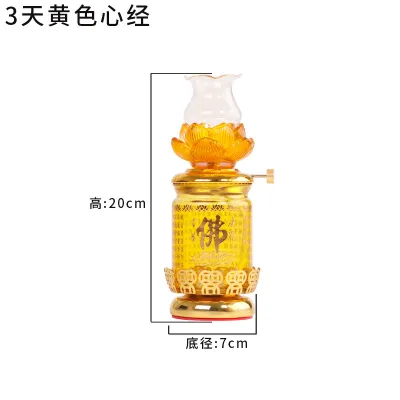
Prices are valid at publication and may change. Please refer to the product page for the latest price.
Identifying visual stress signals in a crystal is a crucial step before and during use. Inspect the burner closely for micro-fractures, cloudiness, natural inclusions, or uneven thickness across the bowl. These characteristics are often prized for their unique beauty, but they also represent structural weak points. A crystal bowl with highly uneven thickness will heat unevenly, creating localized thermal stress that significantly increases the risk of thermal shock. Similarly, deep inclusions or pre-existing internal fissures can expand rapidly under heat, causing the stone to split apart during your prayer or meditation session.
Planning safe usage conditions is vital to preserving both the burner and your safety. Always place the burner on a stable, heat-resistant surface, well away from cold drafts, open windows, or direct air conditioning vents. A sudden blast of cool air on a hot crystal bowl can cause immediate cracking. Furthermore, never apply heat to an empty or completely dry crystal bowl. Always ensure there is a sufficient mixture of water and essential oil in the reservoir before lighting the candle or turning on the heating element. If the liquid evaporates completely while the heat source is active, the dry crystal will overheat rapidly, leading to structural failure when cool liquid is added or when it cools down.
Establishing clear stop conditions helps prevent hazardous situations in your home. You must discontinue use immediately and allow the burner to cool naturally if you hear any popping, clicking, or cracking sounds coming from the stone. These auditory cues indicate that internal micro-fractures are expanding under thermal stress. Similarly, if you notice any new visible cracks, deep cloudiness, or signs of structural weakening, the burner is no longer safe for heat application. Never attempt to cool a hot burner quickly by pouring cold water over it or placing it in a cool environment, as this rapid temperature drop will almost certainly shatter the stone.
Aligning Aesthetics and Spiritual Intentions
Once safety parameters are established, you can focus on how the visual characteristics of different crystals complement your prayer space. The way a crystal interacts with light plays a significant role in creating a serene atmosphere. Transparent or translucent stones, such as clear quartz or rose quartz, allow the flickering light of a tea light or the steady glow of an electric bulb to pass through, casting soft, diffused patterns across your altar or meditation corner. Opaque or highly banded stones, such as fluorite or certain jaspers, block direct light but offer rich, natural colors and intricate patterns that ground the visual focus of the room.

Many practitioners incorporate crystals into their prayer routines based on traditional or cultural associations. For instance, clear quartz is often associated with clarity and focus, rose quartz with peace and compassion, and amethyst with spiritual connection and tranquility. It is important to approach these traditional frameworks as subjective, personal tools for mindfulness rather than scientific or guaranteed properties. The perceived energy or spiritual benefit of a stone is a highly personal interpretation that enhances your mental focus, but it does not alter the physical laws of heat transfer and material stress.
The physical finish of the crystal also affects both the visual ambiance and the practical maintenance of your burner. Raw, unpolished natural stones offer a rustic, organic aesthetic that connects your practice directly to nature. However, textured, unpolished surfaces are highly porous and can easily trap essential oil residue, making them difficult to clean and prone to staining over time. Carved and polished designs, on the other hand, provide a smooth, refined look that reflects light beautifully and allows for effortless cleaning. Balancing these aesthetic preferences with the practical realities of daily maintenance ensures your burner remains both beautiful and hygienic.
Ultimately, your personal spiritual intentions should always be subordinate to physical safety and structural stability. A stone that carries deep symbolic meaning for you is only suitable for a burner if it has been properly processed, tested, and rated for heat by the manufacturer. If a desired crystal material cannot safely withstand direct heat, you do not have to abandon it entirely. You can place raw specimens of that stone around a separate, heat-safe burner made of glass or metal, allowing you to maintain the spiritual theme of your altar without compromising on safety.
Inspecting, Purchasing, and Maintaining Your Burner
A thorough pre-purchase inspection is your first line of defense against faulty or dangerous crystal burners. When shopping at a local boutique or an online marketplace, closely examine the physical structure of the burner. Verify that the oil bowl has a consistent depth and a smooth, even thickness to ensure uniform heat distribution. Check the stability of the base; it must sit completely flat on a level surface without wobbling, as an unstable burner poses a severe fire hazard if knocked over. Avoid purchasing burners that exhibit deep natural fissures, chips, or sharp cracks near the direct heat zone, as these are highly likely to fail under thermal stress.
Proper cleaning protocols are essential for extending the lifespan of your crystal burner and preventing the buildup of sticky, flammable oil residue. Always allow the burner to cool completely to room temperature before attempting to clean it. Wiping a hot crystal with a damp cloth or submerging it in water can cause instant thermal shock, shattering the stone. Once cool, gently wipe away any remaining oil residue using a soft, damp microfiber cloth. Avoid using harsh chemical cleaners, abrasive scrubbing pads, or strong solvents, as these can strip away protective polishes, discolor the stone, or degrade the crystal structure.
Safe storage and handling practices protect your investment from accidental damage. When not in use, store your crystal burner in a stable, padded environment where it cannot be easily knocked over or scratched by other objects. Handle the burner with both hands, especially when moving it to or from your prayer altar. Because natural crystals are heavy and can be brittle, dropping them or striking them against hard surfaces like granite countertops or tiled floors can cause immediate chipping or deep internal fractures that render them unsafe for future heat use.
If you find a beautiful crystal burner that lacks clear heat-safety documentation or manufacturer specifications, you should seek safer alternatives. Rather than risking a fire or a shattered stone, consider using the unverified crystal burner as a decorative outer holder. You can place a separate, verified heat-safe inner dish made of borosilicate glass or stainless steel inside the crystal housing to hold the actual oil and water. This setup allows the heat to be concentrated within a certified, heat-resistant material while still showcasing the natural beauty and color of the surrounding crystal shell.
Frequently Asked Questions (FAQ)
Can I use any natural crystal stone as an oil burner?
No, you should never use raw, unverified natural stones as oil burners. Raw stones often contain hidden internal fissures, trapped moisture pockets, or unstable mineral inclusions that can expand rapidly when heated, potentially causing the stone to crack or shatter explosively. Only use crystal burners that have been specifically designed, carved, and documented by the manufacturer for heat application. These products undergo processing to ensure structural integrity and are rated for safe use with specific heat sources like tea lights or electric elements.
How do I clean hardened essential oil residue from a crystal bowl?
To clean hardened residue safely, first ensure the burner has cooled completely to room temperature. If the oil is stubborn, you can apply a small amount of mild dish soap and warm water to a soft cloth and gently wipe the surface. Never use boiling water, harsh chemical solvents, or sharp metal tools to scrape the residue, as these can scratch the polished surface or cause thermal shock. If the manufacturer’s instructions permit, you may gently warm the bowl slightly with warm water to soften the residue before wiping it away.
Is it safe to leave a crystal oil burner unattended during prayer?
No, you must never leave an active crystal oil burner unattended during prayer, meditation, or any other activity. Whether powered by an open-flame tea light or an electric heating element, a heated burner presents a potential fire hazard. Always place the burner on a stable, heat-resistant surface away from flammable items like curtains, books, or dried flowers. Make it a strict habit to extinguish the candle or unplug the electric element before leaving the room, going to sleep, or stepping away from your practice space.

Community discussion
Share your experience or ask a question. Comments are reviewed before publication.