
To choose the best feng shui turtle figurine for attracting wealth and prosperity, look for designs crafted from traditional materials like solid brass or natural jade that feature specific wealth motifs, such as gold ingots or Chinese coins. Rather than acting as a magical financial cure, these figurines serve as physical anchors for your personal intentions, helping you focus your daily mindset on stability, career growth, and long-term abundance. Selecting the right piece involves balancing traditional symbolism with your home’s aesthetic, ensuring the material matches your maintenance preferences, and placing the figurine in a respectful, stable location within your living space.
By understanding the nuances of different designs, materials, and placement rules, you can select a figurine that not only complements your interior decor but also aligns with your personal prosperity goals. Whether you are looking for a budget-friendly resin piece under S$30 or a premium hand-carved jade sculpture, this guide will help you navigate the selection process with confidence.
Understanding the Turtle's Symbolism in Wealth Practices
In traditional Chinese cosmology, the turtle is revered as one of the four celestial guardians, representing the direction of the North, the winter season, and the element of water. Unlike symbols associated with rapid, speculative gains, the turtle represents gradual, sustainable wealth accumulation. Its slow, deliberate movements and exceptionally long lifespan symbolize steady progress, resilience, and the patience required to build a lasting financial legacy.
Products mentioned in this guide
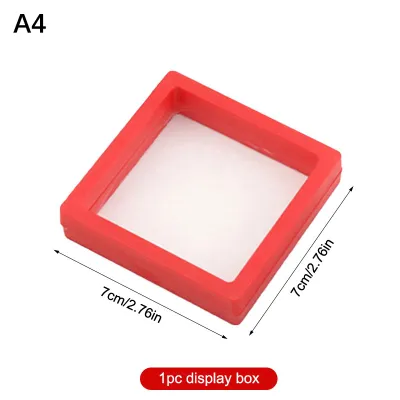
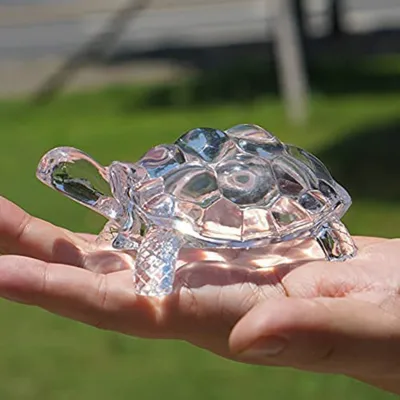
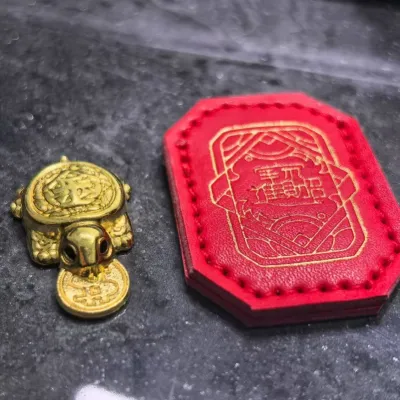
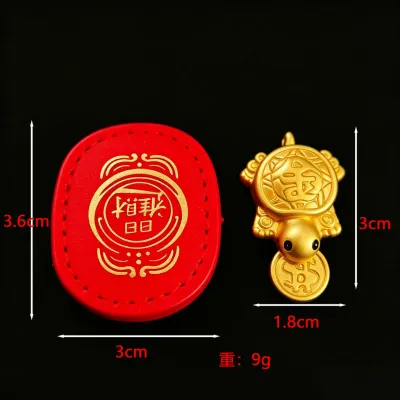
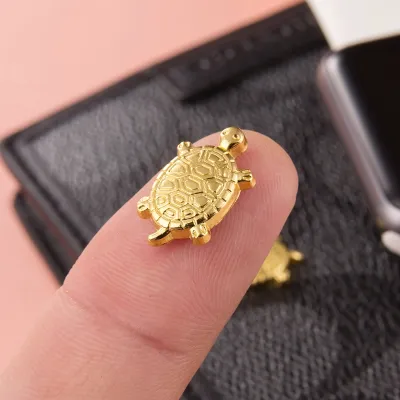
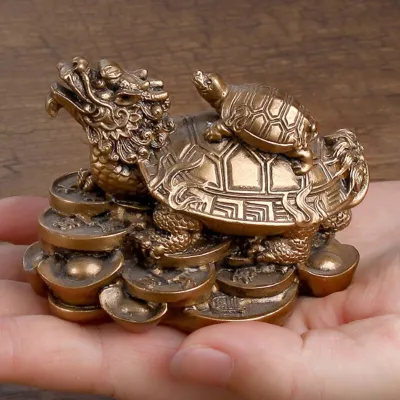
Prices are valid at publication and may change. Please refer to the product page for the latest price.
When incorporating a turtle figurine into your space, it is important to distinguish between cultural symbolism and guaranteed financial outcomes. A feng shui figurine is not a magical solution to financial challenges; rather, it functions as a visual focal point for your intentions. By placing the figurine in a prominent location, you create a daily reminder of your commitment to financial discipline, career growth, and long-term planning, which can positively influence your decision-making and mindset.
To specifically target wealth and prosperity, practitioners look for specialized variations of the traditional turtle. While a plain turtle figurine represents general longevity and protection, wealth-specific variants are designed with explicit prosperity symbols. These include turtles resting on a bed of gold ingots (yuan bao), carrying ancient Chinese coins in their mouths, or depicted alongside other auspicious symbols of abundance. Selecting a piece with these deliberate motifs ensures your decor directly reflects your prosperity intentions.
Identifying Wealth-Specific Design Features and Motifs
When browsing for a feng shui turtle, paying close attention to the specific design motifs will help you choose a piece that aligns with your exact goals. The most common prosperity motifs include stacks of ancient coins and gold ingots. A turtle depicted resting on top of a pile of these treasures symbolizes a solid foundation of wealth, suggesting that your savings and assets are secure and continuously growing. Some figurines also feature a single coin held securely in the turtle’s mouth, representing the constant drawing of income into the household.

Another popular variation is the presence of smaller turtles climbing onto the shell of a larger parent turtle. This design, often referred to as the “parent-child” turtle, represents descendant luck, family harmony, and the successful transfer of wealth across generations. If your prosperity goals are centered around securing your family’s future, establishing a family business, or ensuring long-term stability for your children, this multi-generational motif is an excellent choice.
The Dragon-Turtle (Long Gui) Variation
For those seeking career advancement, promotions, or success in highly competitive business environments, the Dragon-Turtle (Long Gui) is a highly favored variation. This mythical hybrid creature features the head of a dragon and the body of a turtle, combining the traits of both celestial beasts.
- The Dragon Head: Represents active success, courage, authority, and the power to overcome obstacles in your professional life.
- The Turtle Body: Represents stability, protection from office politics, and a strong foundation that prevents sudden financial setbacks.
- Auspicious Accessories: Many Dragon-Turtles are depicted sitting on a bed of coins and ingots, sometimes holding a Ru Yi (a ceremonial scepter representing power and authority) or carrying a baby turtle on their back to combine career success with family protection.
Regardless of the specific motif you choose, high-quality craftsmanship is essential. Inspect the figurine closely to ensure that the carved symbols, coin patterns, and facial expressions are sharp and clearly defined. Poorly cast metal or roughly molded resin with blurred details can detract from the aesthetic appeal of the piece. Ensure that any delicate accessories, such as coins in the mouth or smaller turtles on the back, are structurally sound and securely attached to the main body of the figurine.
Choosing the Right Material for Your Space and Intent
Feng shui figurines are crafted from a wide variety of materials, each offering distinct aesthetic qualities, durability levels, and maintenance requirements. Selecting the right material involves balancing traditional elemental associations with your practical home environment and decor preferences.
Traditional Metals
Brass and bronze are among the most popular and traditional materials for feng shui figurines. In five-element theory, metal represents precision, clarity, and the activation of wealth energies. Metal figurines are heavy, durable, and possess a classic, timeless appeal. However, because of Singapore’s high humidity, copper alloys like brass and bronze will naturally oxidize over time, developing a darker patina. If you prefer a bright, polished golden appearance, you will need to commit to regular polishing with a specialized metal cleaner. Alternatively, many appreciate the antique look of a natural patina, which requires only occasional dry dusting.
Natural Stones
Natural stones like jade and obsidian offer a highly elegant, organic aesthetic. Jade is deeply revered in Asian culture, symbolizing purity, grace, and serene abundance. It introduces a calming earth-element energy to a space, making it ideal for living rooms or study areas. Obsidian, a dark volcanic glass, is often selected for its protective qualities, helping to shield your household from negative financial influences. Because natural stone figurines are dense and heavy, they must be displayed on stable, load-bearing surfaces. They are also fragile and can chip or crack if dropped, requiring careful handling during cleaning.
Modern Resins and Painted Finishes
For a budget-friendly option, modern synthetic resins are widely available on online marketplaces. Resin can be molded into incredibly intricate shapes, allowing for highly detailed designs that might be too costly or difficult to carve in natural stone or cast in solid metal. Resin figurines are lightweight and often painted to mimic the appearance of gold, bronze, or jade. While highly accessible, it is important to check manufacturer labels to verify the material composition and ensure the paint finish is durable. Low-quality painted finishes can chip, fade, or peel if exposed to direct sunlight or moisture, so these pieces are best kept in shaded, low-contact indoor areas.
Standard Placement Guidelines for Prosperity Intent
Proper placement is a fundamental aspect of feng shui practice, ensuring that your decorative items harmonize with the flow of energy in your living space. When positioning your wealth turtle, several standard guidelines can help you display the piece respectfully and effectively.
Orientation and Sector Alignment
In traditional feng shui, different sectors of your home correspond to specific life areas based on the Bagua map. The North sector is traditionally associated with career and life path, making it an ideal location for a metal turtle or a Dragon-Turtle to support professional growth. The Southeast sector is associated with wealth and abundance, where a wood- or water-compatible material (such as jade or dark obsidian) can be placed to support financial intentions.
When positioning a turtle carrying coins or resting on ingots, the general rule is to face the figurine inward, toward the center of the room or toward your main living area. This symbolizes the turtle bringing wealth and prosperity into your home. Conversely, if you are using a plain turtle or a Dragon-Turtle primarily for protection against negative external influences, it can be faced outward toward a window or main door to act as a shield.
Areas to Avoid
To maintain a respectful and safe display, avoid placing your figurine in high-traffic pathways where it could easily be bumped, knocked over, or damaged. Cluttered spaces, such as crowded countertops or disorganized shelves, should also be avoided, as clutter is believed to stagnate energy and detracts from the visual prominence of the piece. Never place a feng shui figurine directly on the floor, as this is considered disrespectful; instead, utilize elevated surfaces to display the item with care.
Display Height and Stability
Aim to place your figurine at a respectful height, ideally between waist level and eye level. A sturdy console table, sideboard, home office desk, or dedicated display shelf provides an excellent, secure platform. Ensure the surface is completely flat, level, and free from constant vibrations (such as those from large appliances or entertainment systems) to prevent the figurine from shifting or falling.
While these general guidelines provide a solid foundation for displaying your figurine, every home layout is unique. If you are seeking a highly personalized spatial analysis that accounts for your home’s exact compass orientation, construction year, and your personal birth chart, it is always best to pause and consult a qualified, reputable feng shui practitioner.
Pre-Purchase Checklist for Quality and Fit
Before finalizing your purchase, taking a few moments to verify the physical specifications and quality of the figurine will ensure it fits perfectly into your home and meets your expectations.
- Verify Dimensions: Carefully measure your intended display surface before ordering. In compact urban apartments, an oversized figurine can easily overwhelm a room and create visual clutter, while a piece that is too small may get lost among other decor items. Aim for a size that maintains visual harmony with its surroundings.
- Check Weight and Base Stability: Ensure the figurine has a wide, flat, and stable base. Top-heavy designs or pieces with uneven bottoms pose a significant tipping hazard, especially in households with curious pets or young children. If placing the figurine on delicate wooden furniture, consider adding small felt pads to the base to prevent scratches.
- Inspect for Finish Flaws: If purchasing in person, examine the figurine under bright light for casting seams, air bubbles, uneven paint application, or loose decorative elements. If buying from an online marketplace, review high-resolution customer photos and product descriptions carefully to gauge the consistency of the manufacturer's quality control.
- Review Retailer Policies: Because stone, glass, and delicate resin figurines are fragile, check the retailer's return policies and shipping protection terms. Ensure the seller uses robust packaging materials, such as custom-molded foam or thick bubble wrap, to protect the item from damage during transit.
Frequently Asked Questions (FAQ)
How do I clean and maintain a brass feng shui turtle?
To keep a brass feng shui turtle looking its best, regular light maintenance is key. Use a soft, dry microfiber cloth to gently dust the figurine once a week, paying close attention to the crevices around the shell and wealth motifs where dust tends to accumulate. Avoid using harsh chemical cleaners, abrasive scrubbing pads, or acidic household solutions like vinegar or lemon juice, as these can strip away protective lacquers or intentional antique patinas. Before applying any commercial metal polishes, always check the manufacturer’s specific care instructions to ensure the product is safe for your figurine’s specific finish.
Can I place a wealth turtle in my bedroom or bathroom?
No, placing active wealth symbols in bedrooms or bathrooms is generally discouraged in traditional feng shui practices. The bedroom is a space dedicated to rest, relaxation, and quiet yin energy; introducing active wealth symbols can disrupt this peaceful environment and interfere with sleep quality. Bathrooms are associated with water drainage and waste, meaning prosperity symbols placed there are symbolically linked to wealth flowing away from the household. Instead, opt for active common areas such as the living room, study, or home office, where career decisions and financial planning naturally take place.
Does the size of the turtle figurine affect its symbolic impact?
In traditional practices, the physical size of a decor piece does not dictate its symbolic efficacy. A small, beautifully crafted figurine made of high-quality materials is far more effective than a massive, poorly made piece that disrupts the aesthetic balance of your home. The primary focus should always be on the quality of the craftsmanship, the personal resonance you feel with the design, and how harmoniously the piece fits into your overall living space. Choosing a size proportionate to your display area helps maintain a balanced, clutter-free environment, which is central to good feng shui.
Community discussion
Share your experience or ask a question. Comments are reviewed before publication.