
Choosing the right floor standing lamp brand for warm ambient lighting in a Singapore living room requires looking beyond aesthetics to evaluate optical engineering, material quality, and local electrical safety. While many brands offer visually appealing designs, the most reliable manufacturers distinguish themselves by providing precise color temperature specifications, robust structural stability, and certified electrical components. By focusing on these technical markers, you can transform your living space into a cozy, inviting sanctuary.
Layered lighting is the secret to a comfortable home environment, and a well-positioned floor standing lamp serves as the perfect anchor for this setup. It bridges the gap between harsh overhead ceiling lights and low-level accent lighting, softening shadows and creating a sense of depth. In typical Singapore apartment layouts, such as HDB flats or condominiums, strategic placement of a floor lamp can also make compact living areas feel more spacious and welcoming.
Rather than searching for a single universal brand, your goal should be to identify manufacturers that prioritize user-centric design and rigorous safety standards. This guide will walk you through the essential technical specifications, material choices, and safety certifications to look for when shopping for a floor standing lamp that delivers a beautiful, warm glow.
Products mentioned in this guide
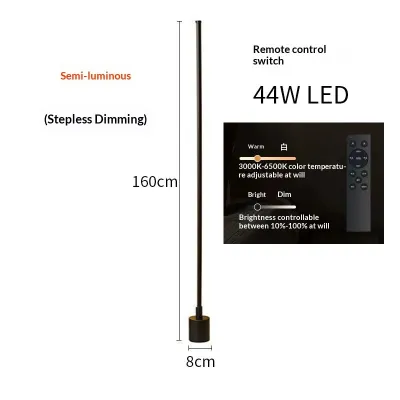
![[SG] 160CM / 180CM Modern Nordic LED Floor Lamp: Minimalist Standing Light for Living Room Bedroom & Study. Sleek Night Lighting](https://img.lazcdn.com/g/p/7f362c72ba3802afff3fdb973346d9d6.jpg_400x400q80.jpg_.webp)
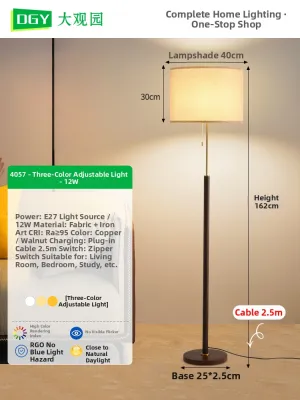
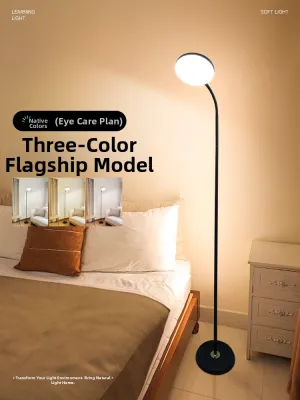
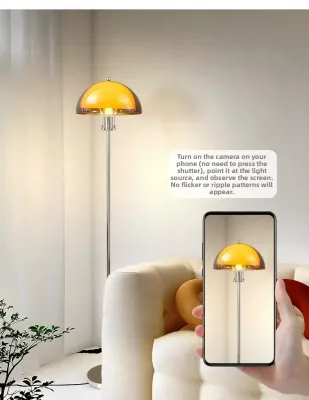
Prices are valid at publication and may change. Please refer to the product page for the latest price.
What Defines Warm Ambient Lighting in a Living Room?
To select a lamp that produces a truly warm and inviting atmosphere, you must first understand the technical indicators listed on product packaging. The most critical factor is color temperature, which is measured in Kelvin (K). For a cozy, relaxing living room ambiance, look for light sources specified between 2700K and 3000K, often labeled as “warm white.” Lower numbers in this range produce a gentle, golden glow reminiscent of candlelight, whereas higher numbers shift toward a cooler, neutral white that can feel too clinical for a relaxation space.
Another vital metric is the Color Rendering Index (CRI), which measures how accurately a light source reveals the true colors of objects compared to natural sunlight. A high-quality lighting brand will typically feature light sources with a CRI of 80 or higher (often denoted as Ra ≥ 80). Choosing a lamp with a high CRI ensures that your living room furniture, wooden textures, and decorative fabrics look vibrant and true to life, rather than washed out or greyish under artificial light.
Light diffusion is the final piece of the ambient lighting puzzle. Direct, unshielded light bulbs create harsh glare and uncomfortable shadows that strain the eyes. Reliable brands design their floor lamps with effective diffusion methods, such as fabric shades, frosted glass globes, or upward-facing reflectors. These designs scatter the light evenly throughout the room, bouncing it off walls and ceilings to create a soft, indirect illumination that wraps the space in warmth.
Key Features to Look for in Reliable Lamp Brands
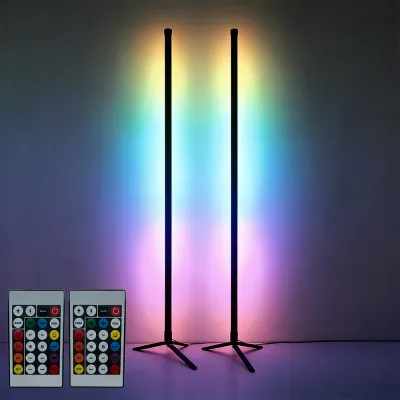
When evaluating different lighting brands, look closely at their dimming capabilities. A floor standing lamp with fixed brightness limits your control over the room’s mood. Premium manufacturers often incorporate integrated dimming solutions, such as step-dimming touch sensors or continuous rotary dimmers. If you prefer a modern smart home setup, check if the brand offers compatibility with wireless protocols like Zigbee, Bluetooth, or Wi-Fi, allowing you to adjust brightness levels seamlessly via mobile apps or voice assistants.

The quality of the lampshade material directly influences both the aesthetic appeal and the light output of the lamp. Linen and cotton shades are excellent for classic, textured diffusion, filtering the light to create a soft, organic glow. Paper shades, particularly those inspired by traditional craftsmanship, offer an incredibly delicate and uniform light distribution, though they require gentle handling. For a more modern look, frosted or opal glass diffusers are highly effective at eliminating harsh “hot spots” from LED bulbs, spreading a smooth, milky light across the room.
Structural stability is a crucial safety feature that separates high-quality brands from budget alternatives. Because floor standing lamps are tall and top-heavy, they are susceptible to tipping over if bumped. Reputable brands engineer their lamps with heavy, weighted bases made of solid steel, iron, or dense stone to lower the center of gravity. This anti-tip design is especially important in active households with young children, pets, or high-traffic walkways where accidental bumps are common.
Matching Lamp Styles to Your Living Room Layout
Different living room layouts and functional zones require specific styles of floor standing lamps to achieve the best visual balance. For dedicated reading corners or seating areas next to a sofa, an adjustable task or arc floor lamp is highly effective. These designs feature adjustable arms or swiveling heads that allow you to direct a warm beam of light precisely where you need it for reading, without disrupting the softer, low-light ambiance of the rest of the room.
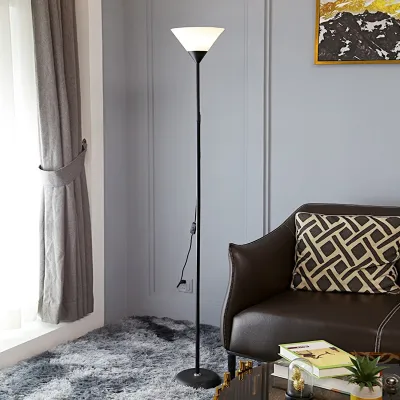
If your primary goal is to brighten up dark corners and create a general sense of warmth throughout the space, a torchiere or uplighter design is an ideal choice. These lamps direct their light upward toward the ceiling, which acts as a massive natural reflector. This indirect lighting technique not only fills the room with a soft, shadowless glow but also draws the eye upward, making low ceilings feel higher and the entire room feel more open.
It is also essential to balance the physical scale and visual weight of the lamp against your existing furniture. A massive, sweeping arc lamp can easily overwhelm a compact living room or clash with low-profile minimalist furniture. Conversely, a very thin, delicate stick lamp might look lost next to a large, heavy L-shaped sectional sofa. Measure your available floor space and consider the height of your seating to ensure the lamp complements, rather than dominates, the room’s proportions.
How to Evaluate Brand Reliability and Safety Standards
Electrical safety should always be your top priority when purchasing any plug-in appliance for your home. In Singapore, controlled electrical goods must carry the Safety Mark, which indicates that the product has been tested and certified to meet local safety standards. When researching floor lamp brands, verify that the power adapters, plugs, and internal wiring assemblies carry this certification, protecting your household from potential electrical hazards or short circuits.
Always confirm that the lamp is designed to operate on Singapore’s standard electrical grid, which runs at a voltage of 230V and a frequency of 50Hz. The lamp should come fitted with a standard Type G three-pin plug. Avoid relying on cheap, uncertified travel adapters for permanent lighting fixtures, as poor contact points inside these adapters can lead to overheating, electrical arcing, and potential fire risks over extended periods of use.
Finally, assess the brand’s long-term support and warranty policies. A reliable manufacturer will typically offer a clear warranty of at least one to two years, covering manufacturing defects and electrical components. Furthermore, check the availability of replacement parts. Brands that use standard bulb sockets (such as E27 or E14) offer excellent longevity because you can easily replace the bulb yourself, whereas lamps with integrated LED modules should come from brands with reliable local customer service channels in case the light source requires professional servicing.
Your Pre-Purchase Checklist for Floor Standing Lamps
Before finalizing your purchase, take a few minutes to run through this practical checklist to ensure the lamp fits your space and technical requirements perfectly:
- Measure physical clearances: Check the ceiling height to ensure an uplighter has at least 30 to 50 cm of clearance from the ceiling. Measure the floor space to ensure the base does not obstruct walkways, and check the distance to the nearest wall outlet to avoid hazardous trailing cords.
- Confirm the light source type: Decide whether you prefer an integrated LED module (which allows for sleek, ultra-thin designs but cannot be easily replaced by the user) or a traditional socket fixture (which allows you to choose and swap out your own bulbs as technology advances).
- Verify dimmer and smart compatibility: If you plan to use external smart plugs, smart bulbs, or wall dimmers, ensure the lamp's internal circuitry is compatible. Some lamps with built-in touch dimmers or proprietary control modules will flicker or fail to turn on when connected to external smart switches.
- Assess material durability for the local climate: In Singapore's humid environment, certain materials like untreated paper or low-grade metals may degrade, warp, or rust more quickly. Opt for powder-coated metals, treated fabrics, or high-quality glass that can withstand local humidity levels.
Frequently Asked Questions (FAQ)
Can I use smart bulbs in any floor standing lamp for ambient lighting?
Smart bulbs require a constant, uninterrupted flow of electrical power to maintain their wireless connection to your home network. If a floor standing lamp features an integrated physical dimmer switch, a touch-sensitive control pad, or a step-dimming module, it can restrict or alter the voltage flowing to the bulb. This voltage fluctuation can cause smart bulbs to flicker, buzz, lose connection, or suffer permanent electronic damage. To use smart bulbs safely, choose a floor lamp with a simple, non-dimmable on/off switch, or verify with the manufacturer that the lamp’s internal circuitry is fully compatible with smart lighting systems.
How do I clean fabric or paper lampshades without damaging them?
Always turn off the floor lamp and allow the bulb to cool completely before attempting any cleaning. For fabric lampshades, a clean lint roller or a soft-bristled brush is highly effective for gently removing accumulated dust without pressing it deeper into the fibers. For delicate paper shades, avoid using water, damp cloths, or liquid chemical cleaners, as moisture can warp, stain, or tear the paper material. Instead, use a dry microfiber cloth or a clean feather duster to sweep away dust. If you encounter stubborn stains or deep discoloration, stop and consult the manufacturer’s specific care instructions to avoid ruining the shade.
Community discussion
Share your experience or ask a question. Comments are reviewed before publication.