
Selecting a Ganesh idol in Singapore requires balancing traditional ritual requirements with modern home aesthetics. Whether you are preparing for the vibrant celebrations of Ganesh Chaturthi or seeking a permanent spiritual centerpiece for your living space, the material, size, and design of the deity’s image play a critical role. The primary decision hinges on whether the idol is intended for temporary ceremonial immersion or long-term display on a home altar.
For the annual festival, environmental responsibility and ritual compliance dictate the use of soluble, natural materials. Conversely, year-round home decor prioritizes durability, ease of maintenance, and visual harmony with your interior design. Understanding these distinct paths ensures that your choice respects sacred traditions while enhancing your home’s decorative landscape.
Defining Your Purpose: Festival Rituals vs. Permanent Display
Before purchasing a Ganesh idol, clearly define its primary role in your home. Festival rituals, particularly Ganesh Chaturthi, culminate in the visarjan (immersion) ceremony, where the idol is dissolved in water. This symbolic return to nature requires materials that break down quickly and safely without harming aquatic ecosystems. In Singapore, where water resources and environmental standards are strictly managed, choosing the correct material for immersion is both a spiritual and civic responsibility.
Products mentioned in this guide
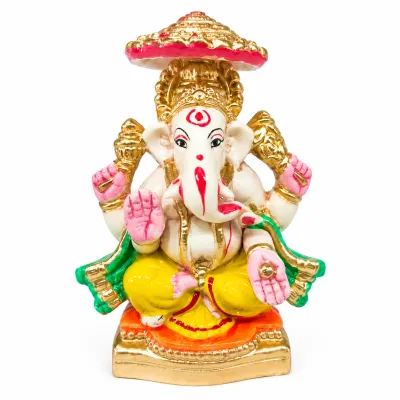
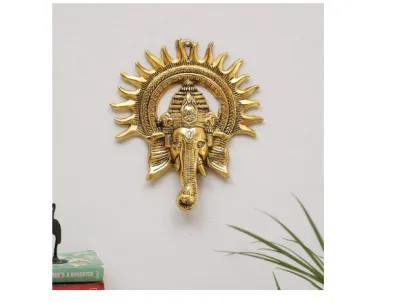
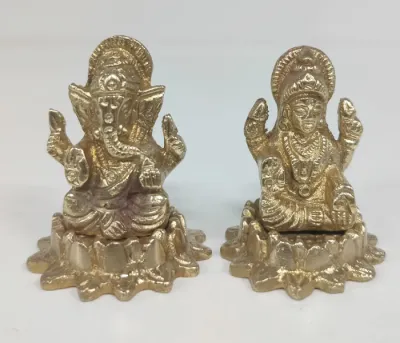
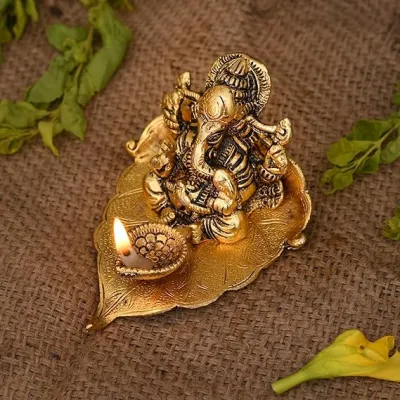
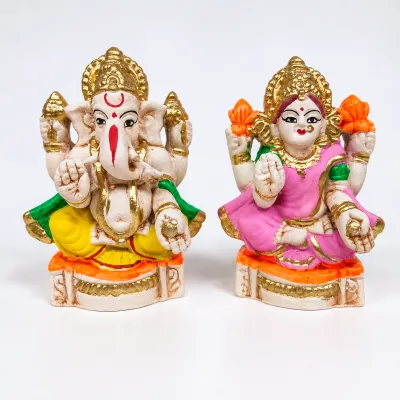
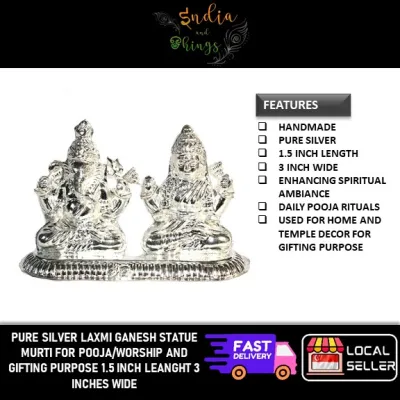
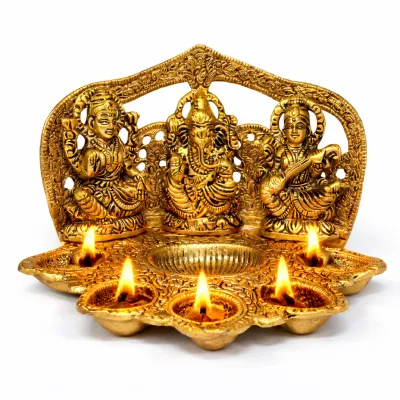
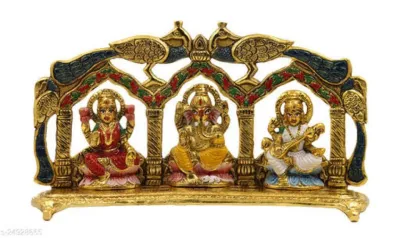
Prices are valid at publication and may change. Please refer to the product page for the latest price.
Permanent display pieces serve as enduring symbols of wisdom, prosperity, and artistic beauty. These idols reside on home altars, entry consoles, or living room shelves, where they are integrated into daily life and home decor. For these installations, you must consider how the material handles local humidity, how easily it can be cleaned, and how its aesthetic matches your furniture and lighting.
Mixing these two purposes can lead to practical challenges. Attempting to immerse a durable metal or resin idol in a natural water body is ecologically damaging and often prohibited. Conversely, placing a delicate, unfired clay idol in a high-humidity area without proper protection can cause it to degrade over time. Clarifying your intent from the outset prevents these issues and guides you to the appropriate category of craftsmanship.
Eco-Friendly Materials for Ganesh Chaturthi Immersion
For those celebrating Ganesh Chaturthi with the traditional immersion ritual, eco-friendly materials are the only responsible choice. Natural clay, often referred to as Shadu clay, is the gold standard for water-soluble idols. This traditional material is unbaked and free from chemical binders, allowing it to dissolve completely in water within a few hours. Using natural clay ensures that the ritual remains aligned with its ancient, earth-centric origins.

In contrast, Plaster of Paris (PoP) poses severe environmental risks when introduced to water bodies. PoP is insoluble, taking months or even years to break down, and it depletes oxygen levels in water, threatening aquatic life. Additionally, many mass-produced PoP idols are decorated with chemical-based paints containing heavy metals. These toxins persist in the environment, making PoP highly unsuitable for immersion ceremonies.
When shopping for a festival idol in Singapore, always verify eco-friendly claims by inspecting the product’s finish and weight. True eco-friendly clay idols are typically heavier than their hollow PoP counterparts and feature matte, earthy finishes painted with natural, non-toxic pigments like turmeric, vermilion, and clay-based colors. Check with local retailers to ensure the idol complies with local environmental guidelines, and confirm whether designated artificial immersion ponds or collection points are provided for the festival.
Durable Materials for Year-Round Home Decor
When selecting a Ganesh idol for permanent display, durability and aesthetic integration are the primary considerations. Traditional metals such as brass and bronze are highly favored for classic, heirloom-quality altar pieces. These materials offer a timeless, metallic warmth that patinas beautifully over time, reflecting light elegantly under warm LED spotlights. Brass is exceptionally durable, resistant to minor impacts, and carries a substantial weight that anchors it securely on any flat surface.
For homes with contemporary, minimalist, or classic wooden interiors, carved wood and marble offer distinct design advantages. Wooden idols, often crafted from teak, sandalwood, or rosewood, bring an organic, grounding texture to a room. They blend seamlessly with Scandinavian or rustic decor styles, though they require protection from extreme humidity. Marble and stone idols, with their cool surfaces and clean lines, project an aura of serene permanence, making them ideal for dedicated prayer rooms or bright, modern entryways.
Resin and polyresin have emerged as popular modern alternatives for detailed and lightweight decorative applications. These engineered materials allow artisans to capture intricate details, textures, and vibrant colors that are difficult to achieve in metal or stone. Polyresin is highly resistant to moisture and fading, making it a practical choice for Singapore’s tropical climate. It is also lightweight, which is advantageous if you plan to place the idol on floating shelves or delicate glass display cabinets.
Matching Design, Posture, and Size to Your Space
The physical attributes of a Ganesh idol should harmonize with both traditional symbolism and the physical dimensions of your living space. The posture of the deity carries specific meanings that influence the energy of a room. A sitting Ganesh represents calm, peace, and domestic harmony, making it the preferred choice for permanent home altars and living rooms. A standing or dancing Ganesh symbolizes active energy, creativity, and dynamism, which can serve as an inspiring focal point in a home office or creative studio.
Sizing the idol correctly is essential to maintain visual balance within your interior design. A massive idol on a small console table can overwhelm the space, while a tiny figurine on a large mantelpiece may get lost in the surrounding decor. Measure the height, width, and depth of your designated shelf or altar before purchasing. Ensure there is ample clearance above the idol, especially if you plan to install overhead lighting or decorative backdrops.
Artistic styles should complement your existing home decor theme. Traditional, highly ornate designs with detailed jewelry and traditional color palettes fit beautifully into classic Indian-inspired interiors or dedicated prayer spaces. For modern, open-concept apartments, minimalist or abstract Ganesh sculptures—featuring clean lines, single-tone finishes, or metallic accents—offer a subtle, sophisticated nod to cultural heritage without clashing with contemporary furniture. If you plan to install a heavy suspended idol or mount a decorative backdrop with integrated lighting, always isolate the power source before installation, follow the manufacturer’s instructions, and consult a qualified professional for secure mounting.
Care and Maintenance for Permanent Idols
Preserving the beauty and structural integrity of a permanent Ganesh idol requires regular, material-specific maintenance. Metal idols, particularly brass and bronze, are prone to tarnishing when exposed to air and moisture. Regular dusting with a soft, dry microfiber cloth is the first line of defense. For deeper cleaning, use specialized metal polishes or traditional natural mixtures like tamarind paste or lemon juice mixed with baking soda, ensuring you dry the metal completely afterward to prevent water spots.
Wooden and marble idols require gentler handling to avoid surface damage. Wood should never be soaked in water; instead, wipe it with a slightly damp cloth and occasionally apply a thin layer of natural wood wax to maintain its luster and prevent cracking in air-conditioned environments. Marble is highly porous and can stain easily if exposed to colored powders or oils used during prayers. Clean marble surfaces immediately with mild, pH-neutral soap and water, avoiding acidic cleaners that can etch the stone.
Resin and painted idols should be kept away from direct sunlight to prevent the colors from fading or the material from becoming brittle. Avoid using harsh chemical solvents or abrasive scrubbing pads, which can peel the paint or scratch the smooth resin surface. If you possess an antique, delicate, or highly valuable cultural artifact that shows signs of structural damage or severe discoloration, refrain from DIY restoration and consult a professional conservator to preserve its value and beauty.
Frequently Asked Questions (FAQ)
Can I use a brass Ganesh idol for Ganesh Chaturthi immersion?
Traditional immersion rituals require the idol to dissolve and return to the earth, which is physically impossible with brass. Immersing a metal idol in natural water bodies is also ecologically harmful and violates local environmental regulations. Instead of physical immersion, you can perform a symbolic immersion at home. This involves placing the brass idol in a shallow decorative bowl, gently bathing it with water or milk, and then wiping it dry to return it to its permanent place on your altar.
How do I safely dissolve a clay idol if I live in an apartment?
Living in a high-rise apartment in Singapore does not prevent you from performing a traditional immersion. You can safely dissolve a natural clay idol at home by placing it in a large bucket or clean container filled with water. Within a few hours, the unbaked clay will break down completely into soft soil. You can then use this nutrient-rich clay water to water your indoor potted plants or balcony garden, completing the sacred cycle of returning the deity to nature within your own living space.
What is the ideal direction to face a permanent Ganesh idol at home?
According to traditional spatial guidelines, the ideal direction to place a permanent Ganesh idol is facing the east or the northeast corner of the home, which is associated with positive energy and spiritual growth. However, the most critical factor is ensuring the idol is placed in a clean, respectful, and elevated position. Avoid placing the idol directly on the floor, underneath staircases, or against walls shared with bathrooms, regardless of the compass direction. Keep the surrounding area uncluttered to maintain a serene atmosphere.
Community discussion
Share your experience or ask a question. Comments are reviewed before publication.