
To choose a high-quality glow-in-the-dark figurine, you must evaluate the underlying phosphorescent material, the required charging light source, material safety certifications, and structural stability. A successful purchase balances how the sculpture looks under full room lighting with how reliably it illuminates in total darkness. Understanding these factors prevents the disappointment of a faint, short-lived glow, helping you select a piece that serves as both an attractive daytime accent and a captivating nighttime feature.
Decoding Glow Duration and Charging Requirements
Phosphorescent materials work by absorbing photons and slowly releasing them as visible light. The two most common pigments used in modern figurines are zinc sulfide and strontium aluminate. Strontium aluminate-based pigments generally offer a significantly longer and brighter emission cycle, but you should always verify the manufacturer’s specific rated glow duration on the product label rather than relying solely on generic material names.
The excitation process depends heavily on the wavelength of the charging light source. Ultraviolet (UV) light waves are highly efficient at exciting these phosphorescent crystals. While natural sunlight provides rapid charging, a dedicated UV lamp or blacklight is often the most reliable way to achieve peak brightness indoors.
Products mentioned in this guide

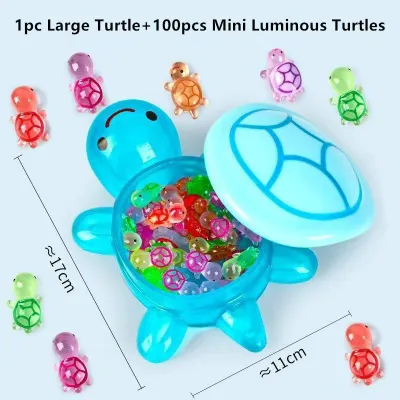
Prices are valid at publication and may change. Please refer to the product page for the latest price.
Standard household LED bulbs, particularly those with warm-white color temperatures, emit very little UV light. Consequently, charging your figurine under typical indoor lighting may require several hours of exposure and still result in a relatively weak glow. If you plan to display the piece in a room without direct sunlight, consider positioning it near a cool-white light source or using a small UV flashlight.
Managing your expectations regarding glow visibility is also crucial. A figurine that appears to glow intensely in a windowless closet may seem faint in a bedroom affected by streetlights, electronic standby lights, or passing car headlights. For the best visual impact, plan to display your figurine in an environment where you can control and minimize ambient light pollution.
Checking Material Safety and Structural Build
Because figurines are decorative items that may be handled during cleaning or moved around the home, material safety is a primary concern. Ensure the product packaging or online description explicitly states that the paints and resins used are non-toxic and lead-free. This verification is especially critical if the figurine will be displayed within reach of curious pets or young children.

Look for recognized safety standards and certifications on the label, such as ASTM D-4236 or EN71. These designations indicate that the materials have been evaluated by independent laboratories for toxicological hazards. Avoid purchasing unbranded items that lack clear manufacturing origins or safety disclosures.
Physical stability is another key factor in long-term durability. Inspect the figurine’s weight distribution and base footprint; a top-heavy design with a narrow base is highly susceptible to tipping over and fracturing. If you are purchasing a larger or more intricate sculpture, look for designs that feature a wide, weighted base to prevent accidental damage.
Examine the quality of the surface finish and seam construction. High-quality molded plastic, vinyl, or resin figurines should have clean, smooth joins without excess material or gaps. A clear, protective topcoat or sealant is also highly beneficial, as it prevents the glow-in-the-dark powder from flaking off over time and protects the pigment from environmental moisture.
Matching Dimensions and Display Environments
Before finalizing your purchase, take precise measurements of your intended display space. Measure the height, width, and depth of the shelf, desk, or mantelpiece where the figurine will sit. Compare these dimensions against the product’s official specifications to ensure a comfortable fit that does not crowd other decorative items.
Consider the physical footprint of the base in relation to the surface. A base that extends too close to the edge of a shelf increases the risk of the figurine being knocked down during routine cleaning or daily activity. Leaving a safety margin of at least a few centimeters around the base is a practical way to safeguard your investment.
The surrounding lighting conditions will dictate how often you actually see the figurine glow. If your room features automated nightlights or bright streetlights shining through the windows, the ambient light may overpower the phosphorescence. Creating a dedicated shadow box or placing the figurine in a recessed alcove can help shield it from external light sources, maximizing the contrast of the glow.
Do not overlook the figurine’s daytime appearance. Because the glow effect is only visible in the dark, the piece must function as an appealing sculpture under normal room lighting. Evaluate the daytime color palette, texture, and artistic style to ensure it harmonizes with your existing interior design theme and color scheme.
Verifying Product Labels and Seller Claims
When shopping on online marketplaces, it is easy to be swayed by digitally enhanced product photos that depict an unrealistically intense glow. To avoid disappointment, scroll past the promotional imagery and carefully review the technical specifications section. Look for concrete details regarding material composition, exact dimensions, and recommended age limits.
Be analytical when encountering vague marketing terms such as “permanent glow” or “super-bright illumination.” In physics, all passive phosphorescent materials experience a decay curve, meaning the brightness will inevitably fade over several hours until the material is recharged. Realistic performance boundaries usually involve a bright initial glow that gradually softens into a gentle luminescence.
Finally, investigate the seller’s customer service policies, including return windows and shipping protections. Delicate figurines can easily sustain structural damage or surface scratches during transit if they are not packaged securely. Choosing a retailer that offers robust shipping guarantees and a straightforward return process ensures you are protected if the item arrives damaged or fails to meet your expectations.
Frequently Asked Questions (FAQ)
Does a glow-in-the-dark figurine need direct sunlight to charge?
No, direct sunlight is not mandatory, though it is highly effective due to its rich ultraviolet spectrum. You can successfully charge the figurine using artificial UV light sources, such as a small blacklight, or high-output cool-white LED bulbs. Standard warm-white household lighting will charge the material much more slowly and may not produce the maximum possible brightness.
Why is my figurine's glow fading faster than expected?
Rapid fading is typically caused by insufficient charging time, weak light sources during the excitation phase, or ambient light pollution in the room that prevents your eyes from adjusting to the darkness. Additionally, dust or surface oils accumulated on the figurine can block incoming light; gently wiping the surface with a dry microfiber cloth can help restore charging efficiency.
Community discussion
Share your experience or ask a question. Comments are reviewed before publication.