
Setting up a home altar is a deeply personal and spiritual endeavor, bringing peace, mindfulness, and blessings into your living space. When selecting a Great Compassion Mantra water cup (大悲咒水杯) for your daily Buddhist practice, you must look beyond simple aesthetics. The ideal cup must balance religious accuracy, appropriate sizing for your specific altar setup, durable and safe materials, and ease of daily maintenance.
A water offering is not merely a ritualistic gesture; it is a daily reflection of your inner state. Therefore, choosing the right vessel requires careful evaluation of its physical characteristics and spiritual integrity. By focusing on the completeness of the printed or engraved text, the stability of the vessel, and how well it fits into your home environment, you can establish a harmonious and respectful offering routine.
Understand the Purpose and Setup of Your 大悲咒水杯
Before purchasing any offering vessels, it is essential to understand the symbolic significance of water in Buddhist traditions. Water represents purity, equality, and a clear, undisturbed mind. When you look at the water on your altar, it serves as a mirror to remind you to keep your thoughts clean, calm, and unbiased throughout the day. Because the offering represents these spotless qualities, the vessels holding it should be chosen with deliberate care and mindfulness.
Products mentioned in this guide
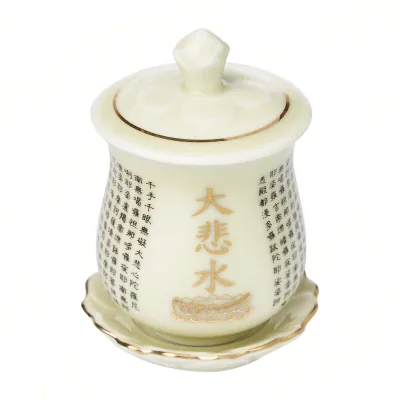
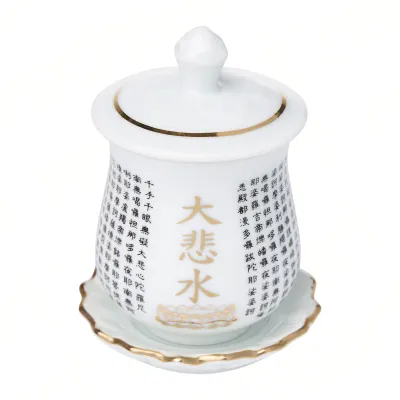
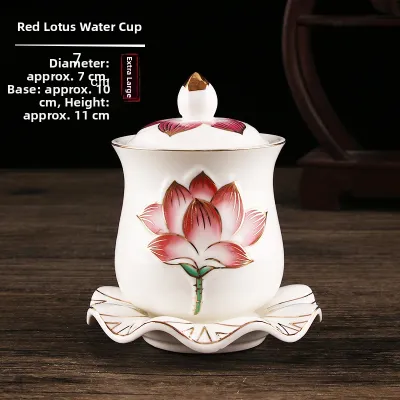
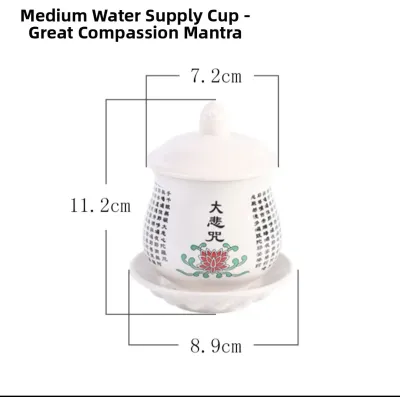
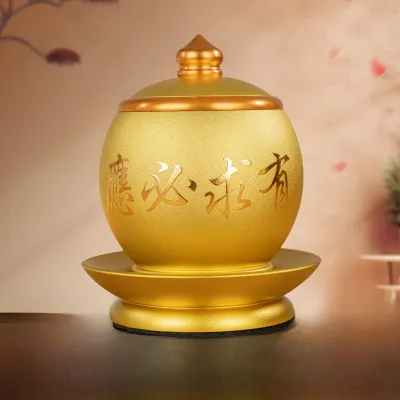
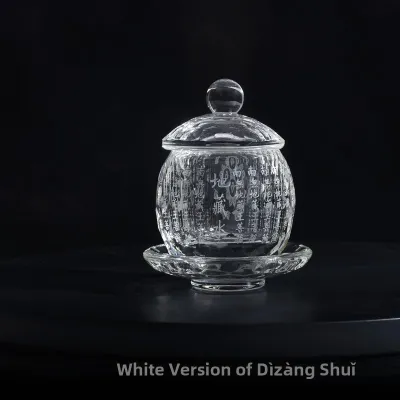
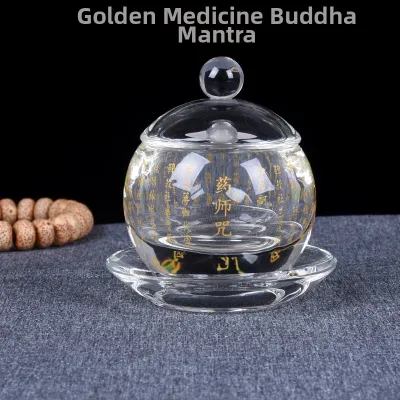
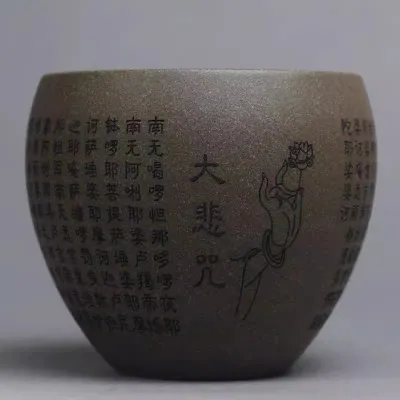
Prices are valid at publication and may change. Please refer to the product page for the latest price.
The number of cups you place on your altar depends on your specific daily practice, lineage, and the deities you honor. Commonly, practitioners set up either a single cup, a set of three, or a set of seven. A single cup often represents the unified mind or is dedicated to a central figure like Guan Yin (Avalokiteshvara). Three cups typically symbolize the Triple Gem—the Buddha, the Dharma, and the Sangha—or represent the three doors of action: body, speech, and mind. Seven cups are frequently used in Tibetan Buddhist practices to represent the seven limbs of prayer. Deciding on this number beforehand is crucial because it dictates the total space required on your altar.
In Singapore, residential layouts like HDB flats and modern condominiums often feature compact, space-saving prayer altars or wall-mounted shelves. These space constraints make precise measurements a necessity. Before browsing for cups, measure the exact width and depth of your altar shelf. Ensure there is ample clearance not just for the cups themselves, but also for other essential items such as incense burners, flower vases, and fruit plates. A crowded altar can feel cluttered and chaotic, which defeats the purpose of creating a serene, meditative space. Leave at least a few centimeters of breathing room between each item to prevent accidental tipping during your daily offerings.
Evaluate Material Options for Daily Use
The material of your Great Compassion Mantra water cup affects its longevity, maintenance requirements, and safety within your household. Each material brings distinct physical characteristics that suit different home environments.

Glass
Glass cups are highly favored for their transparency, which beautifully showcases the clarity and purity of the offering water. They are exceptionally easy to clean and do not retain stains or odors. However, glass is inherently fragile. If your altar is located in a high-traffic area, near a window where wind might blow curtains, or on a shelf that is easily bumped, glass may not be the safest choice. It is best reserved for stable, dedicated altar rooms or secure, enclosed cabinets where the risk of physical disturbance is minimal.
Ceramic and Porcelain
Ceramic and porcelain vessels offer a classic, solemn aesthetic that has been used in temples for centuries. They carry a reassuring weight, making them highly stable and resistant to accidental tipping. High-quality porcelain often features beautiful glaze finishes, sometimes adorned with gold-leaf lettering of the mantra. When choosing ceramic, verify that the interior of the cup is fully glazed. An unglazed or poorly glazed interior can absorb minerals from the water over time, leading to stubborn staining and bacterial growth that is difficult to scrub away.
Metal (Copper, Brass, or Stainless Steel)
Metal cups, particularly those made of copper or brass, are traditional favorites due to their brilliant luster and association with precious offerings. Stainless steel options provide a modern, highly durable alternative. Metal vessels are virtually shatterproof, making them the safest option for households with curious pets, such as cats, or young children. The primary trade-off with metal is maintenance. Copper and brass naturally oxidize when exposed to water and air, requiring regular polishing with specialized metal cleaners to prevent tarnishing, green patina, or unsightly water spots.
Materials to Avoid
It is highly recommended to avoid cheap plastics or cups with unverified inner chemical coatings. Plastic degrades quickly under UV light, can warp, and may leach chemicals into the water. Furthermore, using low-quality, disposable-looking materials for a permanent home altar is often viewed as lacking the deep respect and devotion central to Buddhist practice. Invest in high-quality, durable materials that reflect the permanence and sincerity of your spiritual commitment.
Verify the Mantra Accuracy and Craftsmanship
Because the Great Compassion Mantra (Da Bei Zhou) is a sacred text of profound spiritual significance, verifying the physical quality and textual accuracy of the script on the cup is the most critical step of your purchase.
Mantra Accuracy
The Great Compassion Mantra consists of specific Sanskrit syllables transliterated into Chinese characters. A high-quality cup must display these characters completely, in the correct order, and entirely free of typographical errors or omitted lines. Even minor spelling mistakes can compromise the integrity of the vessel as a sacred object. When shopping online, avoid listings that only show generic, low-resolution mockups. Request clear, high-definition, close-up photographs of the entire wrapped text from the retailer so you can verify the characters yourself or consult an experienced practitioner before finalizing your purchase.
Engraving vs. Printing
The method used to apply the text to the cup greatly influences its durability. Engraved or etched lettering—where the characters are physically carved into the ceramic, glass, or metal—is the most durable and respectful option. Engraved text will not fade, rub off, or peel, even after years of daily washing. Printed decals or painted lettering, while often more colorful and affordable, are highly susceptible to wear. Over time, repeated handling and washing can cause the printed characters to flake off, leaving behind a patchy, incomplete mantra that looks neglected.
Structural Integrity and Design Features
Examine the overall construction of the cup. The rim must be perfectly smooth and even, without any sharp edges, chips, or glaze bubbles that could catch on a cleaning cloth or scratch your hands. The base must be completely flat and wide enough to provide solid stability on your altar shelf. Additionally, consider purchasing a cup that comes with a matching lid. While not strictly mandatory, a lid is highly practical for keeping airborne dust, incense ash, and small insects out of the offering water, ensuring the water remains pure throughout the day.
Step-by-Step Selection and Purchasing Checklist
To ensure you select the perfect vessel without encountering unexpected compatibility or quality issues, follow this structured, step-by-step purchasing guide.
- Step 1: Measure and Plan
Measure your altar shelf's available space. Determine the maximum allowable diameter for your cups, keeping in mind whether you are placing one, three, or seven vessels. Ensure there is enough physical clearance to lift and place the cups comfortably without hitting the shelf above or crowding neighboring items. - Step 2: Choose Your Material
Assess your household environment. If you have pets or children, prioritize shatterproof materials like copper or stainless steel. If your altar is highly secure and you prioritize maximum visual purity, opt for glass or glazed porcelain. - Step 3: Inspect the Text and Craftsmanship
Obtain detailed photos of the mantra text. Carefully check the characters for accuracy and completeness. Choose engraved or high-fired glazed finishes over cheap printed decals to ensure the sacred text remains pristine over years of daily cleaning. - Step 4: Check Retailer Policies
Ensure the retailer has a reliable return or exchange policy. This is particularly important when purchasing fragile materials like glass or ceramic online, as items can occasionally be damaged during transit.
A Note on Pricing and Sincerity
While budget is always a practical consideration, avoid purchasing the cheapest options from unverified online marketplaces. Extremely low-priced items often suffer from poor quality control, resulting in misspelled mantras, unstable bases, or hazardous chemical glazes. In Singapore, high-quality, dedicated mantra cups generally range from S$15 to S$60 depending on the size, material, and intricacy of the engraving. Investing in a well-made vessel reflects a mindful, respectful approach to your daily practice.
First-Time Preparation and Daily Maintenance
Once you have selected and received your Great Compassion Mantra water cup, proper preparation and daily upkeep are essential to maintain both the physical beauty of the vessel and the spiritual purity of your offerings.
Initial Cleansing
Before placing a new cup on your altar, it must be thoroughly cleansed. Wash the cup using warm water and a soft, non-abrasive microfiber cloth to remove any manufacturing dust, residues, or fingerprints. Avoid using harsh chemical detergents or highly scented dish soaps, as these can leave behind chemical residues or artificial fragrances that detract from the purity of the offering. If soap is necessary, use a tiny amount of natural, unscented, eco-friendly cleanser, and rinse the cup multiple times with clean water.
Daily Routine
Establish a consistent daily routine, preferably in the morning. Empty the previous day’s water, rinse the cup, and fill it with fresh, clean drinking water. After emptying the cup, use a clean, dedicated cloth to wipe both the interior and exterior completely dry. This step is particularly vital in Singapore’s hot and highly humid tropical climate, where standing moisture can rapidly lead to unsightly water spots, mineral buildup, or even mold growth along the rim and base.
Descaling and Deep Cleaning
Over time, tap water or mineral water can leave behind stubborn white scale deposits, especially on glass and metal cups. To remove these safely without damaging the material or the engraved mantra, soak the cup in a mild solution of warm water mixed with a tablespoon of white vinegar or baking soda for about ten to fifteen minutes. Gently wipe the scale away with a soft sponge, then rinse the vessel thoroughly with clean water to ensure no acidic residue remains.
Respectful Disposal of Damaged Cups
If a mantra cup becomes chipped, cracked, or broken, it should no longer be used for altar offerings, as presenting damaged items is considered disrespectful. Because the cup features sacred text, do not simply discard it in your regular household trash. Instead, handle the damaged item with care and respect. The traditional practice is to wrap the broken pieces neatly in a clean piece of red cloth or clean paper, and then bring them to a local Buddhist temple, where the staff can assist in disposing of them in a proper, respectful manner.
Frequently Asked Questions (FAQ)
Can I use regular drinking glasses instead of specific mantra cups?
Yes, you can use regular, clean drinking glasses for your water offerings. In Buddhist practice, your inner sincerity, devotion, and the purity of your intent are far more important than the cost or specific style of the vessel. However, dedicated Great Compassion Mantra cups are specifically designed with appropriate altar proportions, often feature stable bases and protective lids, and carry the visual presence of the sacred scripture, which can help deepen your focus and mindfulness during daily practice.
Should the water cups have lids?
While lids are not strictly mandatory for a valid water offering, they are highly recommended for home altars. Lids serve a practical purpose by preventing airborne dust, incense ash, pet hair, and small insects from falling into the clean water. Using a lid also demonstrates a high level of respect, care, and mindfulness, ensuring that the offering remains as pure and clean as possible throughout the day.
Community discussion
Share your experience or ask a question. Comments are reviewed before publication.