
Finding the perfect home decor showpiece is more than just an impulse buy during a weekend shopping trip. It is an intentional design decision that anchors your room’s visual narrative. In Singapore’s diverse housing landscape, from cozy HDB apartments to spacious condominiums, a well-chosen sculpture or figurine serves as a focal point that bridges the gap between functional furniture and personal expression. The key to success lies in understanding how a single decorative object interacts with your existing interior style, spatial constraints, and environmental conditions. By analyzing your room’s aesthetic, matching material finishes, and verifying physical proportions, you can select an artifact that feels like an organic extension of your home rather than an afterthought.
Define Your Room Aesthetic to Narrow Down Options
To begin your search, you must first diagnose the dominant design language of your space. Singaporean homes frequently embrace specific design movements, each characterized by distinct geometric lines, color palettes, and spatial philosophies.
Modern Minimalist spaces prioritize simplicity, functionality, and negative space. If your home features hidden storage, handleless cabinets, and a neutral color scheme of whites, grays, and blacks, your showpiece should reflect this restraint. Look for abstract sculptures with clean, uninterrupted lines or single-form geometric shapes that command attention through form rather than intricate detail.
Products mentioned in this guide
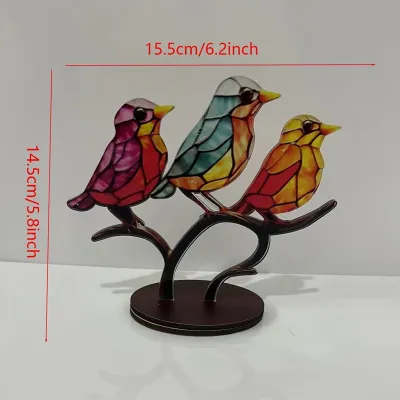
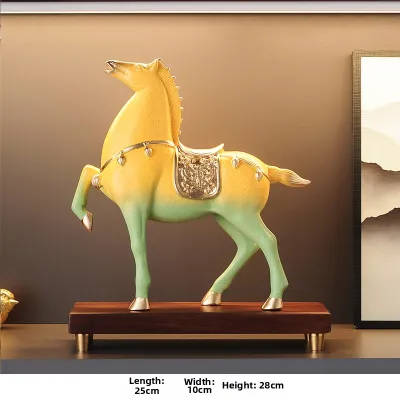

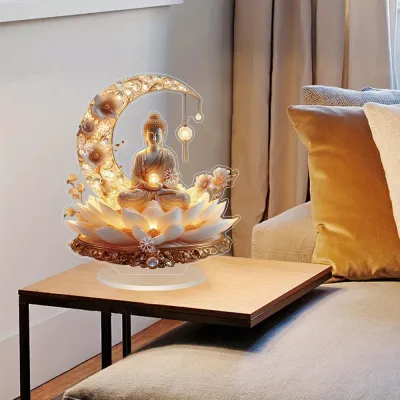

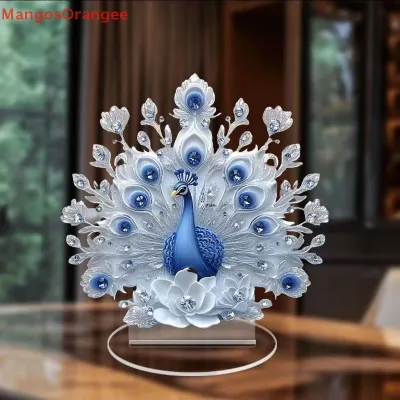
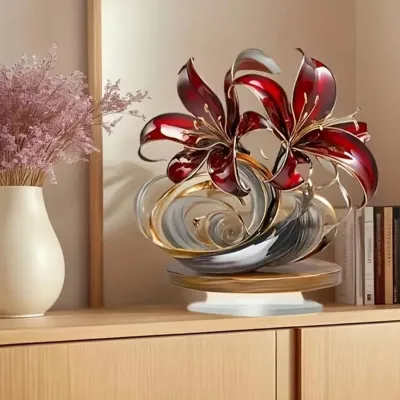
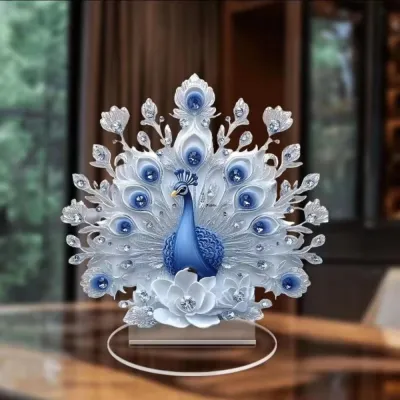
Prices are valid at publication and may change. Please refer to the product page for the latest price.
Scandinavian interiors focus on warmth, light, and natural elements. This style, highly popular in local apartments, relies on soft pastel accents, light wood tones, and plenty of natural light. A suitable showpiece for a Scandinavian room often features organic curves, stylized animal figurines, or ceramic pieces with soft, matte finishes that evoke a sense of calm and connection to nature.
Industrial design celebrates raw, unfinished elements. If your living room showcases exposed brick, concrete screed floors, track lighting, or black metal framing, your decor should match this rugged aesthetic. Look for artifacts made of distressed metals, gears, architectural fragments, or concrete structures that highlight texture and structural honesty.
Eclectic spaces are highly personalized, blending elements from various eras and cultures. If your home features a mix of vintage mid-century modern chairs, bold wallpaper, and colorful textiles, your showpiece can be a conversation starter. In an eclectic room, you have the freedom to choose whimsical figurines, vibrant glass art, or antique artifacts, provided they share at least one visual link—such as a common accent color or a repeating geometric motif—with the surrounding decor.
Before purchasing, take a step back and analyze your current color palette and furniture lines. If your furniture consists of sharp, angular pieces, introducing a showpiece with soft, rounded contours can soften the room’s overall feel. Conversely, if your space is dominated by plush, curved sofas, an angular geometric sculpture can provide a welcome contrast. Setting a clear style boundary is essential; introducing too many competing styles in a compact living area quickly leads to visual clutter, making the room feel smaller and disorganized.
Match Materials and Finishes to Your Design Theme
The material of your home decor showpiece dictates how it reflects light, how heavy it feels visually, and how well it integrates with your existing furniture. Different design themes naturally call for specific material families.

For modern and contemporary spaces, sleek metals like polished brass, chrome, and stainless steel work exceptionally well. These materials reflect light, adding a touch of sophistication and brightness to dark corners. Glass and crystal artifacts offer a sense of weightlessness, making them excellent choices for smaller rooms where you want to maintain an airy, unobstructed feel. Matte ceramics in solid black, white, or bold primary colors also complement modern interiors by providing clean surfaces that do not compete with other design elements.
If you are styling a Scandinavian or biophilic home, prioritize natural, tactile materials. Light-toned woods such as ash, beech, or oak bring warmth and organic texture to your shelves. Woven rattan, terracotta, and unglazed pottery add a rustic, handcrafted quality that aligns with the “hygge” philosophy. These materials feel grounded and inviting, softening the clean lines of modern apartment architecture.
Industrial interiors demand materials with character and weight. Raw iron, weathered bronze, cast concrete, and distressed copper are ideal choices. These materials often feature natural imperfections, oxidation, or rough textures that tell a story. A concrete geometric sculpture or a salvaged metal gear replica can anchor an industrial console table, reinforcing the raw, utilitarian vibe of the space.
Regardless of the style you choose, always verify material authenticity and care requirements by checking the product labels or manufacturer specifications. In Singapore’s tropical climate, high humidity levels can affect certain materials over time. For instance, untreated iron may rust, while low-quality wood veneers might warp or split. Opt for high-quality, treated materials that are rated for indoor use in humid environments, ensuring your investment retains its beauty for years to come.
Determine the Right Scale and Proportion for Your Space
A common mistake when selecting a home decor showpiece is ignoring the physical scale of the display area. An oversized sculpture can overwhelm a delicate console table, while a tiny figurine can easily get lost on a large bookshelf, appearing more like clutter than a deliberate design choice.
Before browsing online marketplaces or visiting local boutiques, use a measuring tape to record the exact height, width, and depth of the shelf, mantel, or tabletop where the showpiece will sit. When reviewing product listings, cross-reference these measurements with the item’s specifications. As a general rule of thumb, a standalone showpiece should occupy approximately one-third to one-half of the width of the surface it sits on, leaving ample breathing room on either side.
Understanding visual weight is crucial when planning your display. Visual weight refers to how much attention an object attracts. A solid, dark-colored stone sculpture has more visual weight than a hollow, wireframe metal sculpture of the exact same dimensions. If you are creating a standalone statement, choose a piece with significant visual weight that can hold its own. If you prefer a grouped vignette, combine a taller showpiece with two smaller items—such as a stack of books and a small candle—applying the “rule of threes” to create a balanced, asymmetrical composition.
Additionally, consider the viewing distances and sightlines within your home. In open-plan living and dining layouts, which are standard in many modern apartments, your showpiece should be visible and recognizable from multiple angles. A piece placed on a room-dividing console needs to look attractive from both the front and the back. Ensure that taller sculptures do not block sightlines between seated guests or obstruct the path of natural light flowing from your windows.
Evaluate Placement and Environmental Conditions
The environment in which you place your showpiece directly impacts both its visual appeal and its long-term durability. Proper placement requires a careful assessment of lighting, humidity, and physical stability.
Lighting plays a transformative role in how a sculpture is perceived. Natural light streaming through a window can highlight the intricate textures of a carved wooden piece or cast beautiful shadows from an abstract metal sculpture. However, prolonged exposure to direct sunlight can cause colors to fade and materials like plastics, resins, or certain woods to degrade. If you place a showpiece near a balcony or window, ensure it is UV-resistant or protected by window films. Alternatively, use artificial lighting—such as a dedicated spotlight, track light, or warm LED strip—to accentuate the contours and details of your showpiece during the evening.
Singapore’s tropical climate presents unique challenges, particularly regarding humidity. High moisture levels can damage sensitive materials like unsealed plaster, delicate paper-mache, or untreated metals. Avoid placing fragile, moisture-sensitive figurines in high-humidity zones such as bathrooms, kitchens, or directly adjacent to open balcony doors during the monsoon season. If you wish to decorate these areas, opt for non-porous materials like glazed ceramics, high-quality glass, or rust-resistant stainless steel.
Physical stability is another critical factor, especially in busy households. Heavy stone, concrete, or metal sculptures require a sturdy, level surface that can support their weight without bowing. If you have children or pets, avoid placing top-heavy or highly fragile items on the edges of tables or low shelves where they can be easily knocked over. For heavy wall-mounted showpieces or those requiring integrated electrical wiring, always consult a qualified professional to ensure secure anchoring and safe power isolation before installation. If your chosen showpiece features integrated LED lighting, verify the voltage, plug type, and electrical safety certification before connecting it to your home power supply.
Pre-Purchase Verification and Quality Checks
To ensure a seamless shopping experience and avoid the hassle of returns, perform a thorough pre-purchase verification before finalizing your order. This is especially important when purchasing from online platforms where you cannot physically handle the item.
Start by double-checking the listed dimensions and weight against your prepared measurements. Do not rely solely on product photos, as close-up shots can make small items appear much larger than they are. Check the base of the sculpture in the product description or images; a wide, flat, or felt-lined base is essential for protecting your furniture from scratches and ensuring the piece remains stable.
Review the retailer’s return policies, shipping terms, and packaging standards. Fragile artifacts made of glass, ceramic, or plaster require robust packaging—such as molded foam or double-boxing—to survive transit. Reading customer reviews can provide valuable insights into how well the retailer packages fragile items and whether the actual product matches the advertised photos in terms of color and finish quality.
Once your showpiece arrives, inspect it immediately before discarding the packaging. Look for finish consistency, checking for any unwanted chips, scratches, or discoloration. Examine the joints and seams of metal or molded pieces to ensure there are no visible gaps or structural weaknesses. If the item features a painted or glazed finish, verify that the coating is even and free of bubbles or peeling. Taking these steps immediately upon delivery ensures you can address any quality issues with the retailer promptly.
Frequently Asked Questions (FAQ)
Can I mix different interior styles with a single showpiece?
Yes, you can successfully introduce a contrasting showpiece to create an intentional focal point, a technique often referred to as creating eclectic tension. For example, placing a highly detailed, traditional bronze figurine inside a stark, ultra-modern minimalist living room draws immediate attention to the craftsmanship of the piece. The key is moderation; limit yourself to one or two contrasting elements so the choice feels deliberate rather than accidental. To maintain harmony, try to tie the contrasting piece to the rest of the room through a shared element, such as matching the warm undertones of the bronze with brass cabinet hardware or warm-toned throw pillows. If there are no connecting visual threads, the piece may look like clutter rather than a curated design choice.
How do I safely clean and maintain delicate figurines?
Preserving the beauty of your decorative showpieces requires regular, gentle maintenance tailored to the specific material. For routine cleaning, use a soft, dry microfiber cloth to wipe away dust, or use a soft-bristled makeup brush or paint brush to gently clean intricate crevices and hard-to-reach details without applying pressure. Avoid using harsh chemical cleaners, abrasive scrubs, or multi-purpose sprays, as these can strip protective waxes, patinas, paints, or glazes from the surface. For glazed ceramics or glass pieces that have accumulated grime, a damp cloth with a tiny drop of mild dish soap is usually sufficient, but always dry the piece immediately with a soft towel. Always consult the manufacturer’s care label or instructions for material-specific polishing or washing guidelines to prevent accidental damage.
Community discussion
Share your experience or ask a question. Comments are reviewed before publication.