
Recreating the sensory experience of a five-star hotel lobby within your own home requires more than just picking a pleasant scent. Achieving that signature, sophisticated ambiance depends on matching the fragrance delivery method to your specific living environment, understanding how scent notes interact with your room’s airflow, and verifying the safety of the ingredients. By evaluating how different formulations disperse and linger, you can transform your living space into a refined sanctuary that offers a consistent, welcoming atmosphere.
Determine the Right Formulation Type for Your Space
To establish a consistent hotel-like atmosphere, you must first decide between room sprays and concentrated essential oils, as each serves a distinct spatial purpose. Room sprays, which typically feature a water or alcohol base, are designed for immediate, high-impact scent projection. They release fine droplets that disperse rapidly into the air, making them ideal for a quick sensory lift before guests arrive or to refresh a room after cooking. However, because the liquid carrier evaporates quickly, the scent throw is temporary, requiring regular reapplication to maintain the effect.
In contrast, essential oils are highly concentrated botanical extracts or synthetic fragrance blends that require a dedicated delivery tool to disperse. Ultrasonic misters, which use water and high-frequency vibrations to create a cool mist, are excellent for adding subtle moisture to air-conditioned rooms while steadily releasing fragrance. If you choose an electronic diffuser, always verify its electrical specifications, including voltage compatibility with your local power supply (such as 230V systems), plug types, and relevant safety certifications to ensure safe, continuous operation. For a waterless option, nebulizing diffusers use pressurized air to atomize pure oil into a dense vapor, offering a much stronger scent throw suitable for larger open-plan layouts.
Products mentioned in this guide

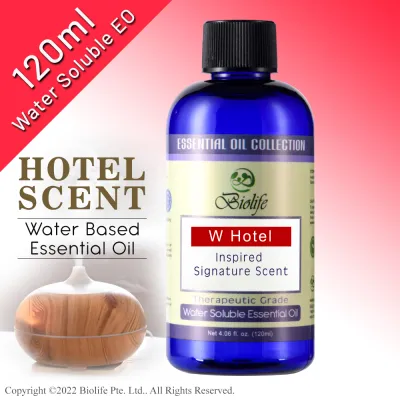
![Biolife Premium Hotel Scent Water Soluble Aromatherapy Essential Oil (120ml). [Shangri-La Hilton Westin Sheraton Ritz-Carlton Marriott Four Seasons W Hotel] For use with Aroma Diffusers Air Revitalizers Air Purifiers Humidifiers.](https://img.lazcdn.com/g/p/4e6c41efb55f6fdb6a615d686f88b873.jpg_400x400q80.jpg_.webp)
![[KIRONA SCENT] 120ML Diffuser Essential Oil | Bundle of 2 | Water Soluble Essential Oil | Suitable For Aroma Diffusers Air Revitalizers Air Purifiers Humidifiers | Luxury Hotel & Shopping Mall Scents](https://img.lazcdn.com/g/p/eebd614c2e05a630558bfdf3b85345af.jpg_400x400q80.jpg_.webp)
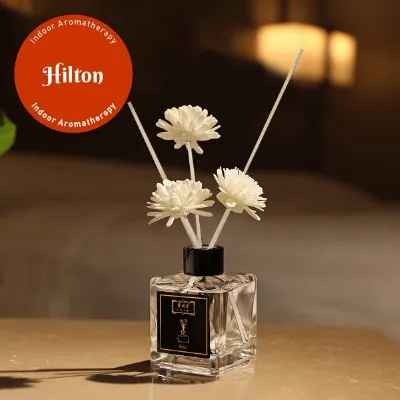
![[KIRONA SCENT] 120ML Diffuser Essential Oil | Water Soluble | 60+ Scents | Luxurious Mall & Hotel Scents | For Diffusers Air Revitalizers Air Purifiers Humidifiers](https://img.lazcdn.com/g/p/816881bc0108d3c1b35161778dcd211a.jpg_400x400q80.jpg_.webp)
Prices are valid at publication and may change. Please refer to the product page for the latest price.
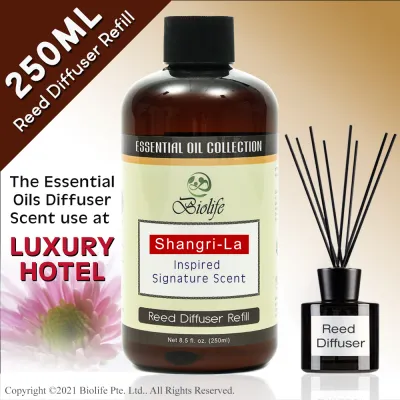
Passive delivery tools, such as reed diffusers, provide a continuous, low-maintenance fragrance background without using electricity. They rely on capillary action to draw oil up through porous reeds, slowly evaporating the scent into the immediate surroundings. When choosing between these methods, assess your room’s physical dimensions and ventilation. A compact bedroom with minimal airflow benefits from the gentle, localized diffusion of a reed diffuser, whereas a spacious living room with high ceilings or active ceiling fans requires the active projection of an ultrasonic mister or a strategic combination of room sprays to achieve even coverage.
Evaluate Scent Throw, Longevity, and Note Composition
The performance of any home fragrance relies on its scent throw, which refers to how widely and effectively the aroma travels throughout a space. Scent throw is largely determined by the concentration of fragrance oils in the formulation and the droplet size produced by the delivery method. High-quality room sprays utilize fine-mist nozzles that atomize the liquid into microscopic droplets, allowing them to remain suspended in the air longer rather than falling immediately to the floor. When evaluating essential oils for diffusers, check the manufacturer’s recommended oil-to-water dilution ratios, as over-concentrating the mixture can clog electronic components, while under-concentrating it results in a weak, imperceptible throw.

Longevity is heavily influenced by the ambient temperature and humidity of your home. In tropical climates or highly air-conditioned spaces, evaporation rates change significantly. Cold, dry air from air-conditioning units can cause volatile fragrance compounds to dissipate faster, while high natural humidity can sometimes suppress lighter scent molecules, making them feel heavy or damp. To counter these environmental factors, look for formulations that feature a robust base note structure.
Luxury hospitality scents achieve their depth and complexity through a carefully balanced three-tier note composition. Top notes, such as citrus, bergamot, or eucalyptus, provide the initial, vibrant impression but evaporate within minutes. Middle notes, often featuring florals, green tea, or light spices, form the heart of the fragrance and linger for several hours. Base notes, consisting of rich, heavy molecules like cedarwood, sandalwood, amber, or vanilla, provide the foundation, anchoring the lighter notes and remaining detectable for days.
Understanding ingredient transparency is crucial when selecting a premium product. Review product labels to distinguish between pure natural essential oils, synthetic fragrance oils, and hybrid blends. While natural essential oils offer authentic botanical profiles, high-quality synthetic compounds are often utilized in hotel scents to achieve superior stability, consistent scent projection, and a wider variety of complex notes that cannot be naturally extracted. Ensure the manufacturer provides clear ingredient disclosures and avoids undisclosed chemical fillers that can compromise scent authenticity.
Match Fragrance Profiles to Room Functions and Moods
A cohesive home fragrance strategy involves matching specific scent profiles to the functional requirements and existing decor of each room. For high-traffic entryways and main living areas, the goal is to create an immediate, welcoming first impression. Crisp, uplifting fragrance profiles featuring white tea, bamboo, bergamot, or light ozone notes work exceptionally well in these spaces. These scents complement bright, open interiors and mimic the airy, expansive feel of luxury hotel lobbies without overwhelming arriving guests.
In bedrooms and dedicated relaxation zones, the priority shifts to calming, grounding aromas that promote restfulness. Opt for low-sillage options that whisper rather than shout. Fragrance profiles dominated by lavender, chamomile, sandalwood, or warm vanilla help lower sensory stimulation. These grounding base notes interact gently with soft furnishings and bedding, creating a cozy, intimate cocoon. Avoid sharp citrus or heavy spices in sleeping quarters, as these can stimulate the senses and disrupt sleep preparation.
Bathrooms and high-humidity zones require a completely different approach, focusing on fresh, clean, and odor-neutralizing formulations. Scents containing eucalyptus, mint, lemongrass, or sea salt perform exceptionally well in moist environments, as they cut through dampness and maintain a crisp profile. Ensure that any spray used in these areas is compatible with high-humidity conditions and will not leave a slippery residue on tiled floors or stone countertops.
Always adjust the intensity of your chosen fragrance based on the physical volume of the room and its natural airflow. A small study or home office requires only a few drops of oil in a diffuser or a single light spray to achieve the desired effect. If you have active ventilation, such as open windows or mechanical exhaust systems, place your scent source slightly upstream of the airflow to allow the breeze to carry the fragrance gently across the room, rather than blowing it directly out of the space.
Verify Safety, Surface Compatibility, and Household Needs
Before introducing any new fragrance product into your home, you must verify its safety for all household members, particularly pets and young children. Many common essential oils, including tea tree, eucalyptus, peppermint, pine, and certain citrus oils, contain natural compounds that can be highly toxic to dogs and cats when inhaled, ingested, or absorbed through the skin. Carefully inspect product labels for pet-safe designations, and if you share your home with animals, opt for highly diluted formulations or consult a veterinary professional before diffusing botanical extracts. Keep all diffusers and spray bottles completely out of reach of children and pets to prevent accidental ingestion or direct contact.
Surface compatibility is another critical factor, as the chemical carriers in room sprays and essential oils can cause permanent damage to interior finishes. Alcohol-based sprays and concentrated oils can strip the protective sealants off natural stone countertops, dissolve varnishes on wooden furniture, and leave stubborn, oily stains on delicate fabrics like silk, satin, or light-colored upholstery. To prevent damage, always spray fragrance upward into the center of the room, allowing the mist to disperse into the air rather than settling directly onto furniture. If you plan to use a spray on linens, verify that the product is explicitly labeled as fabric-safe.
Proper storage is essential to preserve the chemical integrity and scent profile of your fragrances over time. Exposure to direct sunlight, fluctuating temperatures, and high humidity can cause essential oils and room sprays to oxidize, altering their smell and reducing their shelf life. Store your bottles in a cool, dark cupboard or drawer away from heat sources like radiators or sunny windowsills. Always keep the caps tightly sealed when not in use to prevent evaporation and contamination from airborne dust.
Build Your Shortlist: Final Checks Before Purchasing
To make a confident purchase, compile a shortlist of candidate products and perform a series of systematic checks. Begin by verifying the manufacturer’s specifications on the product packaging or official website. Look for detailed instructions regarding recommended coverage areas, dilution ratios for diffusers, and specific safety warnings. A reputable manufacturer will provide clear guidelines on how to use their product safely and effectively in various spatial setups.
If you are purchasing online or trying a new fragrance profile for the first time, look for brands that offer discovery sets or travel-sized sample bottles. Testing a small sample in your actual living space is the most reliable way to evaluate scent throw, longevity, and how the notes interact with your home’s unique environment before committing to a full-sized, premium bottle. Additionally, check the retailer’s return and exchange policies to see if they offer options for unopened or gently tested products.
Carefully review the ingredient list on the product label to ensure there are no hidden synthetic fillers, phthalates, or parabens that could trigger sensitivities. Compare the cost per milliliter across different brands to assess long-term value, keeping in mind that highly concentrated formulations often require less product per use, making them more economical over time. For example, evaluating whether a S$40 bottle of concentrated oil offers better long-term value than a S$25 pre-diluted spray can help you budget effectively. Finally, check if the brand offers eco-friendly refill pouches or bottles, which not only reduce plastic waste but also lower the ongoing cost of maintaining your signature home scent.
Frequently Asked Questions (FAQ)
Can I use essential oils directly as a room spray without a diffuser?
No, you should not spray undiluted essential oils directly into the air or onto surfaces. Because pure essential oils are highly concentrated and hydrophobic, they do not mix with water naturally and can damage fabrics, strip wood finishes, or cause skin irritation. To create a safe DIY room spray, you must thoroughly mix the essential oil with a high-proof alcohol or a specialized solubilizer before adding distilled water, ensuring the mixture is shaken vigorously before each use to keep the oil suspended.
How do I make a hotel scent last longer in a large, air-conditioned room?
To maximize fragrance longevity in an air-conditioned space, place your diffusers or passive reed diffusers away from direct air vents, return grilles, and high-traffic doorways where the dry, moving air will rapidly sweep the scent away. Instead, position the scent source in a central location with gentle, indirect airflow, such as on a side table or shelf. Utilizing a combination of a continuous reed diffuser for a steady background scent and occasional targeted room sprays on fabric-safe curtains or rugs can also help anchor the fragrance.
Are hotel-quality room sprays safe to use on linens and upholstery?
Only use room sprays on fabrics if the manufacturer’s label explicitly states the product is safe for linens and upholstery. Many standard room sprays contain high concentrations of alcohol or synthetic oils that can stain, discolor, or degrade delicate fibers like silk, velvet, or leather. Before applying any spray to a larger fabric surface, always perform a spot test on a hidden, inconspicuous area, spraying from a distance of at least thirty centimeters to ensure the mist disperses evenly without leaving a wet residue.
Community discussion
Share your experience or ask a question. Comments are reviewed before publication.