
To choose the ideal lotus lamp for your home Buddhist altar, you must balance spiritual reverence with practical home safety. The decision hinges on four primary dimensions: ensuring the lamp’s size is proportional to your altar space and central Buddha statue, selecting a material that matches your maintenance preferences, choosing an energy-efficient and safe light source, and verifying electrical safety standards. In Singapore’s typical residential settings, such as HDB flats or condominiums, spatial constraints and electrical safety certifications are particularly critical factors that shape these choices.
Understanding the Role of the Lotus Lamp on Your Altar
In Buddhist tradition, the lotus flower represents ultimate purity, spiritual awakening, and the ability to rise above the muddy waters of worldly attachment. Offering light on an altar symbolizes the dispelling of spiritual darkness and the cultivation of wisdom. When you place a lotus lamp on your altar, it functions as more than a simple decorative accent; it serves as a daily visual reminder of these virtues, helping to anchor your focus during meditation, chanting, or quiet reflection.
Choosing a lamp is an act of mindfulness. A well-selected lamp respects the sanctity of your sacred space by harmonizing with other ritual items, such as incense burners, water offering cups, and flower vases. By approaching this choice with clear intentions, you ensure that the physical qualities of the lamp—its brightness, shape, and presence—enhance your spiritual practice rather than distracting from it.
Products mentioned in this guide
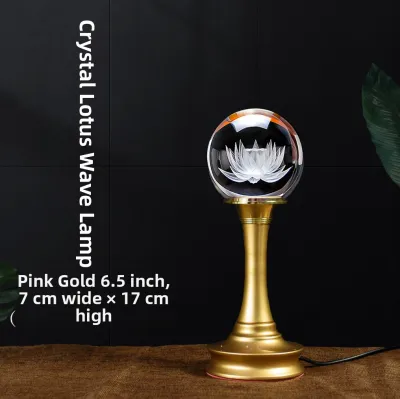
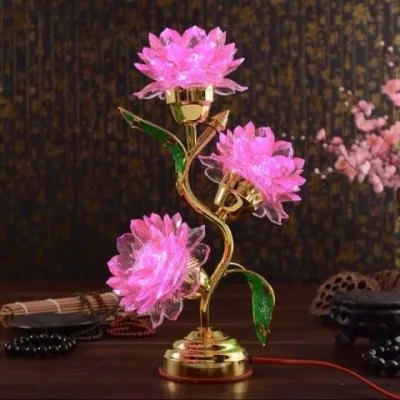
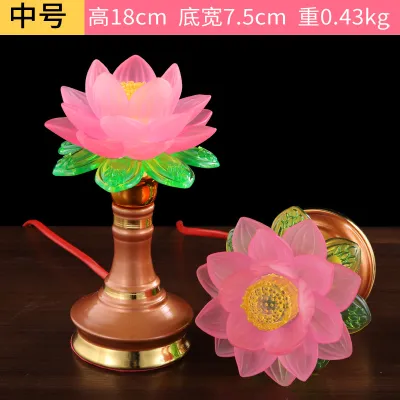
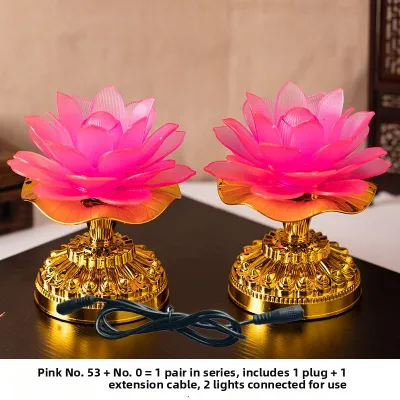
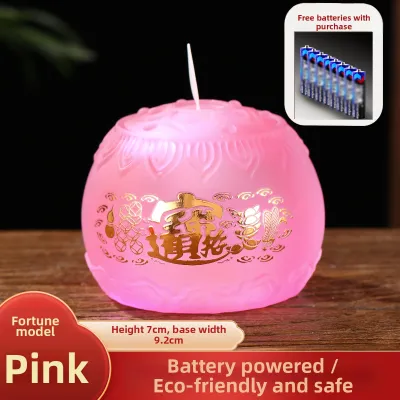
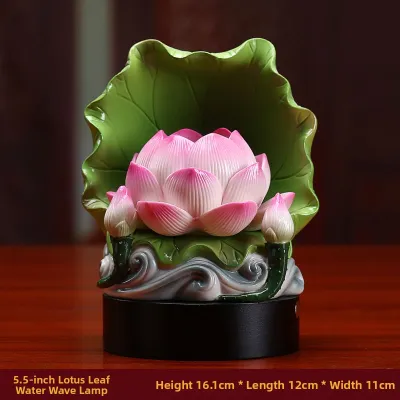
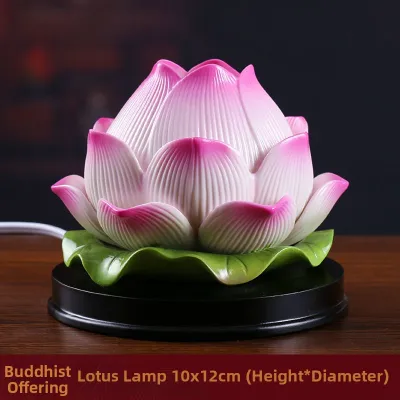
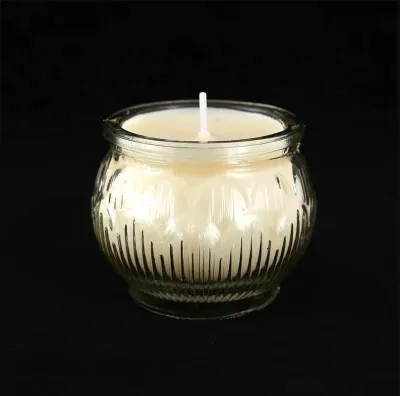
Prices are valid at publication and may change. Please refer to the product page for the latest price.
Key Factors for Choosing the Right Lotus Lamp
Selecting a lotus lamp requires a systematic evaluation of how the physical object interacts with your home environment. By breaking down the decision into distinct categories—dimensions, materials, and lighting technology—you can find a model that is both beautiful and safe for long-term use.

Sizing and Altar Proportions
Before purchasing any altar lighting, measure your altar table’s physical limits. Record the total width, depth, and the vertical clearance between the tabletop and any overhead shelving or ceiling structures. This step is especially vital for built-in wall altars commonly found in modern apartments, where vertical space is highly restricted.
As a general guideline, the height of the lotus lamps should not exceed the shoulder height of the central Buddha statue. Lamps that are too tall can visually dominate the space, detracting from the statue as the primary focus of reverence. Conversely, lamps that are too small may look lost among other offering vessels.
Maintain a safe physical clearance around the lamps to prevent accidental bumps during your daily routine. Ensure there is at least 5 to 10 centimeters of open space around each lamp. This buffer zone prevents your sleeves or hands from catching on the lamps when you reach to change water cups, offer incense, or clean the altar surface.
Material and Build Quality
Lotus lamps are crafted from a variety of materials, each offering distinct aesthetic qualities and maintenance requirements.
- Resin: Lightweight and highly versatile, resin allows for intricate petal details and vibrant colors. However, low-grade resin can become brittle over time when exposed to heat or direct sunlight, and it lacks the substantial weight needed for high-stability environments.
- Ceramic: Ceramic lamps offer a classic, elegant appearance with excellent heat resistance. They are heavier than resin, providing good stability, but they are fragile and can chip or crack if knocked over.
- Glass and Crystal: These materials interact beautifully with light, creating a brilliant, refractive glow that many find spiritually uplifting. Crystal lamps are heavy and stable, but they require frequent cleaning to remove dust and fingerprints that obscure their clarity.
- Metal: Often used for the base and stems, metals like brass or alloy provide exceptional durability and weight. Ensure any metal components are treated to resist tarnishing, especially when exposed to humidity or incense smoke.
When evaluating build quality, prioritize base stability. A wide, weighted base lowers the center of gravity, significantly reducing the risk of the lamp tipping over if the altar table is bumped.
Light Source and Illumination
The choice of light source directly impacts safety, energy consumption, and the atmosphere of your prayer room.
- Traditional Oil and Wax: Classic oil lamps or candles offer a warm, natural flame that holds deep traditional value. However, they present a continuous fire risk, release soot that can stain ceilings, and require constant monitoring.
- LED Technology: Light Emitting Diode (LED) lamps have become the modern standard for home altars. They emit minimal heat, consume very little electricity, and have an exceptionally long operational lifespan. LED lamps are available in mains-powered, USB, or battery-operated configurations.
Color temperature plays a significant role in setting the mood of your altar. Warm yellow, amber, or soft red tones are traditional favorites, creating a serene, inviting, and contemplative atmosphere. Cool white light offers high clarity and visibility, which can be useful for reading prayer texts, but it may feel clinical if it is too bright.
Consider whether you prefer a steady, constant glow or a simulated flickering effect. While simulated flames mimic traditional candles, ensure the flicker rate is gentle; rapid or erratic flashing can cause eye strain and distract you during meditation.
Comparing Lotus Lamp Types for Your Altar Setup
To help you choose the right style for your home, the table below compares the most common types of lotus lamps across key functional dimensions.
| Lamp Type | Light Type | Maintenance Level | Heat Output | Best Use Case |
|---|---|---|---|---|
| LED Crystal Lotus | LED (Mains/USB) | Low (Occasional dusting) | Very Low | Modern HDB altars requiring safe, 24/7 illumination |
| Traditional Oil Lotus | Real Flame (Oil/Wick) | High (Daily refilling, wick trimming) | High | Traditional practices where open flame offerings are preferred |
| Floating Water Lotus | Battery LED | Medium (Water changes, battery replacement) | None | Temporary festival setups or shallow water bowl offerings |
| Rotating LED Lotus | LED (Mains Powered) | Low to Medium (Check mechanical parts) | Low | Large family altars or dedicated prayer rooms |
- LED Crystal Lotus: These lamps feature crystal or high-grade glass petals illuminated by internal LEDs.
- Pros: Highly energy-efficient, safe for continuous use, beautiful light refraction, and extremely low maintenance.
- Cons: Premium models can be expensive; requires a nearby electrical outlet or tidy cord routing.
- Ideal Scenario: Perfect for busy households in Singapore apartments where the altar lamp is kept lit 24/7 as a symbol of constant light.
- Traditional Oil Lotus: A glass or metal vessel shaped like a lotus, filled with liquid oil (such as paraffin or vegetable oil) and a cotton wick.
- Pros: Authentic traditional ritual experience; produces a soft, natural, warm glow.
- Cons: High fire hazard, requires constant supervision, generates heat and soot, and demands daily cleaning and refilling.
- Ideal Scenario: Best suited for practitioners who perform structured daily prayer sessions and extinguish the flame immediately afterward.
- Floating Water Lotus: Small, waterproof, battery-operated LED lights designed to float in water bowls.
- Pros: Extremely safe, highly portable, and creates a tranquil visual effect when combined with water offerings.
- Cons: Batteries require frequent replacement; not practical for continuous, permanent daily lighting.
- Ideal Scenario: Excellent for special Buddhist holidays, lunar calendar events, or temporary prayer spaces.
- Rotating LED Lotus: Electric lamps featuring motorized bases or internal components that slowly rotate the lotus petals or project moving light patterns.
- Pros: Dynamic visual appeal that can make a large altar feel vibrant and active.
- Cons: Motorized parts can produce a faint humming noise over time and are prone to mechanical wear.
- Ideal Scenario: Well-suited for spacious, dedicated prayer rooms where the subtle movement and larger scale complement a grander altar setup.
Safe Placement and Electrical Checks for Home Altars
Operating electrical appliances continuously in a home environment requires strict adherence to safety standards. This is particularly true for home altars, which often combine electrical wiring, wooden structures, and flammable materials like incense, paper offerings, and decorative fabrics.
In Singapore, the standard household electrical supply is 230V at 50Hz. When purchasing electric or mains-powered LED lotus lamps, always verify that the product is compatible with this voltage. Look for the Enterprise Singapore Safety Mark on the power adapter or plug. This certification guarantees that the electrical component has been tested and approved for safe use in Singapore homes, protecting your household against short circuits and electrical fires.
If you plan to keep your lotus lamps lit 24/7, heat dissipation is a critical factor. Even energy-efficient LEDs generate a small amount of heat within their internal driver circuits. Ensure the lamps are placed in a well-ventilated area and are not pressed tightly against wooden backdrops, fabric drapes, or synthetic altar decorations.
Practice clean cord management to maintain both visual neatness and physical safety. Secure loose power cables along the edges of the altar table using adhesive cable clips. Avoid running cords underneath heavy altar items or carpets where they can be pinched, worn down, or tripped over.
- Safety Boundaries: Always isolate the power supply before adjusting any wiring or replacing bulbs. If your altar setup involves fixed wall wiring, high-load electrical configurations, or heavy suspended light fixtures, do not attempt to install them yourself. Stop and consult a licensed, qualified electrician to ensure all installations comply with local electrical codes.
Maintaining and Cleaning Your Lotus Lamp
Regular maintenance preserves the beauty of your lotus lamp and ensures its safe operation over time. Before performing any cleaning or maintenance tasks, always disconnect the lamp from the power source and allow it to cool completely.
For delicate materials such as crystal, glass, or painted resin, use a dry, soft microfiber cloth to gently remove dust. Avoid using harsh chemical cleaners, abrasive pads, or alcohol-based solvents, as these can strip away protective coatings, dull glossy finishes, or degrade plastic parts.
If your lamp has accumulated oily residue from nearby incense burners or traditional oil lamps, dampen a soft cloth slightly with warm water and a tiny drop of mild, pH-neutral dish soap. Wipe the exterior surfaces carefully, taking extreme care to prevent any moisture from entering the electrical housing, switch, or USB ports. Dry the lamp thoroughly with a clean towel before plugging it back in.
Perform routine safety checks at least once every few months. Inspect the power cord for signs of wear, such as fraying, cracking, or bite marks from household pets. Check the plug pins for discoloration and ensure the battery compartments of cordless lamps are free from corrosion or leaking battery fluid. If you need to replace a bulb or a power adapter, always refer to the manufacturer’s exact specifications for wattage, voltage, and interface type to avoid damaging the lamp’s internal circuitry.
Frequently Asked Questions (FAQ)
Can I leave my LED lotus lamp on 24/7?
Yes, high-quality LED lotus lamps can generally be left on continuously, provided they are designed for 24/7 operation and use certified power adapters. LEDs generate very little heat compared to traditional bulbs, making them highly suitable for continuous use. However, you should always check the manufacturer’s product manual to confirm that the lamp is rated for continuous operation. Ensure the power adapter carries a local safety certification mark, and place the lamp in a well-ventilated spot away from flammable materials to prevent heat buildup.
What is the best color light for a Buddhist altar?
The best color light is ultimately a matter of personal preference and the spiritual atmosphere you wish to cultivate. Warm yellow, amber, and soft red are the most traditional choices because they create a warm, peaceful, and contemplative ambiance that supports meditation. Modern bright white light is also popular for its clarity, making it easier to read sutras or clean the altar. Many practitioners choose dual-color or adjustable LED lamps, allowing them to switch between warm tones for daily meditation and clear white light for altar maintenance.
Do I need a pair of lotus lamps or just one?
Traditionally, lotus lamps are placed in matching pairs flanking the central Buddha statue to symbolize balanced wisdom and compassion. This symmetrical arrangement creates a harmonious and visually stable altar layout. However, if you have a small HDB wall altar or a compact modern shrine with limited space, a single, centrally placed lotus lamp is entirely acceptable. The sincerity of your offering and your personal practice are always more important than strict adherence to layout rules.
Community discussion
Share your experience or ask a question. Comments are reviewed before publication.