
Fitting a statement lighting fixture into a standard HDB flat requires balancing visual impact with strict spatial limits. With typical ceiling heights around 2.6 meters, a traditional chandelier can easily overwhelm a room or create a hazardous obstruction. This guide shifts the focus from a static list of brands—which frequently change in availability and stock—to a practical framework for identifying, evaluating, and safely installing low-profile modern chandelier lights. By understanding proportion rules, technical specifications, and structural boundaries, you can confidently select a fixture that elevates your space without compromising safety or headroom.
Choosing the right lighting is not just about finding an attractive design; it is about understanding how that design interacts with the physical volume of your home. In Singapore’s residential landscape, where space optimization is key, selecting a modern chandelier light requires a methodical approach. By focusing on measurable factors like drop length, diameter, and weight, you can narrow down the vast array of options to find a piece that feels custom-made for your HDB flat.
Calculating Safe Clearances and Proportions for HDB Ceilings
Before browsing any lighting catalog, you must establish the absolute physical boundaries of your room. In a standard HDB flat with a 2.6-meter ceiling, the primary safety rule is to maintain a clear vertical clearance of at least 2.1 meters from the floor to the bottom of the light fixture. This clearance ensures that tall family members and guests can walk freely beneath the light without any risk of head contact. Consequently, for any high-traffic walkway, hallway, or open living room area, the maximum allowable drop length of your chandelier—including the canopy, mounting hardware, and the fixture body itself—is strictly limited to 50 centimeters.
Products mentioned in this guide
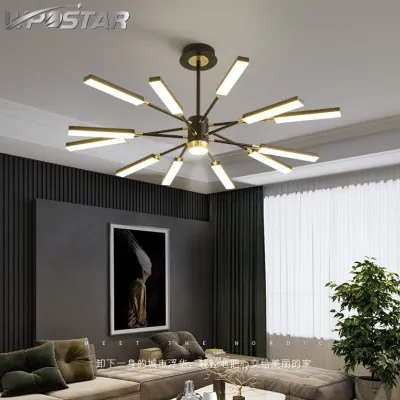
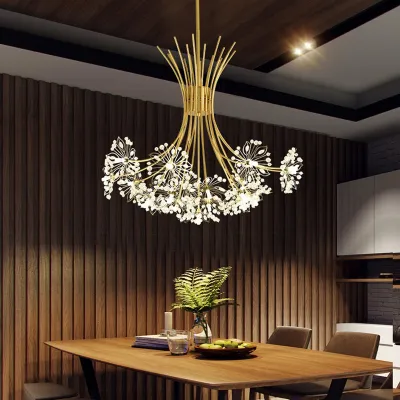
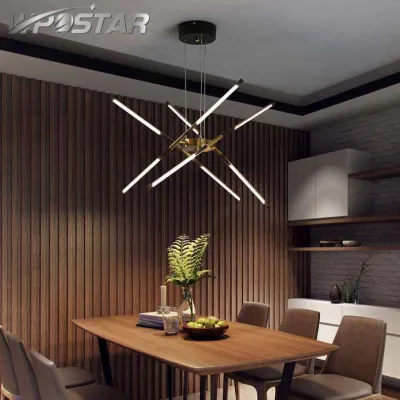
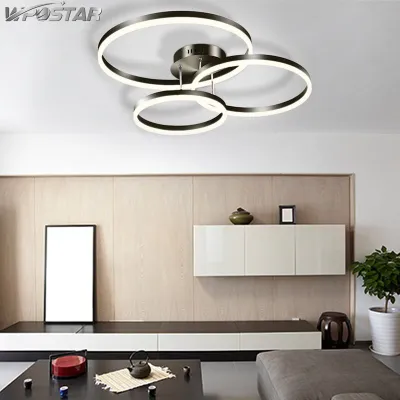
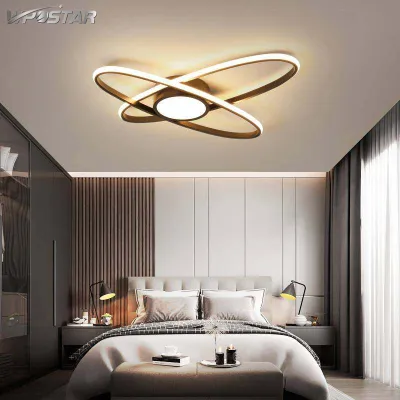
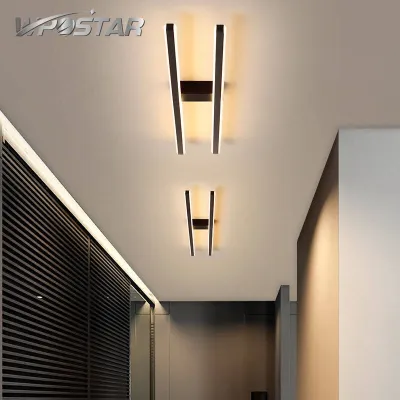
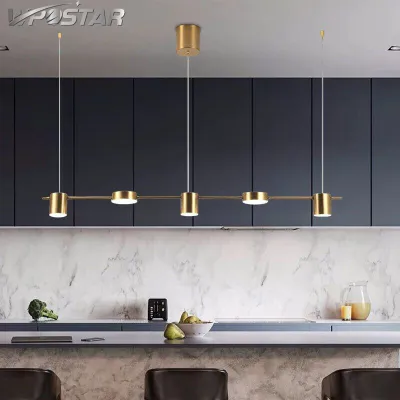
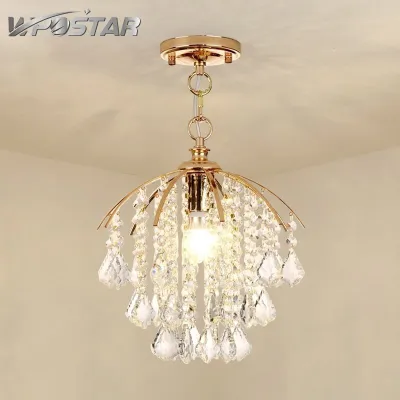
Prices are valid at publication and may change. Please refer to the product page for the latest price.
When placing a modern chandelier light over a dining table or a kitchen island, the clearance rules change because the furniture acts as a natural barrier to foot traffic. In these designated zones, you can safely suspend the fixture lower to create a more intimate and dramatic dining atmosphere. The general design standard is to position the bottom of the chandelier between 75 and 90 centimeters above the tabletop. Assuming a standard dining table height of 75 centimeters, a 2.6-meter ceiling leaves approximately 1.85 meters of vertical space above the table. This means a chandelier hung over a dining table can have a more generous total drop length of 95 to 110 centimeters, allowing you to consider slightly taller and more elaborate designs.
Determining the ideal diameter of your chandelier is equally important for maintaining visual balance. A fixture that is too small will look lost in the room, while one that is too large will make the space feel cramped and claustrophobic. For a dining area, a reliable guideline is to choose a chandelier with a diameter that is between one-half and two-thirds the width of your dining table. For instance, if your dining table is 90 centimeters wide, look for a fixture with a diameter of 45 to 60 centimeters. For open-concept living rooms, you can estimate a balanced diameter by adding the length and width of the seating area in meters and multiplying the sum by ten to get the approximate diameter in centimeters; however, keeping the overall diameter under 70 centimeters is generally safest for standard HDB living spaces.
Essential Specifications to Verify Before Purchasing
When evaluating modern chandelier lights, you will encounter three primary mounting styles: flush-mount, semi-flush mount, and short-drop adjustable designs. Flush-mount fixtures sit directly against the ceiling surface, which maximizes vertical clearance but often lacks the dramatic, floating aesthetic of a traditional chandelier. Semi-flush mounts feature a short stem that suspends the light body slightly below the ceiling, allowing light to cast upward and reflect off the ceiling surface, which can make the room feel brighter and more open. Short-drop adjustable designs utilize customizable cords, chains, or modular metal rods that can be shortened during installation, offering the look of a suspended chandelier while keeping the drop within your calculated limits.

Electrical compatibility is a critical safety factor that must be verified before purchasing any lighting fixture. Singapore operates on a standard mains voltage of 230V at a frequency of 50Hz. Ensure that any chandelier you consider is rated for this voltage to prevent electrical malfunctions or fire hazards. Additionally, check the bulb base types used by the fixture, such as standard E27, E14, or GU10 sockets, to ensure that replacement bulbs are readily available in local hardware stores. Pay close attention to the maximum wattage limits specified by the manufacturer; opting for energy-efficient LED bulbs is highly recommended, as they consume less power, emit minimal heat, and are available in various color temperatures to suit your preference.
Adjustability is the single most important feature to look for if you want a suspended chandelier in a low-ceiling home. Many modern fixtures come equipped with modular downrods—typically a set of several short metal tubes of varying lengths (such as 10, 15, and 30 centimeters)—that allow you to customize the hanging height during installation. Alternatively, cord-suspended fixtures allow the installer to pull the excess cable up into the ceiling canopy and secure it. Avoid purchasing fixtures with fixed, solid metal stems unless the manufacturer’s specified total height matches your calculated clearance requirements exactly, as these stems cannot be shortened without damaging the structural integrity and wiring of the light.
Visual weight is a design concept that refers to how heavy a fixture appears to the eye, which significantly impacts how spacious a room feels. In a compact HDB flat, a solid, opaque, or highly intricate chandelier can make the ceiling feel lower than it actually is. To maintain an airy and open atmosphere, prioritize modern designs that utilize open geometric frames, slim metal profiles, and transparent or frosted glass globes. Reflective finishes like brushed brass, polished chrome, or satin nickel can also help bounce light around the room, enhancing the perception of space. These material choices are conditional design preferences that help create an illusion of height, rather than absolute performance facts, but they are highly effective in small-space styling.
Where to Find Suitable Modern Chandelier Lights Locally
Sourcing the perfect low-profile chandelier involves exploring a mix of physical showrooms and online platforms. Visiting specialized lighting showrooms along established retail districts in Singapore, such as Balestier Road or Jalan Besar, offers the invaluable advantage of seeing the fixtures in person. This allows you to assess the true scale, material quality, and light output of a modern chandelier light under realistic conditions. When visiting these showrooms, bring your ceiling height measurements and dining table dimensions so that sales consultants can help you identify which display models can be customized or shortened to fit your specific HDB layout.
If you prefer the convenience of online shopping, navigating digital home decor platforms and local ecommerce marketplaces requires a targeted search strategy. Avoid using broad search terms like “luxury chandelier” or “hanging light,” which will return thousands of oversized fixtures. Instead, use precise, technical search filters such as “semi-flush modern chandelier,” “adjustable drop ceiling light,” or “low-profile linear pendant.” These specific terms will help filter out massive, multi-tiered fixtures and direct you toward designs engineered specifically for compact residential spaces.
Before finalizing any online purchase, you must perform several crucial verification steps to avoid costly mistakes. First, locate and carefully examine the detailed technical dimension diagram provided by the seller; do not rely solely on stylized product photos, which often use digital editing to make fixtures appear smaller or larger than they are. Second, review the retailer’s return and exchange policies, ensuring you can return the fixture if it does not fit your space or meet your expectations. Finally, confirm that the fixture’s wiring, driver components (especially for integrated LED models), and mounting brackets are fully compatible with standard Singapore electrical boxes and installation practices.
Installation Safety and Structural Checks for HDB Units
Installing a new ceiling fixture in an HDB flat involves important structural and safety considerations. HDB ceilings are constructed from solid concrete slabs, which provide an exceptionally strong foundation for mounting fixtures. However, the existing ceiling junction box itself has specific weight-bearing limits that must not be exceeded. Standard ceiling boxes are typically rated to support fixtures weighing up to 10 to 15 kilograms. If you choose a modern chandelier light made of heavy materials like solid brass, thick glass globes, or wrought iron, you must verify its total weight and ensure that the mounting hardware is anchored directly into the concrete slab using appropriate masonry expansion bolts rather than relying solely on the plastic junction box.
Before any installation, removal, or inspection of a light fixture begins, isolating the electrical power is a mandatory safety step. Locate your home’s main distribution board (DB box) and switch off the circuit breaker corresponding to the room where you will be working. Do not rely on the wall switch alone to cut the power, as some wiring configurations may still leave live currents running to the ceiling box. Use a reliable, non-contact voltage tester at the ceiling wires to confirm that the power is completely off before touching any electrical components.
While simple, lightweight flush-mount fixtures can sometimes be installed by experienced DIY enthusiasts, mounting a complex or heavy modern chandelier light generally requires professional expertise. In Singapore, any fixed electrical wiring work should be performed by a Licensed Electrical Worker (LEW) or a qualified professional installer. Hiring a professional is especially critical if your installation requires drilling new holes into the concrete ceiling slab, running new electrical conduits, installing dimmer switches, or assembling intricate multi-arm fixtures. A professional installer ensures that the fixture is securely anchored, correctly wired, and safely balanced, protecting your household from potential electrical faults or structural failures.
Frequently Asked Questions (FAQ)
Is it safe to mount a chandelier on an HDB false ceiling?
Many HDB homeowners choose to install plasterboard or gypsum false ceilings to conceal air conditioning pipes, hide electrical wiring, or create recessed cove lighting. However, these false ceiling boards are lightweight and fragile; they are not designed to bear the weight of a heavy modern chandelier light. Mounting a heavy fixture directly to the plasterboard can cause the ceiling to sag, crack, or collapse entirely over time. To install a chandelier safely in a room with a false ceiling, the installer must use specialized support brackets, threaded rods, or toggle bolts that extend through the false ceiling to anchor directly into the structural concrete slab above. Alternatively, you must select an ultra-lightweight semi-flush fixture that falls well within the manufacturer’s specified weight limits for plasterboard installations, typically under 2 to 3 kilograms, and use specialized plasterboard anchors.
What is the safest way to clean a low-hanging chandelier?
Because low-profile chandeliers in HDB flats hang closer to eye level, dust, smudges, and fingerprints can become more visible, requiring regular maintenance to keep the fixture looking its best. Before cleaning, always ensure the light switch is turned off and the bulbs have cooled down completely to avoid burns or electrical shocks. Use a sturdy, slip-resistant step ladder that is rated for your weight and placed on a flat, stable floor surface; never stand on dining chairs, sofas, or tables to reach the fixture. For routine maintenance, a high-quality microfiber duster or an extendable static duster can gently remove dust from geometric frames and glass globes without requiring you to touch the fixture directly. For deeper cleaning of glass or metal components, spray a mild, ammonia-free glass cleaner onto a microfiber cloth rather than directly onto the fixture, and gently wipe the surfaces to prevent moisture from entering the electrical sockets or driver compartments.

Community discussion
Share your experience or ask a question. Comments are reviewed before publication.