
Selecting a magnetic ceiling light for a Japandi-style home requires balancing the quiet elegance of Japanese minimalism (wabi-sabi) with the cozy functionality of Scandinavian design (hygge). To achieve this, you should prioritize seamless, low-profile track configurations, warm color temperatures between 2700K and 3000K, and soft, glare-free diffusers. By choosing matte, organic finishes over harsh, reflective metals, your lighting system will integrate effortlessly into the architecture rather than dominating the room.
In modern interior design, the lighting system is no longer just a functional utility but a structural element that shapes how we experience a space. A well-planned magnetic ceiling light setup provides the ultimate flexibility, allowing you to slide, add, or adjust light modules as your living space evolves. For a Japandi home, where clutter is minimized and natural materials are celebrated, this adaptive lighting style offers a clean, architectural solution that supports a calm and mindful lifestyle.
Understanding Japandi Lighting Principles
Japandi design is more than a visual trend; it is a philosophy that values tranquility, simplicity, and natural beauty. The lighting in a Japandi space must reflect these values by prioritizing soft, indirect illumination that mimics the gentle glow of paper lanterns or filtered natural light. Instead of relying on a single, bright overhead fixture that casts harsh shadows and creates visual tension, a successful Japandi scheme uses layers of light to create depth, warmth, and a sense of sanctuary.
Products mentioned in this guide
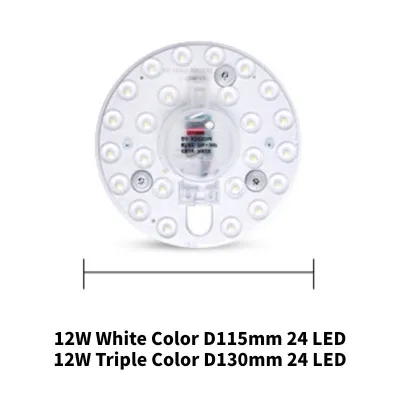
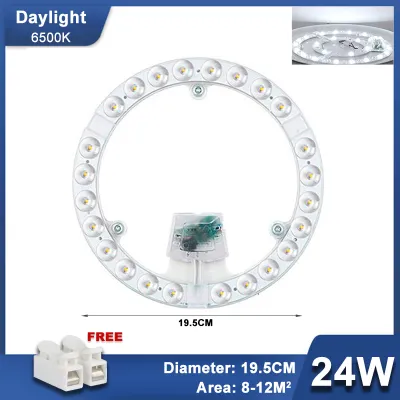
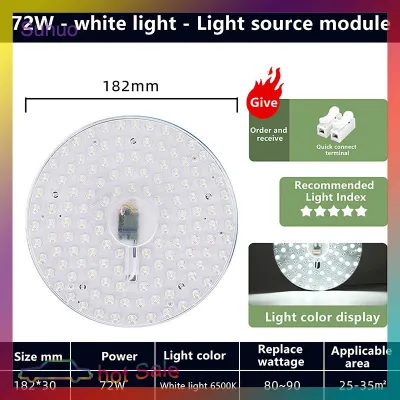
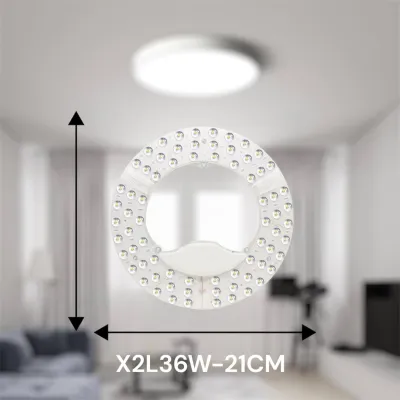
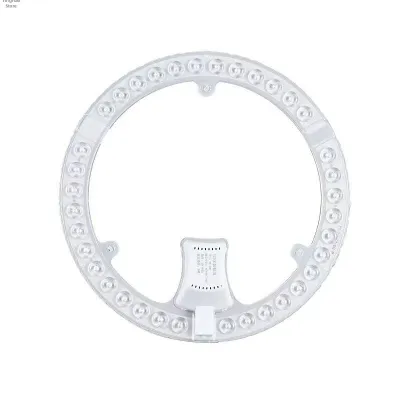

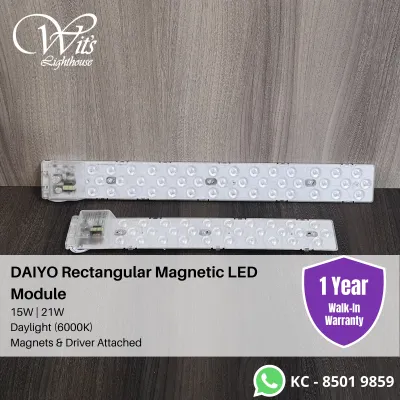
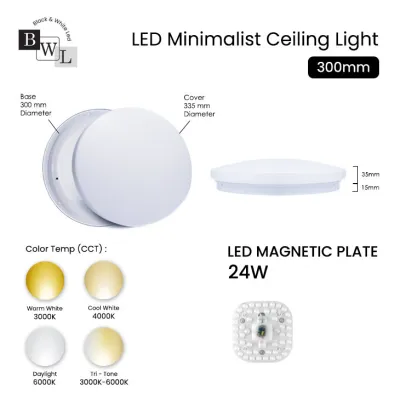
Prices are valid at publication and may change. Please refer to the product page for the latest price.
The fusion of Scandinavian hygge and Japanese wabi-sabi dictates that every element in a room should serve a purpose while celebrating natural textures and clean lines. In terms of lighting, this means avoiding overly ornate, bulky, or purely decorative fixtures that draw too much attention to themselves. The primary goal of a magnetic ceiling light system in this context is to provide highly functional, flexible illumination that remains visually quiet and structurally integrated into the ceiling plane.
Uncluttered sightlines are essential for maintaining the sense of spaciousness and calm that defines Japandi interiors. Traditional track lighting often features bulky fixtures, exposed wiring, and heavy mounting hardware that disrupt the clean expanse of a ceiling. Modern magnetic track systems, however, offer a streamlined alternative where the tracks can be completely recessed, allowing the light sources to sit flush with or close to the ceiling surface, preserving the architectural purity of your home.
Selecting the Right Form and Track Layout
Achieving the perfect balance between track visibility and light module design is key to a successful Japandi installation. The track layout should follow the natural flow of the room, highlighting architectural features or functional zones without creating unnecessary visual noise on your ceiling.

Track Installation Methods
For a pure, uncompromising Japandi aesthetic, recessed trimless tracks are the gold standard. These tracks are installed during the plastering stage of a false ceiling, allowing the track edges to be completely plastered over and painted. The result is a clean, dark or light slot in the ceiling that reveals no visible trim or hardware, creating the illusion of light emerging directly from the architecture itself. This method is highly popular in Singapore HDB and condominium renovations where false ceilings are commonly installed to hide air conditioning ledges, plumbing, and electrical wiring.
If your space features exposed concrete ceilings or wood-slatted panels—common in loft-style or rustic Japandi designs—surface-mounted tracks offer an excellent alternative. In these scenarios, the track itself becomes a deliberate architectural line that complements the structural elements of the room. When choosing surface-mounted options, it is vital to select ultra-thin profiles and ensure the track color closely matches the ceiling substrate to minimize its visual weight and keep the focus on the surrounding natural materials.
Module Shapes and Beam Angles
The physical design of the magnetic modules should lean heavily toward simple, geometric forms. Linear light bars that sit flush within the track provide excellent, non-intrusive ambient light that mimics natural skylights. For task or accent lighting, simple cylindrical spot modules or minimalist pendant drops with clean, unadorned cables are ideal, as they provide directional light without adding unnecessary visual clutter.
Avoid bulky, industrial, or highly complex multi-headed spot fixtures, which can quickly disrupt the serene, organic feel of a Japandi room. The beauty of a magnetic system lies in its ability to deliver precise light exactly where it is needed, allowing you to use fewer, more purposeful fixtures rather than crowding the ceiling with unnecessary hardware.
Beam angle selection plays a crucial role in shaping the atmosphere of the room. Wide flood beams (typically 120 degrees or more) are perfect for general ambient lighting and wall-washing, which softens the boundaries of a room and makes it feel larger and more inviting. Conversely, narrow spot beams (ranging from 15 to 36 degrees) should be used selectively to highlight specific natural decor elements, such as a potted bonsai, a textured plaster wall, or a piece of minimalist ceramic art, creating subtle focal points that guide the eye gently through the space.
Choosing Material Finishes and Colours
The color palette of a Japandi interior is dominated by soft, earthy tones, warm greys, off-whites, and natural wood textures. Therefore, the finishes you select for your magnetic ceiling light tracks and modules must harmonize with these tones. Matte white tracks are an exceptional choice for standard white plaster ceilings, as they virtually disappear when the lights are turned off, maintaining a clean and spacious feel.
While black tracks are often associated with industrial or ultra-modern styles, they can work beautifully in a Japandi space if used deliberately. If your home features slim black metal window frames, black cabinet handles, or dark wood accents, a matte black magnetic track can provide a sophisticated, grounding line that ties the room’s design elements together. The key is to ensure the finish is completely matte, as high-gloss or reflective black finishes will catch the light and create a distracting, artificial glare.
Avoid bright metallics, chrome, polished brass, or highly reflective finishes, which clash with the understated, organic nature of Japandi design. If you wish to introduce metallic accents, opt for brushed, muted finishes like antique brass or champagne gold, and use them sparingly on small details rather than large track sections.
The quality of the light is heavily influenced by the diffuser materials used on the modules. To achieve the soft, shadowless glow characteristic of Japanese paper screens (shoji), specify modules equipped with frosted glass or opal acrylic diffusers. These materials scatter the light evenly, eliminating harsh hot spots and reducing eye strain. For a more tactile, organic feel, some high-end magnetic pendant modules incorporate textured matte coatings or subtle wood-grain wraps on their housings, bridging the gap between high-tech lighting and natural craftsmanship.
Setting the Colour Temperature and Brightness
The psychological impact of lighting is largely determined by its color temperature, measured in Kelvins (K). To cultivate the cozy, comforting atmosphere of hygge and the serene warmth of wabi-sabi, aim for a color temperature range of 2700K to 3000K. A 2700K light source provides a very warm, golden glow reminiscent of candlelight, making it ideal for bedrooms and living spaces meant for relaxation. A 3000K light offers a slightly cleaner warm white that works well in kitchens, dining areas, or home offices where a bit more visual clarity is required.
Avoid cool white light (4000K and above) in Japandi living areas. High-Kelvin lighting mimics bright midday sun and can feel clinical, sterile, and overly stimulating, completely undermining the calming, sanctuary-like environment you are trying to create.
Calculating your brightness needs is essential to avoid over-lighting or under-lighting your home. A practical approach is to aim for an ambient lighting level of approximately 100 to 150 lumens per square meter (lux) for general living areas. For areas that require focused work, such as a kitchen island, a dining table, or a reading nook, layer in dedicated task modules that provide 300 to 400 lux over the specific workspace. This zoned approach to lighting ensures you only use energy and brightness where it is genuinely needed, keeping the rest of the space soft and relaxing.
To maximize the flexibility of your magnetic ceiling light system, always choose dimmable magnetic modules. Being able to adjust the brightness levels throughout the day is crucial for transitioning a space from a bright, functional daytime environment to a soft, intimate evening retreat. Ensure that your modules and their corresponding low-voltage drivers are fully compatible with your chosen dimming protocol, whether you are using traditional Triac wall dimmers, 0-10V analog systems, or modern smart home protocols like DALI, Zigbee, or Tuya, which are highly popular in modern smart home setups.
Verifying Electrical and Installation Requirements
Before purchasing any magnetic ceiling light system, it is crucial to understand the technical specifications that govern their safe operation. Most residential magnetic track systems operate on a 48V DC low-voltage system. This low-voltage design is highly safe, allowing you to hot-swap, move, or adjust the modules along the track without the risk of electrical shock. However, because domestic mains power is 230V AC, you must install a compatible transformer (or LED driver) to step down the voltage.
When sizing your transformer, calculate the total wattage of all the light modules you plan to install on a single track run, and add a safety margin of at least 20% to prevent overloading. For example, if your modules total 80W, choose a transformer rated for at least 100W. It is also vital to plan the physical location of the transformer; it should be housed in an accessible, well-ventilated location—such as a ceiling access panel, a nearby distribution board (DB) box, or a dedicated cabinet—so that it can be easily serviced or replaced if necessary.
Because installing recessed magnetic tracks involves cutting into ceilings, modifying structural framing, and hardwiring low-voltage drivers, these tasks carry inherent safety risks. Always isolate the mains power before any installation or maintenance work. All fixed wiring and ceiling carpentry must be carried out in accordance with manufacturer instructions and local building codes. It is highly recommended to engage a qualified electrician or a Licensed Electrical Worker (LEW) to handle the electrical installation, ensuring all connections are secure and comply with local safety standards.
Finally, always verify that the electrical components, particularly the 48V transformers and drivers, carry the relevant local safety certifications, such as the Enterprise Singapore Safety Mark. This certification ensures the product has been rigorously tested for electrical safety, fire resistance, and electromagnetic compatibility, giving you peace of mind that your beautiful new Japandi lighting system is as safe as it is stylish.
Frequently Asked Questions (FAQ)
Can I mix different magnetic light modules on the same track?
Yes, one of the greatest advantages of a magnetic track system is its modularity. You can easily combine linear flood modules for general ambient light, adjustable spotlights for accenting decor, and elegant pendant lights over a dining table or kitchen counter, all on the same physical track. To maintain a cohesive Japandi aesthetic, however, ensure that all modules share the same finish (such as matte white or matte black) and use identical color temperatures (ideally 2700K or 3000K) so the lighting remains visually harmonious.
Are magnetic ceiling lights suitable for low ceilings?
Recessed magnetic track systems are exceptionally well-suited for low ceilings, which are common in standard Singapore HDB flats with ceiling heights of around 2.6 meters. Because recessed tracks sit completely flush with the plasterboard, they do not consume any vertical headroom, creating a clean, unobstructed ceiling plane that makes the room feel taller and more spacious. On the other hand, surface-mounted tracks or long pendant modules should be used with caution in low-ceilinged rooms, as they can intrude into the physical and visual space, making the room feel cramped rather than open and tranquil.
Community discussion
Share your experience or ask a question. Comments are reviewed before publication.