
A genuine nixie tube clock is more than just a timekeeper; it is a captivating blend of mid-century physics, industrial craftsmanship, and retro-futuristic art. Originally developed in the 1950s as numeric displays for laboratory equipment and military gear, these cold-cathode gas-discharge tubes have found a second life on modern desktops. However, navigating the market requires careful attention to detail, as modern reproductions vary widely in authenticity, build quality, and electronic safety.
To find the perfect nixie tube clock for your home or workspace, you must evaluate several critical dimensions. The primary decision involves choosing between authentic, vintage glass tubes and modern digital screen emulations. Beyond this, you need to assess the specific tube models, their origin and condition, the quality of the base materials, and the integration of modern smart features. Finally, understanding electrical safety boundaries and proper maintenance is essential for preserving these delicate, high-voltage collectibles over the long term.
Understand the Display: Genuine Glass Tubes vs. IPS Screens
The most fundamental decision you will make when shopping for a nixie tube clock is choosing between genuine, vintage glass tubes and modern screen-based emulations. This choice directly dictates the clock’s visual character, historical authenticity, maintenance needs, and price point. Understanding how these two technologies operate will help you align your purchase with your expectations and budget.
Products mentioned in this guide
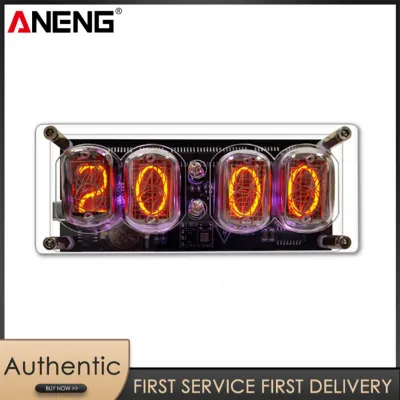
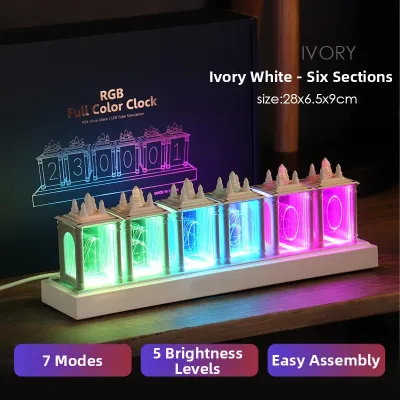
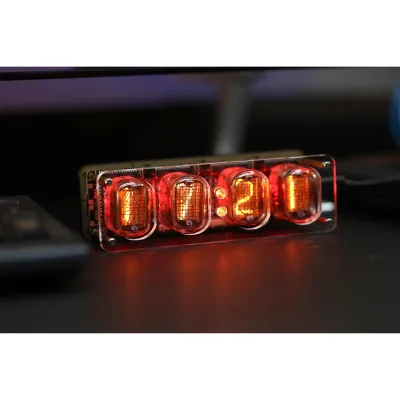
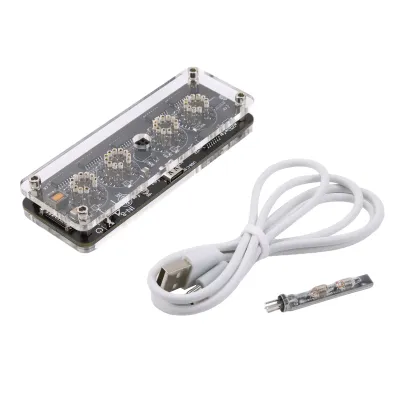

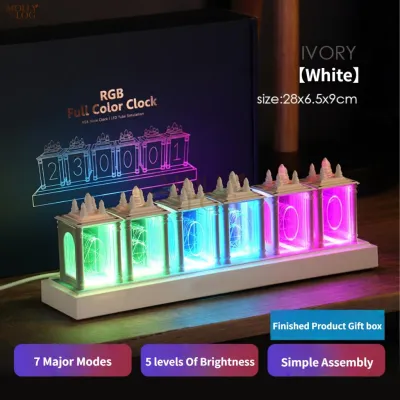
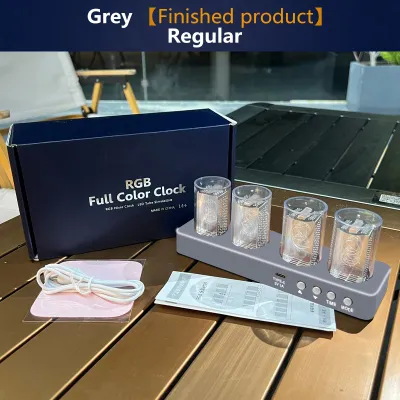
Prices are valid at publication and may change. Please refer to the product page for the latest price.
Genuine nixie tubes are cold-cathode glow-discharge tubes filled with a low-pressure neon gas mixture, typically combined with a small amount of argon. Inside the glass envelope, a single wire mesh anode surrounds ten separate cathodes shaped like the digits zero through nine. When a high electrical potential is applied between the anode and a specific cathode, the gas immediately surrounding that cathode ionizes and glows with a warm, organic orange-red light. Because these wire digits are physically stacked one in front of the other, the display possesses a distinct three-dimensional depth. As the time changes, the numbers physically jump forward and backward within the tube, creating a mesmerizing physical transition that cannot be replicated by flat displays.
In contrast, modern emulations—often marketed as IPS or LCD “nixie” clocks—do not use gas-discharge technology at all. Instead, they feature a series of high-resolution, flat IPS (In-Plane Switching) or LCD screens housed inside protective glass domes to mimic the appearance of vintage tubes. These screens display digital, high-definition images or animations of glowing numbers. While they lack the physical depth and organic warmth of genuine gas ionization, screen-based clocks offer unmatched versatility. They allow you to change font styles, display custom images, and even show full-color animations, all while operating at standard low voltages without the need for specialized high-voltage circuitry.
When browsing online marketplaces or specialized retailer sites, verifying display authenticity requires a careful reading of the product specifications. Authentic clocks will explicitly list vintage tube model designations, such as Soviet-era IN-14, IN-12, or IN-18 tubes, and often emphasize terms like “cold-cathode,” “vacuum tube,” or “gas-discharge.” If a product listing mentions “IPS screen,” “programmable LCD,” “customizable digital backgrounds,” or “DIY screen kit,” you are looking at a modern emulation.
This technological divide also creates a dramatic price gap. Genuine glass tube clocks command a significant premium because they rely on finite, vintage components that are no longer mass-produced. A real nixie clock is an investment in historical hardware, whereas an IPS emulation is a mass-produced consumer electronic device. If you prioritize historical authenticity and the organic, hypnotic glow of ionized gas, saving for a genuine tube clock is well worth the investment. If you prefer a customizable, low-maintenance desk accessory with a retro look, a screen-based emulation is a practical and budget-friendly alternative.
Evaluate Nixie Tube Clock Condition, Origin, and Models
If you decide to invest in an authentic nixie tube clock, your next step is to evaluate the condition, origin, and specific models of the tubes themselves. Since these components are vintage, their quality directly determines how beautiful the display looks and how long the clock will function before requiring replacement parts.

Familiarizing yourself with common tube models is highly beneficial, as different models offer distinct aesthetic profiles. For example, the Soviet-produced IN-14 is one of the most widely used vertical tubes, recognizable by its fine internal wire mesh and its unique, stylized digit five, which was historically manufactured using an inverted digit two mold to save on tooling costs. The IN-12 is a horizontal, rear-view tube that sits lower to the base, offering a more compact, utilitarian aesthetic. For those seeking a dramatic centerpiece, the IN-18 is a large, premium vertical tube with exceptionally tall digits, though its scarcity makes clocks utilizing it significantly more expensive.
You must also distinguish between New Old Stock (NOS) tubes and “pulled” or salvaged tubes. NOS tubes are components that were manufactured decades ago—often during the Cold War era in Eastern Europe—but were never put into active service, remaining sealed in their original factory packaging. These tubes offer pristine cosmetic condition, clean glass, and maximum remaining operational life. Pulled tubes, on the other hand, have been salvaged from decommissioned industrial, scientific, or military equipment. While pulled tubes are generally more affordable, they may exhibit signs of cosmetic wear, minor internal discoloration, or uneven illumination.
A critical technical feature to look for in any high-quality clock is an active “anti-cathode poisoning” routine. Cathode poisoning is a common degradation process where sputtered metal particles from active digits deposit onto adjacent, rarely used digits, forming a dark barrier that prevents those numbers from glowing fully. To combat this, quality clocks feature firmware that periodically cycles rapidly through every digit on every tube—often displaying a scrolling slot-machine effect once every hour or at midnight. This routine heats and cleans the cathodes, preventing uneven wear and dramatically extending the lifespan of your vintage tubes.
Before finalizing a purchase, carefully inspect the tubes in product photos or check the seller’s quality assurance policies. Look closely at the glass envelopes for signs of internal sputtering, which appears as a dark, metallic, mirror-like coating on the inside of the glass. Sputtering is a clear indicator of a heavily used tube nearing the end of its operational life. Additionally, ensure the internal wire grids are perfectly straight and that the connector pins at the bottom of the tubes are intact and free from severe corrosion.
Assess Base Materials and Build Quality
The base of a nixie tube clock serves as both the aesthetic frame for the glowing glass tubes and the protective enclosure for the delicate electronics inside. Because these clocks are designed to be prominent decorative pieces on desks, shelves, or sideboards, assessing the base materials and overall build quality is essential for both style and physical stability.
The choice of base material sets the design tone for your entire setup. Solid hardwoods, such as walnut, cherry, mahogany, or oak, provide a warm, organic, mid-century modern aesthetic that contrasts beautifully with the industrial look of the glass tubes. For a more industrial, steampunk, or ultra-modern look, bases crafted from anodized aluminum, solid brass, or copper offer excellent durability and a premium, weighted feel. Alternatively, transparent acrylic or polished glass bases appeal to minimalist tastes, exposing the intricate circuit board, solder joints, and electronic components below for a high-tech, floating appearance.
Beyond aesthetics, the material choice directly influences the physical weight and stability of the clock. A lightweight, poorly balanced clock can easily slide, tip over, or be knocked off a desk when you adjust the time, press buttons, or accidentally bump your workspace. A heavy base made of dense hardwood or solid metal provides a low center of gravity, ensuring the clock remains securely anchored. This stability is vital for protecting the fragile, vacuum-sealed glass tubes from shattering due to accidental falls.
Protective structural features are another important consideration. Many premium clocks include a secondary clear acrylic or tempered glass dust cover or shield that fits over the tubes. This shield serves a dual purpose: it guards the delicate glass envelopes against accidental impacts from hands or falling objects, and it prevents dust, pet hair, and fingerprints from accumulating on the tubes. Keeping the tubes clean is crucial, as dust buildup can degrade the visual clarity of the display and trap heat.
When evaluating build quality from product photos, pay close attention to craftsmanship details. High-quality clocks feature seamless joints, smooth edges, and premium tube sockets that hold each tube perfectly vertical and aligned. Cheaply made clocks often have tubes that sit at slightly crooked angles, which ruins the visual symmetry of the display. Additionally, check the rear of the clock to ensure clean cable routing and robust, flush-mounted ports that will not loosen or break after repeated plugging and unplugging.
Review Power, Connectivity, and Smart Features
While nixie tubes are relics of the mid-20th century, a modern nixie tube clock must integrate seamlessly with contemporary power standards and smart conveniences. Evaluating the clock’s electrical specifications, timekeeping accuracy, and secondary features will ensure a safe, reliable, and user-friendly experience.
First, verify the power supply specifications and electrical safety boundaries. Authentic nixie tubes require high voltages—typically between 170V and 180V DC—to ignite the neon gas and initiate the glow. A high-quality clock must feature an efficiently designed, safely enclosed high-voltage boost converter built entirely within the base. The clock itself should accept a standard, safe low-voltage input, such as a 5V USB-C connection or a 9V/12V DC wall adapter. If you are purchasing a clock that includes a wall adapter, verify that the adapter carries appropriate electrical safety certifications for your region, such as the Safety Mark in Singapore, to prevent electrical hazards or overheating.
Timekeeping accuracy is another crucial factor to consider. Basic, entry-level clocks rely solely on internal Real-Time Clock (RTC) chips. While functional, these standard chips can drift by several seconds or even minutes over a few months due to temperature fluctuations, requiring frequent manual adjustments. To avoid this hassle, look for clocks that offer modern synchronization methods:
- Wi-Fi Synchronization: Connects directly to your home network to automatically sync with online Network Time Protocol (NTP) servers, ensuring down-to-the-second accuracy year-round.
- GPS Receivers: Utilizes satellite signals to maintain perfect time, making it an excellent option if you prefer not to connect the clock to your home Wi-Fi network.
- Bluetooth Connectivity: Allows you to easily adjust settings, sync the time, and customize features using a dedicated smartphone app.
Modern clocks also frequently incorporate smart features that enhance daily usability. Many models include customizable RGB LED backlighting positioned beneath the tube sockets, allowing you to cast a subtle colored glow upward into the tubes to complement your room’s color scheme. Other useful features include built-in alarm functions, ambient light sensors that automatically dim the display brightness at night to prevent sleep disruption, and integrated sensors that display the current ambient temperature or humidity.
Finally, check for power outage resilience. It is highly recommended to choose a clock equipped with a built-in battery backup (typically a small CR1220 or CR2032 coin cell) or a supercapacitor. This backup power source ensures that the internal RTC continues to keep time even if the clock is unplugged, moved to another room, or experiences a sudden power blackout. Without this feature, you will be forced to manually reconfigure the time and your custom settings every time the device loses power.
Consider Size, Placement, and Safety Boundaries
Before purchasing a nixie tube clock, it is essential to plan where it will sit in your home or office. Balancing spatial requirements with safety and maintenance considerations will help you enjoy your vintage timepiece without any unexpected complications.
Always measure your intended desk, shelf, or nightstand space before buying. Multi-tube clocks—especially six-digit models that display hours, minutes, and seconds—can be surprisingly long and deep. Check the overall dimensions in the product listing to ensure a comfortable fit that leaves ample room for other items. Additionally, consider your viewing distance and environment. Larger tubes like the IN-18 are highly legible from across a large living room, making them excellent mantle pieces. Smaller tubes like the IN-14 or IN-12 are better suited for close-up viewing on a personal work desk or bedside table.
Operating high-voltage desktop electronics requires basic safety awareness. Although the internal boost converter generates high voltage to power the tubes, the current remains extremely low, meaning it poses minimal risk of severe injury under normal operating conditions. However, you must ensure the clock has proper internal insulation and a fully enclosed base. Never operate a nixie clock in high-humidity environments, such as bathrooms, or place it near areas prone to liquid spills. In tropical climates like Singapore, where relative humidity is consistently high, keeping the clock in a well-ventilated, air-conditioned, or dry room is highly recommended to prevent moisture from condensing inside the high-voltage circuitry.
Maintaining your clock requires only a few low-risk, non-invasive steps. To clean the exterior and the delicate glass tubes, first unplug the power cable. Use a soft, dry, anti-static brush or a clean, dry microfiber cloth to gently sweep away dust and fingerprints. Never spray liquid cleaners, water, or chemical solvents directly onto the glass tubes, sockets, or base. Moisture can easily seep into the tube sockets or the base ventilation slots, leading to short circuits, corrosion, or permanent damage to the electronic components.
Establishing clear safety boundaries is vital for protecting both your investment and your home. If you ever notice a burning smell, an unusual high-pitched buzzing or whining noise emanating from the internal power converter, or persistent, erratic flickering that standard troubleshooting cannot resolve, immediately unplug the clock from the wall outlet. Stop using the device and consult the manufacturer or a qualified electronics repair professional to diagnose and resolve the issue safely.
Frequently Asked Questions (FAQ)
Do genuine nixie tubes get hot?
Genuine glass nixie tubes generate very little heat during operation. Unlike traditional incandescent light bulbs, which rely on a heated filament to produce light, nixie tubes operate on cold-cathode gas discharge, which is an extremely efficient illumination process. Any mild warmth you feel near the clock typically originates from the internal high-voltage step-up converter or other electronic components on the circuit board inside the base. This is completely normal, provided the clock is placed in a well-ventilated area where heat can dissipate naturally.
How long do genuine nixie tubes last?
On average, genuine vintage nixie tubes are rated for tens of thousands of hours of continuous use—often ranging from 5,000 to 100,000 hours depending on the specific tube model, manufacturing quality, and operating conditions. Under optimal conditions, a high-quality clock can easily last for several years of continuous operation. To maximize this lifespan, ensure your clock has an active anti-cathode poisoning routine, operates at the correct voltage, and is kept free from excessive dust and moisture.
Can I replace a broken nixie tube myself?
Whether you can replace a tube yourself depends entirely on the design of your specific clock. Many premium clocks are built with convenient plug-in pin sockets, allowing you to easily pull out a damaged or worn tube and insert a compatible replacement without any specialized tools. However, other clocks have the tube pins soldered directly to the printed circuit board, which requires advanced soldering skills and tools to replace safely. Always consult the product manual or manufacturer instructions before attempting any repair. If you must open the clock or swap a tube, first unplug the device from the wall outlet and wait at least ten minutes to allow the internal high-voltage capacitors to fully discharge. If the tubes are soldered or you feel uncomfortable working with electronics, seek professional repair assistance.
Community discussion
Share your experience or ask a question. Comments are reviewed before publication.