
Choosing the right penguin figurine depends on identifying whether its primary role is to convey personal sentiment as a gift, complement an interior design scheme as decor, or hold long-term value as a collectible. By matching the figurine’s material, size, and style to its intended environment, you can find a piece that serves its purpose beautifully. These charming representations of nature bring a sense of warmth, resilience, and playfulness to any setting, but selecting the perfect one requires balancing aesthetics with practical considerations.
Understanding Your Purpose: Gift, Decor, or Collection?
Before browsing online marketplaces or local boutiques, defining your primary objective prevents impulse purchases that do not fit your space or the recipient’s lifestyle. A figurine intended for a child’s birthday requires vastly different safety and material standards than a rare porcelain piece destined for a collector’s glass cabinet.
The decision matrix shifts based on three main pillars: emotional resonance, visual harmony, and preservation. Gifts prioritize personal connection and immediate appeal. Decor items focus on scale, color palette, and how they interact with ambient light. Collectibles demand scrutiny of craftsmanship, authenticity, and long-term durability.
Products mentioned in this guide
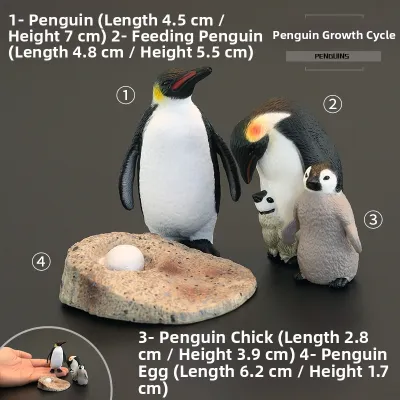
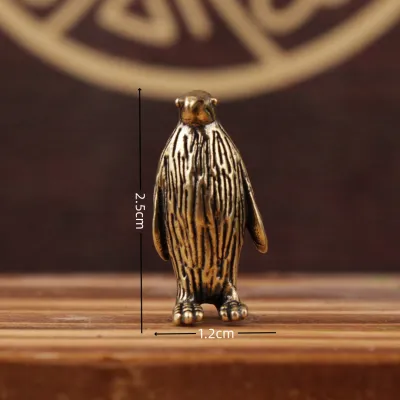
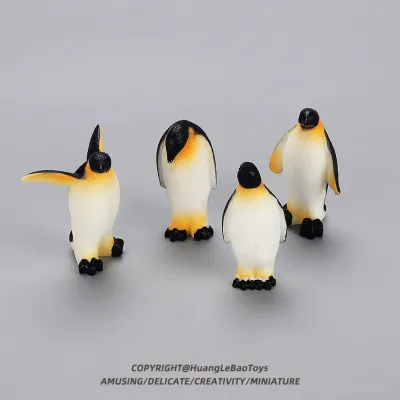
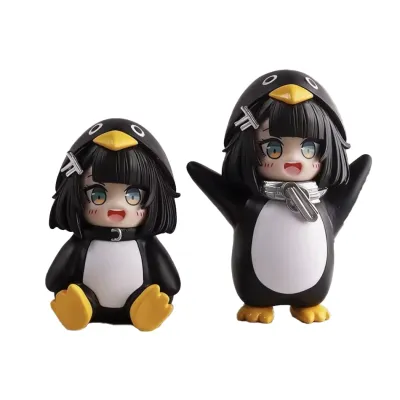
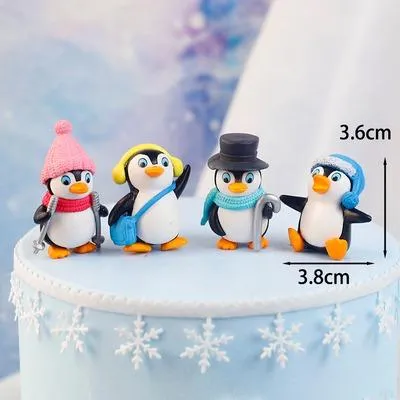

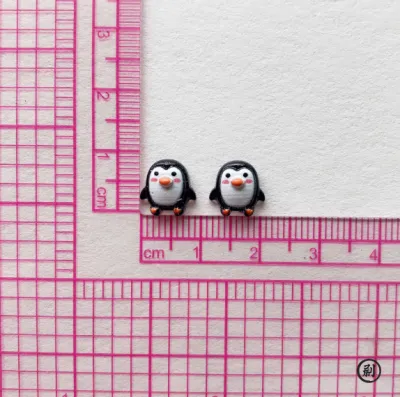
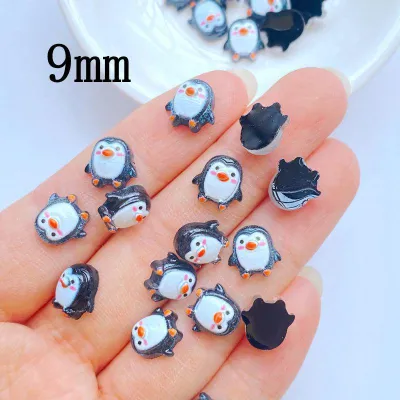
Prices are valid at publication and may change. Please refer to the product page for the latest price.
Budget and size constraints also vary by purpose. A decorative accent for a spacious living room mantel can be larger and more substantial, whereas an office desk companion must remain compact to avoid clutter.
Use a quick self-assessment checklist to clarify your intent:
- Is this item meant to be handled frequently, or will it remain behind glass?
- Does the recipient have a specific decor style, or do they appreciate whimsical, themed items?
- Am I looking for a durable piece or a limited-edition artisan creation?
- Will this figurine be exposed to high humidity, direct sunlight, or dust?
Selecting Penguin Figurines for Gifting
Gifting a penguin figurine requires careful consideration of the recipient’s daily life and living arrangements. For households with young children or active pets, fragile materials like hand-blown glass or delicate ceramics pose safety risks and are prone to accidental breakage. In these cases, sturdy resin, solid wood, or high-quality metal figurines offer a safer, more durable alternative.

Size and weight are equally critical when selecting a gift. A heavy, oversized stone sculpture might be difficult for the recipient to transport or place, especially if they live in a compact apartment or rent their home. Opting for a medium-sized piece—typically between 10 to 20 centimeters in height—ensures it can easily fit on a standard bookshelf, bedside table, or study desk without overwhelming the space.
Thematic designs add a highly personalized touch to your gift. You can find penguin figurines tailored to specific milestones, such as graduation themes, festive holiday outfits, or humorous poses that reflect a shared inside joke. Matching the figurine’s theme to the recipient’s hobbies or profession makes the gesture far more memorable.
When ordering from online platforms, pay close attention to packaging quality. Ensure the seller provides secure, shock-absorbent packaging, such as custom-cut foam or sturdy gift boxes, to prevent damage during transit. A well-packaged figurine not only arrives intact but also elevates the unboxing experience for the recipient.
Choosing Penguin Figurines for Home and Office Decor
Integrating a penguin figurine into your home or office decor requires a thoughtful approach to interior styling. The figurine should complement, rather than clash with, the existing architectural features and design theme of the room. For instance, a sleek, geometric monochrome figurine aligns perfectly with modern minimalist spaces, while a hand-carved wooden penguin enhances rustic or Scandinavian-inspired interiors.
Scale and proportion dictate where the figurine should be placed to achieve visual balance. A tiny figurine can easily get lost on a wide fireplace mantel or a large console table, making it look like an afterthought. Conversely, a large, heavy sculpture might crowd a compact executive desk or a narrow floating shelf. Measure the designated display area beforehand to ensure the figurine’s dimensions leave adequate breathing room.
Color palettes and surface finishes play a major role in how the figurine interacts with surrounding textiles and furniture. Matte finishes offer a subtle, contemporary look that blends into soft, neutral color schemes. Glossy or metallic finishes, such as polished brass or glazed ceramic, act as eye-catching focal points that draw attention and reflect light, adding a touch of sophistication.
Consider the ambient lighting of the room before finalizing your choice. Direct sunlight or harsh overhead spotlights can cause distracting glare on highly reflective glass or polished metal figurines. If your display area is brightly lit, a matte or textured finish will absorb light beautifully, highlighting the fine details of the sculpture without creating uncomfortable reflections.
Building a Penguin Figurine Collection
Starting a collection of penguin figurines is an exciting pursuit, but without a clear strategy, it can quickly turn into a cluttered assortment. Establishing a specific theme helps curate a cohesive collection. You might focus exclusively on vintage mid-century modern designs, hand-blown art glass from specific regions, or figurines crafted from sustainable natural materials.
Before adding any new piece, establish strict quality criteria. Inspect the figurine closely for fine craftsmanship, precise paint detailing, and overall structural integrity. Look for clean seams on molded pieces, even glaze application on ceramics, and the absence of hairline cracks or chips that could compromise the item’s value.
Proper display solutions are essential for preserving your collection. Dust, direct ultraviolet (UV) light, and fluctuating humidity can degrade paints, yellow resins, and weaken adhesives over time. Enclosed glass cabinets or dedicated shelving units equipped with UV-filtering glass protect your valued pieces from environmental hazards and accidental falls.
For high-value or limited-edition figurines, verify the manufacturer’s specifications and markings. Check the underside of the base for artist signatures, brand stamps, production years, or limited-edition numbers. Retaining original boxes, certificates of authenticity, and purchase receipts is highly recommended, as these documents are crucial for verifying the provenance and material composition.
Material and Care Considerations Across All Scenarios
The material of your penguin figurine determines its aesthetic appeal, durability, and maintenance requirements. Resin is versatile, lightweight, and shatter-resistant, making it excellent for detailed, whimsical designs. Ceramic and porcelain offer a classic, elegant look with a satisfying weight, though they remain fragile and susceptible to chipping if mishandled.
Glass figurines, particularly hand-blown art glass, capture and refract light beautifully but require secure placement. Wooden figurines bring warmth and organic texture, though they are sensitive to moisture and temperature changes. Metal figurines, such as brass or bronze, provide exceptional durability and a premium feel, but they may tarnish over time if exposed to high humidity.
Maintaining your figurines requires safe, non-abrasive cleaning techniques. For routine maintenance, dry dusting with a soft, clean makeup brush or feather duster is highly effective for removing dust from intricate crevices. If a deeper clean is necessary, use a slightly damp microfiber cloth with plain water, drying the surface immediately with a separate soft cloth to prevent water spots.
Avoid using harsh chemical cleaners, solvents, or abrasive scrubbing pads, as these can permanently strip paint, dissolve protective glazes, or corrode metal finishes. Environmental factors like direct sunlight can fade colors, while high humidity can warp wood. Always check the manufacturer’s specific care instructions before cleaning, and if you are unsure about the material’s reaction, consult a professional conservator.
Frequently Asked Questions (FAQ)
Can a single penguin figurine serve as both a collectible and home decor?
Yes, many high-quality figurines successfully bridge the gap between art and decoration. However, displaying a valuable collectible in an active, high-traffic area of your home introduces risks of accidental damage or environmental wear. To balance both roles, consider placing the figurine inside a secure, clear acrylic display case on a sturdy shelf, which showcases its beauty while protecting it from dust, pets, and accidental bumps.
How do I clean delicate glass or ceramic penguin figurines safely?
To clean fragile glass or ceramic figurines safely, always handle them over a soft, padded surface like a folded towel to prevent damage if dropped. Use a dry, lint-free microfiber cloth or a soft-bristled brush to gently sweep away dust. Avoid submerging the figurine in water or using hot water, which can cause thermal shock and crack delicate glass; if stubborn dirt persists, consult a professional restorer rather than risking abrasive cleaning.
Community discussion
Share your experience or ask a question. Comments are reviewed before publication.