
A perpetual motion sculpture serves as a mesmerizing focal point in any interior, drawing the eye with its continuous, rhythmic movement. When shopping for one of these captivating pieces, your primary focus should be on mechanical craftsmanship, the noise level of the drive mechanism, and how the power source fits your daily lifestyle. While these elegant items are frequently marketed under the alluring name of a perpetual machine, they are actually sophisticated kinetic art installations that rely on clever physics, low-friction engineering, or hidden electrical assistance to sustain their movement. Finding the right piece requires looking past the illusion of infinite energy and evaluating the tangible components that determine whether a sculpture will remain a beautiful, functional centerpiece or end up as silent shelf clutter.
Integrating kinetic art into your living space is as much about spatial harmony and technical reliability as it is about visual style. In modern homes, where clean lines and minimalist aesthetics often dominate, a moving sculpture adds a layer of dynamic energy that static decor simply cannot replicate. However, because these pieces rely on constant or near-constant movement, their quality directly impacts their longevity. A poorly made model will quickly develop wobbles, squeaks, or stall entirely, turning a source of relaxation into a minor household frustration. By understanding the mechanical realities and design options available, you can select a high-quality sculpture that provides years of reliable, soothing motion.
Understanding How Perpetual Machine Decor Actually Works
To make an informed purchase, it is essential to separate scientific reality from marketing showmanship. The laws of thermodynamics dictate that a true perpetual machine—a device that can do work indefinitely without an external energy source—is physically impossible. Friction, air resistance, and mechanical wear will eventually drain energy from any moving system, causing it to come to a complete stop. Therefore, any decorative sculpture that appears to move forever is actually a kinetic art piece utilizing clever engineering to overcome these physical limitations.
Products mentioned in this guide

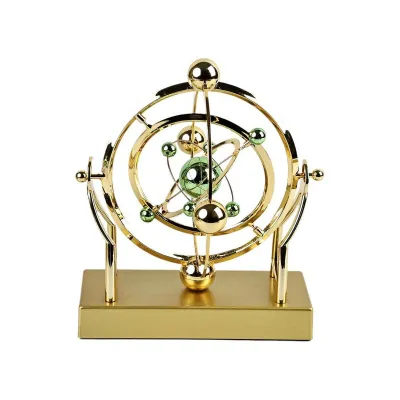
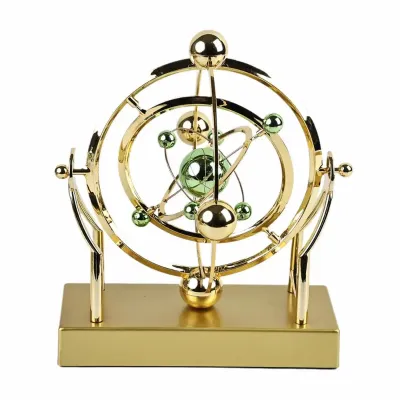
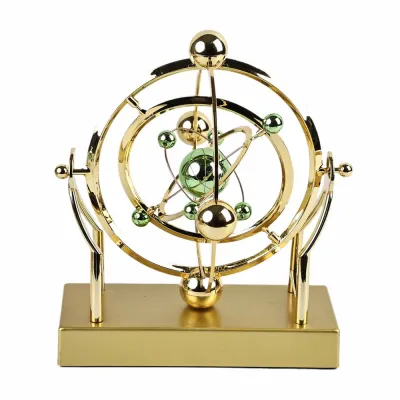
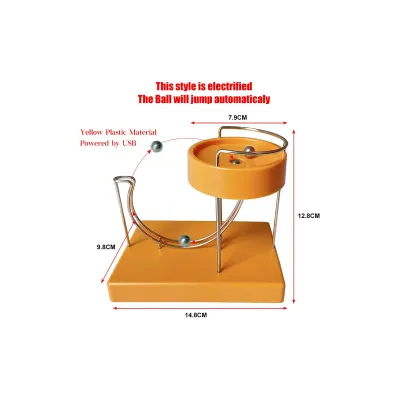

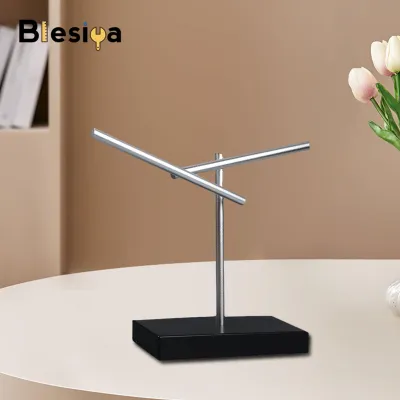
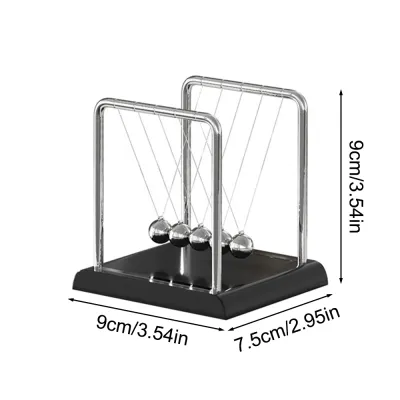
Prices are valid at publication and may change. Please refer to the product page for the latest price.
When evaluating these sculptures, you will generally encounter three primary methods used to create the illusion of endless motion:
- Electromagnetic Pulse Drives: This is the most common mechanism found in modern kinetic decor. The base of the sculpture houses a small electronic circuit and an electromagnet powered by batteries or a wall adapter. As a moving part (which contains a small permanent magnet) swings past the base, a sensor detects its approach and triggers a brief magnetic pulse. This pulse gives the moving part a tiny push, replacing the energy lost to friction and air resistance, allowing the motion to continue indefinitely.
- Concealed Battery and Motor Systems: Some sculptures hide small, low-voltage electric motors or gearboxes deep within their wooden or metal bases. These motors drive subtle pulleys, nylon lines, or hidden cams that gently tilt the platform or nudge the moving arms, keeping them in motion without any visible connection.
- Low-Friction Mechanical Balancing: High-end mechanical sculptures rely on precision physics rather than continuous electrical power. By utilizing ultra-low-friction bearings, perfect weight distribution, and aerodynamic shapes, these pieces can sustain motion for several hours from a single manual push. While they will eventually stop, their engineering showcases pure mechanical artistry.
When browsing online marketplaces or specialty design stores, be cautious of product descriptions claiming “zero power required” or “gravity-powered continuous motion.” Unless the piece relies on a manual wind-up spring or is a purely passive balance toy that stops after a few minutes, there is almost certainly a battery compartment, a USB port, or a solar panel hidden somewhere in the design. Understanding this underlying technology helps you evaluate the sculpture’s build quality and plan for its power needs.
Essential Quality Indicators to Check Before Buying
Evaluating a kinetic sculpture online or in a showroom requires looking closely at the mechanical details that dictate its performance. Because these items are designed to be in motion for hours at a time, minor flaws in materials or assembly can lead to premature failure.

Bearing Quality and Movement Fluidity
The joints and pivot points are the most critical components of any moving sculpture. They bear the weight of the moving elements and represent the primary point of friction in the entire system. High-quality kinetic sculptures utilize sealed, precision-machined stainless steel or brass ball bearings rather than cheap plastic bushings or simple metal pins. Precision bearings ensure that the rotation or swing remains perfectly balanced, preventing the unsightly wobbling or stuttering that plagues lower-grade models.
To assess bearing quality, look closely at the smoothness of the movement. The transition between swings or rotations should be fluid and continuous, with no sudden jerks or audible scraping. If you are purchasing a mechanical balance piece, a high-quality bearing will allow the sculpture to glide effortlessly for an extended period after a single gentle nudge. When shopping online, look for specifications that explicitly mention “shielded ball bearings” or “precision-machined pivots,” and pay close attention to user reviews detailing whether the sculpture maintained its smooth movement after several months of regular use.
Power Source and Run Time
Every active kinetic sculpture requires a reliable energy source to maintain its motion, and the type of power supply you choose will significantly affect where you can place the piece and how often you must maintain it.
- Standard Alkaline Batteries (AA or AAA): These models offer excellent portability, allowing you to place the sculpture on a dining table, a coffee table, or a central display shelf without worrying about unsightly cords. However, continuous operation can drain batteries quickly, leading to ongoing replacement costs and environmental waste.
- Rechargeable Lithium-Ion Batteries (USB-C): Many modern sculptures feature built-in rechargeable batteries. These provide the cordless aesthetic of standard battery models while allowing you to easily recharge the unit overnight using a standard USB-C cable. When choosing this option, verify the manufacturer's stated run time per charge, which typically ranges from 12 to 48 hours of continuous motion.
- Direct Wall Power (AC Adapters): Ideal for permanent installations, these sculptures plug directly into an electrical outlet. While this eliminates the need to worry about battery life, it limits your placement options and requires careful cable management to keep the cord hidden. For consumers in Singapore, ensure that any included USB wall adapter or plug carries the appropriate safety certifications, such as the Safety Mark, to guarantee electrical safety and voltage compatibility.
- Solar-Assisted Bases: Some eco-friendly designs incorporate small photovoltaic panels into the base to power a low-draw electromagnetic coil. While highly sustainable, these models require consistent ambient light. In a typical Singapore apartment, unless the sculpture is placed near a bright window or directly under a dedicated spotlight, a solar base may struggle to maintain continuous motion.
Operational Noise Levels
A kinetic sculpture is meant to be a soothing, meditative addition to your home, but an unexpected mechanical hum or click can quickly shatter that tranquility. The noise level of a sculpture is directly tied to its drive mechanism and the quality of its construction. Electromagnetic pulse drives are generally the quietest option because they do not rely on physical gears or motors; the only sound they produce is a faint, almost imperceptible “tick” as the coil activates, or they may operate in complete silence.
In contrast, gear-driven, clockwork, or motor-driven sculptures utilize interlocking teeth and mechanical linkages. While these pieces offer incredible visual complexity, they also produce a rhythmic ticking, whirring, or buzzing sound. When selecting a sculpture, it is vital to match its acoustic profile to the room where it will live. A silent electromagnetic piece is ideal for bedrooms, quiet study areas, or home offices where concentration is key. A gear-driven clockwork piece, with its rich mechanical character, is better suited for lively living rooms, dining spaces, or creative studios where a gentle background hum can add to the room’s atmosphere. Always check customer feedback specifically for noise complaints, as product descriptions rarely highlight these operational sounds.
Recommended Styles of Perpetual Motion Sculptures for Your Home
Kinetic sculptures come in a wide variety of designs, allowing you to find a piece that complements your personal taste and existing interior decor.
Magnetic Levitation and Swing Sculptures
These high-tech sculptures utilize powerful electromagnets to defy gravity, creating a striking visual effect that fits perfectly in modern minimalist, Scandinavian, or contemporary homes. Common designs include floating metallic globes, levitating geometric shapes that spin on a virtual cushion of air, or complex double pendulums that swing in chaotic, unpredictable paths. The clean lines and silent, floating motion of these pieces make them excellent focal points for executive desks, modern sideboards, or minimalist shelving units.
However, magnetic levitation models have a notable limitation: they require a constant, uninterrupted connection to an electrical outlet to maintain the electromagnetic field. If the power is cut, the levitating element will fall. When purchasing, look for models that feature a safety drop-catch mechanism—often a built-in permanent magnet that pulls the floating element safely to the base when power is lost—to prevent damage to the sculpture or your furniture.
Gear-Driven and Clockwork Art Pieces
For those who appreciate mechanical complexity and industrial aesthetics, gear-driven sculptures offer a fascinating visual experience. These pieces celebrate their inner workings, displaying exposed brass cogs, copper gears, escapements, and intricate linkages that move in perfect synchronization. They are a natural fit for industrial, steampunk, mid-century modern, or eclectic interiors, where the warmth of dark wood and polished metal adds depth and character to a room.
The main trade-off with gear-driven pieces is maintenance and noise. The multiple moving parts require regular dusting to prevent friction buildup, and they will almost certainly produce a gentle, rhythmic mechanical sound. Additionally, because these pieces are visually complex, they look best when given plenty of visual breathing room, such as on a dedicated mantelpiece or an open display shelf, rather than being crowded among other decorative objects.
Pendulum and Gyroscope Desk Decor
If you are looking for a compact, classic piece of kinetic art, pendulum and gyroscope designs are an excellent choice. These traditional desk toys include swinging sticks, balanced gyroscopes, and stylized figures that rock back and forth on a single pivot point. They are highly popular as stress-relief aids and focus tools for study desks and home offices, providing a soothing, repetitive visual rhythm that helps clear the mind during long working hours.
Most of these models are highly energy-efficient, utilizing a single battery-powered coil in the base to provide a tiny magnetic pulse each time the pendulum passes its lowest point. This allows them to run for months on a single set of batteries. Their compact footprint and self-contained design make them highly versatile, fitting easily onto small writing desks, bedside tables, or crowded bookshelves without requiring dedicated power cords.
Placement, Lighting, and Safety Tips for Kinetic Art
To get the most out of your kinetic sculpture, careful consideration must be given to where and how it is displayed. Integrating lighting and spatial design principles will elevate the sculpture from a simple desk toy to a stunning work of art.
- Optimize Your Lighting Angles: The visual impact of a moving sculpture can be dramatically enhanced by its shadow play. Position an adjustable desk lamp, a directional spotlight, or a track light so that the moving parts cast dynamic, sweeping shadows onto the adjacent wall. This creates a secondary, ambient light-and-shadow show that adds depth and movement to the entire room, making it especially striking in the evening.
- Balance Spatial Proportions: Scale the sculpture to the furniture it sits on. A large, sweeping double-pendulum sculpture can feel overwhelming on a compact writing desk in a cozy HDB study, whereas a tiny gyroscope might get lost on a spacious sideboard in a high-ceilinged condominium living room. Measure your available space and ensure the sculpture leaves ample breathing room around it to maintain a balanced, uncluttered look.
- Prioritize Stability and Safety: Because these sculptures involve continuous physical movement, they are susceptible to vibrations and tipping. Always place the sculpture on a flat, level, and stable surface. Look for models with a heavy, weighted base and non-slip rubber or felt padding to prevent the unit from sliding or scratching polished surfaces like marble, glass, or varnished wood. If you have young children or curious pets—especially cats who may be tempted to swat at a swinging arm—position the sculpture on a high, secure shelf or inside a glass display cabinet to prevent accidental damage.
- Verify Movement Clearance: Before purchasing, check the manufacturer's specified dimensions for the full range of motion. The swing radius or rotation diameter of a pendulum is often significantly larger than the base itself. Ensure there is plenty of clearance on all sides so the moving parts do not strike nearby walls, computer monitors, picture frames, or fragile decor items during operation.
How to Maintain and Clean Moving Sculpture Parts
Regular, gentle maintenance is the key to keeping your kinetic sculpture operating smoothly and preserving its aesthetic appeal over time. Because these pieces rely on delicate balances and low-friction joints, improper cleaning can easily cause damage.
- Gentle Dust Removal: Dust is the primary enemy of moving parts. It accumulates in bearings, gears, and pivots, increasing friction and eventually causing the mechanism to stall. Use a dry, clean microfiber cloth to gently wipe down flat surfaces and metal rods. For intricate gears, delicate joints, and hard-to-reach areas, use a can of compressed air or a soft-bristled makeup brush to blow or sweep away dust. Never apply heavy physical pressure, as this can bend or misalign the delicate moving arms.
- Avoid Liquid Cleaners and Lubricants: Never spray liquid glass cleaners, water, or household detergents directly onto the sculpture. Moisture can seep into the hidden battery compartments, electromagnetic coils, or circuit boards, causing permanent electrical failure. Additionally, avoid applying standard oils, WD-40, or heavy lubricants to the bearings or gears unless the manufacturer's care instructions explicitly state to do so. Standard lubricants can attract airborne dust, turning into a sticky paste that locks up the mechanism and increases friction.
- Prevent Battery Corrosion: If you plan to store the sculpture or leave it unused for an extended period, always remove the batteries. In Singapore's hot and humid climate, alkaline batteries are highly susceptible to leaking. Corrosive battery acid can quickly destroy the electrical contacts and render the sculpture's electromagnetic drive completely useless.
- Seek Professional Help for Malfunctions: If the sculpture's movement becomes stiff, unbalanced, or starts making unusual grinding noises, do not attempt to force the joints or disassemble the internal electromagnetic base yourself. Check the manufacturer's troubleshooting guide for common alignment checks, or consult a qualified repair professional to avoid voiding any warranties or causing irreparable damage to the delicate internal circuitry.
Frequently Asked Questions (FAQ)
Do perpetual motion sculptures need to be plugged in constantly?
Whether a kinetic sculpture must remain plugged in depends entirely on its underlying drive mechanism. Models featuring advanced electromagnetic levitation must be connected to a continuous power source, such as a wall outlet or a powered USB port, to maintain the active magnetic field that keeps the element floating; if unplugged, the floating piece will immediately fall. On the other hand, sculptures that rely on swinging pendulums, rotating rings, or balance wheels are often powered by standard AA/AAA batteries or internal rechargeable lithium-ion batteries. These battery-operated models do not require a constant plug connection, allowing you to place them anywhere in your home, where they will run independently until the battery charge is depleted.
Is it safe to leave kinetic sculptures running overnight?
Most high-quality kinetic sculptures are engineered with low-voltage, low-power components designed for continuous, long-term operation. However, leaving them running overnight is generally unnecessary and can shorten the overall lifespan of the moving parts. For gear-driven or mechanical models, continuous friction will wear down the gears faster, and any operational whirring or ticking might disrupt your sleep. For battery-powered models, turning them off when you leave the room or go to bed will significantly extend battery life. If your sculpture uses a wall adapter, it is good practice to turn it off or unplug it when unattended to conserve energy and minimize any minor electrical risks.
Community discussion
Share your experience or ask a question. Comments are reviewed before publication.