
Quick Answer: Core Selection Criteria for Emergency Torches
A powerful torch light for a Singapore Housing & Development Board (HDB) flat emergency kit must balance high brightness, reliable power retention, and ease of use during sudden blackouts. When the power grid fails, navigating narrow corridors, locating household shelters, or checking the distribution board requires immediate, dependable illumination. The ideal emergency torch should offer a brightness range of 300 to 1000 lumens, which provides ample light for indoor spaces without causing blinding glare off painted concrete walls.
Beyond raw brightness, versatility is key. A suitable emergency torch must feature multiple lighting modes, including a wide flood beam for illuminating entire rooms and a focused spot beam for long-distance navigation. It should also include a low-power “eco” mode to conserve battery life during extended outages. The power source is equally critical; a hybrid system that supports both rechargeable lithium-ion batteries and standard disposable cells offers the best of both worlds. This setup ensures you can recharge the device via USB during normal times and swap in fresh alkaline or lithium primary batteries when electricity is unavailable for days.
Finally, the torch must be built to withstand Singapore’s warm, humid climate. High humidity can accelerate battery corrosion and degrade cheap plastic components, making durable materials like anodized aluminum or high-impact polycarbonate essential. By selecting a torch that meets these core criteria, you can ensure your household remains safe, calm, and well-lit during any unexpected power disruption.
Products mentioned in this guide
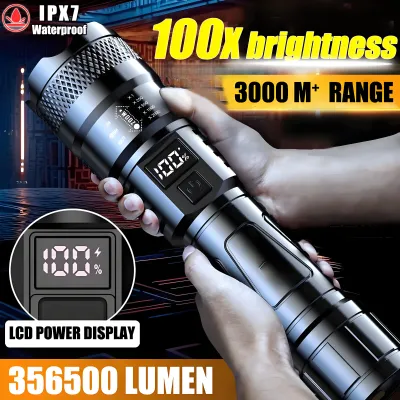
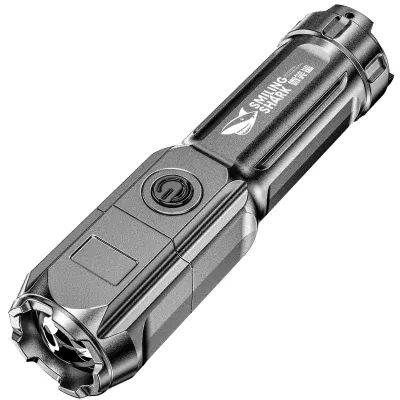
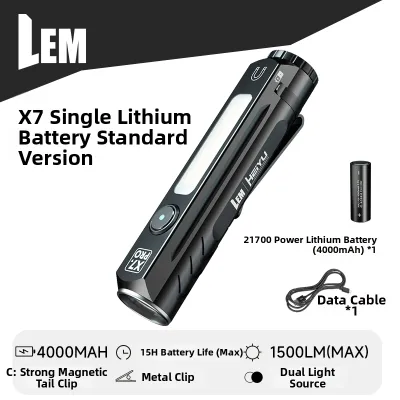
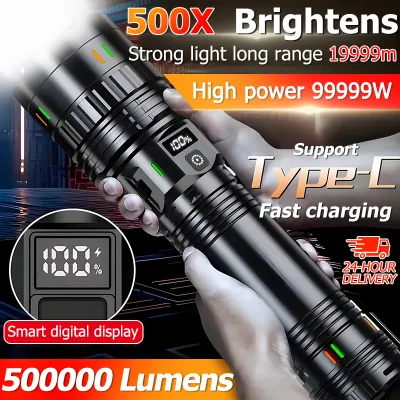
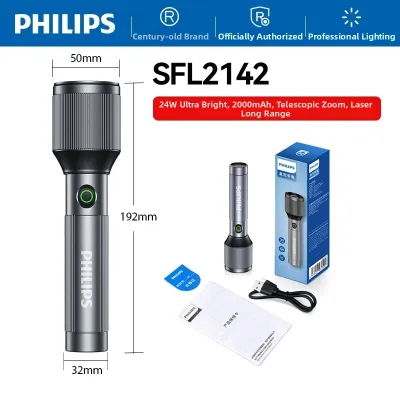
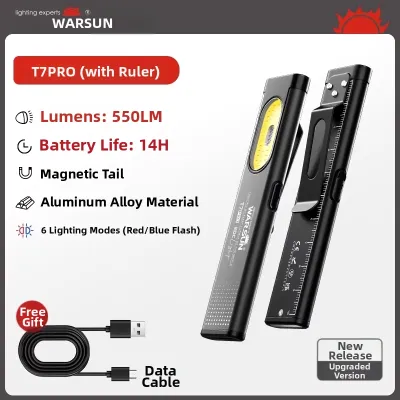
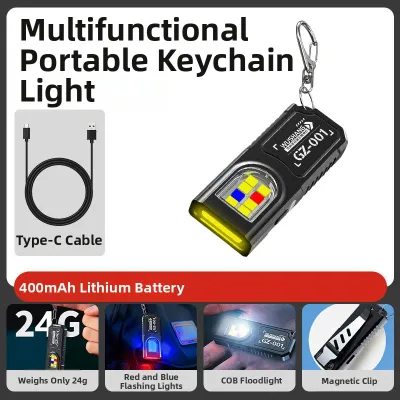
Prices are valid at publication and may change. Please refer to the product page for the latest price.
Evaluating Key Features for HDB Emergency Scenarios
To choose the right torch light, you must understand how technical specifications translate to real-world performance inside an HDB flat. The unique layout and construction materials of local apartments dictate specific lighting requirements that differ significantly from outdoor or tactical use.

Lumens and Beam Distance
Lumens measure the total amount of visible light emitted by a source. While it is tempting to buy the brightest torch available, excessively high lumens can be counterproductive indoors. HDB flats typically feature light-colored walls, tiled floors, and metallic bomb shelter doors that reflect light efficiently. A torch emitting over 2000 lumens at close range can cause intense glare, leading to temporary eye strain or blindness. For general indoor use, a torch with an adjustable output ranging from 15 to 1000 lumens is highly practical. This allows you to use a low setting for reading or navigating small rooms, and a high setting to illuminate larger living areas. Beam distance is also worth checking; a torch that can throw a beam up to 100 meters is more than sufficient for navigating long common corridors or looking down high-rise stairwells during an evacuation.
Durability and IP Ratings
Singapore’s tropical climate is characterized by high relative humidity, which often hovers around 80% or higher. This moisture-rich air can easily penetrate poorly sealed electronic devices, causing internal short circuits, rusted battery contacts, and switch failures. To prevent this, look for a torch with a verified Ingress Protection (IP) rating. An IP rating consists of two numbers: the first represents protection against solid particles like dust, and the second represents protection against liquids. For a household emergency kit, a rating of at least IPX4 (protection against splashing water from any angle) is recommended. If you want greater peace of mind, opt for an IP65 or IP67 rating, which indicates the torch is completely dust-tight and can withstand heavy rain or temporary immersion in water. This level of durability ensures the torch remains functional even if stored in a damp utility closet or if a water pipe leaks nearby.
Size, Weight, and Ergonomics
In a true emergency, every member of the household—including young children and elderly grandparents—may need to use the torch. Heavy, bulky searchlights or long tactical batons are difficult to handle for extended periods and can easily be dropped. A medium-sized torch measuring between 12 and 18 centimeters in length is generally the most ergonomic choice. It should be lightweight enough to hold comfortably in one hand while navigating dark spaces or carrying emergency supplies. Look for models made from aircraft-grade anodized aluminum, which offers excellent impact resistance without adding unnecessary weight. The handle should feature a textured, non-slip grip pattern to prevent it from slipping out of sweaty or wet hands.
Additional Functions
Several secondary features can significantly enhance a torch’s utility during a blackout. A magnetic base is incredibly useful, as it allows you to stick the torch to metal surfaces like the household shelter door, the refrigerator, or the metal casing of your distribution board. This frees up both hands to inspect fuses, prepare food, or tend to family members. A sturdy lanyard or wrist strap is another simple but essential feature that prevents the torch from falling and breaking if dropped. Some modern rechargeable torches also feature a USB power output port, allowing the torch to act as an emergency power bank to charge your mobile phone. While this should not replace a dedicated power bank, it serves as an excellent secondary backup to keep your communication lines open.
Managing Power Sources and Batteries for Blackouts
The reliability of your emergency torch depends entirely on its power source. Understanding the strengths and weaknesses of different battery chemistries, charging methods, and storage practices is essential to ensure your light turns on when you need it most.
Rechargeable vs. Disposable Batteries
Rechargeable lithium-ion batteries (such as 18650 or 21700 cells) are highly popular due to their high energy density, consistent voltage output, and cost-effectiveness. They can be recharged hundreds of times via standard USB-C ports, making them highly convenient for modern households. However, lithium-ion batteries slowly self-discharge over time when left on a shelf, meaning a torch stored for a year without maintenance may be dead when an emergency strikes. On the other hand, disposable alkaline batteries (like AA or AAA) have a long shelf life and are cheap to replace. However, alkaline batteries are notorious for leaking potassium hydroxide, a corrosive chemical that can permanently ruin the torch’s internal contacts. A superior alternative is lithium primary batteries (such as CR123A), which offer a shelf life of up to 10 years, do not leak, and perform exceptionally well in extreme temperatures, though they are more expensive. For the ultimate emergency setup, look for a “dual-fuel” torch that can run on a rechargeable lithium-ion battery but also includes an adapter sleeve to accept standard disposable batteries in a pinch.
Alternative Charging Methods
Many emergency kits feature solar-powered or hand-crank torches, but these should be approached with caution. High-rise HDB flats often have limited direct sunlight indoors, making solar-powered torches slow and inefficient to charge from a window sill. Hand-crank mechanisms rely on complex plastic gears that can easily strip or break under pressure. Furthermore, hand-cranking requires significant physical effort for a relatively small amount of light output, which can be exhausting during a stressful situation. While these alternative charging methods are acceptable as a tertiary backup, they should never replace a high-capacity rechargeable or battery-powered torch as your primary light source.
Battery Degradation and Storage
Singapore’s warm ambient temperatures, which frequently exceed 30°C, can accelerate battery self-discharge and chemical degradation. To maximize the lifespan of your batteries, store them in a cool, dry place away from direct sunlight, kitchen appliances, or electrical risers. Never leave disposable alkaline batteries inside a torch during long-term storage; if the batteries leak, the corrosive acid will destroy the torch’s circuitry. If you use rechargeable lithium-ion batteries, try to store them at around 50% to 70% charge rather than completely full or completely empty, as this reduces stress on the battery chemistry and prolongs its overall lifespan.
Runtime Expectations
When evaluating a torch’s runtime, it is important to read the manufacturer’s specifications critically. Many brands advertise impressive runtimes of 50 or 100 hours, but these figures are almost always measured on the lowest “eco” or “moonlight” setting, which may only emit 1 to 5 lumens—barely enough to read a map up close. For practical emergency use, look at the runtime on the medium setting (around 100 to 200 lumens). A reliable emergency torch should be able to run continuously for at least 6 to 10 hours on this setting, providing sufficient light to get through a typical overnight blackout without needing a battery swap or recharge.
Building a Conditional Shortlist for Your Household
Rather than searching for a single “perfect” torch, a more effective approach is to build a layered emergency lighting plan. Different areas of your HDB flat and different emergency scenarios require distinct types of lighting tools.
The Primary Household Torch
This is the heavy-duty workhorse of your emergency kit. It should be kept in a central, easily accessible location, such as an emergency bag or a designated cabinet in the living room. This torch should feature a robust aluminum body, a high-capacity rechargeable battery (such as a 21700 lithium-ion cell), and a maximum output of at least 800 to 1000 lumens. It should have a versatile beam that can switch between a wide floodlight for illuminating rooms and a focused spotlight for navigating dark stairwells. This is the light you rely on for major tasks, search-and-rescue situations, or prolonged power outages.
The Compact Backup
A primary torch is useless if you cannot find it in the dark. Compact backup lights should be placed in highly accessible locations throughout your flat, such as on bedside tables, near key hooks, or inside the household shelter. These torches can be smaller, powered by a single AA battery or a small built-in rechargeable battery, and should emit around 100 to 300 lumens. Their primary purpose is to provide immediate, localized light the moment the power cuts out, allowing you to safely navigate through your home to retrieve your primary emergency kit.
The Multi-Function Lantern/Torch
While directional torches are excellent for navigation, they are less effective for illuminating a shared space where family members are gathered. A hybrid device that functions as both a directional torch and a 360-degree area lantern is highly valuable. Some models feature a sliding bezel that diffuses the light, while others have a dedicated lantern attachment. Placing a lantern on the dining table or hanging it from a ceiling hook allows your family to eat, play board games, or rest comfortably without having to hold a flashlight or deal with harsh, directional shadows.
Verification Steps
When shopping for emergency torches on online marketplaces or at local hardware stores, it is crucial to verify the seller’s claims. Avoid unbranded products that boast unrealistic specifications, such as “990,000 lumens” or “10,000 meters beam distance” for a low price of S$10. These claims are physically impossible and often indicate low-quality manufacturing and unsafe battery components. Instead, look for reputable brands that list their specifications according to the ANSI/PLATO FL 1 standard. This standard ensures that the lumen output, runtime, beam distance, and impact resistance have been tested under consistent, scientific conditions. Read customer reviews carefully, paying close attention to feedback regarding battery life, build quality, and long-term reliability.
Pre-Purchase Checks and Safe Storage Practices
Before finalizing your purchase and setting up your HDB emergency kit, there are several critical safety checks and maintenance practices you should establish to ensure your equipment remains safe and ready for action.
Electrical Safety and Certifications
If you choose a rechargeable torch that plugs directly into a wall outlet or uses a dedicated charging dock, safety must be your top priority. Ensure that any charging adapters or power plugs carry the local safety certification, such as the Safety Mark in Singapore. This certification guarantees that the device has been tested and approved for safe electrical use under local voltage standards (230V, 50Hz), minimizing the risk of short circuits, electrical fires, or damage to your home’s wiring. For torches that charge via USB, always use high-quality, certified cables and reputable wall chargers rather than cheap, unbranded alternatives.
Warranty and After-Sales Support
An emergency torch is an investment in your household’s safety, so it is wise to choose brands that offer reliable warranties and local after-sales support. Check if the brand has an authorized distributor or service center in Singapore. A local warranty makes it significantly easier to replace a defective unit, source replacement batteries, or obtain spare parts like rubber O-rings and tail caps. Avoid buying grey-market imports that offer no warranty coverage, as you may find yourself with a useless device if a component fails.
Optimal Storage Locations
The placement of your emergency kit can make all the difference during a sudden blackout. Store your primary torch and backup lights in cool, dry, and easily accessible locations that every family member knows. The household shelter (bomb shelter) is an ideal location, but make sure the torch is placed on a shelf near the entrance rather than buried deep inside. Avoid storing torches in areas prone to heat and moisture, such as balconies, kitchens, or bathrooms. Ensure the storage spot is out of reach of direct sunlight, which can degrade plastic casings and overheat batteries.
Routine Testing Schedule
An emergency torch is only useful if it works when the power goes out. To prevent finding yourself with dead batteries or a malfunctioning light, establish a routine testing schedule. Set a recurring reminder on your phone calendar every three to six months to inspect your emergency kit. During this check, turn on each torch and cycle through all the lighting modes to ensure the switch and LED are functioning correctly. Check the battery level and recharge or replace the batteries as needed. Finally, open the battery compartment to inspect for any signs of swelling, leakage, or white powdery corrosion, and wipe down the contacts with a dry cloth to maintain a strong electrical connection.
Frequently Asked Questions (FAQ)
How many lumens do I actually need for an HDB power outage?
For general indoor navigation and tasks like checking your distribution board or finding keys, a brightness of 50 to 150 lumens is perfectly adequate. If you need to illuminate an entire room, a torch capable of 300 to 500 lumens is ideal; you can point the beam at a white ceiling to bounce and diffuse the light, creating soft, ambient illumination throughout the space. Avoid using ultra-high settings (1000 lumens or more) indoors for extended periods, as this drains the battery rapidly, generates significant heat, and creates harsh, uncomfortable glare on light-colored HDB walls.
Can I use my everyday EDC flashlight for emergencies?
While an everyday carry (EDC) flashlight or even your smartphone’s built-in light can assist in the initial moments of a blackout, they are not ideal primary emergency lights. Smartphones drain their battery quickly when the camera flash is kept on, leaving you without a vital communication tool during an outage. Dedicated emergency torches feature much larger battery capacities, superior heat dissipation, and physical designs optimized for long-term hand-held or hands-free use. Keeping a dedicated emergency torch ensures your daily-use lights or phone batteries remain preserved for their primary functions.
Community discussion
Share your experience or ask a question. Comments are reviewed before publication.