
Selecting a quality mini turtle figurine for your home display involves evaluating material integrity, surface craftsmanship, and spatial proportions. A well-chosen figurine serves as a subtle focal point, bringing a touch of nature-inspired artistry to shelves, desks, or side tables. To ensure your purchase is durable and visually appealing, you must look past stylized marketing photos and focus on observable physical details, structural stability, and how the piece interacts with your existing interior design.
The turtle motif is a timeless element in home styling, often selected to represent stability, longevity, and calm. However, because miniature decor items are small, any manufacturing defect, poor paint job, or material instability becomes highly noticeable. By establishing a clear set of criteria for materials, finishes, and dimensions, you can confidently select a piece that elevates your space rather than looking like a cluttered afterthought.
Whether you are searching for a sleek minimalist accent or a highly detailed realistic sculpture, understanding the nuances of craftsmanship and material behavior is essential. This guide provides a comprehensive framework to help you assess quality, choose the right proportions, match styles to your home, and maintain your figurine for years to come.
Products mentioned in this guide
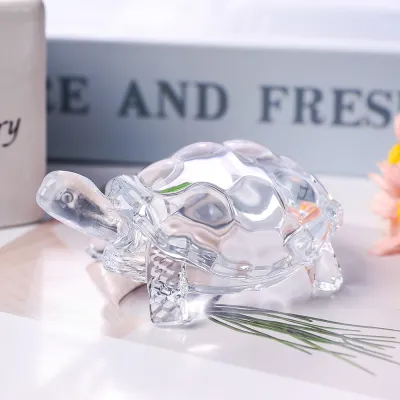
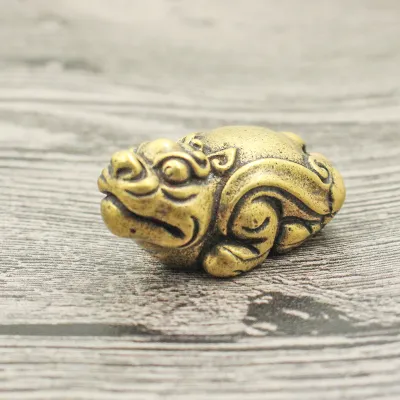
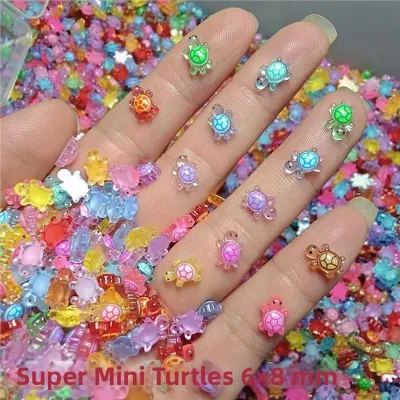

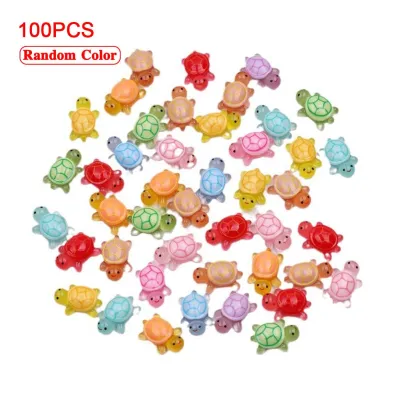
Prices are valid at publication and may change. Please refer to the product page for the latest price.
How to Evaluate Material and Craftsmanship
The material of a mini turtle figurine determines its weight, tactile experience, and long-term durability. Common materials used in small-scale decorative sculptures include resin, ceramic, metal, and wood, each offering distinct characteristics that suit different display environments.
Resin is highly versatile and widely used because it allows manufacturers to capture intricate molded details, such as the fine textures of a turtle’s shell or skin. High-quality resin figurines, often referred to as polyresin or cold-cast stone, are mixed with stone powder to give them a satisfying weight and a less plastic-like feel. While resin is highly durable and resistant to shattering, lower-grade resins can feel lightweight, hollow, and cheap, and they may contain internal structural voids.
Ceramic figurines offer a classic, polished aesthetic that ranges from delicate porcelain to rustic earthenware. Ceramic has a natural weight and a smooth, premium texture, but it is inherently fragile. High-fired ceramics, such as stoneware, are more durable and less porous than low-fired earthenware, making them less susceptible to chipping. When evaluating ceramic, look for a consistent glaze application without pinholes, cracks, or uneven pooling of color.
Metal figurines, typically cast in brass, bronze, copper, or pewter, provide exceptional durability and a heavy, premium feel in the hand. Over time, metals develop a natural patina that adds character, though they can also be polished to maintain their original luster. When choosing metal, ensure the casting is clean and free of sharp, unfinished edges or pitting from air bubbles trapped during the pouring process.
Wood figurines bring organic warmth and unique grain patterns to a display. Hand-carved wooden mini turtles are highly prized for their individuality, as no two pieces are identical. However, wood is a living material that reacts to environmental changes. It must be properly dried, cured, and sealed by the manufacturer to prevent warping, cracking, or splitting, especially in climates with fluctuating humidity.
To verify craftsmanship, perform a series of visual and physical checks. Inspect the figurine closely for visible seam lines, which occur where the two halves of a mold meet; high-quality pieces undergo meticulous hand-sanding to blend these lines seamlessly into the design. Examine the paint boundaries for bleeding or smudging, as sharp, clean lines indicate careful hand-painting or precise machine application. Finally, place the figurine on a completely flat surface and gently tap it to check its base stability. A quality figurine must sit flat without rocking, ensuring it will not easily tip over and suffer damage.
Choosing the Right Scale and Proportion for Your Space
When selecting a mini turtle figurine, “mini” is a relative term that can span anywhere from a tiny two-centimeter pocket charm to a ten-centimeter tabletop accent. Before making a purchase, it is essential to define the practical dimensions that will work best in your intended display area.

Begin by measuring the physical space where you plan to place the figurine. Use a measuring tape to record the depth of the shelf, the height clearance between shelves, and the width of the open surface. A common mistake is purchasing a figurine based solely on close-up online photos, only to find it is too small to be noticed or too wide to fit alongside existing decor. Knowing the exact measurements prevents these spatial mismatches.
Visual proportion is just as important as physical dimensions. A tiny figurine placed on a large, empty console table can look lost, isolated, or like an accidental piece of clutter. Conversely, squeezing a larger “mini” figurine onto a crowded bookshelf can make the display feel cramped and chaotic. To achieve a balanced look, aim to place your mini turtle in a setting where its scale feels intentional.
Creating a curated vignette is an excellent way to integrate a small figurine into a larger space. You can place a five-centimeter mini turtle on top of a small stack of decorative books, position it next to a small potted succulent, or display it inside a glass shadow box. This grouping technique gives the small object visual weight and draws the eye toward it, making it a deliberate part of your home’s design narrative rather than an afterthought.
Additionally, evaluate the base footprint and physical stability of the figurine. In households with active pets, young children, or high-traffic walkways, lightweight or top-heavy figurines are at a constant risk of being knocked over. Opt for a mini turtle with a low, wide center of gravity and a broad base footprint, which naturally resists tipping. If you plan to display the figurine on a delicate or highly polished surface, check if the bottom is smooth, or consider applying tiny adhesive felt pads to protect your furniture from scratches.
Matching Finishes and Styles to Your Home Decor
A quality figurine must not only be well-crafted but must also harmonize with the existing design aesthetic of your home. By categorizing the artistic style of the mini turtle and understanding how its finish interacts with light, you can select a piece that complements your interior theme.
Decorative styles generally fall into a few distinct categories. Realistic figurines feature lifelike textures, natural color palettes, and accurate anatomical details, making them ideal for coastal, rustic, or traditional study spaces. Minimalist styles utilize smooth, simplified lines and abstract shapes, focusing on the essence of the turtle’s form; these pieces blend seamlessly into modern, Scandinavian, or contemporary interiors. Whimsical designs often feature playful poses or stylized expressions, adding a touch of warmth to children’s rooms, creative offices, or casual kitchen shelving. Geometric styles use sharp angles and faceted surfaces to create a modern, architectural look that suits industrial or highly structured spaces.
The finish of the figurine plays a crucial role in how it is perceived under different lighting conditions. Matte finishes absorb light, emphasizing the physical form, silhouette, and subtle textures of the material. Matte pieces are excellent for brightly lit rooms, as they do not produce distracting glare. Glossy finishes, such as glazed ceramic or polished glass, reflect light and create bright highlights, making them eye-catching accents for darker shelves or areas with dedicated spotlighting.
Metallic finishes, including polished brass, antique bronze, or brushed silver, introduce a sense of luxury and sophistication. Warm metals like brass and bronze add warmth to a display, while cool metals like silver or pewter offer a sleek, modern feel. Hand-painted finishes provide unique depth and character, as subtle variations in brushstrokes and color layering become visible under warm artificial light, adding a layer of artisan charm that mass-printed finishes cannot replicate.
To create a cohesive look, coordinate the color palette of your figurine with the surrounding decor. If your room features a cool color scheme of blues, greys, and whites, a white ceramic, blue-glazed, or silver metal turtle will integrate beautifully. For spaces dominated by warm earth tones, natural wood, terracotta, or brass figurines will enhance the cozy atmosphere. Use these color relationships to tie the figurine into the broader room design.
Pre-Purchase Checks and Red Flags for Online Shopping
Shopping for home decor online offers convenience and a vast selection, but it also presents challenges in verifying physical quality. Because you cannot hold the figurine or inspect it in person, you must use specific strategies to evaluate listings on e-commerce platforms and online marketplaces.
One of the most reliable ways to assess a figurine’s true appearance is to analyze user-uploaded review photos. Official listing images are highly stylized, often utilizing professional studio lighting, macro lenses, and digital editing to make the product look flawless and larger than life. Scroll down to the customer review section and look for photos taken in ordinary household lighting. Compare these images to the official photos to check for discrepancies in color accuracy, paint neatness, surface texture, and actual scale when held in a hand or placed next to common household items.
Be alert to common listing red flags that may indicate a low-quality product. Vague material descriptions, such as “stone-like composite” or “premium synthetic material,” are often used to disguise cheap, low-grade plastics that lack durability and weight. Missing dimension specifications are another major warning sign; if a seller describes an item as “mini” but does not provide exact measurements in centimeters or inches, you run the risk of receiving an item that is either microscopic or unexpectedly large.
Additionally, be skeptical of extremely low prices for items advertised as “hand-carved,” “hand-painted,” or “artisan-crafted.” Genuine hand-craftsmanship requires significant time, skill, and labor. If a figurine is priced exceptionally low, it is almost certainly a mass-produced, machine-molded replica made from cheap materials. Read the product description carefully to see if the seller provides specific details about the manufacturing process or the origin of the materials.
Finally, review the seller’s policies regarding returns, refunds, and shipping guarantees. Because mini figurines made of ceramic, glass, or delicate resin are highly fragile, they are susceptible to damage during transit. Reputable sellers will explicitly state how they package fragile items—such as using custom-cut foam inserts or heavy-duty bubble wrap—and will offer clear, hassle-free return policies in case the item arrives damaged. Checking these details before purchasing protects you from disappointing transactions.
Safe Cleaning and Display Maintenance
Once you have selected and displayed your mini turtle figurine, proper care and maintenance are essential to preserve its appearance and structural integrity over time. Dust and environmental factors can gradually dull finishes and damage delicate materials if left unaddressed.
Routine cleaning should always begin with the gentlest method possible. Dust is the primary culprit for dulling a figurine’s appearance, settling into the fine crevices of the shell and limbs. Use a soft-bristled makeup brush, a clean paint brush, or a dry microfiber cloth to gently sweep away dust. This method is highly effective and prevents the abrasive scratching that can occur when wiping a dusty surface with a rough cloth.
If the figurine requires a deeper clean to remove smudges or sticky residue, tailor your approach to the specific material. For sealed ceramic, metal, or high-quality resin, a soft cloth slightly dampened with water and a single drop of mild, pH-neutral dish soap is generally safe. However, always avoid using harsh chemical cleaners, abrasive scrubbing pads, or solvents like acetone and alcohol. These substances can strip away delicate paint layers, dissolve protective glazes, or chemically degrade resin binders, causing permanent damage.
Placement is another critical factor in long-term preservation. Avoid displaying your mini turtle in areas that receive direct, intense sunlight. Prolonged exposure to ultraviolet (UV) rays can cause vibrant paint colors to fade, turn clear resins yellow, and dry out natural wood, leading to unsightly cracks. Similarly, keep the figurine away from direct heat sources, such as radiators, fireplaces, or heating vents, as rapid temperature fluctuations can cause materials to expand and contract, potentially leading to structural fractures.
Knowing when to stop cleaning is crucial for protecting your investment. If you notice paint flaking, structural cracking, or a sticky residue that does not come off with gentle wiping, halt your cleaning efforts immediately. Do not attempt to apply household glues, varnishes, or unverified sealants, as these can cause irreversible chemical reactions. For valuable, delicate, or antique figurines, consult the manufacturer’s care guidelines or seek advice from a professional art conservator to ensure the piece is preserved correctly.
Frequently Asked Questions (FAQ)
Can I use indoor mini turtle figurines in a bathroom or humid area?
Displaying indoor mini turtle figurines in high-humidity environments like bathrooms requires careful material selection. Porous materials such as unsealed wood, low-fired earthenware, or figurines with delicate water-based paint finishes can degrade rapidly when exposed to constant moisture. High relative humidity, common in tropical climates like Singapore, can cause wood to warp, paint to peel or bubble, and mold to develop in hard-to-reach crevices. If you wish to display a mini turtle in a bathroom, verify that the manufacturer explicitly rates the item for wet or humid environments, or opt for highly stable, non-porous materials like glazed stoneware, solid brass, or fully sealed, high-grade acrylics. Stop using the figurine in humid areas immediately if you observe any surface softening, discoloration, or mold growth.
How do I fix a chipped paint spot on a decorative figurine?
For minor cosmetic touch-ups on stable materials like cured resin, ceramic, or wood, you can perform a simple home repair using color-matched acrylic paint. Begin by gently cleaning the chipped area with a dry, soft brush to remove any loose debris. Apply a tiny amount of acrylic paint using a fine-detail artist brush, building up the color in thin, controlled layers rather than one thick glob. Allow the paint to dry completely between coats. Avoid using harsh solvents, heavy industrial glues, or unverified spray sealants to coat the repair, as these chemicals can react negatively with the figurine’s original finish, causing melting, bubbling, or permanent discoloration. For valuable, antique, or highly sentimental figurines, avoid DIY repairs entirely and consult a professional art restorer.
Community discussion
Share your experience or ask a question. Comments are reviewed before publication.