
Selecting a reliable table clock for daily use in Singapore requires looking beyond surface aesthetics to evaluate how a timepiece performs under local environmental conditions. A dependable table clock serves as both a functional timekeeper and a decorative accent, meaning its longevity depends on a combination of movement quality, robust build materials, and accessible brand support. In a tropical climate characterized by high relative humidity and consistent warmth, choosing a clock built with resilient components ensures that your timepiece remains accurate and free from premature wear. Rather than relying solely on a brand name, understanding the underlying mechanics and construction of these devices allows you to make an informed decision that fits your daily routine.
Core Criteria for Evaluating Table Clock Reliability
To understand what makes a table clock truly reliable, it is essential to examine the internal movement, which serves as the heart of the timepiece. Most modern table clocks utilize quartz movements, which rely on a tiny quartz crystal and an electronic oscillator to keep time. These movements are divided into two primary types: standard stepping quartz and continuous sweep quartz. Standard stepping quartz movements move the second hand in precise, one-second increments, producing a distinct ticking sound. This design is highly energy-efficient, often allowing a single battery to power the clock for up to two years. On the other hand, continuous sweep movements offer a silent, gliding motion that eliminates the ticking sound entirely. While visually elegant and acoustically quiet, sweep movements require constant motor engagement, which increases mechanical friction and power consumption, resulting in a shorter battery lifespan.
The choice of casing and dial materials directly impacts how well a table clock withstands the local climate. Solid wood casings add a warm, classic aesthetic to a room, but they are naturally porous and susceptible to moisture absorption. In humid environments, untreated or poorly sealed wood can warp, crack, or develop mold over time. Metals such as brass, stainless steel, and anodized aluminum offer excellent structural integrity and a premium feel, though they require protective anti-corrosion coatings to prevent oxidation and tarnishing in humid air. High-density plastics and acrylics are highly resistant to moisture and corrosion, making them practical and lightweight choices, though lower-grade plastics may become brittle or discolor when exposed to UV rays near windows. For the dial cover, mineral glass provides superior scratch resistance and clarity compared to acrylic lenses, which scratch easily but offer better impact resistance.
Products mentioned in this guide
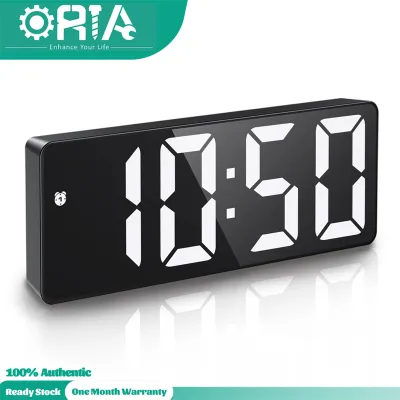
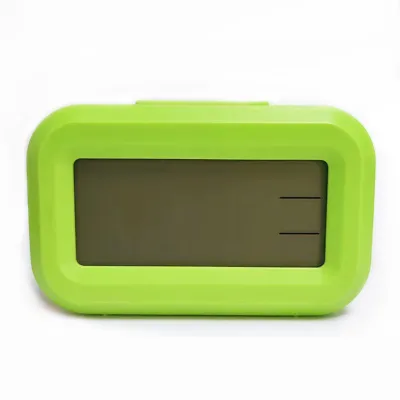
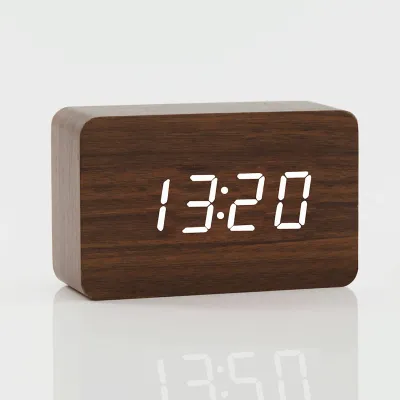
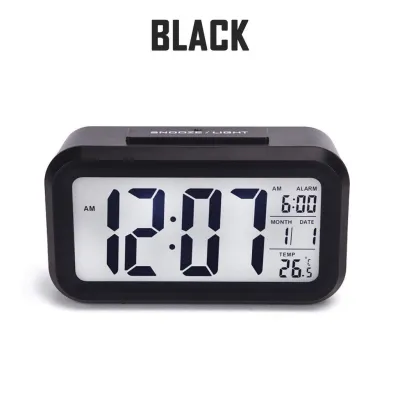
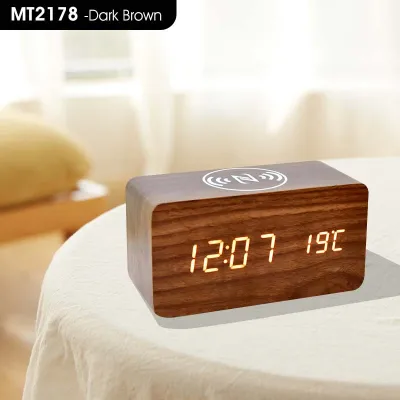
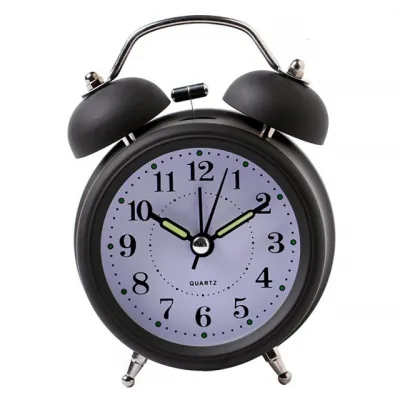
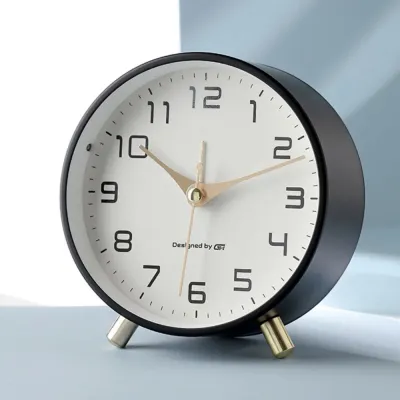
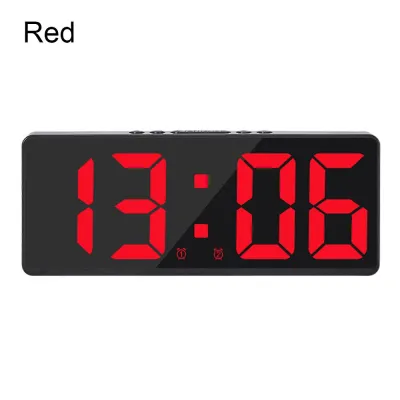
Prices are valid at publication and may change. Please refer to the product page for the latest price.
Power source considerations also play a significant role in daily convenience and long-term upkeep. Battery-operated models are the most common and versatile, allowing you to place the clock anywhere without worrying about cable management. However, they require regular battery monitoring to prevent leakage. Mechanical table clocks, which rely on manual winding or a pendulum, offer traditional appeal but demand consistent user interaction and are more sensitive to dust and humidity. For digital or plug-in table clocks, it is essential to verify electrical compatibility with local power standards (230V, 50Hz) and look for safety certifications, such as the local Safety Mark, to ensure safe operation within your home’s electrical grid.
Common Brand Categories and Their Typical Strengths
When exploring the market, you will find that table clock manufacturers generally fall into three distinct categories, each with its own design philosophy and manufacturing priorities. Traditional horology and instrument brands focus heavily on precision engineering, standardized internal parts, and long-term serviceability. These manufacturers have decades of experience in timekeeping technology, and their clocks often feature highly reliable quartz or mechanical movements that are easy for local watchmakers to service or replace. Their designs tend to lean toward classic, timeless aesthetics, utilizing premium metals, polished glass, and fine wood finishes. Investing in a traditional horology brand generally ensures that you are paying for movement reliability and structural durability.

Home decor and lifestyle brands, by contrast, focus on seamless aesthetic integration with modern interior design trends. These brands offer table clocks that serve as key decorative elements, featuring minimalist dials, contemporary color palettes, and innovative shapes. While these clocks typically use standard, mass-produced quartz movements, they are highly accessible and easy to operate. The emphasis here is on visual appeal and affordability, making them excellent choices for living rooms, entryways, or shelving units where the clock functions primarily as a design accent rather than a high-precision instrument.
Specialty and designer brands cater to specific functional needs or unique design philosophies. For instance, some specialize in ultra-silent mechanisms designed specifically for bedrooms, while others integrate advanced features such as acoustic alarms, automatic backlighting, or digital temperature displays. These brands often use proprietary designs and specialized materials to achieve their unique functions. When considering a specialty brand, it is important to evaluate whether their unique features align with your daily habits and whether their proprietary parts might limit future repair options.
Key Features to Verify Before Purchasing
Before finalizing your purchase, a thorough inspection of the clock’s specifications and physical attributes is essential. Start by verifying the movement origin. Japanese and Swiss quartz movements are widely recognized for their manufacturing consistency and long-term accuracy, making them preferred choices for daily reliability. Additionally, check the manufacturer’s warranty terms; a reliable brand typically offers at least a one-year warranty covering movement defects, which provides peace of mind regarding the clock’s internal components.
Readability is another critical factor for a daily-use clock. Evaluate the dial design under different lighting conditions. High-contrast dials—such as dark hands against a light face, or vice versa—ensure that you can easily read the time from across the room. Consider the size of the numerals and whether the glass cover produces excessive glare under overhead lighting or natural sunlight. For bedside use, look for models with subtle luminescent hands or a gentle, on-demand backlight that does not disrupt your sleep.
Acoustic performance must match the clock’s intended environment. If you plan to place the table clock on a bedside table or a study desk, test the noise level of the mechanism. Even some “silent” quartz clocks can produce a faint hum or clicking sound in a completely quiet room. If possible, listen closely to the clock in a quiet space before buying, or check user reviews specifically addressing the acoustic profile of the model to ensure it will not disturb your rest or concentration.
Purchasing Channels and After-Sales Support
To guarantee that you receive an authentic product backed by a valid manufacturer’s warranty, always purchase your table clock through authorized channels. This includes official brand boutiques, authorized department store counters, and reputable local home goods retailers. Purchasing from unauthorized online sellers or grey-market importers may save on the initial cost, but it often leaves you without recourse if the movement fails or if the product arrives damaged.
Understanding the scope of the warranty is crucial. Standard manufacturer warranties typically cover internal movement defects and manufacturing flaws for a specified period, usually one to two years. However, they rarely cover cosmetic wear and tear, glass breakage, or damage caused by battery leakage. Always retain your purchase receipt and warranty card, and clarify with the retailer whether warranty service is handled locally or requires shipping the clock overseas.
Local serviceability is a major component of long-term reliability. Before choosing a brand, check if they have an established service center or authorized repair partners in Singapore. Brands with a strong local presence make it much easier to source replacement parts, such as hands, glass covers, or entire replacement movements. If a clock uses a highly proprietary movement without local support, even a minor internal fault could render the entire timepiece unusable.
Maintenance and Care for Long-Term Performance
Proper maintenance is key to preserving both the accuracy and the physical condition of your table clock over many years. The most critical aspect of quartz clock maintenance is battery care. Always use high-quality alkaline batteries from reputable brands, and avoid mixing old and new batteries. Most importantly, never leave a completely depleted battery inside the clock. Over time, dead batteries can leak corrosive chemicals that destroy the delicate metal contacts and ruin the movement beyond repair.
Cleaning routines should be gentle and tailored to the clock’s specific materials. For dust removal, a soft, dry microfiber cloth is usually sufficient. If the casing is made of wood or metal, avoid using wet cloths or harsh chemical cleaners, which can strip away protective lacquers, cause wood to swell, or accelerate metal oxidation. For glass or acrylic covers, use a dedicated lens cleaner and a soft cloth to prevent scratching the surface.
Placement plays a vital role in protecting the clock’s internal components. Avoid placing your table clock in areas exposed to direct, intense sunlight, as prolonged UV exposure can fade the dial face, discolor hands, and degrade plastic casings. Keep the clock away from areas of high humidity, such as directly adjacent to open bathroom doors or active humidifiers. Finally, keep the timepiece away from strong magnetic fields generated by large audio speakers, subwoofers, or heavy household appliances, as magnetic interference can temporarily disrupt or permanently damage quartz and mechanical movements.
Frequently Asked Questions (FAQ)
Do silent sweep movements drain batteries faster?
Yes, continuous sweep movements generally consume more power than standard stepping quartz movements. In a standard quartz movement, the motor pulses once per second, conserving energy between ticks. A silent sweep movement, however, requires continuous electrical current to drive the gear train smoothly and eliminate the ticking sound. This constant operation typically results in a shorter battery lifespan, meaning you may need to replace the battery more frequently. Always check the product manual for specific battery recommendations and expected runtimes.
How often should I replace the battery in a quartz table clock?
For optimal performance and safety, you should replace the battery in a quartz table clock every 12 to 18 months, or as soon as you notice the time starting to lag. Standard alkaline batteries are designed to provide steady voltage, but as they near depletion, their voltage drops, which can cause the clock to lose accuracy. Proactively replacing the battery before it dies completely is the best way to prevent battery leakage, which can cause permanent chemical damage to the clock’s internal terminals.
Can I use rechargeable batteries in my table clock?
It is generally not recommended to use rechargeable batteries in standard quartz table clocks unless the manufacturer explicitly states otherwise. Standard rechargeable batteries, such as Nickel-Metal Hydride (NiMH) cells, typically have a nominal voltage of 1.2V, which is lower than the 1.5V provided by standard alkaline batteries. This lower voltage can cause the clock’s movement to run slowly, lose time, or fail to operate entirely. For consistent timekeeping and movement longevity, high-quality single-use alkaline batteries are the preferred choice.
Community discussion
Share your experience or ask a question. Comments are reviewed before publication.