
To choose the right stand lamp for living room mood lighting, you must focus on three core pillars: selecting a warm color temperature (2700K to 3000K) with adjustable brightness, choosing a shade material that diffuses light to create a soft ambiance rather than harsh glare, and verifying physical and electrical compatibility—such as Singapore’s 230V voltage standard and the SAFETY Mark certification. By matching the lamp’s scale to your seating layout and positioning it to layer with existing light sources, you can transform a stark living room into a cozy, inviting retreat.
Define Your Living Room Mood and Lighting Goals
Before browsing designs or materials, you need to clarify the exact atmosphere you want to establish in your living room. A living room is a multi-functional space where families gather, watch television, read, or host guests. The mood you want to evoke during the evening hours dictates the type of stand lamp you require. For instance, a cozy reading nook requires localized, glare-free illumination, while a relaxing evening lounge atmosphere benefits from a soft, indirect ambient glow that washes over the walls.
Understanding the principles of lighting layering is essential for achieving these goals. Professional lighting design relies on three distinct layers: ambient (general illumination), task (focused light for activities), and accent (highlighting specific features or creating visual depth). A stand lamp typically acts as a localized ambient light source or an accent light. It is rarely intended to illuminate an entire room on its own; instead, its purpose is to soften harsh shadows, fill in dark corners, and provide a warm, low-level glow that makes the space feel intimate and structured.
Products mentioned in this guide

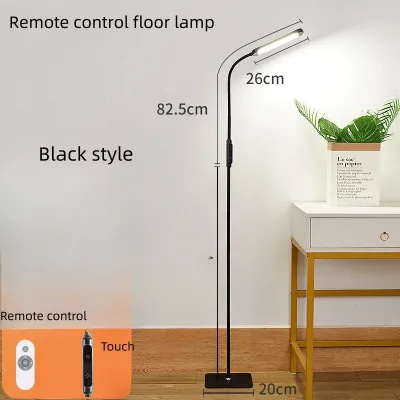
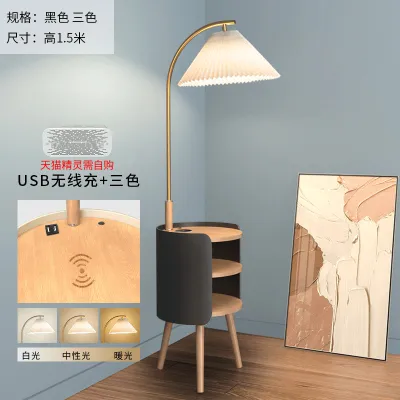
Prices are valid at publication and may change. Please refer to the product page for the latest price.
To plan your setup, walk into your living room during the late afternoon or evening and observe the existing light distribution. Note where the shadows fall and where your main overhead fixtures create uncomfortable glare. Many modern apartments, such as HDB flats or condominiums, rely heavily on bright, cool-toned LED downlights that can feel clinical or overwhelming after a long day. A strategically placed floor fixture helps balance these harsh overhead sources by bringing the light source down to eye level, instantly making the room feel more grounded and comfortable.
Evaluate Light Temperature, Brightness, and Shade Materials
The technical specifications of your bulb and the physical properties of the lamp’s shade are the most critical factors determining the quality of light emitted. Misjudging these elements can result in a lamp that either leaves the room too dark or floods it with a cold, sterile glare.

Select the Right Color Temperature and Brightness
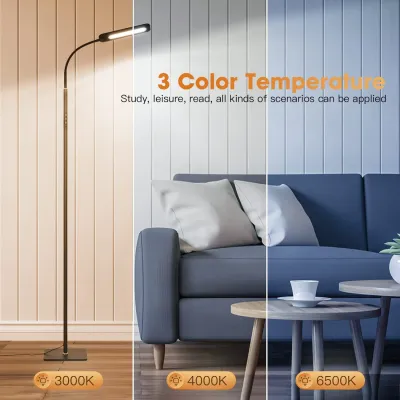
Color temperature is measured in Kelvin (K) and directly influences the psychological feel of your living area. For mood and ambient lighting, a warm white light ranging from 2700K to 3000K is highly recommended. Light within this range mimics the gentle, golden glow of candlelight or a setting sun, which signals to the brain that it is time to wind down and relax. Avoid bulbs rated at 4000K (cool white) or 6500K (daylight) for mood lighting, as these higher temperatures stimulate alertness and can make a cozy living room feel like an office or a clinical environment.
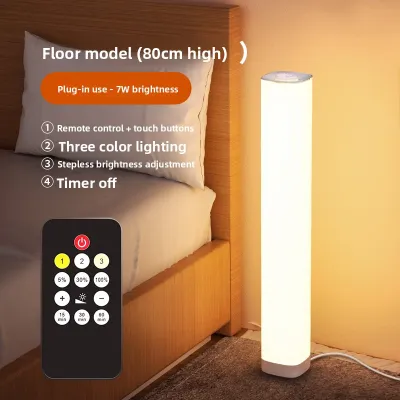
Brightness, measured in lumens (lm), is equally important when setting a mood. For a soft, atmospheric glow, look for bulbs that emit between 400 and 800 lumens, which is roughly equivalent to a traditional 40W to 60W incandescent bulb. To maximize the versatility of your stand lamp, prioritize fixtures that feature built-in dimming capabilities or are compatible with smart bulbs. A dimmable system allows you to transition the living room seamlessly from a functional, medium-brightness setting for casual conversation to a low-level, intimate glow for movie nights or late-night relaxation.
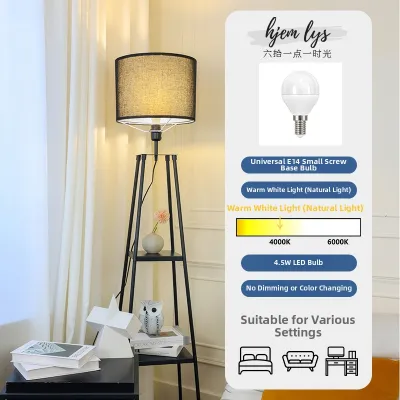
When selecting a bulb, always verify the base interface (such as E27 screw or GU10 bayonet) to ensure it matches the lamp socket perfectly. If you plan to use a smart bulb to control brightness and color temperature via an app or smart home system, confirm that the lamp’s physical switch is compatible and that the fixture does not have an integrated dimming circuit that might conflict with the smart bulb’s internal electronics.
Choose a Shade Material for Desired Light Diffusion
The material, color, and shape of the lamp’s shade act as a physical filter, shaping how light is distributed throughout the living room. Fabric, linen, and paper shades are the traditional choices for general ambient mood lighting. These semi-translucent materials diffuse light evenly in all directions, softening the output and eliminating harsh glare. A classic drum or tapered shade made of off-white or cream linen will cast a warm, gentle glow outwards while directing soft pools of light upward toward the ceiling and downward toward the floor.
In contrast, shades made of glass, metal, or dark, opaque materials restrict the path of light, creating highly directional beams and dramatic shadows. A metal dome shade or an adjustable spotlight-style stand lamp directs light precisely where it is pointed, leaving the surrounding areas in shadow. This style is excellent for creating a dramatic accent or a focused pool of light over a specific armchair, but it will not provide the even, room-softening diffusion that a fabric shade offers.
You should also examine the interior lining of the shade, as this surface significantly influences the quality of the emitted light. A shade with a gold or brass interior lining will reflect the light, adding a rich, amber warmth to the glow, which is ideal for enhancing a cozy atmosphere. A white interior lining, on the other hand, maximizes light efficiency and maintains the true color temperature of the bulb, making the output appear slightly brighter and cleaner.
Match the Lamp Design and Scale to Your Space
A stand lamp is a prominent visual element in your living room, meaning its physical design, materials, and scale must harmonize with your existing decor and furniture layout. The goal is to select a fixture that feels integrated into the room rather than like an afterthought.
Begin by evaluating the lamp’s base material and finish. To create a cohesive look, match these elements with the existing hardware, metal accents, or wood tones in your living room. For example, a lamp with a brushed brass or antique gold finish complements warm color schemes and classic or mid-century modern furniture. A matte black or industrial steel pole lamp pairs well with minimalist, contemporary, or loft-style spaces. If your living room features natural textures and Scandinavian or Japandi design elements, a stand lamp with a light oak, walnut, or matte ceramic base can enhance the organic aesthetic.
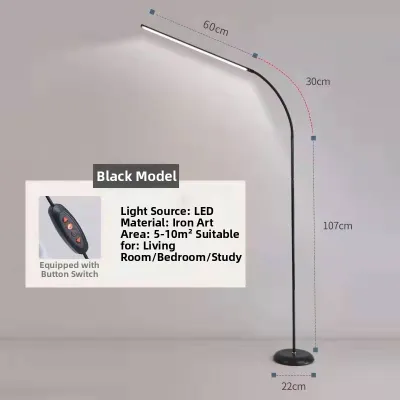
Next, carefully measure the physical footprint and height of the lamp relative to your seating arrangement. The height of the lamp should be chosen so that when you are seated on your sofa or armchair, the bottom of the shade is roughly at eye level. This placement ensures that the bulb itself remains hidden from view, preventing uncomfortable glare when you look across the room. For standard living room seating, a lamp height between 140 cm and 160 cm is typically ideal. Ensure the base of the lamp can slide neatly under or beside your furniture without protruding into walkways or blocking high-traffic pathways.
Consider also the visual weight of the fixture. A bulky, heavy-set ceramic or thick wood base anchors a large sectional sofa and balances the scale of a spacious room. Conversely, a slender, minimalist metal pole lamp with a small footprint is better suited for compact reading corners or smaller apartments, as it provides light without overwhelming the space visually.
Verify Electrical Safety and Hardware Compatibility
Because a stand lamp is an active electrical appliance placed in a high-traffic living area, verifying its safety specifications and local hardware compatibility is paramount. Never assume that a lamp purchased online or imported from abroad is immediately safe or ready to plug in.
First, verify voltage compatibility. Standard household voltage in Singapore is 230V at a frequency of 50Hz. Before purchasing or assembling your lamp, check the manufacturer’s specification label—usually located on the underside of the base or near the socket—to confirm it is rated for 220V–240V. Operating a lamp designed solely for 110V on a Singapore circuit will cause immediate damage to the fixture and poses a severe electrical fire hazard.
Second, check for local electrical safety certifications, such as the SAFETY Mark, which is required for controlled electrical goods to ensure they meet safety standards. This certification indicates that the appliance has been tested and registered with Enterprise Singapore, meeting the necessary safety requirements to prevent electrical shocks, short circuits, and fires.
Third, inspect the plug type and power cord length. The standard electrical outlet in Singapore is the Type G plug. If your chosen lamp comes with a different plug type, avoid relying on loose, non-compliant travel adapters for permanent installations. Instead, select a lamp with a factory-fitted Type G plug or have a qualified professional replace the plug safely. Measure the distance from your planned lamp position to the nearest wall outlet; the power cord must reach comfortably without being stretched taut or laid across active walkways where it presents a tripping hazard or can be damaged by foot traffic.
Finally, check the lamp’s maximum wattage rating, which is typically printed near the bulb socket. Never exceed this limit. While modern LED bulbs consume far less power than traditional incandescent bulbs, exceeding the fixture’s rated wattage can lead to excessive heat buildup, melting the socket or shade, and potentially igniting a fire. If you are unsure about compatibility or installation, always refer to the manufacturer’s instructions or consult a qualified professional.
Position and Layer Your Stand Lamp for the Best Effect
Once you have selected a safe, compatible, and stylish stand lamp, its physical placement determines how effectively it enhances your living room’s mood. Strategic positioning allows you to manipulate the perception of space and create distinct functional zones.
A classic technique is to place the stand lamp in a dark corner of the room. By illuminating these neglected corners, you eliminate harsh shadows and draw the eye outward, making a compact living room feel significantly larger and more open. Alternatively, positioning a handsome arc lamp or a classic straight-pole lamp directly behind or adjacent to an armchair creates a dedicated relaxation zone, visually separating the reading nook from the rest of the living area.
To achieve the ultimate moody atmosphere, practice layering your light sources. Turn off bright, centralized overhead ceiling lights entirely during the evening. Instead, combine your new stand lamp with one or two low-level table lamps placed on sideboards or end tables, and perhaps a subtle strip of warm LED backlight behind your television screen. This arrangement distributes soft points of light at varying heights throughout the room, creating a rich, textured, and deeply relaxing environment.
Finally, perform a real-world verification check once the lamp is installed. Sit in various positions around the living room at night to ensure the light does not reflect harshly off your television screen or create distracting glare on glass coffee tables and polished surfaces. Adjust the angle of the shade, reposition the base slightly, or fine-tune your dimmer settings until the light falls softly and comfortably, completing your perfect living room sanctuary.
Community discussion
Share your experience or ask a question. Comments are reviewed before publication.