
Selecting the right standing floor lamp is one of the most effective ways to instantly transform the atmosphere of your living room. The ambiance of a shared living space is determined not just by furniture, but by how light interacts with the surfaces, corners, and functional zones of the room.
By understanding how key features—specifically color temperature, light direction, shade material, and adjustability—influence human perception, you can curate a space that feels tailored to your lifestyle.
A cozy and intimate atmosphere relies on warm, heavily diffused light that stays below eye level, while a bright, functional room requires focused, high-lumen downlighting.
Products mentioned in this guide
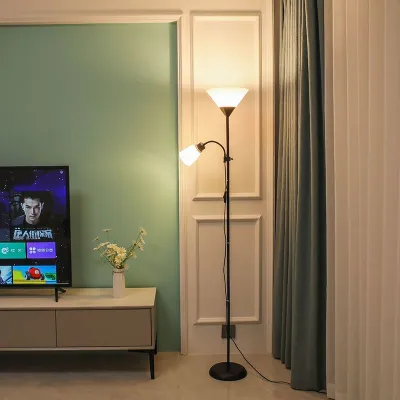
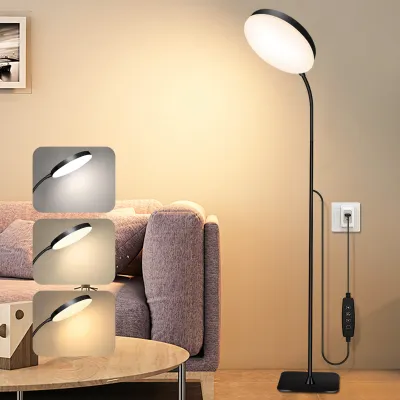
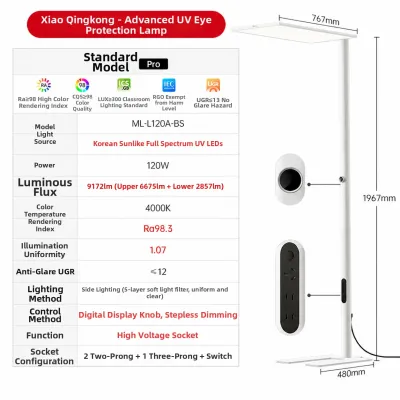
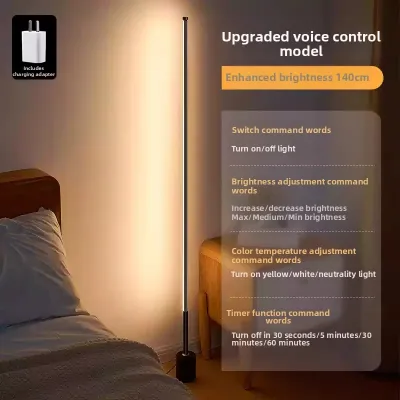
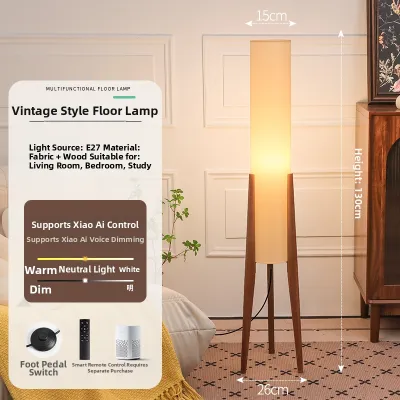
Prices are valid at publication and may change. Please refer to the product page for the latest price.
For those seeking a dramatic, gallery-like aesthetic, high-contrast accent lighting with adjustable beams is the key to highlighting architectural features and decor.
Diagnose Your Desired Living Room Ambiance
Before browsing through design catalogs, it is essential to diagnose the primary activities that take place in your living room.
Because this space often serves multiple purposes—ranging from quiet family evenings to lively social gatherings—the ideal lighting scheme must align with your daily routines.
Assessing whether your living room is primarily a sanctuary for relaxation, a productive workspace, or an entertainment hub will prevent you from purchasing a fixture that looks beautiful but fails to deliver the appropriate light quality.
Cozy and Relaxing
If your primary goal is to unwind after a long day, your living room requires a lighting scheme that mimics the gentle, warm glow of sunset.
A cozy environment relies on soft, diffused, and low-glare light sources that encourage the body to transition into a state of rest.
Harsh, exposed bulbs or intense downward beams can trigger alertness and cause eye strain, which defeats the purpose of a relaxing sanctuary.
To achieve this calming effect, look for fixtures that envelope the room in a gentle wash of light, eliminating sharp shadows and creating a sense of warmth.
Bright and Functional
For households where the living room is a hub for reading, crafting, board games, or casual work, functionality must take precedence.
A bright and functional ambiance requires clear, directed, and higher-lumen light that illuminates specific tasks without illuminating the entire room to an uncomfortable degree.
This approach ensures that you can focus on detailed activities without straining your eyes, while maintaining a balanced level of background illumination.
The key is to position the light source precisely where it is needed, ensuring that shadows do not fall across your book or workspace.
Dramatic and Accent-Driven
If you prefer a sophisticated, modern aesthetic that highlights the unique architecture or decor of your home, a dramatic lighting scheme is the ideal choice.
This style relies on high contrast, intentional shadows, and targeted beams to draw the eye to specific focal points, such as artwork, indoor plants, or textured walls.
By leaving certain areas of the room in soft shadow while brightly illuminating others, you create visual depth and a sense of luxury.
This curated approach mimics the lighting design of high-end galleries and boutique hotels, making the room feel dynamic and layered.
Match Light Direction and Adjustability to Your Space
The physical path that light travels from a standing floor lamp fundamentally shapes how spacious, intimate, or flexible your living room feels.

Adjustability and directional control allow you to manipulate shadows and reflections, turning a static room into a dynamic environment.
Uplighting for a Soft Ambient Glow
Uplighting fixtures, often referred to as torchiere lamps, direct their light upward toward the ceiling, where it bounces back down to fill the room with a soft, indirect glow.
This technique is highly effective for making compact living rooms feel larger and more open, as it draws the eye upward and eliminates dark overhead corners.
When planning for an uplighter in Singapore, it is important to evaluate the ceiling height and surface condition of your HDB flat or condominium.
Because the ceiling acts as a giant reflector, it should ideally be painted a light, neutral color and be free of visible texture defects or dust, which can cast unwanted shadows or reduce the efficiency of the reflected light.
Downlighting for Focused Task Zones
Downlighting fixtures direct their illumination downward, creating intimate, focused “pools” of light that naturally define functional zones within a larger room.
This style of lighting is perfect for placing next to a reading armchair, a sofa corner, or a side table, as it establishes a clear visual boundary for quiet activities.
By keeping the surrounding areas slightly dimmer, downlighting creates a sense of privacy and comfort within the designated zone.
When selecting a downlight, look for designs where the shade completely shields the bulb from direct view when you are seated, preventing uncomfortable glare.
Multi-Directional Lamps for Versatile Moods
In multi-functional living rooms, a single-direction lamp may feel limiting.
Multi-directional standing floor lamps, featuring adjustable gooseneck arms, pivoting heads, or multi-bulb configurations, offer the ultimate versatility for transitioning between different activities.
You can direct one beam upward to provide general ambient light while angling another downward for reading, and a third toward a piece of wall art.
This flexibility allows you to customize the lighting layout on the fly, adapting the room’s character from a bright family gathering space to a dim, cinematic home theater setup.
Select Color Temperature and Dimming for the Right Vibe
The technical specifications of the light source itself—specifically the color temperature measured in Kelvins (K) and the ability to adjust brightness—have a direct psychological and physiological impact on the room’s occupants.
Warm vs. Cool Light Tones
Color temperature dictates whether a room feels warm and inviting or cool and energetic.
For a cozy, relaxing living room, select warm white light, which typically ranges from 2700K to 3000K.
This golden-hued light mimics traditional incandescent bulbs and promotes relaxation by encouraging the production of melatonin.
Conversely, neutral to cool white light (4000K and above) is highly functional, mimicking daylight to boost focus, alertness, and visual clarity.
When shopping for a standing floor lamp, verify whether the fixture features integrated LEDs or standard screw-in sockets (such as E27 or GU10).
Integrated LEDs offer sleek designs but often lock you into a fixed color temperature, whereas standard sockets give you the freedom to swap bulbs to achieve your desired light tone.
The Role of Dimmability in Mood Transitions
A living room’s lighting needs change constantly throughout the day, making dimming capabilities an invaluable feature for smooth mood transitions.
High brightness is excellent for daytime tasks or cleaning, but as evening approaches, lowering the light intensity helps the mind and body wind down.
If you plan to use smart home systems or dimmable LED bulbs to achieve this effect, always inspect the lamp’s built-in hardware first.
Standard lamps with simple mechanical on/off foot or cord switches are highly compatible with smart bulbs, but fixtures with built-in physical dimmer sliders, touch-sensitive switches, or integrated electronic dimming circuits can cause severe compatibility issues, resulting in annoying flickering or permanent electronic damage.
Evaluate How Shade Materials Influence the Atmosphere
The material of a lampshade acts as a physical filter, determining not only the direction of the light but also its quality, softness, and color cast.
Choosing the wrong shade material can inadvertently ruin your desired mood by introducing harsh glare or blocking too much light.
Diffused Light from Fabric, Paper, and Frosted Glass
Shades made from translucent materials like linen fabric, rice paper, or frosted glass are designed to scatter light in all directions, softening the glow and eliminating harsh, distinct shadows.
This diffusion creates a highly balanced, comfortable atmosphere that is easy on the eyes, making these materials ideal for general ambient lighting in cozy family rooms.
Fabric shades also add a layer of physical texture and warmth to the decor, while frosted glass offers a clean, modern aesthetic that distributes light evenly without hot spots.
Directed Light from Metal and Clear Glass
Opaque materials, such as metal or dark-painted ceramic, block light from escaping through the sides of the shade, forcing the entire output out of the top or bottom opening.
This creates a highly concentrated, dramatic beam of light with sharp, defined edges, making metal shades excellent for task lighting or creating strong visual contrast.
On the other hand, clear glass or open-bottom cage shades allow maximum light output for a bright, industrial, or modern look.
However, because the bulb is fully visible, these designs can cause intense glare if positioned at eye level; they are best paired with low-wattage, decorative amber filament bulbs to preserve visual comfort.
Practical Space and Electrical Checks for Singapore Homes
Before finalizing your purchase of a standing floor lamp, it is crucial to ensure the fixture is physically and electrically compatible with your specific home environment.
Taking a few minutes to verify these practical details will prevent safety hazards and ensure the lamp fits seamlessly into your living space.
Space and Proportion In compact Singaporean living rooms, such as those in HDB flats and modern condominiums, floor space is at a premium. Carefully measure both the diameter of the lamp’s base and its overall height before buying. A lamp with an oversized, sprawling tripod base can easily become a tripping hazard in narrow walkways, while an exceptionally tall arching lamp might overwhelm low ceilings or clash with nearby wall-mounted air conditioning units. Ensure the lamp’s scale complements your existing sofa and side tables without crowding the room.
Electrical Compatibility Singapore operates on a standard 230V electrical system at 50Hz. If you are purchasing a standing floor lamp locally, it will typically come equipped with a standard Type G (UK-style 3-pin) plug. However, if you are importing a designer lamp from overseas, you must verify its voltage compatibility. Standard 110V-120V fixtures designed for other regions can overheat or short-circuit if plugged directly into a Singaporean outlet without a step-down transformer. Always ensure any imported lamp is safely adapted and certified for local electrical standards, and avoid using cheap, ungrounded adapters.
Stability and Safety A standing floor lamp must have a heavy, well-balanced base to ensure it remains stable, especially if it is placed on a plush rug or carpet. This is particularly critical in busy households with young children or active pets who might accidentally bump into the fixture. When evaluating a lamp, check the manufacturer’s specifications for the base weight; a low center of gravity is essential for preventing dangerous tipping incidents.
Frequently Asked Questions (FAQ)
Can I use a smart bulb in any standing floor lamp to change the mood?
Most standard standing floor lamps that feature a basic mechanical on/off switch—such as a foot pedal, inline cord switch, or pull chain—are fully compatible with smart bulbs.
However, you must avoid installing smart bulbs in lamps that feature built-in touch controls, integrated physical dimmer sliders, or electronic multi-stage switches.
These advanced built-in controllers alter the electrical current flowing to the socket, which conflicts with the smart bulb’s internal wireless receiver and power regulator, leading to constant flickering, buzzing, or permanent damage to the bulb.
Do I need a professional to install a plug-in standing floor lamp?
Standard plug-in standing floor lamps are designed for immediate, out-of-the-box use and do not require professional installation; you simply assemble the frame according to the manufacturer’s instructions and plug it into an existing wall outlet.
However, if your desired layout requires installing new, flush-mounted floor outlets to hide trailing cords across a walkway, or if you need to relocate existing wall sockets, you must hire a licensed electrical worker in Singapore.
Attempting to modify your home’s fixed electrical wiring yourself is extremely dangerous and violates local safety regulations.
Community discussion
Share your experience or ask a question. Comments are reviewed before publication.