
Finding the right stick incense holder is a balance between safety, functional ash management, and spatial compatibility. To choose the best holder, you must match its physical dimensions to your preferred incense type, select a heat-resistant material that fits your home’s aesthetic, and ensure the base is stable enough to prevent tipping. In compact living environments like Singapore’s HDB flats and apartments, where ceiling fans and open windows create constant air movement, choosing a holder with superior ash containment is essential for keeping your living space clean and safe.
While a simple tray might look appealing online, an ineffective design can lead to scattered ash, scorched furniture, or even fire hazards. By evaluating holders based on physical specifications, material durability, and structural stability, you can enjoy your favorite fragrances with complete peace of mind. This guide breaks down the essential factors to consider before making your purchase.
Step 1: Match the Holder to Your Incense and Space
Before browsing aesthetic designs, you must identify the physical characteristics of the incense sticks you burn most frequently. Incense sticks generally fall into two categories: Indian-style agarbatti, which feature a thin bamboo core at the bottom, and solid-core sticks, such as Japanese senko or Tibetan incense, which are completely made of compressed incense paste. Bamboo-core sticks require a holder with a small, precise receiving hole to keep the stick upright, while thicker, solid-core sticks require wider apertures or specialized clip-style clamps to hold them securely without crushing the delicate material.
Products mentioned in this guide
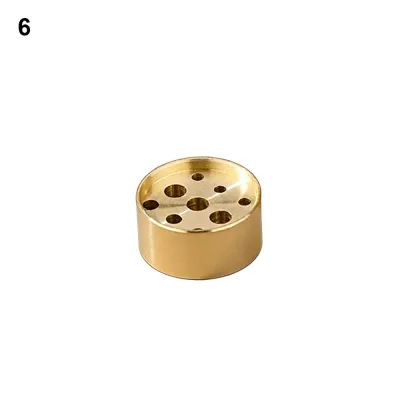
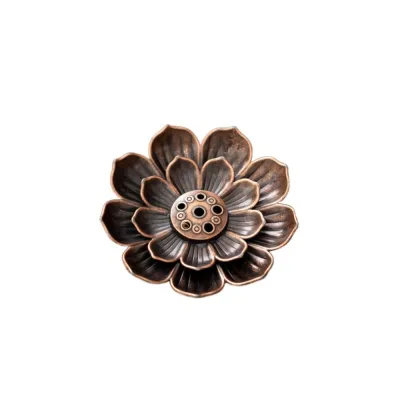
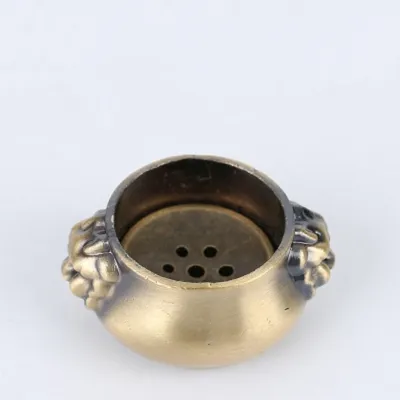
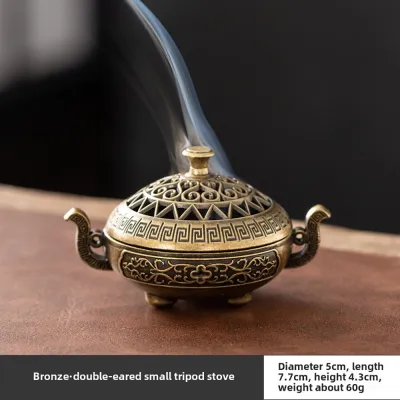
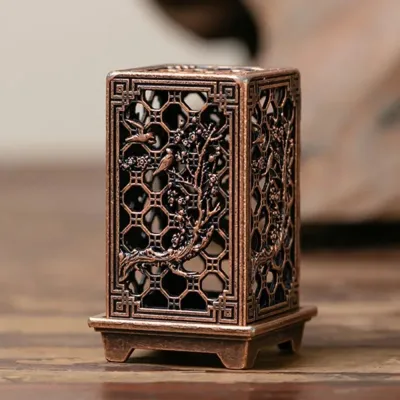
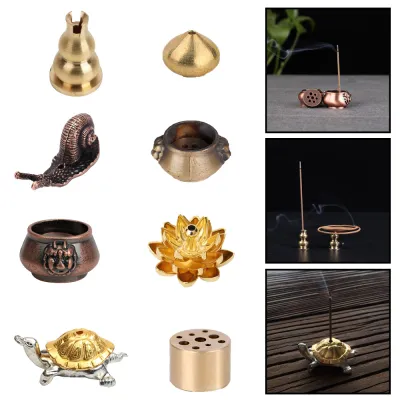
Prices are valid at publication and may change. Please refer to the product page for the latest price.
Measuring the length and diameter of your incense is crucial. Standard sticks typically range from 15 to 25 centimeters in length, but extra-long ceremonial or dhoop sticks can exceed 30 centimeters. If your holder is too short, the burning tip will overhang the edge, causing hot ash to spill directly onto your tabletop. Always choose a holder with a usable tray length that exceeds the total length of your incense stick by at least three to five centimeters.
Spatial considerations are equally important, especially in high-density urban apartments where layout and airflow are tightly controlled. Singapore’s tropical climate means many homes rely on ceiling fans, standing fans, or open windows to maintain cross-ventilation. This steady movement of air can easily carry lightweight incense ash across a room.
To prevent messy cleanups, designate a specific, draft-free zone in your home for burning incense. Avoid placing your holder directly in the path of air conditioning vents, near open balcony doors, or directly beneath a spinning ceiling fan. Instead, look for compact corners, shelving units, or side tables where air moves gently and indirectly, allowing the aroma to disperse naturally without scattering the debris.
Step 2: Choose the Right Material for Heat and Durability
Incense holders are crafted from a wide variety of materials, each offering distinct advantages in terms of heat resistance, maintenance, and visual style. Evaluating these materials based on their physical properties will help you choose a holder that stands up to regular use.

- Ceramic and Porcelain: These materials are highly favored for their exceptional heat resistance and ease of cleaning. Glazed ceramic holders feature a smooth, non-porous protective layer that prevents aromatic oils and yellow resin from soaking into the material. They can be easily wiped clean with a damp cloth. Unglazed ceramic, such as terracotta or raw clay, offers a rustic, earthy look but is highly porous, meaning it will absorb oils and develop a permanent patina over time.
- Metal (Brass, Copper, and Cast Iron): Metal holders are virtually indestructible and completely fireproof, making them an incredibly safe choice for daily use. Heavy brass or cast iron options provide excellent weight, preventing accidental tipping. However, metal is highly conductive. If a burning incense stick rests directly against a thin metal surface, the heat can transfer to the furniture underneath. Look for metal holders that feature raised legs, insulated silicone feet, or integrated wooden bases to protect your surfaces.
- Stone (Soapstone, Marble, and Slate): Natural stone holders are heavy, highly stable, and naturally fire-resistant. Soapstone is particularly popular because it can be carved into intricate, decorative patterns. While highly durable against heat, stone can be brittle; dropping a stone holder on a tiled floor will likely cause it to crack or chip.
- Wood and Bamboo: Wooden holders, such as classic boat-shaped trays made of sheesham, mango wood, or walnut, offer a warm, organic aesthetic. However, wood is a combustible material. If you choose a wooden holder, verify that it includes a brass or metal insert where the burning tip of the incense sits, or ensure it has a protective, flame-retardant lacquer finish. Never allow a burning ember to make direct contact with untreated, dry wood.
Regardless of the material you prefer, always check the manufacturer’s product description for specific heat-resistance ratings and care instructions. Over time, prolonged exposure to heat and concentrated resin can degrade lower-quality finishes. Look for signs of wear, such as bubbling paint, discoloration, or fine hairline cracks, which indicate that a material is failing under thermal stress.
Step 3: Ensure Proper Length and Ash Catching Design
The primary mechanical job of an incense holder is to catch every speck of falling ash. Achieving this requires a design that accounts for the physics of how incense burns. As the stick smolders, the ash does not always fall straight down; minor air currents can cause it to drift slightly to the side as it breaks away from the core.
To ensure complete ash containment, evaluate the depth, width, and angle of the holder’s tray. A flat, narrow strip of wood or metal is rarely sufficient, as even a minor draft can blow the accumulated ash off the sides. Instead, prioritize designs that feature a distinct V-shaped groove, a deep U-shaped channel, or raised outer rims. These structural barriers keep the ash safely corralled in the center of the holder until you are ready to empty it.
The angle of the insertion hole is another critical design factor. If the hole is drilled at a very steep angle, the incense stick will stand almost vertically, requiring a wider, bowl-shaped catcher rather than a long tray. If the angle is too shallow, the stick will hover close to the base, which can cause the burning tip to touch the tray and extinguish itself prematurely. An optimal angle of 30 to 45 degrees allows the stick to suspend safely while ensuring the trajectory of the falling ash aligns perfectly with the length of the tray.
Before purchasing a holder online, use this quick verification checklist to assess its ash-management capabilities:
- Length Check: Is the tray length at least 3 to 5 centimeters longer than your preferred incense sticks?
- Width Check: Is the catching surface at least 4 centimeters wide to accommodate lateral ash drift?
- Depth Check: Does the tray feature a recessed channel or raised outer walls of at least 5 millimeters?
- Angle Check: Is the holding mechanism designed to suspend the stick directly over the center of the tray without letting it sag to touch the base?
Step 4: Verify Base Stability and Indoor Safety
Physical stability is the most critical safety factor when operating any open-flame or smoldering device in the home. A lightweight, top-heavy, or poorly balanced holder can easily be knocked over by a passing pet, a sudden gust of wind from an open window, or an accidental bump to the table, creating an immediate fire hazard.
When evaluating a holder, look for a design with a low center of gravity and a wide, weighted base. Holders made of solid brass, thick ceramic, or heavy natural stone are inherently stable because of their mass. If you prefer lightweight materials like wood or aluminum, ensure the bottom of the holder is wide and flat, ideally equipped with non-slip rubber, silicone, or felt pads. These pads not only prevent the holder from sliding on polished surfaces but also protect your furniture from scratches.
To maintain a safe home environment, establish strict safety boundaries for burning incense. Always place your holder on a flat, level, and heat-resistant surface, such as a stone countertop, a ceramic tile, or a heavy wooden table protected by a heatproof coaster. Keep the burning stick at least one meter away from flammable materials, including curtains, window blinds, hanging tapestries, loose paperwork, and soft home furnishings.
Most importantly, never leave burning incense unattended. If you must leave the room or the house, extinguish the stick completely by dipping the smoldering tip in water or cutting it off with scissors. If you notice that a newly purchased holder wobbles, feels unstable under the weight of a standard stick, or shows signs of scorching or heat transfer to your tabletop during its first use, stop using it immediately and consult the manufacturer’s guidelines or seek a sturdier replacement.
Step 5: Plan for Routine Cleaning and Maintenance
Regular maintenance is essential to keep your incense holder looking beautiful and functioning safely. As incense burns, it releases natural essential oils, wood tars, and particulate matter. Over time, these components condense into a sticky, yellowish-brown resin residue around the insertion hole and along the tray. If left uncleaned, this buildup can harden, stain the holder, and emit an unpleasant, stale odor during subsequent burns.
To clean your holder safely without damaging its finish, use gentle, reversible cleaning methods. For daily maintenance, wait for the holder to cool completely, then use a soft-bristled brush, such as a clean paintbrush or an old makeup brush, to sweep away dry ash. Avoid using your fingers or a dry paper towel to rub the ash, as this can smudge the fine particles into the pores of the material, causing dark stains.
For deeper cleaning and resin removal, the appropriate method depends entirely on the material of your holder:
- Glazed Ceramic and Metal: Wash the holder in warm water with a few drops of mild, non-abrasive dish soap. Use a soft microfiber cloth to gently scrub away the sticky resin. Rinse thoroughly and dry with a clean towel.
- Stone and Unglazed Ceramic: Wipe the surface with a slightly damp cloth. Avoid soaking these materials in soapy water, as porous stone and clay can absorb the detergent, which may release unpleasant chemical fumes the next time the holder heats up.
- Wood and Bamboo: Never submerge a wooden holder in water, as moisture can cause the wood to warp, swell, or split. Instead, use a barely damp microfiber cloth to wipe down the surface, then dry it immediately with a soft towel.
Always check the product’s specific care instructions before applying any cleaning agents or polish. If you notice structural cracks, deep heat scorch marks, or if the insertion bracket becomes loose and can no longer hold the stick securely, discontinue use. Replacing a damaged holder is a small investment that ensures your home aromatherapy practice remains clean, pleasant, and safe.
Frequently Asked Questions (FAQ)
Can I use a stick holder for cone or coil incense?
No, standard stick incense holders are generally not suitable for cone or coil incense. Stick holders are designed to catch light, flaky ash falling from a suspended height, whereas cones and coils burn close to the surface and generate intense, concentrated heat directly beneath their bases. Placing a burning cone or coil on a thin wooden or metal stick tray can cause severe scorching, heat damage, or fire hazards. Always check the manufacturer’s instructions and use a dedicated, flat, heat-resistant burner specifically rated for cones or coils.
How do I remove stubborn resin stains from a wooden holder?
To remove sticky resin buildup from a wooden holder without damaging the finish, wipe the affected area gently with a soft microfiber cloth dampened with warm water and a tiny drop of mild, non-abrasive dish soap. Avoid using harsh chemical solvents, alcohol, vinegar, or abrasive scrubbing pads, as these can strip the protective lacquer, discolor the wood, or cause splintering. Once the residue is removed, wipe the area with a dry cloth and allow the holder to air-dry completely in a well-ventilated space before using it again.
Community discussion
Share your experience or ask a question. Comments are reviewed before publication.