
For football enthusiasts, few symbols evoke the same passion and triumph as the FIFA World Cup trophy. Bringing a replica of this iconic piece of sporting history into your home or office is a fantastic way to celebrate the beautiful game. However, the market is filled with a vast array of replicas, ranging from simple plastic toys to museum-grade reproductions. Navigating these options requires a clear understanding of your primary goal: are you looking for an eye-catching display piece to style a room, or are you seeking a high-fidelity, long-term collectible that holds its value and authenticity?
Choosing the right replica involves balancing visual appeal, material quality, budget, and the specific conditions of your display space. A display-grade trophy serves a very different decorative purpose than a collectible-grade piece. By evaluating materials, scale, craftsmanship, and environmental factors, you can select a trophy that not only looks spectacular but also stands the test of time in your chosen setting.
Defining Your Goal: Display Decor vs. Long-Term Collectible
Before browsing online marketplaces or specialty sports memorabilia stores, you must define what you want from your replica. This decision fundamentally shapes your budget, the materials you should look for, and the level of care the item will require over the years.
Products mentioned in this guide
Prices are valid at publication and may change. Please refer to the product page for the latest price.
Display-grade replicas are designed primarily for visual impact from a distance. These pieces are perfect for styling a home sports bar, adding character to a bedroom shelf, or serving as a centerpiece for a World Cup viewing party. Manufacturers of display-grade trophies focus on making the item look bright, shiny, and recognizable without incurring the high production costs of premium materials. They are typically made from lightweight materials like resin, polyurethane, or zinc alloys with a gold-colored electroplated or painted finish. Because they are cost-effective, they are highly accessible, often ranging from under S$30 to S$150, making them easy to display without worrying about theft, severe damage, or depreciation.
Collectible-grade replicas, on the other hand, are crafted with an emphasis on historical accuracy, material authenticity, and long-term preservation. These are intended for serious collectors, dedicated sports rooms, or high-end office displays. A collectible-grade piece often features a 1:1 scale, matching the exact dimensions of the original trophy. They are constructed from premium materials such as solid brass, bronze, or copper alloys, and are finished with genuine gold plating. These replicas often come with official licensing, certificates of authenticity, unique serial numbers, and high-end presentation cases. They are treated as investments or prized heirlooms, requiring a significant financial commitment—often starting at several hundred dollars and reaching over S$1,000.
Your primary use case dictates your acceptable budget and maintenance commitment. If you want a worry-free accent piece that you can place on an open shelf where guests or children might handle it, a display-grade replica is the practical choice. If you are building a curated collection of sports memorabilia and value the tactile weight, precise engravings, and archival quality of a premium piece, investing in a collectible-grade replica is the only way to satisfy that standard.
Key Factors to Evaluate: Material, Scale, and Craftsmanship
Once you have established your primary goal, you can begin evaluating individual replicas based on their physical characteristics. The materials used, the accuracy of the scale, and the quality of the craftsmanship will determine both the visual appeal and the physical longevity of the trophy.

Material composition is the most critical factor influencing the weight, feel, and durability of the replica. Solid metal replicas, usually made of brass or bronze with gold plating, offer the most authentic experience. They are heavy, cold to the touch, and highly durable, but they are also expensive and require careful handling to avoid tarnishing. Resin replicas with a metallic electroplated finish are a popular alternative. They can capture incredibly fine details during the molding process and are much lighter, making them safer for standard shelving. However, resin is brittle; a fall from a shelf can easily shatter a resin trophy, whereas a metal one might only dent. Plated zinc alloys offer a middle ground, providing a decent weight and metallic feel at a more moderate price point.
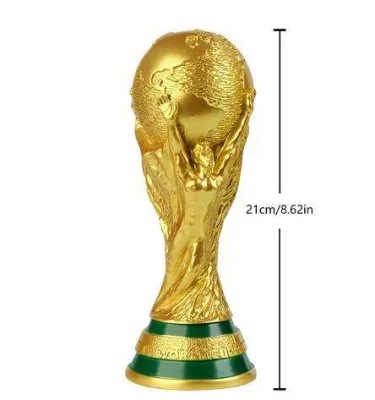
Scale and proportions are vital for achieving the right visual presence. The official World Cup trophy stands approximately 36.8 centimeters tall and weighs about 6.17 kilograms. A true 1:1 scale replica is a massive statement piece that commands attention. However, it requires a sturdy surface and ample vertical space. For smaller spaces, such as office desks, bookshelves, or mantelpieces, scaled-down versions are highly practical. Common scaled sizes include 15cm, 21cm, and 27cm models. When choosing a scaled version, ensure the proportions remain accurate; some cheap manufacturers stretch or compress the design, resulting in an awkward, distorted appearance that ruins the aesthetic.
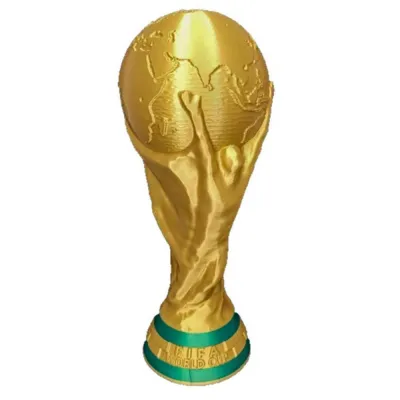
Detail accuracy separates mediocre replicas from exceptional ones. The World Cup trophy features two stylized human figures spirating upward from the base, holding up a textured globe. Examine close-up photos of the replica to assess the definition of the figures’ faces, muscles, and hands. The globe should have clearly defined continents with realistic textures, rather than flat, smooth shapes. Additionally, pay close attention to the base. The original trophy has two bands of green malachite inlaid into the gold base. High-quality replicas use genuine polished malachite or high-grade green marble, while lower-end models use painted green bands or cheap plastic stickers that can peel off over time.
Base and mounting stability are essential safety and quality considerations. Because the trophy design is naturally top-heavy—with the wide globe sitting atop tapering figures—the base must be perfectly flat and sufficiently weighted to prevent accidental tipping. Look for replicas that feature a solid, heavy base material. Additionally, check if the underside of the base is fitted with protective padding, such as soft felt, velvet, or non-slip rubber. This padding prevents the heavy replica from scratching delicate glass, polished wood, or lacquered furniture surfaces.
Matching the Replica to Your Display Environment
Selecting the perfect replica is only half the battle; you must also ensure that your display environment is suited to the trophy’s materials and finish. Proper placement, lighting, and environmental controls will maximize the visual appeal of your trophy while protecting it from premature wear.
Lighting plays a massive role in how a metallic finish looks in a room. Highly reflective gold surfaces can create intense glare under direct, harsh sunlight or bright overhead fluorescent lights, which obscures the fine details of the sculpture. Direct sunlight also carries UV rays that can degrade protective lacquer coatings, fade painted details, or cause resin materials to yellow and become brittle over time. To showcase your trophy beautifully, opt for ambient, diffused room lighting. If you are using a dedicated display cabinet, install warm or neutral LED spotlights. LEDs are ideal because they emit minimal heat and no UV radiation, highlighting the gold luster without risking thermal damage to the replica’s finish.
Consider the physical space and visual weight of the trophy when deciding where to place it. A full-size 1:1 replica has a commanding presence and can easily overwhelm a crowded bookshelf or a small side table. It is best displayed as a standalone centerpiece on a dedicated pedestal, a sideboard, or the central shelf of a glass display cabinet. Smaller scaled-down replicas are much easier to integrate into existing decor, fitting comfortably alongside books, framed sports photos, or other smaller collectibles. Ensure there is enough clearance around the trophy so it does not look cramped, allowing viewers to appreciate its three-dimensional form from multiple angles.
Environmental controls are crucial for preventing tarnishing, oxidation, and material degradation. High humidity levels can cause moisture to react with metal plating, leading to unsightly dark spots, green oxidation, or peeling. This is particularly important in tropical or coastal climates where humidity is naturally high. To protect your investment, display your trophy in a dry, well-ventilated room. If you are displaying a high-value collectible-grade replica, housing it inside a sealed glass or acrylic display case with a small packet of silica gel is an excellent way to maintain a stable, low-humidity microenvironment. Avoid placing the trophy directly in the path of air conditioning vents, heaters, or humidifiers, as rapid temperature and moisture fluctuations can stress the materials.
Safety and secure placement should never be overlooked, especially for heavy metal replicas. A solid metal 1:1 replica can weigh several kilograms; if placed on a high shelf that is not properly anchored, it poses a serious safety hazard. Always verify the weight capacity of your shelving before installation. If you are mounting shelves to display a heavy trophy, ensure you use appropriate wall anchors and secure the brackets into wall studs. Keep the trophy out of reach of pets and young children, preferably behind the locked glass doors of a display cabinet. This not only prevents accidental falls but also minimizes the need for frequent handling, which transfers oils from hands onto the metallic finish.
Building Your Shortlist: What to Verify Before Buying
When you are ready to make a purchase, navigating online marketplaces and specialty stores requires a critical eye. Vague marketing descriptions can easily mislead buyers, so verifying specific details is essential to ensure you receive a product that matches your expectations.
Start by carefully reading the product specifications rather than relying on promotional titles. Sellers often use buzzwords like “solid gold feel” or “heavy duty” to describe lightweight plastic or low-grade resin items. Look for explicit measurements of height in centimeters and weight in grams or kilograms. A genuine 1:1 scale metal replica should weigh several kilograms, while a resin version of the same size will be significantly lighter. If a listing claims to be “solid metal” but lists a weight of only a few hundred grams for a large size, this is a clear red flag that the description is inaccurate.
Check for seller transparency regarding product photos. Reliable sellers and manufacturers will provide high-resolution, close-up photographs of the actual product they are shipping, rather than relying solely on official FIFA stock images or computer-generated renders. Look for detailed photos of the engravings on the base, the texture of the globe, and the underside of the trophy. Reading customer reviews that include real-life photos is one of the best ways to verify the actual color, finish quality, and detail accuracy of the replica before committing your funds.
Understand the shipping and packaging methods used by the seller. Because replicas are either heavy (metal) or fragile (resin), they are highly susceptible to damage during transit. A quality seller will package the trophy in a custom-molded styrofoam or high-density foam casing that matches the exact contours of the trophy, housed inside a thick, double-walled cardboard box. Avoid sellers who ship items with minimal bubble wrap in a soft envelope, as this almost guarantees the trophy will arrive with bent details, scratched plating, or structural cracks.
Finally, review the seller’s return policies and warranties, particularly if you are purchasing a high-ticket collectible-grade replica. Even with careful packaging, manufacturing defects or shipping damage can occur. A reputable seller should offer a clear, hassle-free return or exchange window if the item arrives with scratches, uneven plating, misaligned base bands, or other significant defects. For premium collectibles, verify if the item comes with a formal warranty or a certificate of authenticity that can be verified with the manufacturer.
Frequently Asked Questions (FAQ)
How should I clean and maintain a metallic-finish replica?
To clean a metallic-finish replica, use a dry, ultra-soft microfiber cloth to gently wipe away dust, fingerprints, and surface oils. Avoid using abrasive chemical cleaners, liquid metal polishes, rough sponges, or damp cloths, as these can easily scratch or strip away the thin gold plating or protective lacquer coating. If the replica has intricate crevices that accumulate dust, use a soft-bristled makeup brush or a camera lens blower to gently clear the debris. Always check the manufacturer’s specific care instructions before applying any cleaning solutions or polishes to ensure compatibility with the finish.
Does a heavier replica always mean better quality?
While a heavy weight often indicates the use of solid metals like brass or zinc alloy, weight alone is not a universal guarantee of high quality. Some low-end manufacturers insert cheap lead or iron weights inside hollow, low-grade resin bodies to make them feel heavy and premium. True quality must be evaluated by looking at the overall craftsmanship, including the sharpness of the engravings, the seamlessness of the joints, the durability of the electroplated finish, and the accuracy of the proportions. A high-density resin replica with flawless detailing and a durable finish is often a better display piece than a poorly cast, heavy metal replica with blurry details and uneven plating.
Community discussion
Share your experience or ask a question. Comments are reviewed before publication.