
Choosing the right agarwood cone incense involves matching the natural aromatic qualities of the resin with your specific living space, daily habits, and personal scent preferences. Because agarwood (also known as gaharu in Southeast Asia) is a highly complex, resinous wood, its fragrance profile can range from deeply sweet and woody to earthy, spicy, or medicinal. Selecting the ideal cone requires looking beyond generic marketing labels to evaluate the raw material origins, the purity of the binders used, and the physical dimensions of the cone itself. By focusing on these practical characteristics, you can find an incense that enhances your home environment, supports your mindfulness practices, or serves as a refined gift without overwhelming your living space.
In Singapore’s tropical climate and high-density housing, such as HDB apartments or condominiums, managing indoor air quality and scent dispersion is particularly important. A heavy, slow-burning cone that might suit a large, open-air pavilion can easily overpower a closed, air-conditioned living room. Therefore, understanding how different agarwood varieties behave when lit allows you to make an informed decision that balances sensory enjoyment with domestic comfort. By establishing a clear set of selection criteria, you can confidently navigate the diverse options available in specialty shops and online marketplaces.
Understand Agarwood Scent Profiles and Market Grading
Agarwood is formed when the Aquilaria tree produces a dark, dense resin in response to a natural infection or injury. This resinous wood is highly prized for its complex olfactory properties, which vary significantly depending on the geographical origin of the tree and the specific species. When shopping for agarwood cones, you will encounter a wide spectrum of scent profiles. For instance, agarwood sourced from regions like Vietnam or Cambodia often features a sweeter, slightly floral, and honey-like top note that is highly approachable for daily relaxation. In contrast, Indonesian or Malaysian agarwood (frequently referred to as gaharu in local markets) tends to exhibit deeper, more robust, woody, and sometimes medicinal, spicy, or smoky undertones that appeal to experienced collectors and those seeking a grounding atmosphere.
Products mentioned in this guide
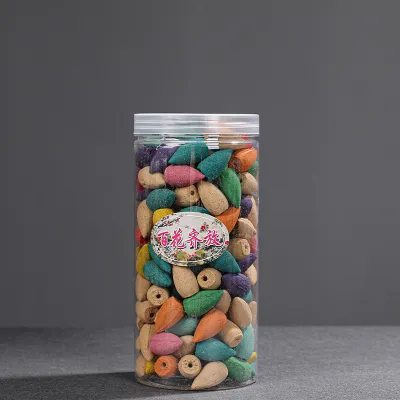
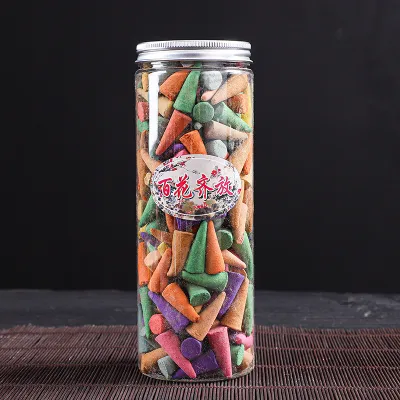
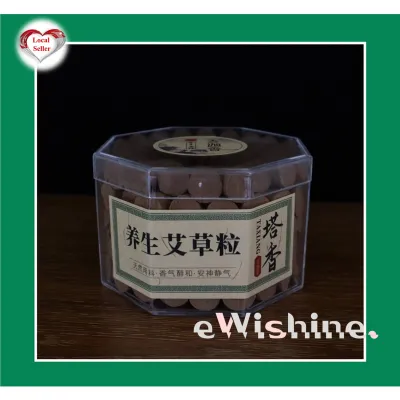
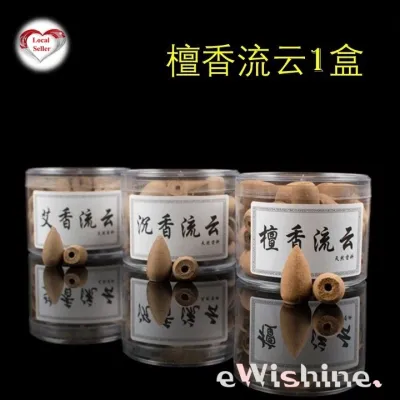
Prices are valid at publication and may change. Please refer to the product page for the latest price.
The distinction between cultivated (plantation-grown) and wild-harvested agarwood is another crucial factor influencing both scent complexity and cost. Cultivated agarwood is produced through controlled inoculation methods, resulting in a highly sustainable product with a more consistent, lighter, and predictable scent profile. This makes cultivated agarwood cones an excellent and environmentally responsible choice for daily aromatherapy. Wild agarwood, on the other hand, develops over decades or even centuries in natural forests, yielding an incredibly rich, multi-layered fragrance that evolves dynamically as it burns. Due to its extreme rarity and high cost, wild agarwood is typically reserved for special occasions, formal tea ceremonies, or deep meditation practices.
The concentration of resin within the wood directly influences both the complexity of the scent and the price of the incense. However, navigating the market grading system can be challenging for consumers. Terms like “Super Grade,” “A-Grade,” “King Grade,” or “Sinking Grade” are frequently used by sellers to imply superior quality, but these designations are not standardized across the industry. A grade assigned by one boutique vendor may not align with the grading scale of another. Instead of relying solely on these subjective labels, it is more reliable to cross-reference the product descriptions with detailed ingredient lists, looking for indications of pure agarwood powder rather than wood dust blended with synthetic fragrances.
Because scent perception is highly subjective and influenced by individual olfactory sensitivity, investing in large quantities of a premium grade without prior testing can lead to disappointment. A practical approach is to begin with sample packs or smaller quantities that feature cones from different geographical origins. This allows you to experience how the scent develops in your specific home environment. When burning agarwood, the initial note (the top note) often carries a light woodiness, which gradually transitions into a richer, resinous body (the heart note) as the cone burns down, leaving a lingering, subtle sweetness (the base note) that can persist in a room for several hours after the ember has gone out.
Match Burn Time and Cone Size to Your Routine
The physical dimensions and density of an agarwood cone dictate its burn duration and the volume of smoke it releases. Standard incense cones typically range from two to three centimeters in height, with a base diameter of approximately one to one and a half centimeters. A cone of this size generally burns for fifteen to twenty-five minutes. This relatively short duration makes cones highly suitable for structured routines, such as a morning meditation session, a quick yoga practice, or a focused period of reading, where you want a defined interval of fragrance without the need to manually extinguish a long incense stick.

The burn rate is determined by several physical factors, including the density of the compressed powder, the proportion of natural binder used, and the shape of the cone. Cones with a wider base and a rapid taper tend to release a larger volume of smoke as the burn progresses toward the wider bottom section, resulting in a more intense burst of fragrance toward the end of the burn. Conversely, slimmer, more cylindrical cones offer a more consistent, albeit lighter, scent release throughout their duration. The density of the formulation also plays a role; highly compressed cones burn more slowly and produce less visible smoke, making them preferable for smaller, enclosed rooms where air circulation is limited.
It is also important to distinguish between standard solid cones and backflow cones. Backflow cones are specifically engineered with a hollow central channel running from the base to just below the tip. When lit, the cooler smoke is drawn downward through this channel, creating a dramatic, waterfall-like visual effect on compatible backflow burners. However, because of this hollow design, backflow cones typically burn faster and produce a denser, heavier smoke than their solid counterparts. If your primary goal is pure aromatherapy or subtle scenting rather than visual display, standard solid cones are generally preferred for their clean, more consistent burn dynamics.
When planning your purchase, it is essential to check the manufacturer’s specified burn times and match them to your spatial constraints. Keep in mind that environmental factors in your home will alter these times. For example, in Singapore, homes often utilize ceiling fans, standing fans, or air conditioning units to maintain comfort. Strong, direct airflow across the burning cone will accelerate the combustion process, causing it to burn out much faster and potentially produce a harsher, more smoky aroma. Conversely, burning incense in a highly humid, stagnant room may cause the cone to burn unevenly or extinguish prematurely. Placing the burner in a draft-free corner ensures a steady, predictable burn and a cleaner scent dispersion.
Evaluate Ingredients, Binders, and Air Quality Impact
The purity of the ingredients in an agarwood cone is the single most critical factor determining both the quality of the fragrance and the impact on your indoor air quality. High-quality agarwood cones are made using only two primary components: pure agarwood powder and a natural, plant-based binder. The most common natural binder is makko powder, which is derived from the bark of the Machilus thunbergii tree. This natural substance is virtually odorless when burned, ensuring that the delicate, complex notes of the agarwood resin remain unadulterated. Other natural binders include Phoebe nanmu bark powder, which similarly provides structural integrity without introducing competing aromas.
In contrast, lower-grade or mass-produced incense cones often incorporate synthetic binders, charcoal powder, or chemical combustion accelerants designed to keep the cone burning consistently at a lower production cost. These additives can severely degrade the olfactory experience, introducing a sharp, acrid, or chemical undertone that masks the natural sweetness of the agarwood. Furthermore, some products utilize low-grade wood dust that has been dipped in synthetic fragrance oils to mimic the scent of genuine agarwood. These synthetic perfumes often smell pleasant in the box but release a harsh, heavy smoke when lit, which can cause eye irritation, headaches, or throat discomfort.
You can often identify the quality of an agarwood cone through simple physical observation. Natural, high-quality cones typically exhibit a slightly rough, matte texture and a natural woody color ranging from light tan to deep, earthy brown, depending on the resin content. They should feel dry and solid to the touch. In contrast, cones containing synthetic oils or chemical binders may have an unnaturally smooth, glossy finish, feel slightly greasy or damp, or display artificial coloring. When unlit, a natural agarwood cone has a very subtle, woody scent; if a cone releases an intense, perfume-like aroma before it is even lit, it is highly likely to contain synthetic fragrance additives.
To ensure a clean burning experience, carefully examine product labels and seller disclosures for transparency regarding ingredients. Look for explicit statements confirming the absence of synthetic fragrances, chemical dyes, and artificial binders. Because burning any material releases particulate matter into the air, maintaining proper ventilation is essential for health and safety. This is particularly crucial in compact apartments, or in households with young children, elderly family members, pets, or individuals with pre-existing respiratory conditions like asthma. Always burn incense in a well-ventilated room where fresh air can circulate, and avoid placing the burning cone directly next to air intake vents, air purifiers, or sensitive electronic equipment.
Build Your Shortlist: A Condition-Based Selection Matrix
To simplify your selection process, it is helpful to map your primary goals to specific product characteristics. Different scenarios demand different scent intensities, burn times, and packaging styles. For example, daily home aromatherapy benefits from a highly practical, cost-effective option, whereas formal gifting or deep meditation calls for a focus on purity and presentation.
The following decision matrix outlines how to align your intended use case with the appropriate agarwood cone specifications:
| Primary Use Case | Recommended Scent Profile | Ideal Burn Time | Key Material & Packaging Features |
|---|---|---|---|
| Daily Relaxation & Odor Neutralization | Balanced, woody, slightly sweet (e.g., Vietnamese or Indonesian blends) | 15 to 20 minutes | High-density cones with natural binders; bulk packaging (50+ pieces) for cost efficiency. |
| Meditation, Yoga, & Mindfulness | Deep, grounding, earthy, or medicinal (e.g., wild-harvested or aged gaharu) | 20 to 30 minutes | 100% pure agarwood with minimal binder; small, premium batches to preserve delicate top notes. |
| Gifting & Special Occasions | Highly refined, sweet, floral, and complex (e.g., premium grade single-origin) | 20 to 25 minutes | Elegant wooden or fabric-lined gift boxes; includes a compatible ceramic or brass burner. |
When using this matrix, keep in mind the practical trade-offs inherent in natural incense. For instance, highly refined, premium-grade agarwood resins often produce a very subtle, delicate aroma. If you attempt to burn these high-grade cones in a large, open-plan living area with active ceiling fans, the subtle scent notes may be completely lost in the draft. For larger spaces, a slightly more robust, lower-grade natural blend with a wider cone base may actually perform better by generating a sufficient volume of scent to fill the room, even if the fragrance profile is less complex.
If you are selecting an agarwood cone set as a gift, pay close attention to the completeness of the package. A high-quality gift set should not only feature premium cones but also include a dedicated, heat-resistant burner, such as a small ceramic dish or a brass holder designed specifically for cones. The packaging should ideally feature clear labeling regarding the origin of the agarwood (such as Hoi An, Nha Trang, or Kalimantan) and a detailed ingredient list, which adds to the educational and aesthetic value of the gift.
What to Verify Before Purchasing
Before finalizing your purchase from an online marketplace or a specialty boutique, taking a few moments to verify the product details can prevent common buying mistakes. Start by thoroughly reviewing the seller’s product description for transparency. Reputable incense merchants will clearly state the geographical origin of the agarwood, the type of binder used, and the exact physical dimensions of the cones. If a listing uses vague terms like “exotic wood blend” or fails to mention the binder material entirely, it is wise to contact the seller for clarification or look for an alternative product that offers full ingredient disclosure.
Because scent preference is highly subjective, and natural agarwood can vary from batch to batch, check the retailer’s return and exchange policies. Many specialty incense shops do not accept returns on opened boxes of incense due to hygiene and quality control standards. If you are purchasing a premium, higher-priced agarwood product, look for sellers that offer small, low-cost sample vials or trial packs. This allows you to test the fragrance in your own home before committing to a larger, more expensive box, which might cost upwards of S$50 or S$100 depending on the rarity of the resin.
Finally, verify that your existing incense burner is fully compatible with the specific cones you plan to buy. Unlike incense sticks, which require a narrow holder to secure a thin bamboo core, cone incense requires a flat, stable, and highly heat-resistant surface. The base of a burning cone reaches very high temperatures as the ember nears the bottom. Ensure your burner is made of a suitable material, such as ceramic, stone, brass, or thick glass, and that it features a wide enough basin to safely collect the hot ash residue. If you are using a backflow burner—where the smoke cascades downward like water—you must purchase specially designed backflow agarwood cones that feature a hollow center and a hole at the base to facilitate this specific physical effect. Standard solid cones will not produce the backflow effect on a backflow burner.
Frequently Asked Questions (FAQ)
How should I store agarwood cones to preserve their scent?
To maintain the delicate aromatic compounds and essential oils within your agarwood cones, store them in a cool, dark, and dry environment. High humidity, direct sunlight, and extreme temperature fluctuations can cause the natural resins to degrade, leading to a loss of fragrance intensity or causing the cones to burn unevenly.
Airtight glass jars, ceramic containers, or high-quality tin boxes are ideal for storage. Avoid storing different types of incense in the same container, as the scents can easily cross-contaminate, altering the pure profile of your agarwood. While some high-quality natural agarwood can subtly mellow and improve with age, keeping them sealed away from ambient moisture is crucial to prevent mold growth, especially in humid tropical climates.
Why does my agarwood cone produce too much harsh smoke?
If your agarwood cone is releasing an excessively thick, acrid, or eye-irritating smoke, the most common culprit is the presence of synthetic binders, chemical combustion accelerants, or artificial fragrance oils in the formulation. These additives burn at a higher temperature and release harsh chemical byproducts.
Another common cause is poor room ventilation or burning the cone in a confined space with restricted airflow. Ensure your burner is placed on a flat, stable surface that allows air to circulate naturally around the cone. If you are using a lidded burner, verify that the lid has sufficient ventilation holes; restricted oxygen can cause the cone to smolder incompletely, resulting in heavy, soot-laden smoke rather than a clean, fragrant plume.

Community discussion
Share your experience or ask a question. Comments are reviewed before publication.