
Selecting an Archangel Michael figurine requires a careful balance of aesthetic appreciation, material awareness, and structural evaluation. As one of the most prominent figures in religious and historical art, Saint Michael is traditionally depicted in a dynamic, powerful stance—typically triumphing over a defeated adversary, holding a sword or scales, and displaying expansive wings. Because of this complex, multi-element composition, choosing a high-quality piece involves looking far beyond the initial visual appeal. You must assess how the material handles fine detail, whether the sculpture’s physical balance can support its dramatic pose, and how the craftsmanship holds up under close inspection.
In regions with distinct environmental conditions, such as the high humidity of Singapore, material choice becomes even more critical to ensure the longevity of your display. Whether you are placing the figurine on a dedicated home altar, a living room mantel, or a study desk, understanding the nuances of casting, painting, and structural stability will help you find a piece that remains a beautiful focal point for years to come. This guide outlines the essential quality indicators, material characteristics, and practical display considerations to keep in mind before making your purchase.
Comparing Common Materials for Figurines and Statues
The material of your Archangel Michael figurine determines not only its visual texture and weight but also its durability and resistance to environmental wear. The most common materials available on the market include resin, ceramic, metal, and wood, each offering distinct advantages and trade-offs.
Products mentioned in this guide
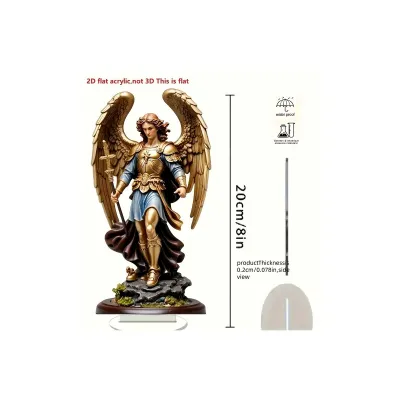
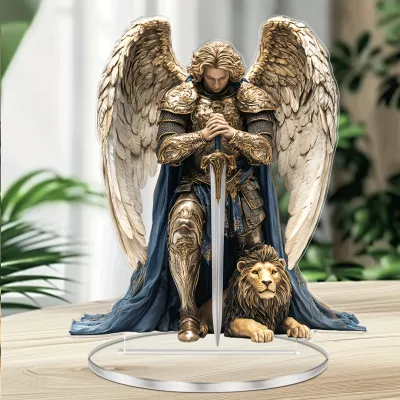
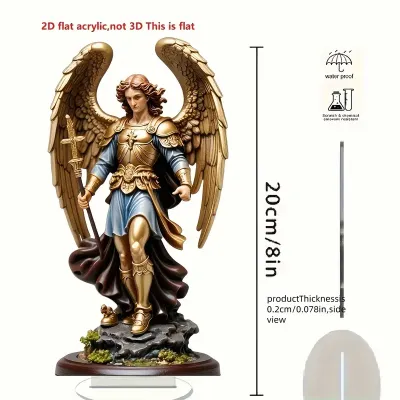
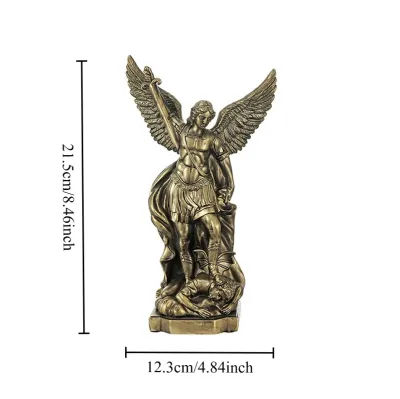
Prices are valid at publication and may change. Please refer to the product page for the latest price.
Resin, particularly polyresin or cold-cast bronze (a blend of resin and real bronze powder), is highly favored for detailed religious sculptures. This material allows for incredibly precise molding, capturing the fine textures of chainmail, individual wing feathers, and facial expressions that might be lost in other mediums. Resin is moderately heavy, highly moisture-resistant, and does not warp or tarnish, making it exceptionally well-suited for humid climates. However, resin is inherently brittle; if a resin figurine is knocked off a shelf, it is highly likely to chip or snap at delicate joints like the sword or wingtips. Look closely for casting seams—thin, raised lines where the two halves of the mold met—which can detract from the piece’s seamless appearance if not properly sanded down by the manufacturer.
Ceramic and porcelain offer a classic, elegant finish with a smooth, often glazed surface. These materials provide a clean, traditional look for home altars, but they are highly fragile and susceptible to impact damage. In environments with fluctuating temperatures or direct sunlight, glazed ceramics can develop “crazing”—a network of fine, hairline cracks in the glaze layer. While some collectors appreciate this aged look, it can compromise the structural integrity of the surface over time.
Metal figurines, typically cast in solid bronze, brass, or pewter, offer unmatched durability and a premium, heavy feel. A solid metal statue is highly resistant to breakage and provides excellent stability due to its low center of gravity. However, metals are subject to oxidation. In humid environments, untreated brass or bronze can develop a green patina or tarnish over time. If you prefer a pristine, polished look, ensure the metal figurine has been treated with a protective, clear lacquer, or be prepared for regular polishing maintenance.
Wood carvings bring a warm, organic, and completely unique texture to your decor, as no two wood grains are identical. Hand-carved wooden statues of Archangel Michael are highly prized for their artisan craftsmanship. However, wood is an organic material that reacts directly to its environment. High humidity can cause untreated wood to swell, while dry, air-conditioned air can cause it to shrink and crack. To prevent warping or splitting, wooden figurines must be thoroughly sealed with varnish or wax and kept away from direct sunlight and damp walls.
Inspecting Craftsmanship: Wings, Armor, and Facial Details
Because the iconography of Archangel Michael is highly detailed and active, the quality of the craftsmanship is immediately apparent in the execution of his defining features. When evaluating a figurine, pay close attention to the facial expressions, anatomical proportions, and the rendering of his armor and wings.

The face of the archangel is a primary focal point. In high-quality sculptures, the facial expression should be serene, resolute, or triumphantly calm, reflecting spiritual strength rather than chaotic anger. Inspect the symmetry of the eyes, the definition of the nose and lips, and the clarity of the facial structure. On lower-quality or mass-produced pieces, facial features can appear muddy, asymmetrical, or completely obscured by thick, uneven paint.
The wings are another critical area for quality inspection. A well-crafted figurine will showcase distinct, individual feather definition rather than a solid, flat shape with basic etched lines. The wings should be symmetrical in their span and angle, unless the pose intentionally dictates otherwise. Because wings project outward from the body, they create significant leverage; inspect the point where the wings meet the back to ensure there are no visible gaps, glue residue, or structural hairline cracks that suggest a weak joint.
Next, examine the armor, chainmail, and accessories. Archangel Michael is almost always depicted in Roman-style or medieval armor, holding a sword, spear, or scales. The links of the chainmail should be crisp and distinct, and the borders of the breastplate should be clean. The sword or spear must be perfectly straight; warped or bent weapons are a common defect in cheaper plastic or low-grade resin figurines. If the figurine includes a defeated adversary at the base, this figure should be sculpted with the same level of detail and care as the archangel himself, rather than appearing as an afterthought.
Finally, assess the paint application. High-quality figurines utilize multi-layered paint techniques, including washes and dry-brushing, to highlight the sculpted details and create depth. Look for clean transitions between different colored areas, such as where the armor meets the skin or where the sword hilt meets the blade. Avoid pieces with noticeable paint bleeding, overspray, patchy coverage, or thick pools of paint that fill in and hide the fine details of the sculpt.
Choosing the Right Size and Base Stability for Display
Before purchasing your Archangel Michael figurine, you must carefully plan where it will be displayed to ensure both visual harmony and physical safety. This involves measuring your available space and evaluating the physical balance of the sculpture.
Start by measuring the depth, width, and height of your shelf, mantel, or altar. Archangel Michael statues often feature wide wing spans and raised swords, meaning the overall dimensions of the figurine can be significantly larger than the footprint of its base. Ensure there is ample clearance on all sides so the wings or weapon do not press against walls or adjacent decor items, which increases the risk of the figurine being accidentally bumped and knocked over. In compact living spaces, such as Singapore apartments, a medium-sized figurine (around 20 to 30 centimeters in height) often provides a striking visual presence without overcrowding the surface.
Consider the visual weight of the piece relative to its surroundings. A large, heavy bronze statue can overwhelm a delicate glass shelf, while a small, lightweight resin piece might look lost on a spacious mantelpiece. If you plan to mount a heavy metal or stone-composite sculpture on a wall, or place it on a high shelf (work at height), ensure you use appropriate wall anchors and follow the manufacturer’s installation instructions. For heavy suspended loads, consulting a qualified professional is recommended to prevent structural failure.
Furthermore, if your figurine features integrated LED lighting or a lighted base, verify the voltage, base interface, wattage limits, and electrical certifications (such as local safety marks) before plugging it in. If installing a lighted figurine in a damp area, such as an outdoor garden shrine, ensure the power is isolated during installation, use outdoor-rated waterproof enclosures, and consult a qualified electrician to ensure safety compliance.
Base stability is paramount for any sculpture with an active, top-heavy pose. Because Archangel Michael is often depicted standing on one foot or leaning forward to strike, the center of gravity is naturally elevated. Inspect the base of the figurine to ensure it is wide and heavy enough to support the dynamic stance. The bottom of the base should be perfectly flat and lined with a soft material, such as felt or velvet, to prevent it from sliding and to protect your furniture from scratches. If the base feels light or wobble-prone, avoid placing it in high-traffic areas where vibrations from footsteps or closing doors could cause it to tip.
Assessing Seller Reliability and Packaging for Fragile Art
When purchasing fragile art online or from specialty boutiques, the reliability of the seller and the quality of their packaging are just as important as the figurine itself. Because religious figurines often feature delicate, protruding parts like wings, swords, and fingers, they are highly susceptible to damage during transit.
Begin by researching the seller’s reputation and specialization. Reputable religious goods stores, dedicated decor boutiques, and established artisan workshops are more likely to understand the handling requirements of fragile sculptures than general online marketplaces. Look for indicators of authentic craftsmanship, such as artist signatures cast into the base, studio marks, or included certificates of authenticity. These details not only verify the origin of the piece but also indicate a higher standard of quality control.
Inquire about or review the seller’s packaging standards. Standard bubble wrap and loose packing peanuts are often insufficient for highly detailed figurines with delicate extremities. High-quality manufacturers package their sculptures in custom-molded styrofoam or high-density foam blocks that precisely match the contours of the specific figurine. This prevents any movement inside the box and ensures that pressure is distributed evenly across the strongest parts of the sculpture rather than resting on delicate wingtips or weapons.
Before finalizing your purchase, carefully read the seller’s return and exchange policies, particularly regarding transit damage. A reliable seller should offer a clear, straightforward process for reporting items damaged during shipping. Because transit damage must typically be reported within a short window after delivery, make sure you are prepared to inspect the package immediately upon arrival.
Your Pre-Purchase Checklist for Evaluating a Figurine
To ensure you receive a flawless piece that meets your expectations, use this practical checklist when evaluating an Archangel Michael figurine, whether you are inspecting it in a physical store or unboxing it at home.
- Structural Joint Inspection: Carefully examine the areas where separate pieces are joined together. Pay close attention to the wing attachments, the wrists holding weapons, and the connection between the figure's feet and the base. Look for hairline cracks, gaps, or excess glue, which indicate weak structural points.
- Alignment and Straightness: View the figurine from multiple angles. Ensure the sword, spear, or scales are perfectly straight and aligned correctly with the hands. Check that the overall posture of the figure looks balanced and intentional, not tilted or warped due to a casting defect.
- Surface and Paint Consistency: Run your eyes over the entire surface to check for casting bubbles, pinholes, or rough patches in resin or metal. Verify that the paint application is even, with no bald spots, drips, or muddy color blending. The metallic finishes on armor should look consistent and lustrous.
- Accessory Fit: If the figurine features detachable accessories, such as a removable sword or a separate halo, test their fit. They should slide into place securely without requiring excessive force, which could crack the material, yet they should not be so loose that they rattle or fall out easily.
- Base Flatness and Protection: Place the figurine on a completely flat surface and gently tap the top. It should not wobble or rock. Check that the protective felt pad on the bottom is securely glued and covers any rough edges of the casting material.
- Unboxing Documentation: If your figurine was shipped, document the entire unboxing process. Take photos of the outer shipping box before opening it, especially if there are visible dents or tears. Record a continuous video as you open the box, remove the protective foam, and inspect the figurine for the first time. This visual evidence is invaluable if you need to file a transit damage claim with the seller or courier.
Frequently Asked Questions (FAQ)
How do I clean and maintain a painted resin figurine?
To keep your painted resin Archangel Michael figurine looking pristine, establish a gentle, dry cleaning routine. Use a soft-bristled brush, such as a clean makeup brush or a delicate paint brush, to gently sweep dust out of the intricate crevices of the wings, armor, and base. For flat surfaces, a dry, clean microfiber cloth is highly effective. Never use harsh chemical cleaners, solvents, or abrasive scrubbing pads, as these can easily strip away the paint, protective lacquer, or metallic finishes. Avoid submerging the figurine in water or exposing it to heavy moisture, which can seep into microscopic pores in the resin and cause the paint to peel or bubble over time. Always check the manufacturer’s specific care instructions before attempting any deep cleaning.
What factors influence the price of an Archangel Michael statue?
The price of an Archangel Michael statue is primarily driven by the materials used, the complexity of the sculpt, and the scale of production. Solid cast metals like bronze or brass sit at the higher end of the pricing spectrum due to the raw material costs and the intensive casting and polishing processes involved. Cold-cast resin and polystone offer a more accessible mid-range option while still delivering exceptional detail. The complexity of the design—such as highly detailed, multi-layered wings or intricate armor patterns—requires more complex molds and extensive hand-finishing, which increases the cost. Finally, limited-edition artisan runs or hand-carved wooden pieces command a premium over mass-produced, factory-molded decor items. When evaluating value, focus on the precision of the details, the stability of the base, and the overall quality of the finish rather than relying solely on brand names.

Community discussion
Share your experience or ask a question. Comments are reviewed before publication.