
Choosing the right insence stick holder—often searched or cataloged as an insence stick holder—is a balancing act between functional safety and visual harmony. An incense holder does more than catch falling ash; it serves as a decorative anchor that bridges the sensory experience of fragrance with your home’s established design language. Whether your living space is characterized by the clean lines of modern minimalism, the rich heritage of traditional Asian design, or the relaxed layers of bohemian eclecticism, selecting a holder that complements your interior style ensures that your home fragrance ritual feels integrated rather than out of place.
How to Match an Insence Stick Holder to Your Interior Style
To make an informed decision, you must first evaluate the core visual and structural dimensions of an insence stick holder. These dimensions dictate how well the piece integrates into your space and how effectively it performs its primary task of containing ash and heat.
Material finishes are the primary driver of style compatibility. Matte surfaces, such as unglazed ceramic, concrete, or basalt, absorb light and feel grounded, making them ideal for quiet, modern spaces. Glossy finishes, like glazed porcelain or polished lacquer, reflect light and add a touch of formality or brightness. Brushed or antique metallic finishes, such as brushed brass or patinated bronze, offer a timeless, tactile quality that works well in both industrial and traditional settings.
Products mentioned in this guide
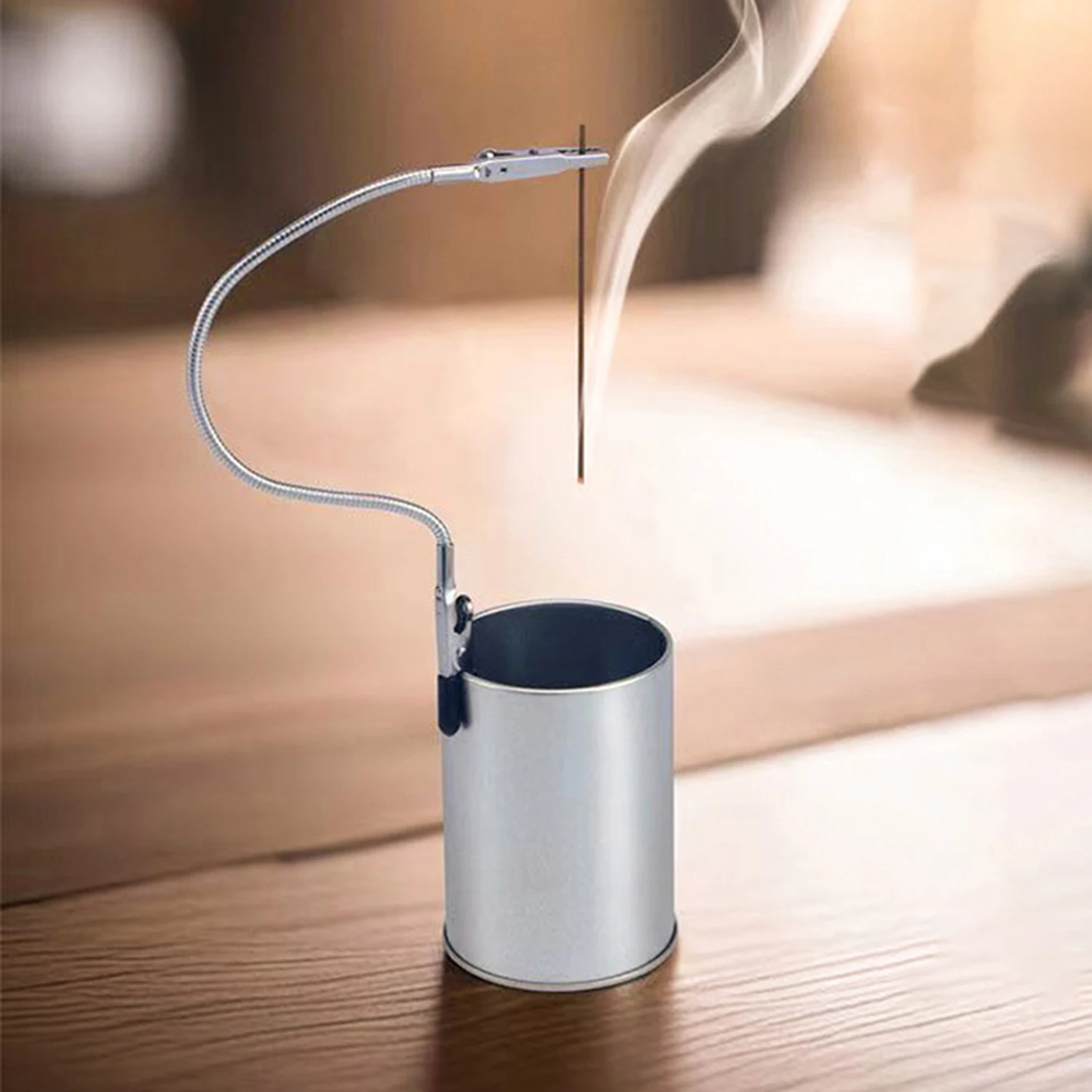
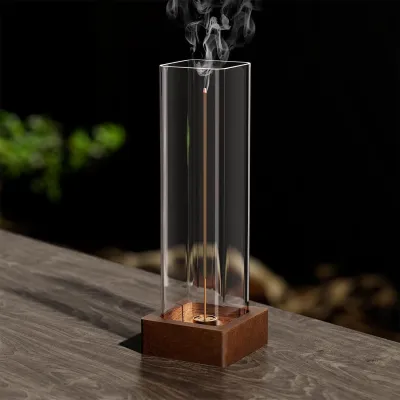
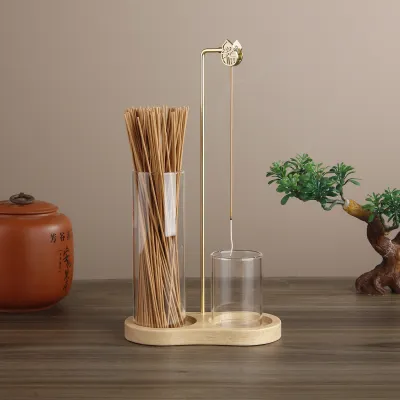
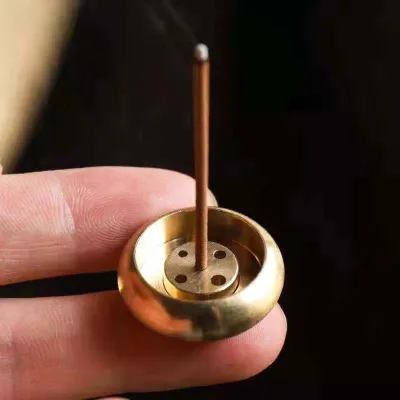
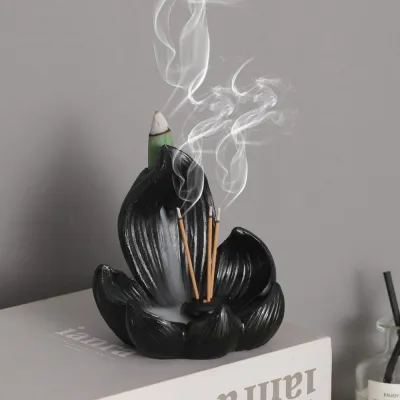
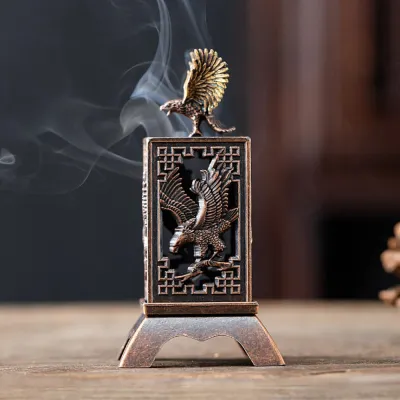
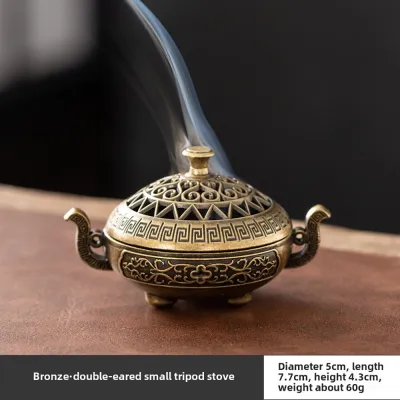
Prices are valid at publication and may change. Please refer to the product page for the latest price.
The silhouette of the holder determines its visual weight. Sculptural holders, which may feature vertical towers, mountain ranges, or stylized figurines, act as standalone art pieces even when not in use. Flat trays or boat-style holders have a lower profile, drawing less attention to themselves and keeping the focus on the surrounding decor.
The physical footprint of the holder must match its ash catchment capacity. A short, narrow holder might look delicate on a small side table, but if it fails to catch falling ash, it compromises both cleanliness and safety. For larger rooms where longer, thicker incense sticks are burned, a wide-set tray or an enclosed box burner is necessary to contain the larger volume of ash without spilling onto furniture surfaces.
Regardless of aesthetic appeal, safety remains the non-negotiable baseline. Always verify that the holder is constructed from inherently heat-resistant materials, such as ceramic, stone, glass, or metal. The base must be weighted or sufficiently wide to prevent the holder from tipping over if accidentally bumped. If you are using a holder made of organic materials like wood or bamboo, ensure it features a metal or ceramic insert where the burning tip rests.
| Interior Style | Recommended Materials | Typical Silhouette | Ash Catchment Capacity |
|---|---|---|---|
| Modern Minimalist | Matte ceramic, concrete, brushed metal | Geometric, low-profile tray, slim tube | Low to Moderate (requires frequent cleaning) |
| Traditional Asian | Glazed porcelain, celadon, antique brass, carved wood | Sculptural, lotus motifs, mountainscapes, closed boxes | High (often enclosed or deep-welled) |
| Bohemian & Eclectic | Raw wood, hand-painted pottery, hammered copper | Organic, irregular shapes, wide-rimmed dishes | Moderate to High (wide surface area) |
Modern Minimalist: Sleek and Functional Holder Picks
Modern minimalist interiors prioritize simplicity, functionality, and the elimination of unnecessary visual noise. In these spaces, every object must justify its presence through clean geometry and high utility. When choosing an incense holder for a minimalist home, look for designs that integrate the ash catcher seamlessly into the overall structure, avoiding any ornate or superfluous detailing.

Minimalist holders favor geometric shapes, such as perfect cylinders, spheres, or slim rectangular planes. Materials are typically honest and tactile, featuring matte ceramics, concrete, solid stone, or brushed metals like stainless steel and anodized aluminum. Color palettes are strictly neutral, leaning toward charcoal gray, off-white, beige, or matte black.
A solid stone cylindrical holder with a single, precisely drilled hole offers a striking, sculptural simplicity. Alternatively, a slim brass tube holder that suspends the incense stick upside down over a recessed tray provides a clean, architectural look. Low-profile ceramic trays with a recessed channel also work exceptionally well, as they lie flat against surfaces and keep the ash contained within a subtle, defined boundary.
To maintain an uncluttered aesthetic, integrate these holders onto clean shelving units, floating media consoles, or modern wooden coffee tables. Position the holder alongside a small selection of curated objects, such as a single art book or a simple ceramic vase, ensuring there is ample negative space around it to let the design breathe.
While minimalist holders are visually striking, their compact and streamlined designs often feature smaller ash catchers. This means they have a lower capacity for ash accumulation, requiring you to empty and wipe down the holder after almost every use to maintain a tidy, dust-free appearance. Additionally, very slim holders may not accommodate thicker, hand-rolled incense sticks, limiting your fragrance options to standard thin-core sticks.
Traditional Asian: Sculptural and Cultural Designs
Traditional Asian decor themes—ranging from Zen-inspired Japanese interiors to classic Chinese scholar-style rooms—emphasize natural harmony, heritage craftsmanship, and symbolic motifs. In these spaces, an incense holder is often a central element of the room’s atmosphere, serving as a bridge to historical rituals and classical art forms.
Look for holders featuring symbolic motifs such as lotus flowers, mountain landscapes, clouds, or dragons. Materials are deeply rooted in traditional craftsmanship, utilizing glazed porcelain, celadon, carved hardwood (like rosewood or sandalwood), and antique or cast brass. The color palette is rich yet grounded, featuring deep jade greens, earthy terracottas, bronze, and rich wood tones.
Sculptural brass burners with intricate openwork lids allow the smoke to drift out in elegant patterns while keeping the burning stick completely enclosed. Ceramic mountain-shaped holders, where the smoke cascades down the ridges to mimic mist, offer a highly visual, kinetic art experience. Classic wooden boat-style holders with carved details provide a simpler, elongated option that easily catches ash from longer sticks.
These expressive pieces are best utilized as intentional focal points. Position them on traditional altars, low-profile tea tables, or dedicated meditation and reading corners. Placing the holder on a small wooden stand or a fabric runner can elevate its visual importance and protect the underlying furniture from heat and stray ash.
The primary drawback of intricate, sculptural designs is the difficulty of maintenance. Ash can easily become trapped in detailed carvings, hollow chambers, or textured crevices, requiring a soft-bristled brush and patience to clean thoroughly. Furthermore, if you choose a holder made of porous, unsealed wood, the material may absorb the oils and smoke residue over time, permanently altering its scent and potentially clashing with new fragrances you burn.
Bohemian and Eclectic: Natural and Artistic Holders
Bohemian and eclectic interiors celebrate individuality, global influences, and a relaxed, layered approach to design. These spaces thrive on a mix of textures, patterns, and natural materials, making them the perfect backdrop for unique, handcrafted, or unconventional incense holders that tell a story.
Artistic and bohemian holders emphasize organic, irregular shapes and hand-finished details. Look for materials like raw wood slices, woven rattan accents, hand-painted ceramics, hammered metals, and semi-precious stones. The color palette is warm and expressive, incorporating terracotta, mustard yellow, olive green, and deep indigo, often accented by metallic glints.
A live-edge wood slice featuring a brass insert hole combines natural warmth with functional heat resistance. Hand-thrown pottery trays with uneven, wavy rims and colorful reactive glazes offer a rustic, one-of-a-kind charm. Hammered brass or copper dishes with stamped patterns provide an artisanal, globally traveled aesthetic that catches the light beautifully.
Integrate these expressive holders into your decor by pairing them with indoor potted plants, woven textiles, macrame wall hangings, and layered area rugs. Placing the holder on a stack of vintage books or alongside a cluster of crystals and small travel souvenirs enhances the curated, lived-in feel of the space.
Because bohemian decor heavily features natural, flammable materials like untreated wood, dried botanicals, and woven fibers, strict fire safety monitoring is essential. Never place a burning incense stick directly on or near flammable elements. Ensure the holder is entirely stable, and verify that the burning tip and falling embers remain well clear of any surrounding decorative textiles, dried pampas grass, or trailing plant leaves.
Practical and Safety Considerations for Singapore Homes
Using incense in Singapore requires specific considerations tailored to the local tropical climate, typical residential layouts, and safety protocols. Whether you reside in a compact HDB apartment or a spacious condominium, environmental factors play a major role in how your incense holder performs and ages.
Singapore’s high year-round humidity can significantly affect the longevity of different materials. Untreated wood or porous stone holders are highly susceptible to moisture absorption, which can lead to mold growth or warping. To prevent this, opt for sealed wood or high-fired ceramics. Similarly, unsealed brass and copper holders will tarnish and oxidize much faster in humid conditions. If you prefer the clean look of polished metal, choose lacquered or plated finishes, or be prepared to perform regular polishing.
In typical HDB flats where surface area on consoles and side tables may be limited, space-saving designs are highly beneficial. Look for compact, multi-functional holders—such as those that combine an incense holder with a small candle tray or a storage compartment for unburned sticks. Wall-mounted incense brackets or hanging burners are also excellent options to keep surfaces clear and prevent accidental bumps in high-traffic hallways.
Proper air circulation is vital when burning incense indoors. However, placing your holder directly in the path of strong drafts from open windows, ceiling fans, or air-conditioning vents can cause the incense to burn too quickly and blow hot ash onto flammable surfaces. Position your holder in a well-ventilated area but away from direct air currents. Ensure the holder has a heavy, stable base and is placed on a flat, heat-resistant surface out of reach of children and pets.
To extend the life of your holder, establish a regular cleaning routine. Always allow the ash to cool completely before disposal. For ceramic, glass, and sealed metal holders, a simple wipe-down with a damp microfiber cloth is usually sufficient. Avoid using harsh chemical solvents, which can strip protective sealants or discolor hand-painted glazes. For wooden holders, use a dry, soft-bristled brush to sweep away ash residue without introducing moisture.
Frequently Asked Questions (FAQ)
Can I use a wooden incense holder safely?
Yes, you can use a wooden incense holder safely, provided it is designed with appropriate protective features. Wood is naturally flammable, so a safe wooden holder must include a non-flammable insert—such as a brass, ceramic, or glass eyelet—where the base of the incense stick is inserted. This insert prevents the hot, glowing ember from coming into direct contact with the wood as the stick burns down. Additionally, ensure the holder is long enough that the burning tip does not overhang the edge of the wood, as falling embers must land entirely on the non-flammable tray surface. Never leave a burning incense stick unattended on a wooden holder.
How do I clean ash residue from a brass holder?
Cleaning ash residue from a brass holder requires gentle care to protect the metal’s finish or natural patina. Start by using a soft-bristled brush, such as a clean makeup brush or an old toothbrush, to sweep away loose ash from crevices. For stubborn, oily residue left behind by the incense smoke, wipe the surface with a soft microfiber cloth slightly dampened with warm water and a drop of mild dish soap. Avoid using abrasive scrubbing pads, steel wool, or harsh chemical cleaners, as these can easily scratch the polished surface or strip away the desirable antique patina of unsealed brass. Dry the holder immediately with a clean towel to prevent water spots.
What is the best holder type for long-burning incense sticks?
For long-burning incense sticks, which typically produce more ash and burn over an extended period, the best option is an elongated boat-style holder, a wide-rimmed ceramic tray, or an enclosed box burner. Elongated holders (measuring at least 25 to 30 centimeters in length) ensure that the entire length of the stick is suspended directly over the catchment area, preventing ash from falling onto your furniture. Alternatively, an angled holder that suspends the stick at a steeper vertical angle can guide the falling ash more predictably into a smaller, concentrated base. Enclosed wooden or ceramic boxes with metal mesh inserts are also highly effective, as they contain both the stick and the ash completely, shielding them from drafts.
Community discussion
Share your experience or ask a question. Comments are reviewed before publication.