
White sage (Salvia apiana) has become a popular choice for space clearing, meditation, and home fragrance in Singapore. However, finding high-quality, authentic, and ethically sourced bundles in a tropical climate requires careful consideration. Because dried herbs are highly sensitive to humidity and moisture, local buyers must know how to evaluate physical stock, identify reputable sellers, and store their purchases correctly to prevent mold.
This guide provides a practical framework for selecting premium white sage smudge sticks, navigating local and online retail channels, verifying ethical harvesting practices, and safely using and storing your incense in Singapore’s humid environment.
How to Identify High-Quality White Sage Smudge Sticks
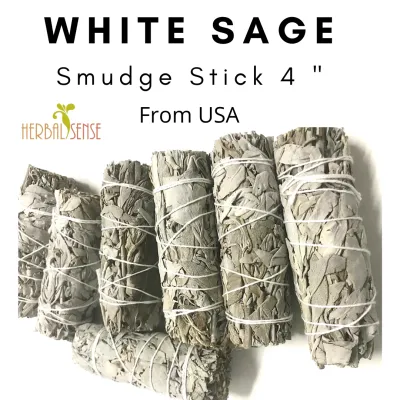
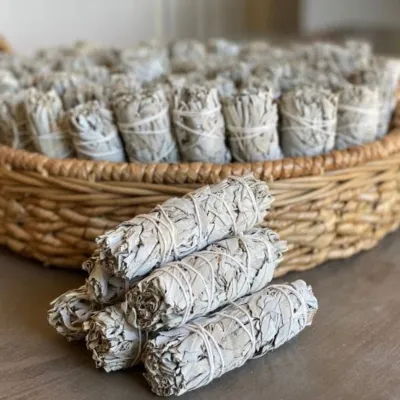
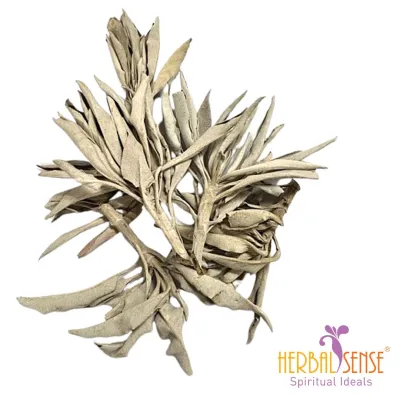
When shopping for white sage, a physical or visual inspection is your first line of defense against low-grade, stale, or adulterated products. High-quality white sage should feature a distinct silvery-green color. The leaves should look relatively intact, fuzzy, and plump rather than brittle, brown, or excessively dusty. If a bundle looks dark brown or gray, it may be old, poorly dried, or exposed to moisture during transit. Healthy leaves retain their structural integrity, whereas low-quality bundles often contain a high proportion of crushed leaves and stems that burn too quickly and unevenly.
Products mentioned in this guide
Prices are valid at publication and may change. Please refer to the product page for the latest price.
The aroma of authentic white sage is unmistakable. It should release a strong, earthy, herbaceous, and slightly sweet scent even before it is lit. Avoid bundles that smell musty, stale, or completely odorless, as these are signs of age or improper storage. Be cautious of any artificial or perfume-like scents, which suggest the addition of synthetic oils or fragrances that can produce harsh, unpleasant smoke when burned. The natural scent should be clean and refreshing, not cloying or chemical.
Inspect the binding material holding the bundle together. Premium smudge sticks are wrapped tightly with natural, unbleached cotton or hemp string. Avoid bundles bound with synthetic, dyed, or plastic threads, as these materials release toxic fumes and unpleasant odors when burned. The string should be wrapped evenly to keep the leaves secure without crushing them, allowing for a steady, even burn. A well-bound stick ensures that air can circulate between the leaves, which helps the bundle smolder consistently without constantly going out.
Given Singapore’s high relative humidity, checking for moisture and mold is critical, especially when buying from physical stores or local warehouses. Feel the bundle if possible; it should feel dry and slightly crisp, not damp or spongy. Look closely between the bound leaves for any signs of white, gray, or black mold. Burning moldy sage is hazardous to respiratory health and ruins the aromatic profile of the herb. If you notice any dampness or unusual discoloration, it is best to reject the bundle immediately.
Where to Source White Sage Smudge Sticks in Singapore
Finding reliable white sage in Singapore involves choosing between local physical shops, specialized online boutiques, and international platforms. Specialty metaphysical shops, crystal boutiques, and wellness stores located in areas like Haji Lane, Orchard Road, or local shopping centers offer the distinct advantage of physical inspection. Visiting these stores allows you to examine the leaf quality, smell the aroma, and ask the staff directly about the origin and harvest date of their stock. Many of these boutique owners take pride in sourcing directly from ethical farms, providing peace of mind.

Local online apothecaries and artisan craft stores are excellent alternatives. These sellers often curate high-quality batches and store them in climate-controlled environments to protect them from humidity. When buying online locally, look for sellers who provide detailed product descriptions, clear photos of the actual stock, and transparent information about their sourcing. Local shipping is typically fast, which minimizes the time the dried herbs spend in humid transit vans, ensuring they arrive at your doorstep in optimal condition.
International e-commerce platforms and global marketplaces offer a wider variety of options, often at lower price points. However, buying from overseas carries risks, including longer shipping times that expose the dried herbs to moisture, potential customs delays, and a higher likelihood of receiving counterfeit or low-grade products. If you choose this route, read customer reviews carefully and prioritize sellers with high ratings and clear return policies. Be prepared to inspect the product thoroughly upon arrival.
Regardless of where you shop, learn to spot red flags. Unusually low prices are often a sign of low-grade, old, or unsustainably harvested sage. Avoid sellers who provide no information about where the sage was grown or how it was harvested. A complete lack of transparency regarding sourcing or packaging should prompt you to look elsewhere for your aromatherapy needs. Reputable sellers will always be happy to share details about their supply chain and sustainability practices.
Ethical Sourcing and Sustainability Checks
White sage is a sacred plant native to the southwestern United States and northwestern Mexico, where it has been harvested and used for generations by Indigenous communities in sacred ceremonies. The surge in global popularity has led to commercial overharvesting, which threatens wild populations and disrupts traditional ecological relationships. As a consumer in Singapore, making an ethical choice helps support conservation and respects cultural heritage. Understanding where your sage comes from is the first step toward responsible consumption.
When purchasing white sage, look for indicators of ethical sourcing. Prioritize brands that explicitly state their sage is “wildcrafted” under sustainable guidelines or grown on private, organic farms. Some reputable suppliers work directly with Indigenous harvesters or donate a portion of their proceeds to Indigenous-led conservation groups. Look for clear supply chain disclosures on the seller’s website or packaging. If a brand cannot or will not disclose its sourcing methods, it is best to choose a different supplier.
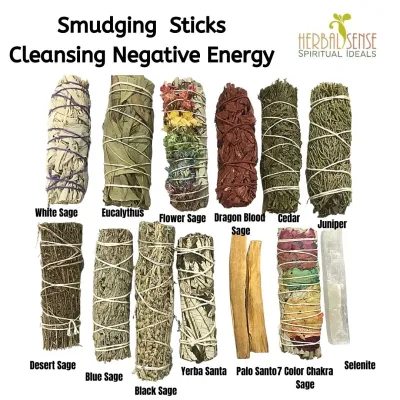
If ethically sourced white sage is unavailable, difficult to verify, or outside your budget, consider using sustainable alternatives. Many local aromatic plants and common herbs offer excellent cleansing and aromatic properties without the environmental baggage. Garden sage, rosemary, cedar, and lavender are highly sustainable options that are widely available in Singapore and can be burned as loose leaves or bundles. These plants are often easier to source ethically and can even be grown at home.
Using local incense options, such as sandalwood or agarwood, is another excellent way to support regional artisans while enjoying a rich aromatic experience. These alternatives are well-suited to the local climate and are often easier to source from trusted, sustainable producers within Southeast Asia. By diversifying your aromatic practices, you reduce the demand on wild white sage populations while discovering unique scents that resonate with your living space.
Safe Usage and Humidity-Proof Storage
Burning dried herbs requires strict adherence to fire safety protocols, especially in high-rise apartments and enclosed residential spaces. Always use a heat-resistant container to catch falling ash and embers. Traditional abalone shells, ceramic bowls, cast-iron dishes, or heavy stone vessels filled with a layer of clean sand are ideal choices. The sand helps insulate the container from heat and provides a safe medium for extinguishing the bundle. Never leave a burning or smoldering smudge stick unattended, and ensure it is placed on a stable, flat surface.
Proper ventilation is essential when burning white sage indoors. Open your windows and doors to allow air to circulate freely, which helps carry the heavy smoke out of your living space. This is particularly important in Singapore’s compact apartments to prevent triggering sensitive smoke detectors and to avoid respiratory irritation. Keep the burning sage away from flammable materials, drafty areas, air conditioning units, and ceiling fans that could scatter hot embers. A gentle breeze is sufficient to disperse the smoke safely.
Storing your white sage correctly is vital to preserving its quality in Singapore’s tropical climate. High humidity can quickly cause dried herbs to absorb moisture, leading to mold growth and making them difficult to light. Store your bundles in airtight glass jars or heavy-duty plastic containers. Adding a food-safe silica gel desiccant packet inside the container will help absorb any trapped moisture. Keep the container in a cool, dark cupboard away from direct sunlight and fluctuating temperatures to maintain the herb’s essential oils.
To extinguish your white sage smudge stick, gently press the burning tip into your sand-filled dish or a fireproof ceramic surface until the smoke stops completely. Avoid using water to extinguish the bundle, as this saturates the tightly bound leaves, making it nearly impossible to relight them later and creating a breeding ground for mold. Inspect the tip before storing it away to ensure no hidden embers remain active. A properly extinguished bundle can be reused multiple times, making it a long-lasting addition to your home.
Frequently Asked Questions (FAQ)
Can I grow my own white sage in Singapore?
White sage (Salvia apiana) is native to arid, Mediterranean-like climates with low humidity, sandy soil, and intense sunlight. Consequently, it is extremely difficult to grow successfully in Singapore’s hot, humid, and wet tropical climate. The plant is highly susceptible to root rot and fungal diseases when exposed to high humidity and frequent rainfall. If you wish to cultivate your own aromatic herbs locally, consider heat-tolerant alternatives like Indian borage, lemongrass, rosemary, or sweet basil, which thrive much better in local conditions.
Is it legal to import white sage into Singapore?
Yes, it is generally legal to import dried white sage for personal use, but it must comply with local import regulations. Dried plant materials and botanical products are subject to inspection by agricultural and customs authorities to ensure they do not carry pests or diseases. When ordering from overseas, ensure the product is clearly labeled as dried botanical material for personal use. Avoid ordering large commercial quantities without the necessary import permits, and always purchase from reputable international sellers who provide proper customs documentation.

Community discussion
Share your experience or ask a question. Comments are reviewed before publication.