
A compact room does not have to feel restrictive. While you cannot physically push back the walls of a limited living space, you can easily alter how those boundaries are perceived. Strategically chosen and positioned mirrors are among the most effective design tools for introducing visual depth, multiplying ambient light, and creating a sense of openness. By understanding how light interacts with reflective surfaces and selecting the appropriate dimensions and frame styles, you can transform a cramped layout into an airy, welcoming environment.
Assess Your Space and Define Your Mirror Goals
Before purchasing any decorative glass, you must evaluate the unique architectural layout and limitations of your room. Every small space has distinct pain points. A narrow entryway requires a different spatial solution than a low-ceilinged living room or a dark, windowless study. Identifying these specific challenges beforehand ensures that your mirror serves a clear functional purpose rather than simply acting as a random wall filler.
To begin, observe how natural and artificial light move through the room at different times of the day. In Singapore’s tropical climate, daylight can shift from bright, direct morning sun to intense afternoon glare, followed by long shadows in the evening. Note which corners remain perpetually dark and where the natural light naturally pools. If your primary goal is to brighten a dim room, your mirror must be positioned to capture and redistribute this light. If your goal is to make a narrow room feel wider, the mirror must be placed to extend the visual floor line.
Products mentioned in this guide
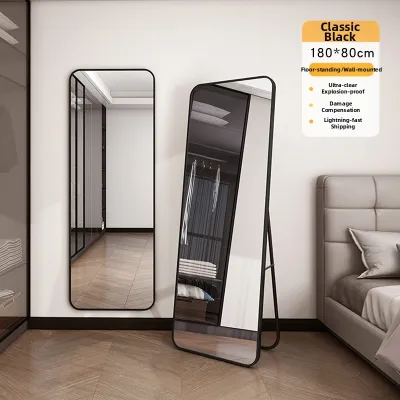
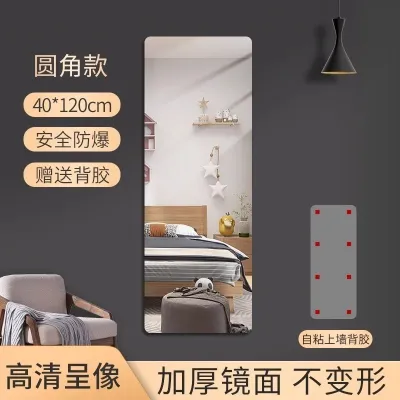
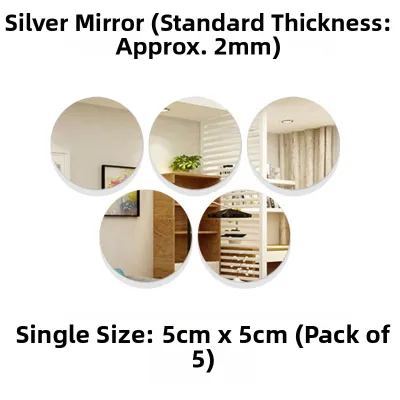
Prices are valid at publication and may change. Please refer to the product page for the latest price.
Take precise measurements of your walls and note the positions of existing furniture. A mirror should never compete with your furniture or block natural walking paths. By defining your goals early—whether that is maximizing daylight, extending a tight corridor, or raising the perceived ceiling height—you can narrow down the ideal size, shape, and placement for your space.
Choose the Right Mirror Size, Shape, and Frame
Selecting a mirror that complements a compact room requires a careful balance of scale, geometry, and frame design. The wrong choice can make a room feel cluttered or fragmented, while the right selection can visually push the walls outward.

Evaluate Size and Proportion
The scale of your mirror dictates its impact on the room’s proportions. A common mistake in small-space design is choosing a mirror that is too small for the wall. A tiny mirror on a large, empty wall creates a fragmented visual effect, drawing attention to the limited boundaries of the room rather than expanding them. Conversely, an oversized mirror acts as a statement piece or a “faux window,” tricking the brain into believing there is an entire extra room beyond the glass.
When measuring your wall space, aim to leave a balanced margin around the mirror’s edges. For wall-mounted mirrors placed above furniture, such as a sideboard or a console table, the mirror should ideally measure between 60% and 80% of the furniture’s total width. This ratio ensures the mirror feels integrated and grounded. If you are leaning a full-length mirror against a wall, select a model that stands at least 150 to 180 centimeters tall to allow for a complete, uninterrupted reflection of the room’s floor and ceiling lines.
Select Frame Styles and Shapes
The frame of a mirror determines its visual weight. In compact rooms, frameless mirrors or those with ultra-thin metal frames are highly effective. These styles allow the reflection to merge seamlessly with the surrounding wall, creating a continuous, uninterrupted line of sight. Thin frames in neutral tones, matte black, or brushed brass provide just enough structure without adding unnecessary visual bulk.
In contrast, thick, heavy, or highly ornate wooden frames add significant visual weight. While they can serve as beautiful decorative elements in larger rooms, in a small space they tend to box in the reflection, highlighting the physical limits of the mirror and making the wall feel more enclosed.
Shape also plays a critical role in directing the eye. Tall, vertical rectangular mirrors are excellent for rooms with low ceilings, as they draw the eye upward and emphasize vertical space. Round, oval, or arched mirrors are ideal for softening the rigid lines and sharp corners common in boxy, compact layouts. An arched mirror, in particular, mimics the architectural shape of a window or doorway, which naturally suggests transition and deeper space.
Place Mirrors Strategically to Maximize Light and Depth
Once you have selected the appropriate mirror, its placement determines how effectively it manipulates light and perceived depth. Strategic positioning can make a dark corner feel bright and a tight room feel twice its actual size.
Bounce Natural Light and Reflect Pleasant Views
To amplify the natural light in a room, position your mirror opposite or adjacent to a window. This placement allows the mirror to catch incoming daylight and bounce it deep into the interior, effectively doubling the brightness of the space. Reflecting the outdoors also creates a “faux window” effect, bringing views of greenery or the sky inside, which instantly breaks down the feeling of confinement.
However, you must be mindful of the angle of the sun. In Singapore, the intense afternoon West sun can create blinding glare and concentrated heat if reflected directly onto seating areas or workspaces. To avoid this, test the placement by temporarily propping the mirror at your desired spot and observing the reflection during peak sunlight hours. If the glare is uncomfortable, angle the mirror slightly away from the direct path of the sun or place it adjacent to the window rather than directly opposite.
Additionally, ensure the mirror reflects an attractive, organized view. Reflecting a tidy corner, a beautiful indoor plant, or a piece of art enhances the room’s aesthetic. Avoid placing a mirror where it directly reflects a blank wall, a plain ceiling, or a utility area, as this contributes nothing to the room’s visual depth.
Create Depth in Narrow or Windowless Zones
Tight corridors, compact entryways, and windowless rooms present unique spatial challenges. Placing a large mirror at the far end of a narrow hallway visually extends the corridor, making the transition space feel long and grand rather than cramped. For narrow living rooms or bedrooms, installing mirrored closet doors or placing a tall, leaning floor mirror along the longest wall can create the illusion of extended floor space, making the room appear twice as wide.
In windowless zones, such as bathrooms or interior study rooms, you can use mirrors to amplify artificial light sources. Position a mirror directly behind a light fixture, such as a pair of wall sconces, a pendant light, or a table lamp. The reflective glass will double the light output and diffuse the illumination throughout the dark corner, eliminating harsh shadows and making the area feel open and inviting.
For modern setups featuring LED-backlit mirrors, verify that the integrated lighting matches the color temperature of your room’s existing fixtures. A warm white light (around 2700K to 3000K) is generally preferred for cozy living areas, while a cool white light (4000K to 5000K) suits task-oriented spaces like bathrooms. Always check the manufacturer’s specifications regarding voltage compatibility, dimming methods, and electrical certifications before purchasing integrated lighting mirrors.
Avoid Common Placement Mistakes That Shrink Your Space
While mirrors are excellent for expanding a space, improper placement can inadvertently make a small room feel chaotic, cluttered, or uncomfortable.
- Reflecting Clutter: A mirror doubles whatever is in its line of sight. If you place a mirror opposite a cluttered bookshelf, a busy work desk, or an unmade bed, you will effectively double the visual noise in the room. This added chaos makes a small space feel even more cramped and disorganized. Always ensure the reflected area is clean, simple, and visually pleasing.
- Awkward Mounting Heights: Hanging a mirror too high or too low disrupts the room's flow and creates uncomfortable viewing angles. As a general rule, the center of a wall-mounted mirror should hang at eye level, which is approximately 140 to 150 centimeters from the floor. In dining rooms or living areas where people are primarily seated, adjust the height slightly lower so that guests do not experience awkward, cut-off reflections while sitting.
- Excessive, Scattered Mirrors: Using too many small, mismatched mirrors on a single wall creates a fragmented, gallery-style effect that can overwhelm a small room. Instead of expanding the space, multiple small reflections break up the wall and make the room feel busy and disjointed. Opt for one large, cohesive mirror rather than a collection of small ones to maintain a clean, expansive look.
Follow Safe Installation and Mounting Practices
Installing large, heavy mirrors requires strict adherence to structural safety and proper mounting hardware. Because mirrors are heavy and fragile, a secure installation is essential to prevent damage to your walls and ensure household safety.
First, identify your wall type. Homes in Singapore commonly feature solid concrete or brick walls, as well as lightweight drywall partitions. Concrete and masonry walls require a hammer drill, masonry drill bits, and heavy-duty plastic wall plugs or masonry anchors. Drywall partitions, on the other hand, require you to locate the wooden or metal wall studs using a stud finder. If a stud is not available where you want to hang the mirror, you must use specialized heavy-duty hollow-wall anchors, such as toggle bolts, to distribute the weight safely.
Before drilling, always verify that there are no hidden electrical conduits or water pipes behind the marked spots. If your mirror is exceptionally heavy, if you are unsure of your wall’s structural integrity, or if the installation requires complex mounting brackets, stop immediately and consult a qualified professional installer.
For LED-backlit or heated demister mirrors that require fixed electrical wiring, safety is paramount. The installation must involve proper power isolation at your home’s main distribution board (DB box). Because working with live electrical wiring poses significant safety risks, this task must be carried out by a licensed electrical worker or a qualified professional in accordance with local safety standards.
Finally, consider environmental factors. Singapore’s high relative humidity can take a toll on mirrors, especially in bathrooms or near open windows. Excess moisture can seep behind the glass, leading to “desilvering”—a chemical degradation that causes unsightly black spots and peeling along the edges. To prevent this, ensure your chosen mirror features a copper-free silver backing or a moisture-resistant protective seal. Maintaining adequate ventilation in damp areas will also help preserve your mirror’s reflective quality and backing for years to come.
Community discussion
Share your experience or ask a question. Comments are reviewed before publication.