
Choosing the right reed diffuser requires matching the reed material, oil base, and vessel size to the specific dimensions and environmental conditions of your room. By selecting high-wicking reeds and a stable, narrow-necked vessel filled with a compatible carrier oil, you can establish a consistent, low-maintenance fragrance throw that enhances your living space. Unlike candles, which require active supervision, reed diffusers offer a continuous, passive scent delivery system that operates safely around the clock.
To achieve the ideal aromatic balance, you must look beyond the aesthetic appeal of the bottle. The performance of a diffuser depends heavily on how its physical components interact with your home’s microclimate. Understanding these variables allows you to customize the fragrance intensity, maximize the lifespan of your oil, and avoid common pitfalls like rapid evaporation or weak scent throw.
Define Your Space and Fragrance Goals
Before purchasing a reed diffuser, evaluate the physical characteristics of the room where it will reside. Large, open-plan living areas with high ceilings require a larger volume of oil and longer reeds to project scent effectively across the entire space. In contrast, compact areas like bathrooms, entryways, or small study nooks need a much lighter touch; a large diffuser in a confined space can quickly become overwhelming.
Products mentioned in this guide
![[KIRONA SCENT] Posh Pink Reed Diffuser 120ml | Aromatherapy Home & Office Decor Fragrance Gifts](https://img.lazcdn.com/g/p/aa181df3ff3104806deb9f665a0ae76d.png_400x400q80.png_.webp)


![[KIRONA SCENT] Jewel Changi Inspired Reed Diffuser | Luxe Black 110ml | Hotel & Mall Scents](https://img.lazcdn.com/g/p/a1f0ac13d2b41fdce8aa036f4c484ce6.png_400x400q80.png_.webp)
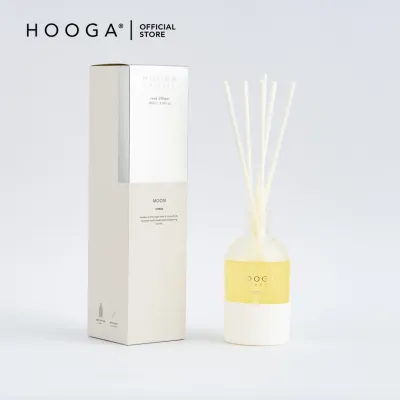
![[6 NEW SCENTS] Hooga Black Series Reed Diffuser 200ml](https://img.lazcdn.com/g/p/1ffd8c3f6be39df0f302c26adff3be23.jpg_400x400q80.jpg_.webp)
Prices are valid at publication and may change. Please refer to the product page for the latest price.
Environmental factors play a significant role in how quickly your diffuser oil evaporates. In warm, tropical climates or homes that rely heavily on constant air-conditioning, the air can be exceptionally dry or highly humid. Air-conditioning units create active drafts that accelerate the evaporation of the carrier liquid, meaning your diffuser may deplete faster than expected. Conversely, high natural humidity can slow down the wicking process of certain natural materials, resulting in a more muted fragrance release. Placing your diffuser in an area with gentle, natural air circulation—such as near a doorway or on a central table—helps distribute the scent without stripping the bottle too quickly.
Finally, align your fragrance choices with the specific function and mood of each room. Bright, energizing citrus and herbal notes like lemongrass, eucalyptus, and bergamot are excellent for kitchens and bathrooms because they neutralize odors and create a clean, refreshing atmosphere. For living rooms and communal spaces, warm woody notes, amber, or soft florals foster a welcoming and sophisticated environment. In the bedroom, prioritize soothing, low-intensity scents like lavender, chamomile, or soft vanilla to encourage relaxation and better sleep quality.
Compare Diffuser Reed Materials for Scent Throw and Longevity
The choice of diffuser reed is the single most important factor determining how effectively fragrance is drawn from the bottle and dispersed into the air. Natural rattan reeds are the traditional standard, featuring dozens of microscopic, hollow channels that run the length of the stem. These vascular bundles naturally draw the oil upward through capillary action. Rattan reeds offer a rustic, organic aesthetic that complements classic decor styles. However, because they are a natural product, they require manual flipping every week or two to keep the scent fresh, and they are prone to clogging over time as dust and heavier oil molecules settle in the channels.

Synthetic fiber reeds, typically made from polyester or nylon blends, are engineered specifically for modern aromatherapy performance. These reeds feature uniform, highly porous structures that wick oil at a faster and more consistent rate than natural rattan. Because they are designed not to clog easily, they rarely require flipping and maintain a steady fragrance release throughout their lifespan. Visually, fiber reeds provide a sleek, uniform look and are available in various colors, such as deep black or crisp white, to match contemporary interior designs.
When selecting your reeds, pay close attention to their physical dimensions. Thicker reeds, usually measuring around 3mm to 4mm in diameter, absorb more oil and deliver a stronger scent throw, making them ideal for spacious rooms. The length of the reeds should always be proportional to the height of your vessel; ideally, the reeds should extend at least twice the height of the bottle to ensure there is enough exposed surface area for the fragrance to evaporate into the room.
Quality control is essential when purchasing replacement reeds. Inspect natural rattan reeds to ensure they are straight, uniform in color, and free from visible mold or extreme brittleness. Avoid reeds that feel dusty or overly dry to the touch, as these physical defects indicate poor storage conditions that can permanently impair their wicking ability. Investing in high-quality reeds ensures you do not waste premium fragrance oils on poor dispersion.
Evaluate Fragrance Oil Quality and Base Ingredients
The carrier liquid used to dilute the fragrance concentrate dictates how safely and slowly your diffuser operates. Alcohol-based carriers, such as ethanol, evaporate very rapidly. While they provide an immediate, intense burst of fragrance, they deplete the bottle quickly and can emit a sharp, chemical undertone. Water-based carriers evaporate much slower but often struggle to mix evenly with essential oils without heavy chemical emulsifiers, sometimes leading to uneven wicking. Oil-based carriers, such as dipropylene glycol (DPG) or specialty glycol ethers, offer the most balanced performance, evaporating at a slow, controlled rate that preserves the integrity of the fragrance notes over several months.
Safety is a paramount consideration, particularly in households with young children, elderly residents, or pets. Always read the ingredient labels carefully and look for formulations that are certified phthalate-free, paraben-free, and non-toxic. Phthalates are commonly used to extend the life of fragrances but can act as endocrine disruptors. If you share your home with cats or dogs, be aware that certain concentrated essential oils, such as tea tree, pine, and citrus, can be toxic to animals if ingested or absorbed through the skin; ensure your diffuser is placed completely out of their reach.
The concentration of pure fragrance oil relative to the carrier base directly influences both the price and the longevity of the product. While budget-friendly diffusers priced under S$15 often contain a high percentage of cheap solvents and minimal fragrance, premium options ranging from S$40 to S$90 utilize highly concentrated, cosmetic-grade perfume oils. These premium blends evaporate slowly and maintain a complex, multi-layered scent profile—featuring distinct top, middle, and base notes—rather than a flat, single-note aroma that fades within a few weeks.
Select the Right Vessel Size and Design
The physical design of the diffuser vessel is not merely an aesthetic choice; it directly impacts how long your fragrance oil lasts. A standard 100ml to 200ml vessel is the most versatile size for residential spaces, typically providing continuous fragrance for one to three months. For larger open areas, look for substantial 500ml vessels that can accommodate a larger bundle of thick reeds to maximize the scent throw.
The shape of the vessel’s neck is a critical functional detail. Always choose bottles with a narrow neck or a restricted opening. A wide-mouthed jar allows the carrier oil to evaporate directly from the surface of the liquid into the air, bypassing the reeds entirely and wasting your fragrance. A narrow neck ensures that the oil can only escape by wicking up through the reeds, which regulates the evaporation rate and extends the lifespan of the product.
Stability is another vital factor to consider when selecting a vessel. Because diffuser oils contain concentrated solvents that can permanently strip wood varnishes, dissolve plastics, and stain delicate fabrics, a spill can cause costly damage to your home. Opt for heavy glass, ceramic, or stone vessels with a wide, low center of gravity and a flat base. Avoid top-heavy or unusually tall, thin bottles that can easily be knocked over by a passing pet, a vacuum cleaner, or a stray hand.
Step-by-Step Guide to Setting Up Your Reed Diffuser
Setting up your reed diffuser correctly from the very beginning ensures optimal performance and prevents messy accidents. Follow these clear steps to activate your new home fragrance system:
- Unbox and Prepare: Place the diffuser package on a stable, flat work surface. Carefully unbox the vessel and remove any protective plastic shrink-wrap, decorative collars, or screw caps. Gently pry out the inner plastic travel stopper or rubber seal. Keep the bottle upright at all times to prevent the concentrated oil from spilling onto your hands or work surface.
- Insert the Reeds: Determine the desired fragrance intensity for your space. If you are placing the diffuser in a small room or prefer a subtle scent, insert only half of the provided reeds (typically 4 to 5). For larger rooms or a more pronounced fragrance throw, insert the entire bundle (usually 8 to 10 reeds). Spread the reeds out in a fan shape to allow air to circulate freely between them.
- Saturate and Flip: Allow the reeds to sit undisturbed in the oil for 24 to 48 hours. This gives the capillary channels sufficient time to draw the liquid up to the midpoint of the reeds. Once the bottom portion is fully saturated, carefully remove the reeds, flip them upside down, and reinsert them into the bottle. This exposes the wet, oil-soaked ends to the air, immediately releasing the fragrance.
- Position Safely: Place a protective coaster, ceramic tray, or glass plate underneath the vessel before setting it on your furniture. This protective barrier shields delicate wood veneers, lacquered finishes, or painted surfaces from any stray oil droplets that might run down the side of the bottle during setup or flipping. Position the diffuser in a safe location away from direct sunlight, radiators, air vents, and electrical appliances.
Maintain and Adjust Your Diffuser for Consistent Scent
To keep your reed diffuser performing at its best, establish a simple maintenance routine. Flipping the reeds periodically is the easiest way to revive a fading fragrance. For most spaces, flipping the reeds once every one to two weeks is ideal. Always perform this task over a sink or a protected surface, and keep a paper towel handy to wipe away any drips from the neck of the bottle immediately.
Over time, even the highest-quality reeds will lose their wicking efficiency. Dust, pet hair, and airborne particles gradually settle on the exposed portions of the reeds, while heavy oil molecules clog the internal channels from the inside out. If you notice that flipping the reeds no longer boosts the scent throw, or if the reeds feel greasy and look visibly dusty, they have reached the end of their lifespan. Discard them entirely and replace them with a fresh set of reeds to restore the diffuser’s performance.
You can easily adjust the fragrance intensity to match seasonal changes or combat olfactory fatigue. If the scent becomes too strong during warm, humid periods, simply remove a few reeds from the vessel and store them safely. If you find yourself becoming nose-blind to the fragrance, try moving the diffuser to a different room or a transitional space like a hallway for a few days; the change in air movement and perspective often makes the scent noticeable once again.
Eventually, the liquid level in your vessel will drop to a point where only a thick, dark, or cloudy residue remains. This indicates that the volatile carrier ingredients have completely evaporated, leaving behind heavy fragrance concentrates that the reeds cannot wick. When this occurs, do not simply pour fresh oil over the old residue. Pour out the remaining liquid, wash the vessel thoroughly with warm, soapy water, and let it dry completely. Once clean, refill the bottle with fresh diffuser oil and insert a brand-new set of reeds for a clean, unpolluted scent profile.
Frequently Asked Questions (FAQ)
Can I reuse diffuser reeds for a new fragrance oil?
No, reusing old reeds for a new fragrance oil is highly discouraged. Once a reed is saturated with a specific scent, the residual oil remains trapped deep within its porous channels. If you insert these used reeds into a different fragrance, the old and new oils will mix, resulting in a distorted, muddy, and often unpleasant aroma. To experience the true, clean notes of your new fragrance, always use a fresh set of reeds with every new bottle or refill.
Why does my reed diffuser stop smelling after a few weeks?
A sudden drop in fragrance is most commonly caused by olfactory fatigue, a natural process where your brain acclimates to a constant background scent and filters it out. You can test this by leaving your home for a few hours; if you smell the fragrance clearly upon your return, the diffuser is functioning perfectly. If the scent has genuinely diminished, the reeds may be clogged with household dust or fully saturated with heavy oil compounds. Flipping the reeds, moving the vessel to an area with gentle air circulation, or replacing the reeds entirely will quickly restore the scent throw.
Community discussion
Share your experience or ask a question. Comments are reviewed before publication.