
Selecting the perfect aromatic candle involves more than just picking an appealing name or an attractive jar. Because scent is highly subjective and behaves differently depending on the environment, understanding the underlying fragrance families is the most reliable way to predict how a candle will perform in your home. By learning to decode scent profiles, fragrance notes, and ingredient labels, you can confidently choose candles that align with your personal preferences, complement your living spaces, and suit your sensory tolerances.
Rather than relying on trial and error, familiarizing yourself with the standard classification of scents allows you to make informed decisions. This approach is particularly valuable when shopping online, where you cannot physically smell the product before purchasing. By understanding how different notes interact, you can transform your home environment, improve your focus, or create a soothing sanctuary tailored to your daily routines.
The Main Fragrance Families in Aromatic Candles
The fragrance industry categorizes scents into distinct families to help consumers navigate the vast array of available profiles. The floral family is one of the most traditional and widely used categories, characterized by notes of rose, jasmine, lily, and lavender. These scents often evoke a sense of romance, classic elegance, and relaxation, making them popular choices for creating a serene and welcoming atmosphere.
Products mentioned in this guide
![[Limited Edition] Jo Malone London Golden Barley Classic Candle • Comforting and relaxing scent for home](https://img.lazcdn.com/g/p/d1268c9210bc06d69c57eff4788c5866.jpg_400x400q80.jpg_.webp)
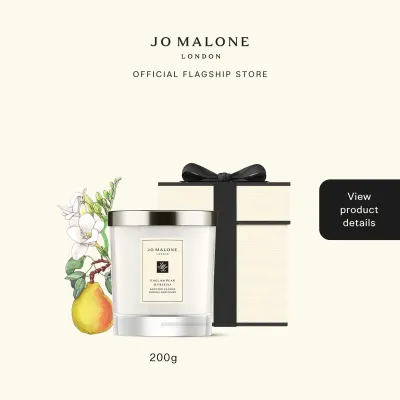

Prices are valid at publication and may change. Please refer to the product page for the latest price.
In contrast, the woody family offers grounding, warm, and earthy profiles. Common notes include sandalwood, cedarwood, pine, and vetiver. Woody scents are highly valued for their comforting and stabilizing qualities, often bringing a sense of the outdoors inside and creating a cozy, sophisticated ambiance.
For those seeking brightness and energy, the citrus family delivers crisp, uplifting aromas. Featuring notes of lemon, lime, bergamot, and grapefruit, these scents are known for their clean and refreshing characteristics. Citrus candles are excellent for revitalizing a space and clearing away stagnant odors.
The fresh or aquatic family expands on this cleanliness, incorporating airy and watery notes such as sea salt, ozone, and clean linen. These profiles evoke a sense of spaciousness, simplicity, and crisp morning air, making them ideal for modern, minimalist interiors or humid climates where heavy scents might feel oppressive.
The oriental or spicy family introduces warmth, depth, and exotic complexity. With notes of amber, vanilla, cinnamon, and cardamom, these fragrances are rich, sweet, and often highly sensual. They are particularly effective at creating an intimate, luxurious, and comforting environment during cooler evenings or rainy days.
Finally, the gourmand family appeals to the senses with edible, dessert-like aromas. Notes of caramel, coffee, honey, and warm vanilla create a sweet, rich, and nostalgic atmosphere. These scents are highly comforting and can make a home feel instantly warm and lived-in.
Many modern aromatic candles do not fit neatly into a single category; instead, they blend multiple families to create complex, multi-layered experiences. For example, a woody-floral blend might combine the grounding depth of cedarwood with the delicate sweetness of jasmine. To identify the dominant character of a blended candle, look at the product description, where the primary notes are typically listed first or highlighted as the core of the fragrance.
How to Match Scent Profiles to Your Space
Matching the right scent profile to a specific room is essential for creating a harmonious home environment. In the bedroom, where relaxation and sleep are the primary goals, soothing profiles like lavender from the floral family or warm sandalwood from the woody family are highly effective. These scents help signal to the brain that it is time to wind down, promoting a restful transition to sleep.

For home offices or study areas, energizing and focus-enhancing scents are more appropriate. Citrus notes like bergamot and grapefruit, or fresh herbal notes like rosemary and eucalyptus, can help stimulate mental clarity and maintain alertness without becoming distracting. These bright profiles keep the atmosphere feeling active and productive.
In living rooms and entryways, where guests are welcomed and household members gather, versatile and universally appealing scents work best. Light woody-floral blends, fresh linen, or subtle citrus-amber profiles create an inviting atmosphere that is neither too heavy nor too sweet. These balanced scents accommodate diverse preferences and set a pleasant, hospitable tone.
Environmental factors such as room size, ventilation, and local climate significantly influence how a fragrance is perceived. In Singapore’s warm and humid climate, heavy gourmand or intense spicy scents can quickly become cloying, especially in smaller, enclosed spaces. Conversely, in air-conditioned rooms where air circulation is controlled, lighter citrus, fresh aquatic, or soft floral profiles maintain a crisp, clean presence without saturating the air.
When burning candles, always place them on a stable, heat-resistant surface, keep them away from drafts and flammable materials, and never leave an open flame unattended. If you prefer using electric candle warmers instead of an open flame, verify the device’s voltage, wattage limits, and electrical safety certifications to ensure safe operation in your home environment.
When choosing candles for shared household spaces, it is crucial to consider the preferences and sensitivities of others. Strong fragrances can trigger headaches or respiratory discomfort in sensitive individuals, including young children and pets. Opting for candles with a moderate scent throw and choosing milder, natural-leaning profiles can help ensure that the aromatic experience remains pleasant and safe for everyone in the home.
Checking Ingredients: Essential Oils vs. Synthetic Fragrances
When evaluating aromatic candles, understanding the difference between essential oils and synthetic fragrance oils is key to aligning your purchase with your personal priorities. Essential oils are extracted directly from plants, flowers, and wood, offering highly complex, natural scent profiles. However, because they are natural extracts, their scent consistency can vary between batches, and they often have a subtler “hot throw”—the scent dispersed when the candle is lit—compared to synthetic alternatives.
Synthetic fragrance oils, on the other hand, are engineered in laboratories to deliver highly consistent, potent, and diverse scent profiles. They can replicate aromas that cannot be naturally extracted, such as clean linen or fresh rain, and generally offer a stronger hot throw that fills larger spaces quickly. High-quality synthetic fragrances are thoroughly tested for safety and stability in candle applications, making them a reliable choice for consistent performance.
To make an informed choice, carefully examine the product labels and manufacturer disclosures. Look for brands that prioritize ingredient transparency, listing the types of wax used (such as soy, beeswax, or coconut wax) and disclosing any potential allergens. Responsible manufacturers often provide detailed information about their fragrance sourcing and compliance with international safety standards, such as those set by the International Fragrance Association (IFRA).
It is important to clarify that natural ingredients do not automatically guarantee safety or a lack of sensitivity. Essential oils contain natural chemical compounds that can still trigger allergic reactions or respiratory irritation in certain individuals. If you have specific health concerns, asthma, or known allergies, it is always advisable to consult a qualified medical professional before introducing new aromatic products into your living environment.
How to Test and Evaluate Scents Before Buying
To avoid purchasing a full-sized candle that does not suit your preferences, it is helpful to understand how to test and evaluate scents effectively. A common mistake is relying solely on the “cold throw,” which is the aroma of the candle when it is unlit and sitting on a shelf. The “hot throw,” or the scent released as the wax melts and heats up, can smell significantly different as the heat alters the volatility of the fragrance compounds.
To test a scent profile without committing to a large jar, consider purchasing smaller discovery sets, tea lights, or wax melts. These smaller formats allow you to experience the fragrance in your actual home environment, under your specific ventilation and temperature conditions, for a fraction of the cost. When testing multiple scents in a store, take breaks or sniff unflavored coffee beans if available to reset your olfactory receptors and prevent sensory fatigue.
When you light a new candle for the first time, observe how the scent evolves over the first two to three hours. A well-crafted fragrance is structured with top, middle, and base notes that reveal themselves sequentially. The top notes are the initial, light aromas you smell immediately upon lighting; the middle notes form the heart of the fragrance as the wax pool deepens; and the base notes are the heavy, lingering scents that persist long after the candle has been extinguished. Evaluating this evolution helps you determine if you truly enjoy the fragrance throughout its entire burning cycle.
Frequently Asked Questions (FAQ)
Why does my aromatic candle smell different after burning for a few hours?
Aromatic candles are formulated with a blend of fragrance notes that evaporate at different rates when exposed to heat. The top notes, which are light and highly volatile (such as citrus or light herbs), are perceived first but fade quickly. As the candle continues to burn and the wax pool heats up, the heavier middle notes (like florals or spices) and deep base notes (such as wood, amber, or vanilla) emerge, gradually transforming the overall character of the scent profile over time.
Can I mix different fragrance families in the same room?
Yes, you can layer different fragrance families to create a custom scent profile, but doing so requires careful balance to avoid clashing. A safe approach is to pair complementary families, such as combining a woody candle with a citrus or light floral candle to add warmth and brightness simultaneously. To prevent sensory overload, avoid burning multiple heavy or highly sweet candles, such as combining a strong gourmand with an intense spicy fragrance, in the same enclosed space.

Community discussion
Share your experience or ask a question. Comments are reviewed before publication.