
Choosing the right candle holder decor is about creating visual harmony between the flame’s warmth and your room’s existing design language. Rather than treating these accents as mere afterthoughts, selecting them with intention allows you to anchor a room’s aesthetic, draw the eye to key focal points, and establish a cohesive atmosphere. The process requires evaluating your room’s dominant design theme, matching materials to your established color palette, selecting complementary silhouettes, and verifying safety parameters.
When chosen thoughtfully, candle holders serve as sculptural elements that elevate your home even during the day when the candles are unlit. By understanding how different materials, shapes, and arrangements interact with your furniture, you can transform a simple tabletop into a curated design statement. This guide will walk you through the essential steps to select, style, and safely display candle holders that perfectly complement your interior aesthetic.
Identify Your Room's Core Design Theme
Before purchasing any candle holder decor, take a step back to analyze the architectural lines, color schemes, and textures that define your space. Every room has a dominant design theme that dictates which decorative accents will feel natural and which will feel out of place. Identifying this theme establishes a clear baseline for your search.
Products mentioned in this guide
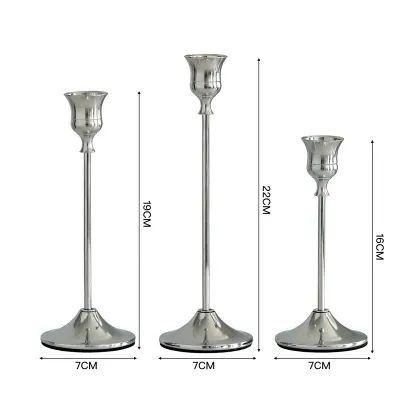
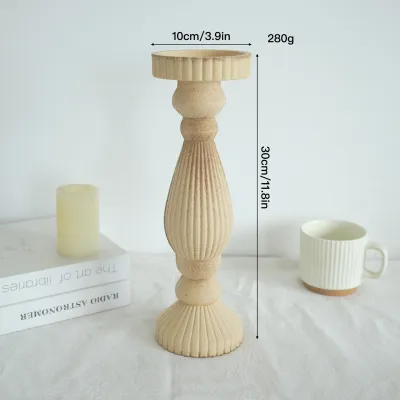
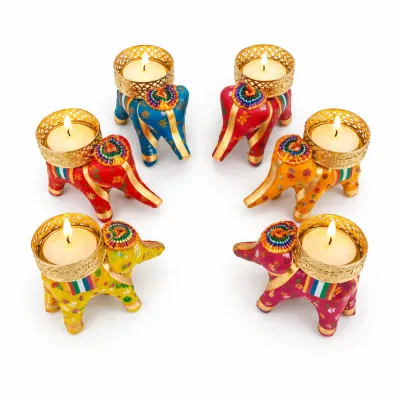
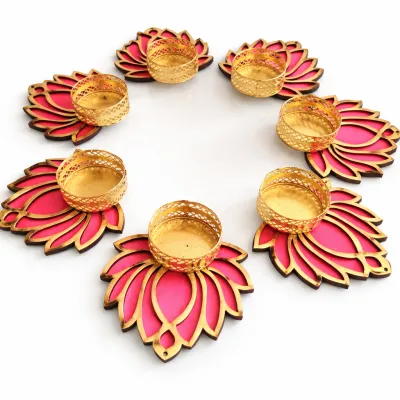
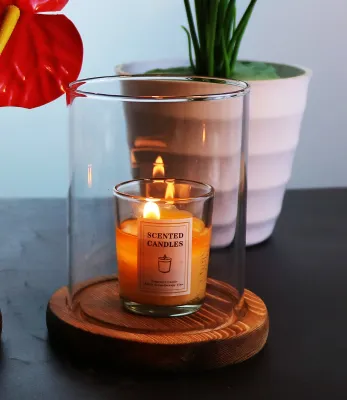
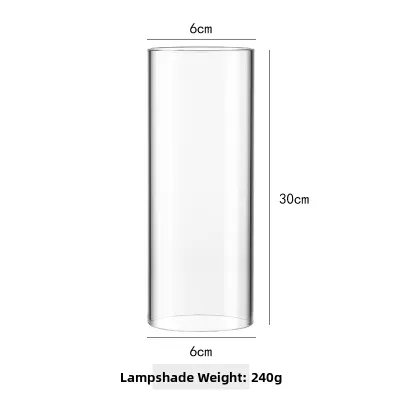

Prices are valid at publication and may change. Please refer to the product page for the latest price.
Modern and minimalist spaces often feature clean, unadorned lines, neutral color palettes, and a focus on open space. In these environments, clutter is the enemy, and every decorative piece must justify its presence. Candle holders for modern rooms should prioritize simplicity, relying on strong silhouettes and premium materials rather than intricate surface details to make an impact.
Rustic, industrial, or farmhouse interiors lean heavily on raw, textured elements like exposed brick, reclaimed wood, and matte black metal. These spaces benefit from candle holders that feel substantial, grounded, and slightly weathered. The goal is to complement the warmth of the wood and the ruggedness of the metal without introducing overly polished or delicate accents.
Vintage, classic, or transitional spaces embrace ornate details, symmetrical layouts, and rich, warm tones. Here, candle holders can be more decorative, featuring turned-wood details, intricate metalwork, or cut-glass patterns. These pieces should evoke a sense of history and craftsmanship, acting as elegant focal points on a mantelpiece or dining table.
Bohemian or eclectic rooms thrive on layered textures, organic shapes, and a mix of global influences. In these spaces, you have more freedom to play with color, hand-carved details, and unconventional materials. The key is to select pieces that feel collected over time rather than bought as a matching set.
Identify the exact surfaces where you plan to place your new decor, such as a dining table, a living room console, a bedroom nightstand, or a bathroom vanity. Each surface has its own visual weight and surrounding elements that will interact with your candle holders. Assessing these focal points beforehand ensures your chosen pieces will fit the scale and mood of the specific spot.
Select Materials and Finishes That Fit Your Theme
The material of your candle holder dictates how it reflects light and interacts with other textures in the room. Choosing the right material and finish is essential for reinforcing your design theme and ensuring the longevity of your decor.

Metals like brass, copper, and polished chrome offer distinct vibes. Polished brass and gold-toned metals bring warmth and classic elegance, making them ideal for vintage, traditional, or mid-century modern settings. Brushed steel, chrome, or matte black iron fit seamlessly into modern, industrial, or minimalist spaces, offering a cleaner, more contemporary edge.
Glass and crystal candle holders provide transparency and brilliance. Clear glass taper holders or heavy crystal blocks work beautifully in modern and formal dining settings because they allow light to pass through, keeping the space feeling airy and bright. Colored, frosted, or ribbed glass adds a retro or bohemian touch, casting soft, tinted shadows when the candle is lit.
Ceramics, stoneware, and terracotta introduce earthy, tactile qualities to a room. Matte, unglazed ceramic holders are staples of Japandi and minimalist decor, offering a quiet, organic presence that celebrates natural imperfection. Glossy glazed ceramics can introduce subtle pops of color and a more playful, contemporary feel to creative spaces.
Wood and natural stone, such as marble or travertine, ground a room with their unique grain patterns and textures. Carved wooden pillars suit rustic, coastal, or bohemian themes, adding warmth and a relaxed vibe. Sleek marble or travertine bases elevate modern luxury or classic interiors, providing a heavy, premium feel that commands attention.
Consider environmental factors, especially in humid tropical climates like Singapore. High humidity can cause untreated iron to rust or certain softwoods to warp over time. Opt for powder-coated metals, sealed hardwoods, or non-porous ceramics and glass for longevity in damp areas or semi-outdoor spaces like balconies and patios.
Choose Shapes and Silhouettes to Complement Your Space
The silhouette of a candle holder should either echo or intentionally contrast the lines of your furniture and architectural features. Balancing these shapes prevents visual clashing and helps guide the eye smoothly through the room.
In highly geometric, minimalist, or modern spaces, look for candle holders with sharp angles, clean cylinders, or architectural frames. A simple, slender metal taper holder or a solid cube of travertine provides a striking, clean look that doesn’t clutter the visual field. These geometric shapes reinforce the structured, orderly feel of modern design.
For vintage, traditional, or bohemian spaces, embrace organic curves, turned-wood details, and ornate carvings. Classic chamberstick holders with finger loops or tall, turned-brass candlesticks add historical charm and vertical interest. These curved lines soften the hard angles of dining tables and sideboards, creating a more inviting atmosphere.
Scale and proportion are critical when selecting shapes. A massive, heavy ceramic pillar plate will overwhelm a narrow entryway console, while tiny tealight cups will get lost on a large, eight-seater dining table. Measure the surface area and height clearance before choosing your pieces to ensure they sit comfortably within the space.
As a rule of thumb, leave at least double the height of the candle holder as open vertical space above it to maintain balanced proportions and prevent the display from looking cramped. If you are styling a dining table, ensure the combined height of the holder and the candle does not block the line of sight between seated guests, keeping conversations flowing easily.
Verify Functionality and Safety for Your Display
While aesthetics are vital, candle holders are functional objects that must safely manage heat and open flames. Ensuring your selected pieces meet practical safety standards is essential for protecting your home and your furniture.
Verify that the base of the holder is wide and heavy enough to prevent tipping, especially for tall taper candles or heavy pillar candles. A top-heavy design poses a significant safety hazard. If you plan to use heavy candles, look for holders made from solid materials like marble, cast iron, or thick ceramic that offer a low center of gravity.
Ensure the candle fits snugly into the cup or sits securely on the plate. Taper candles should not wobble or lean; if the opening is slightly too large, use candle snuggers or a small amount of melted wax to secure the base. For pillar candles, choose plates with a raised rim or a central spike to keep the candle from sliding.
Assess heat resistance and surface protection. Materials like glass, ceramic, and metal are excellent for containing heat, but they can still become extremely hot to the touch. Ensure the holder has a protective bottom, such as felt pads or a raised base, to prevent heat damage or scratches to delicate wooden tabletops, lacquered surfaces, or natural stone.
Plan placement carefully to avoid drafts. In Singapore homes, ceiling fans and air conditioning units frequently create strong indoor drafts. Position candle displays away from direct air currents, which cause uneven burning, rapid melting, excessive dripping, and increased smoke. Keep candles at a safe distance from flammable materials like curtains, dried floral arrangements, and low-hanging shelves.
If you are installing wall-mounted sconces or hanging lanterns, verify that the wall anchors and mounting hardware can support the weight of both the holder and the candle. For high-altitude or suspended displays, always consult the manufacturer’s installation instructions to ensure secure fastening and prevent accidental falls.
Arrange and Style Your Candle Holder Decor
Styling candle holders is an art of balance, contrast, and grouping. By applying a few simple design principles, you can create a visually engaging display that enhances your room’s overall aesthetic.
Use the “rule of odds” when creating a centerpiece or mantel display. Grouping items in sets of three or five is naturally more appealing to the human eye than even-numbered arrangements. For example, a cluster of three brass taper holders of varying heights creates a dynamic, flowing line that feels balanced yet informal.
Mix heights and sizes to prevent visual monotony. If you have a flat, horizontal surface like a sideboard or console, pairing a tall taper holder with a medium-sized pillar holder and a low tealight cup creates a layered, multi-dimensional look. This variation in height draws the eye up and down, making the arrangement feel more energetic.
Vary textures within your chosen theme to add depth. In a modern rustic living room, you might pair a rough-hewn wooden tray with sleek, matte black metal candle holders. This contrast between raw and refined elements keeps the display from looking flat or overly coordinated.
Keep the arrangement flexible and adaptable. For everyday styling, a simple pair of ceramic holders on a coffee table tray keeps the space tidy and functional. For festive occasions, family gatherings, or intimate dinners, you can expand the display by weaving in seasonal foliage, table runners, or additional tealights to build a richer, more immersive atmosphere.
Frequently Asked Questions (FAQ)
Can I mix different candle holder styles in the same room?
Yes, mixing different candle holder styles can create a curated, lived-in look, but it requires a unifying element to avoid visual chaos. Choose one common thread to tie the disparate pieces together, such as a consistent material, a single color palette, or a shared geometric silhouette. For example, you can mix modern geometric shapes with vintage turned designs if they are all finished in the same matte black coating.
Limit your mix to two or three contrasting styles to keep the room feeling cohesive rather than cluttered. If you have a highly eclectic space, grouping the mixed holders on a single tray or runner can help define the display and make the arrangement feel intentional rather than accidental.
How do I clean and maintain decorative candle holders?
Maintenance depends entirely on the material of your candle holder. For glass and glazed ceramics, warm soapy water easily removes dust, soot, and wax residue. For brass, copper, and other metals, use a soft microfiber cloth to dust regularly, and apply specialized metal polish occasionally to prevent tarnish and maintain the desired luster.
To remove stubborn wax residue safely without scratching the finish, place the holder in the freezer for about an hour. The cold temperature causes the wax to shrink and harden, allowing it to pop off easily with gentle pressure. Alternatively, for heat-resistant materials like sturdy ceramics or metals, you can pour hot water over the wax to melt it away, followed by a quick wipe with a paper towel. Always check the manufacturer’s care instructions before applying water or cleaning agents to delicate or painted finishes.
Community discussion
Share your experience or ask a question. Comments are reviewed before publication.