
Choosing a candle holder that complements your home decor theme requires a thoughtful balance of material, form, and visual weight. Rather than selecting a piece solely for its individual appeal, you must evaluate how its design elements interact with the existing textures, colors, and architectural lines of your room. A well-chosen candle holder acts as a cohesive bridge, either subtly reinforcing your established style or providing a deliberate, sophisticated contrast that elevates the entire space.
Identify Your Existing Interior Aesthetic
Before browsing for new decor accents, take a step back to evaluate the dominant design language of your room. Observe the primary lines and shapes that define the space. For instance, modern spaces often feature clean, straight lines and sharp angles, whereas traditional or bohemian rooms lean toward soft curves, intricate carvings, and organic silhouettes. Identifying these structural patterns helps you select candle holders that mirror or intentionally contrast these shapes.
Next, analyze the existing color palette and the primary materials already present in your room. Take note of the dominant wood tones, metal finishes, and textile textures. If your living room features cool-toned grey fabrics and brushed steel fixtures, introducing a highly polished, warm brass candle holder might create an unintended clash unless balanced carefully. Look for common threads in your furniture legs, cabinet hardware, and picture frames to guide your material choices.
Products mentioned in this guide
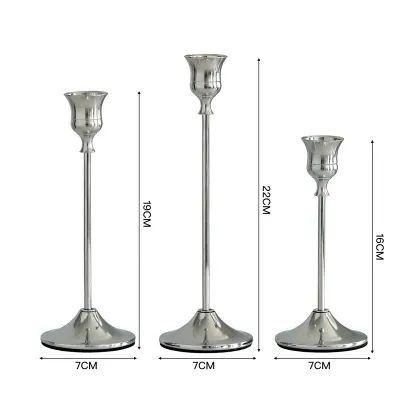
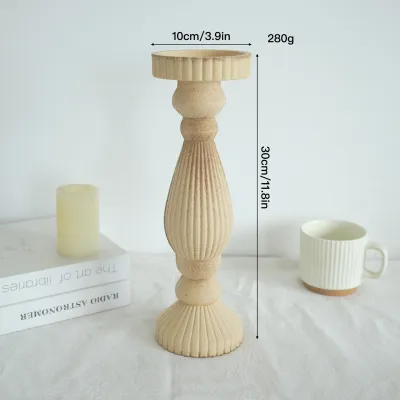
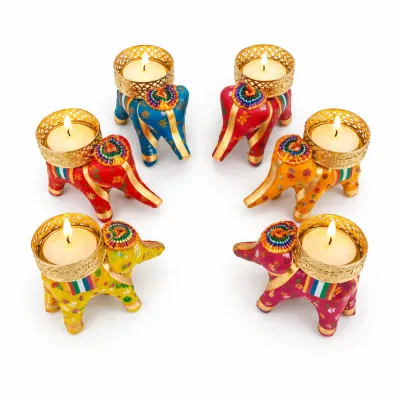
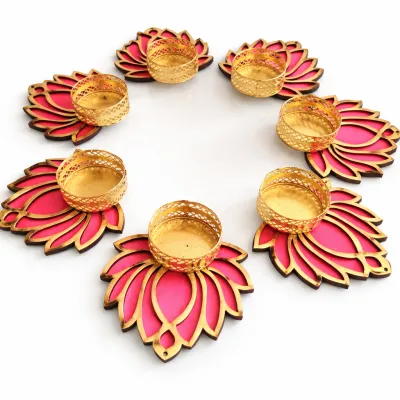
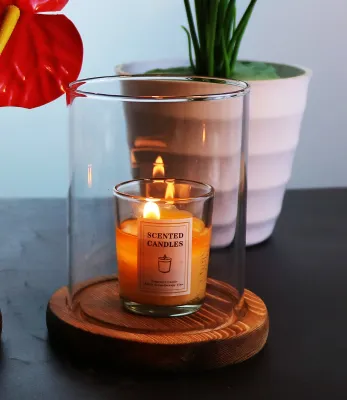
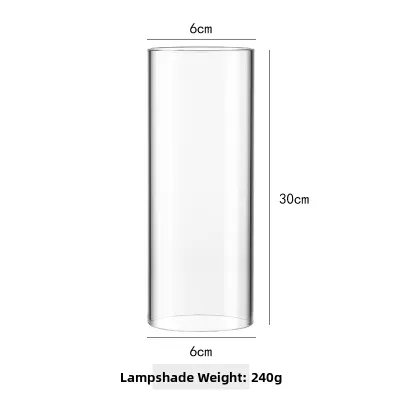

Prices are valid at publication and may change. Please refer to the product page for the latest price.
You must also determine the visual weight and focal points of the room to decide what role your candle holder decor should play. In a minimalist room with sparse decoration, a single, large ceramic candle holder can serve as a striking focal point. Conversely, in a richly decorated room with bold wallpaper or a large art piece, smaller, transparent glass holders might be more appropriate to avoid visual clutter. Deciding whether your candle holder should be a quiet accent or a dramatic statement piece prevents decorative competition within the space.
In compact urban homes, such as apartments or condominiums in Singapore, spatial constraints make visual weight even more critical. Large, bulky decor items can quickly overwhelm a small console table or a narrow entryway shelf. Selecting pieces with slender profiles or open, airy frames allows light to pass through, maintaining a sense of openness while still adding character to the room.
Match Candle Holder Design Elements to Decor Themes
Material and form serve as the primary bridge between a decorative object and the overarching theme of a room. By understanding how different textures and shapes evoke specific design eras, you can easily select pieces that feel intentional. The key lies in balancing contrast and harmony, ensuring that new additions feel integrated rather than out of place.

Modern and Minimalist Spaces
Modern and minimalist interiors thrive on simplicity, functionality, and uncluttered surfaces. To complement this aesthetic, look for candle holders that feature geometric shapes, sleek profiles, and completely unembellished surfaces. Think of cylinders, spheres, or sharp rectangular blocks that prioritize form over decorative detail. These clean lines help maintain the serene, orderly atmosphere characteristic of contemporary design.
Material selection is crucial for reinforcing a modern look. Polished metals, clear borosilicate glass, matte-finished ceramics, and cast concrete are excellent choices. A matte black ceramic taper holder or a solid concrete pillar stand adds subtle texture without introducing visual noise. Clear glass cylinders are also highly effective, as they protect the flame while remaining almost invisible, preserving the clean sightlines of the room.
Color schemes should remain strictly monochromatic or neutral to preserve visual calm. Stick to matte black, stark white, soft greys, or muted metallic tones like brushed nickel or chrome. If you wish to introduce color, opt for a single, solid hue that matches an existing accent in the room, such as a throw cushion or an art piece, rather than a multicolored or patterned holder.
Rustic, Farmhouse, and Vintage Styles
Rustic, farmhouse, and vintage design themes rely on warmth, texture, and a sense of history to create cozy, inviting spaces. For these environments, seek out candle holders crafted from natural, aged, or distressed materials. Wrought iron, reclaimed wood, terracotta, and antique brass with a natural patina are ideal choices that bring organic warmth into the home.
Look for irregular shapes, handcrafted details, and warm, earthy tones that suggest a story behind the object. Hand-carved wooden pillars, hand-thrown ceramic pots, or hammered metal lanterns showcase beautiful imperfections that align with rustic sensibilities. These textured surfaces catch the flickering candlelight in a way that smooth, machine-made objects cannot, enhancing the cozy ambiance.
To elevate a vintage or traditional theme, incorporate motifs like ornate scrollwork, ribbed glass, or classic chamberstick designs with finger loops. A distressed brass taper holder with a wide, dripping-pan base evokes a nostalgic, old-world charm. These pieces pair beautifully with classic beeswax tapers, adding a layer of timeless elegance to dining tables, mantelpieces, or bedside cabinets.
Industrial and Eclectic Interiors
Industrial and eclectic spaces offer more freedom to experiment with raw textures and unconventional pairings. Industrial design, heavily influenced by factories and warehouses, pairs naturally with utilitarian materials. Look for candle holders made from exposed black iron pipes, heavy concrete blocks, or thick, industrial-grade glass jars. These rugged materials ground the space and complement features like exposed brick walls or metal window frames.
Eclectic interiors, on the other hand, celebrate the art of curation and mixed styles. Here, you can employ creative mixing strategies, such as pairing highly contrasting textures or choosing bold, sculptural shapes. You might place a sleek, modern brass candle holder next to a rough, hand-carved stone piece. The contrast between smooth and rough, or shiny and matte, creates a dynamic visual dialogue that defines the eclectic aesthetic.
To maintain visual cohesion when combining disparate design elements, establish a unifying thread. This could be a consistent color palette, a shared material, or a uniform height profile across different styles. For example, you can mix a mid-century ceramic holder with a contemporary metal one, provided they both feature a similar matte black finish. This prevents the arrangement from looking chaotic or accidental.
Practical Considerations for Candle Holder Selection
While aesthetic alignment is essential, practical functionality and safety must guide your final decision. Start by evaluating the size and proportion of the candle holder relative to the furniture surface and the specific candle types you plan to use. A tiny tealight holder will look lost on a massive dining table, while a tall, heavy pillar stand might overcrowd a narrow floating shelf. Ensure the holder’s opening matches the diameter of your candles, whether they are standard tapers, wide pillars, or small tealights, to prevent unstable fits.
Stability and weight are critical safety factors, particularly in active households with pets or children. Choose candle holders with wide, heavy bases that lower the center of gravity and minimize the risk of accidental tipping. Lightweight plastic or thin metal holders can easily be knocked over by a draft or a passing pet. If you plan to place candles in high-traffic areas like entryways or hallways, opt for enclosed lanterns or deep hurricane glasses that shield the open flame.
Material heat resistance is another vital consideration to protect your home and furniture. Ensure the candle holder is constructed from non-combustible materials like metal, stone, ceramic, or tempered glass. The base of the holder should be thick enough to insulate the underlying furniture from thermal damage as the candle burns down. Additionally, look for designs with wide rims or integrated plates to catch melting wax drips, preventing permanent stains on wooden tables or delicate stone countertops.
In warm, humid tropical climates like Singapore, material durability is also influenced by environmental factors. Untreated iron or unsealed wood can degrade or rust quickly in high humidity. Opting for treated metals, glass, or sealed ceramics ensures your candle holder decor remains pristine over time without requiring intensive maintenance.
If you opt for electric candle warmers or LED candle holders instead of traditional open flames, always verify the voltage, base interface, wattage limits, and electrical certifications to ensure safe operation within your home’s electrical system.
Finally, align your selection with your lighting intent. If you seek ambient mood lighting for relaxation, choose frosted glass, perforated metal, or carved stone holders that diffuse the light and cast soft, intricate shadows. For functional task lighting, such as illuminating a dining table or a reading nook, clear glass hurricanes or open taper holders allow the maximum amount of light to shine through, providing a bright, clear glow.
Where to Source and Evaluate Candle Holders
Finding the right candle holder involves exploring diverse purchasing channels to match your specific style and budget. Local home decor boutiques are excellent for finding unique, curated pieces that reflect regional design trends. Online marketplaces and specialized home decor e-commerce platforms offer a vast array of options, allowing you to filter by material, style, and dimensions from the comfort of your home. For one-of-a-kind, handcrafted items, artisan markets and craft fairs connect you directly with local makers.
When shopping online, read product descriptions with meticulous care. Pay close attention to the exact dimensions, material composition, and net weight of the item. A product photo can often make a small tealight holder look like a substantial pillar stand, so verifying the physical measurements against your intended space is crucial. Checking the weight helps you assess the stability of the piece before it arrives.
Customer reviews and user-uploaded photographs are invaluable tools for verifying quality and style accuracy. Look for photos taken in natural lighting to see how the true colors, finishes, and textures compare to the polished studio images provided by the seller. Reviews often highlight practical details, such as whether a taper holder holds standard candles snugly or if the finish is prone to scratching.
Lastly, always check the return and exchange policies of the retailer before finalizing your purchase. Even with careful planning, a decorative object can look different under your home’s specific lighting conditions or may clash with your existing furniture. A flexible return policy mitigates this risk, allowing you to test the candle holder in your physical space and return or exchange it if the visual harmony is not quite right.
Frequently Asked Questions (FAQ)
Can I mix different candle holder styles in one room?
Yes, you can successfully mix different candle holder styles in a single room, provided you establish a clear unifying element to tie them together. This unifying factor could be a shared material, such as using various shapes of brass holders, or a consistent color scheme, like pairing matte black ceramic and black metal pieces. Mixing works exceptionally well in eclectic, transitional, or bohemian spaces where variety is celebrated. However, in highly minimalist or formal rooms, mixing too many disparate styles can create visual clutter and disrupt the intended sense of order.
How do I choose the right candle holder size for my dining table?
When selecting candle holders for a dining table, prioritize sightlines and table proportions. Ensure that tall taper or pillar holders do not obstruct the view across the table, allowing guests to converse comfortably without leaning sideways; keeping the flame either well below or well above eye level is a reliable rule of thumb. Scale the holders to match the table’s dimensions, using a single statement piece or a compact trio for smaller round tables, and a linear arrangement of multiple holders for long rectangular tables. Always leave ample space for serving dishes, glassware, and dinnerware to prevent the table from feeling cramped.
Community discussion
Share your experience or ask a question. Comments are reviewed before publication.