
Choosing candleholders that complement your home interior style requires balancing visual harmony with practical safety. Rather than viewing these accessories as mere functional supports, selecting them based on your existing decor aesthetic—such as minimalist, Scandinavian, industrial, or traditional—transforms them into intentional design statements. By matching the materials, silhouettes, and finishes of your candleholders to the dominant textures and lines of your rooms, you can create a cohesive atmosphere that elevates both daily living and special occasions.
Identify Your Core Interior Design Aesthetic
Before purchasing new decor accessories, take a structured look at the room where you plan to display them. Observe the dominant silhouettes of your large furniture pieces, such as the clean, low-profile lines of a modern sofa or the ornate, carved legs of a classic wooden dining table. Note the primary materials already present in the space, such as warm teak wood, polished chrome, matte black steel, or delicate glass. Identifying these existing elements establishes a clear baseline, helping you choose candleholders that feel integrated rather than out of place.
Next, categorize the primary design characteristics of your home. If your space features neutral color palettes, open layouts, and functional furniture, it likely aligns with minimalist or Scandinavian design. Homes with exposed brick, raw concrete, and dark metal accents lean toward an industrial aesthetic, while spaces filled with rich fabrics, symmetrical layouts, and detailed moldings represent traditional decor. Understanding these stylistic markers allows you to narrow down the vast array of candleholder designs available on the market.
Products mentioned in this guide
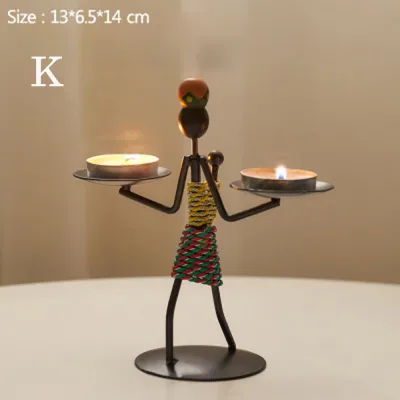
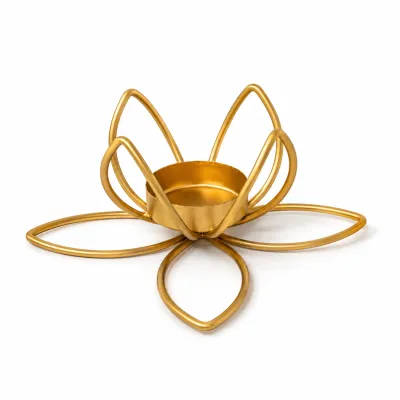
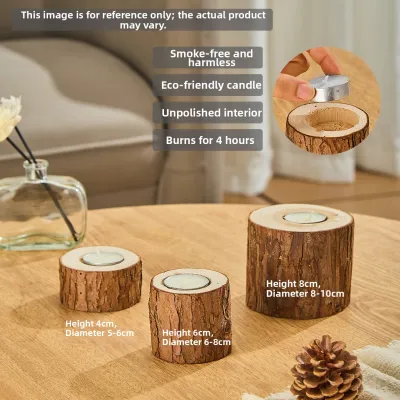
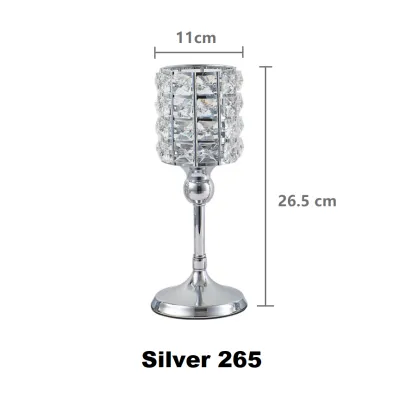
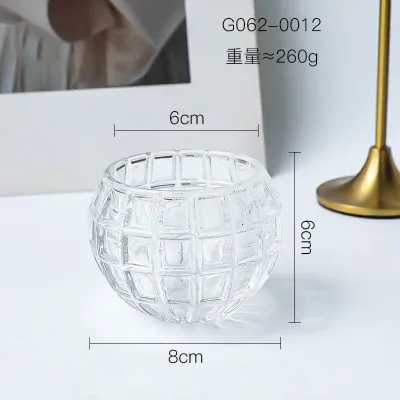
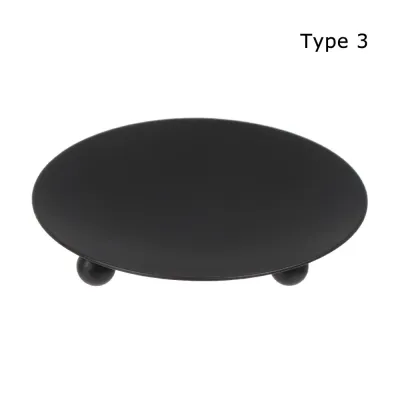
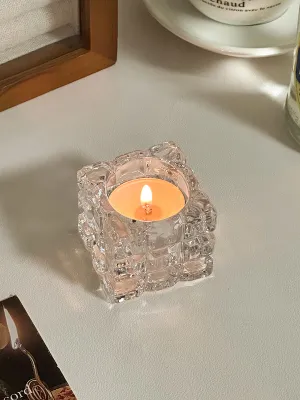
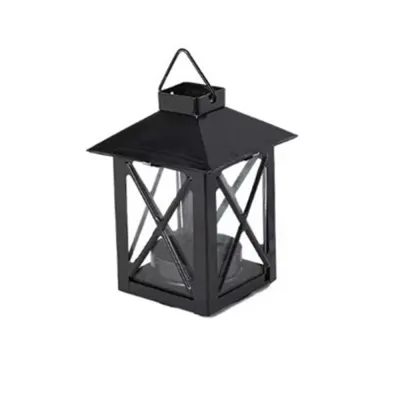
Prices are valid at publication and may change. Please refer to the product page for the latest price.
Finally, determine whether your home follows a single, highly cohesive style or a more eclectic, blended approach. In a strictly minimalist HDB flat or condominium, introducing a highly ornate, polished brass candelabra might create visual friction that disrupts the calm atmosphere. Conversely, in an eclectic or transitional space, mixing different design eras can add character and depth. Deciding how closely you want to adhere to a single aesthetic will guide whether you search for exact stylistic matches or complementary accent pieces.
Match Candleholder Styles to Popular Home Aesthetics
For minimalist and Scandinavian interiors, simplicity and functionality are paramount. Look for candleholders featuring clean geometric shapes, such as perfect cylinders, spheres, or slim, unadorned stems. Materials like light-toned ceramics, matte-finished metals, and clear borosilicate glass work exceptionally well in these spaces. These materials reflect natural light during the day without drawing excessive attention to themselves, maintaining the airy, uncluttered feel characteristic of Nordic-inspired Singaporean homes. Avoid intricate engravings, filigree, or highly reflective multi-faceted crystals that can clutter the visual plane.

Industrial decor thrives on raw, unfinished textures and utilitarian forms. When selecting candleholders for an industrial-themed space, prioritize materials like cast iron, distressed copper, heavy concrete, or dark steel. Designs that incorporate mechanical elements, such as pipe-like structures, exposed threads, or heavy-duty bolts, reinforce this rugged aesthetic. A heavy concrete block tealight holder or a dark iron taper holder adds a grounded, tactile quality to a wooden dining table or a metal sideboard, perfectly complementing the raw architectural features of the room.
Traditional and classic interiors call for timeless elegance, symmetry, and rich materials. Polished brass, fine crystal, carved porcelain, and heavy marble are excellent choices for these spaces. Look for classic silhouettes like baluster-shaped candlesticks, multi-armed candelabras, or hurricane lamps with decorative metal bases. These designs pair beautifully with formal dining setups and dark wood furniture, adding a sense of warmth and historical charm. The reflective surfaces of polished metals and cut crystal also help catch and scatter candlelight, creating a soft, inviting glow.
Modern and contemporary aesthetics allow for more artistic freedom, often featuring bold, sculptural forms and unexpected materials. Look for asymmetrical candleholders, tinted or iridescent glass, and highly polished chrome or brushed gold finishes. In these spaces, a candleholder can double as a standalone art piece even when the candle is unlit. Think of abstract ceramic loops, interlocking metal rings, or monolithic stone blocks that challenge traditional shapes. These statement pieces work well on minimalist coffee tables or entryway consoles, serving as conversation starters.
Evaluate Practical Features and Safety Constraints
While visual appeal is crucial, a candleholder must be fundamentally safe and compatible with your chosen candles. Always verify the physical dimensions of the holder’s socket or platform against the candles you intend to burn. Taper candles require a secure, snug fit within the socket—typically around 2 to 2.2 centimeters in diameter—to prevent them from leaning or falling over. For pillar candles, ensure the platform is slightly wider than the candle’s diameter to catch any melting wax, and check that the surface is completely flat to keep the candle upright.
Material heat resistance and structural stability are vital safety considerations, especially for candles that burn for several hours. Non-flammable materials such as stone, ceramic, metal, and thick glass are standard for a reason. If you choose wooden or composite candleholders, ensure they feature a metal or glass insert where the candle flame or hot wax makes direct contact. Additionally, assess the weight distribution of the holder; a top-heavy design or a narrow base can easily tip over if bumped, posing a serious fire hazard.
In busy households, particularly those with young children or active pets, stability features require extra attention. Look for candleholders with wide, heavy bases that lower the center of gravity. Many high-quality designs feature non-slip felt or rubber pads on the bottom, which not only prevent the holder from sliding on smooth glass or polished wooden tables but also protect your furniture from scratches. If you plan to place candles in high-traffic areas, consider enclosed hurricane lanterns with glass chimneys that shield the open flame from drafts and accidental contact.
Finally, consider the maintenance and cleaning requirements of different materials. In Singapore’s humid tropical climate, certain metals like unlacquered brass may tarnish faster, making easy-to-clean or pre-sealed materials highly practical. Porous surfaces like raw concrete, unglazed ceramic, and untreated wood can permanently absorb dripping wax, leading to unsightly stains that are difficult to remove. If you prefer these textured materials, look for designs with protective sealants or use drip-less candles to minimize cleanup. Non-porous materials like glazed ceramic, polished metal, and tempered glass are much easier to clean, allowing you to restore their original appearance with simple household methods.
Plan Placement and Spatial Proportions
To ensure your candleholders enhance your home rather than cluttering it, carefully plan their placement and scale relative to your furniture. Measure the surface area of your target location, whether it is a long dining table, a narrow entryway console, or a compact coffee table. A massive, multi-armed candelabra can overwhelm a small coffee table, leaving little room for other essentials, while a tiny tealight holder may look lost on a grand dining table. Aim for a balanced proportion where the decor accessories occupy no more than one-third of the available surface area.
When grouping multiple candleholders together, apply the design principle of varying heights to create visual depth and movement. Instead of placing three identical holders in a straight line, select a coordinated set of three different heights—such as low, medium, and tall. This staggered arrangement draws the eye across the display and prevents the setup from looking flat or clinical. You can achieve this effect using a matching set of taper holders or by mixing different sizes of pillar candles on flat stone trays.
Consider how the surrounding light interacts with your chosen materials. In dimly lit corners or rooms with limited natural light, candleholders made of mirrored glass, polished brass, or faceted crystal can amplify the soft glow of a flame by reflecting it across the room. In bright, sunlit spaces, matte ceramics and dark metals provide a striking contrast against light-colored walls. Positioning candleholders near mirrors or on reflective trays can also double the visual impact of the flickering light, making the space feel larger and more atmospheric.
Before purchasing, decide whether you need a single statement piece or a coordinated set. A single, large sculptural candleholder works beautifully as a focal point on a sideboard or mantelpiece, requiring no additional styling. On the other hand, if you are styling a long dining table for dinner parties, a series of smaller, matching taper holders spaced evenly along a table runner creates a classic, balanced look. Planning your arrangement beforehand prevents over-purchasing and ensures every piece has a clear purpose.
Create Your Candleholder Shopping Checklist
To make an informed decision when browsing online marketplaces or local home decor boutiques, use this practical checklist to verify each option:
- Style Consistency: Does the material, color, and finish complement your existing furniture and color palette?
- Size and Proportion: Have you measured the height and base diameter to ensure it fits comfortably on your designated surface without crowding?
- Candle Compatibility: Does the holder match the specific candle type (taper, pillar, or tealight) and dimensions you plan to use?
- Stability and Weight: Is the base heavy and wide enough to prevent tipping, and does it feature protective padding to prevent scratches?
- Material and Maintenance: Is the material heat-resistant, and is it easy to clean if wax drips onto the surface?
Frequently Asked Questions (FAQ)
Can I mix different candleholder styles in the same room?
Yes, you can mix different candleholder styles in the same room, provided you maintain a unifying element to prevent the space from looking chaotic. To achieve visual cohesion, try grouping holders that share a common material, such as pairing a modern brass geometric holder with a traditional brass candlestick. Alternatively, you can mix different materials like ceramic and glass if they share a similar color palette or geometric shape language. Keeping at least one design variable consistent allows you to create an eclectic yet curated display.
How do I remove melted wax from a decorative candleholder?
The safest method for removing melted wax depends on the material of your candleholder, but you should always avoid using sharp metal tools that can scratch the surface. For non-porous materials like glass, glazed ceramic, or sturdy metal, placing the holder in the freezer for a few hours causes the wax to shrink and harden, allowing it to pop off easily with gentle pressure. For stubborn residue, washing the holder with warm, soapy water and a soft microfiber cloth will dissolve the remaining wax without damaging the finish. For delicate or porous materials, consult the manufacturer’s care instructions to avoid staining.
Community discussion
Share your experience or ask a question. Comments are reviewed before publication.