
Finding the right scent refill for your room spray device in Singapore requires a systematic approach. It is not just about choosing a pleasing aroma; it is about matching the specific mechanical requirements of your device, verifying ingredient safety for indoor air quality, and ensuring the brand has reliable local availability. In Singapore’s humid climate, where homes range from compact HDB flats to spacious condominiums, selecting the correct refill format ensures both safety and optimal fragrance dispersion. This guide outlines how to evaluate device compatibility, assess ingredient safety, verify brand transparency, and calculate long-term cost efficiency.
Match Your Device Mechanism to the Correct Refill Format
Before exploring different scent refill brands, you must identify the exact mechanical and physical specifications of your room spray or diffusion device. Room scenting appliances operate on vastly different principles, and using an incompatible refill can lead to leaks, device damage, or even electrical hazards. The most common categories of devices found in Singaporean households include plug-in heated warmers, ultrasonic mist diffusers, automatic aerosol dispensers, and manual pump sprays. Each of these requires a distinct formulation and physical container design.
Plug-in warmers rely on a heating element to warm a wick saturated with fragrance oil, slowly releasing the scent into the air. For these devices, the physical interface is critical. You must check the bottle’s neck diameter, thread pitch, and the length of the integrated wick against your device’s manual. A wick that is too short will not reach the bottom of the bottle, leaving unused oil, while a wick that is too long or thick may jam the heating assembly. Furthermore, because these devices use heat, the refill liquid must have a specific flashpoint and viscosity to prevent overheating or scorching.
Products mentioned in this guide
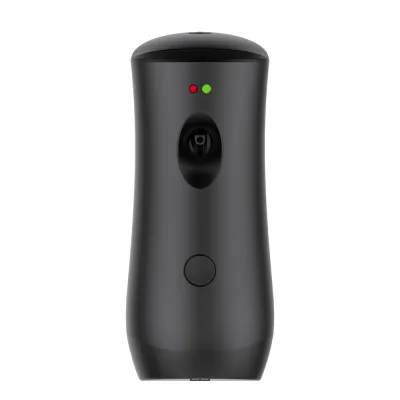
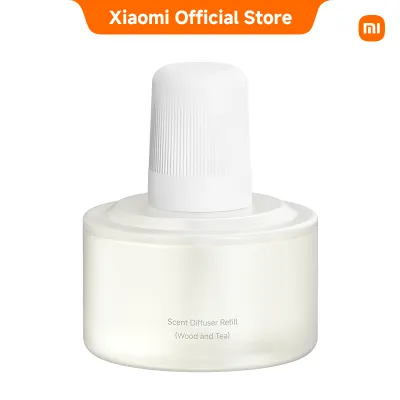
Prices are valid at publication and may change. Please refer to the product page for the latest price.
Ultrasonic mist diffusers, on the other hand, use a small vibrating plate to create a fine mist of water and oil. These devices typically require highly concentrated, water-soluble scent refills or pure essential oils. If you attempt to use a heavy, oil-based refill designed for a plug-in warmer in an ultrasonic diffuser, the oil will not mix with the water and will quickly clog the ultrasonic transducer, rendering the device useless. Conversely, automatic aerosol dispensers use pressurized canisters with a specific nozzle height and collar diameter. Even a millimeter of variance in the canister neck can prevent the mechanical actuator from depressing the nozzle, resulting in a jammed device or a continuous, uncontrolled spray.
Finally, always verify the electrical specifications of any powered device before inserting a new refill. Singapore operates on a 230V electrical grid at 50Hz, utilizing Type G plugs. If you are using an imported plug-in warmer or electronic diffuser, ensure it is rated for this voltage or paired with a certified voltage converter. Using a refill with an incorrect chemical composition in a heated device that is running on incompatible voltage can significantly increase the risk of electrical malfunction. Always consult the manufacturer’s manual to confirm the exact physical dimensions and liquid specifications required for safe operation.
Evaluate Fragrance Ingredients and Indoor Safety Standards
Once you understand your device’s mechanical requirements, the next step is to evaluate the chemical composition of the scent refills. Fragrance liquids generally fall into two categories: essential oil-based formulations and synthetic fragrance oils. Essential oils are extracted directly from plants and offer natural, complex aromas, but they can be highly volatile and inconsistent in viscosity. Synthetic fragrance oils are engineered in laboratories to provide highly stable, long-lasting scents with a wide variety of notes that cannot be easily extracted from nature.

When choosing between these options, safety and transparency should be your primary concerns. Trustworthy brands provide clear ingredient lists or make their Safety Data Sheets (SDS) readily available to consumers. This documentation is vital for identifying potential allergens, such as linalool, limonene, or citral, which can trigger respiratory irritation or skin sensitivities. In Singapore, where many households keep windows closed to run air conditioning during hot afternoons, these airborne compounds can accumulate quickly in enclosed spaces, making ingredient transparency even more critical for maintaining healthy indoor air quality.
Pet owners must exercise extreme caution when selecting scent refills. Many common essential oils and synthetic fragrance compounds are highly toxic to dogs and cats. For example, tea tree, eucalyptus, peppermint, citrus, and ylang-ylang oils can cause severe adverse reactions in pets if inhaled or absorbed through their skin. When reviewing refill ingredients, look for formulations that are explicitly labeled as pet-safe, or cross-reference the ingredient list with veterinary safety databases. If a brand does not disclose its full ingredient list, it is best to avoid using it in a household with animals.
Additionally, verify that the scent refill complies with international consumer safety standards, such as those established by the International Fragrance Association (IFRA). IFRA-compliant brands adhere to strict limits on the concentration of specific chemical compounds to ensure they are safe for continuous inhalation. In Singapore’s humid environment, high humidity can interact with volatile organic compounds (VOCs) in the air, potentially exacerbating respiratory conditions like asthma. Choosing refills that are certified free of phthalates, parabens, and formaldehyde helps protect your household’s long-term health.
Verify Brand Transparency and Local Purchasing Channels
Evaluating a brand’s manufacturing standards and supply chain transparency is essential for ensuring you receive a high-quality, safe product. Reputable scent refill manufacturers print clear batch numbers, manufacturing dates, and detailed usage instructions on their packaging. This level of detail indicates that the brand conducts regular quality control and batch testing, ensuring that the fragrance concentration and chemical stability remain consistent from one bottle to the next. Avoid unbranded or generic refills sold without clear manufacturer contact information, as these products often bypass safety testing and may contain low-grade industrial solvents.
The availability of reliable local purchasing channels is another crucial factor to consider. In Singapore, you can source scent refills from official brand websites, established home goods retailers, and reputable online marketplaces. Purchasing directly from authorized distributors or well-known local retailers guarantees that you are buying genuine products rather than counterfeit goods, which may contain hazardous ingredients. Furthermore, established local channels make it much easier to return defective items or seek customer support if a refill does not fit your device.
Singapore’s tropical climate presents unique challenges for the storage and transportation of fragrance refills. High ambient temperatures and direct sunlight can rapidly degrade fragrance oils, causing the top notes to break down and leaving the liquid with a rancid, sour, or significantly weakened aroma. When purchasing online, consider the shipping conditions and delivery times. Brands that ship from local, climate-controlled warehouses or offer fast, direct local delivery are preferable to those shipping via slow international surface mail, where packages may sit in hot cargo containers for weeks. Ensuring your refills are stored and transported in cool conditions preserves the integrity of the scent.
Calculate True Cost Efficiency and Scent Longevity
To determine the true value of a scent refill brand, you must look beyond the initial retail price and calculate its long-term cost efficiency. A low-cost refill that evaporates within a week can quickly become more expensive over a year than a premium, highly concentrated refill that lasts for two months. To make an accurate comparison, calculate the cost per milliliter or the estimated cost per week of continuous use in S$, based on the manufacturer’s stated lifespan and your device’s consumption rate.
In Singapore, local environmental factors play a significant role in how quickly a refill is consumed. The rate of evaporation is heavily influenced by room size, ventilation, and your device’s intensity settings. For instance, if you place a plug-in warmer in a typical HDB living room with open windows and a ceiling fan running, the rapid airflow will disperse the scent quickly, requiring you to run the device on a higher setting and accelerating refill consumption. Conversely, in a closed, air-conditioned bedroom or study, the fragrance will linger in the air for much longer, allowing you to use the lowest intensity setting and significantly extend the lifespan of the refill.
When balancing upfront costs with replacement frequency, consider the “scent throw” of the refill—the distance and strength with which the fragrance travels. A premium refill formulated with high-quality, concentrated oils will have a strong throw, meaning a single device can effectively scent a large, open-plan living and dining area. A cheaper, highly diluted refill may only be noticeable within a few feet of the device, forcing you to purchase multiple units or run them constantly to achieve the same effect. Investing in a brand with superior scent throw often results in lower overall consumption and better cost efficiency over time.
Troubleshoot Weak Scent Throw and Fitment Issues
Even when you choose a high-quality scent refill, you may occasionally encounter performance issues such as a weak scent throw or physical fitment problems. If the fragrance seems faint, start by checking the physical condition of the refill and device. For wick-based plug-in warmers, ensure the wick is fully saturated and has not dried out or become clogged with airborne dust. If you are using an ultrasonic diffuser, clean the vibrating plate with a cotton swab dipped in rubbing alcohol to remove any oily residue that might be dampening the vibrations and reducing mist output.
Device placement and room airflow patterns also have a major impact on scent dispersion. Avoid placing your room spray device directly under or next to an air conditioning return vent, as the intake air will pull the fragrance out of the room before it has a chance to circulate. Instead, position the device near natural cross-ventilation paths, such as adjacent to a hallway or slightly away from a window, allowing the natural movement of air to carry the scent throughout the space. Additionally, ensure the device is placed at an appropriate height—usually waist to shoulder level—so the fragrance can disperse evenly rather than settling immediately on the floor.
If you experience leaking, pooling, or a loose fit when installing a new refill, do not attempt to force the cartridge into place. A poorly fitting refill can leak liquid fragrance onto the plastic housing of your device. Over time, the concentrated oils can chemically react with the plastic, causing it to warp, crack, or degrade, which can ruin the device and create an electrical hazard. Always double-check the exact neck diameter and thread specifications of the bottle. If a refill causes a burning smell, unusual sputtering, or leaves a sticky residue on nearby walls or furniture, stop using it immediately, unplug the device, and consult the manufacturer’s troubleshooting guidelines.
Frequently Asked Questions (FAQ)
Can I use pure essential oils in any room spray device?
No, pure essential oils should not be used in devices that are not specifically designed for them. Many automatic room spray dispensers, plug-in warmers, and piezoceramic atomizers require specific carrier solvents to maintain the correct viscosity and flashpoint. Pure essential oils are often too thick or highly concentrated, which can clog fine spray nozzles, corrode plastic components, or damage ultrasonic plates. Always check your device manual to see if it supports pure oils or if it requires pre-formulated, diluted refills.
How do I safely dispose of empty scent refill bottles?
To safely dispose of empty scent refill bottles in Singapore, first ensure they are completely empty. If the container is made of glass or recyclable plastic, rinse out any residual fragrance oil with warm, soapy water to prevent contamination during the recycling process. Once cleaned, place the glass bottles or plastic cartridges into the blue recycling bins found at HDB estates or designated recycling points in condominiums. For pressurized aerosol canisters, ensure they are completely empty before disposal, and follow local waste management guidelines, as partially full canisters can pose a safety hazard.
Are there pet-safe scent refill options available?
Yes, there are pet-safe scent refill options, but you must carefully evaluate the ingredients. Many common fragrance components, particularly essential oils like tea tree, peppermint, pine, ylang-ylang, and cinnamon, are toxic to dogs and cats whether inhaled or absorbed through the skin. Look for brands that explicitly formulate pet-friendly lines or provide full ingredient transparency. Always consult your veterinarian if you are unsure about a specific scent, and ensure the room spray device is placed in a well-ventilated area where your pets can easily leave the room if the fragrance becomes too strong.
Community discussion
Share your experience or ask a question. Comments are reviewed before publication.