
Choosing the perfect cushion covers is one of the fastest and most cost-effective ways to refresh your living space. However, achieving a professional, cohesive look requires more than simply picking patterns you like in a store. To select cushion covers that seamlessly elevate your home, you must systematically evaluate your room’s existing design style, establish a balanced colour palette, mix textures and patterns with deliberate scale, and choose the correct dimensions for your furniture. By aligning these elements, you can transform a disjointed room into a beautifully curated space.
Assess Your Existing Space and Interior Style
Before browsing online marketplaces or visiting local decor boutiques, take a step back to evaluate the room you want to refresh. Cushion covers should never exist in a vacuum; they must dialogue with the architectural features and furniture pieces already in place. Introducing a style that directly conflicts with your room’s established foundation can make the space feel chaotic and disorganized.
Identify Your Core Design Theme
Observe the dominant design language of your room. If your space features low-profile furniture, clean lines, and a neutral palette, your style leans toward minimalist or Scandinavian. A home with tapered wooden legs, organic curves, and warm wood tones fits the mid-century modern aesthetic. Meanwhile, spaces with rattan accents, light fabrics, and lush indoor plants evoke a tropical or coastal vibe. Understanding this theme helps you narrow down fabric choices and print styles that naturally belong in the room.
Products mentioned in this guide
![[V.Home] Throw Pillows/Cushion Case/4 sizes available/Indoor Decoration Cushion Pillow](https://img.lazcdn.com/g/p/7b0bca45b51dd8b3fca4a548ca000357.jpg_400x400q80.jpg_.webp)
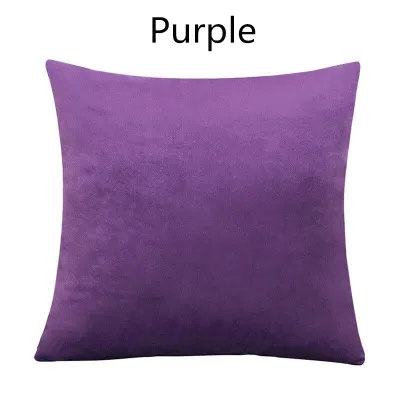
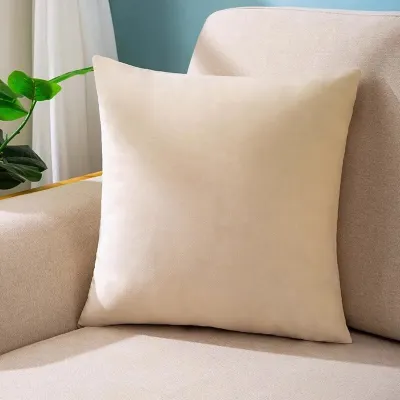
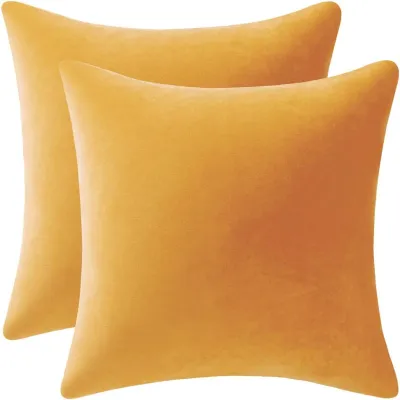
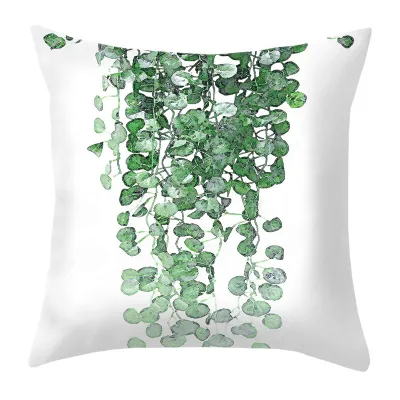
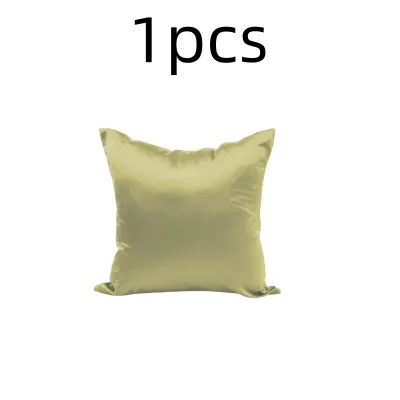
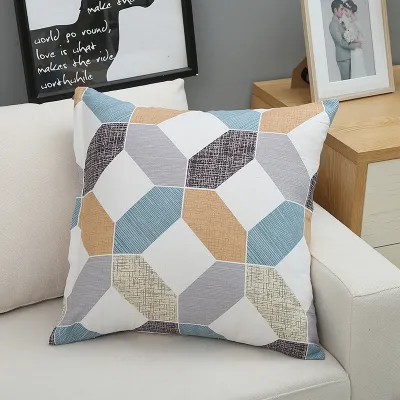
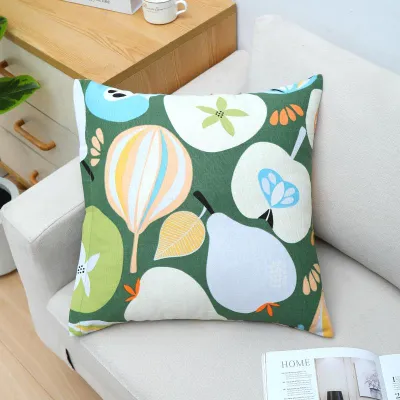
Prices are valid at publication and may change. Please refer to the product page for the latest price.
Take Inventory of Fixed Elements
Look closely at the elements in your room that are expensive or impossible to change. This includes your wall paint, flooring (such as polished marble, warm parquet, or light oak vinyl), built-in carpentry, and the upholstery of your sofa or armchair. Your new cushion covers must complement these foundational elements. For instance, a cool grey fabric sofa will require a different undertone of cushion covers than a warm, camel-coloured leather couch.
Document and Visualize Your Space
To avoid making impulsive purchases that look different in your living room than they did in the store, take well-lit photos of your space from multiple angles. Capture how natural daylight filters through your windows at different times of day. You can also create a simple digital mood board by saving images of cushion covers next to a photo of your actual sofa. This visual check ensures that the colors and patterns harmonize before you make a commitment.
Build a Cohesive Colour Palette
Colour is the first thing the eye registers when entering a room. Establishing a clear, intentional colour scheme prevents your cushion arrangements from looking cluttered or accidental. Whether you want a serene, calming environment or a vibrant, energetic space, a structured approach to colour is essential.

Apply the 60-30-10 Design Rule
In interior design, a balanced room typically follows the 60-30-10 rule:
- 60% Dominant Colour: This is the background colour of the room, usually represented by the walls, large flooring areas, or massive built-in cabinetry.
- 30% Secondary Colour: This colour is found in large furniture pieces, curtains, area rugs, or prominent accent walls.
- 10% Accent Colour: This is where your cushion covers, small decor objects, and throw blankets shine.
Cushion covers are the ultimate tool for delivering that final 10% accent. They allow you to introduce bold, eye-catching hues without overwhelming the entire room.
Extract Accents From Your Room's Details
To make your cushion covers feel integrated, pull colours from existing decorative elements in the room. Look at a piece of hanging artwork, the pattern of your curtains, or the subtle weave of an area rug. Select one or two colours from these items and replicate them in your cushion covers. This simple repetition creates a visual bridge, making the entire room feel cohesive and professionally styled.
Monochromatic Layering vs. Bold Contrast
Decide whether you want to build depth through subtle variations or high-contrast statements. Monochromatic layering involves selecting cushion covers in different shades, tones, and tints of the same colour family—such as pairing olive, sage, and forest green cushions on a neutral sofa. High-contrast colour blocking, on the other hand, pairs complementary opposites, such as placing rich navy blue and burnt orange cushions on a cream-coloured sectional to create a dynamic focal point.
Balance Busy Spaces with Neutrals
If your room already features brightly painted walls, patterned wallpaper, or a boldly coloured sofa, your cushion covers should act as a grounding element. Opt for high-quality neutral-toned covers in shades of beige, cream, soft grey, or charcoal. These neutral anchors give the eyes a place to rest, preventing the room’s bold design elements from competing with one another for attention.
Mix Patterns and Textures Without Clashing
Combining different prints and fabric textures adds sophisticated depth and tactile interest to your seating. However, mixing patterns can easily go wrong if you do not vary their scale or balance them with solid colours.
Master the Rule of Three for Patterns
When mixing patterns on a single sofa or bed, a reliable designer formula is the “rule of three.” This approach combines three distinct patterns of varying scales:
- One Large-Scale Pattern: This is your primary statement print, such as a bold botanical, a large geometric pattern, or wide stripes.
- One Medium-Scale Pattern: This should feature a different style of print, such as a medium-sized ikat, a classic plaid, or a delicate trellis pattern.
- One Small-Scale Pattern: This serves as a subtle texture-like print, such as a micro-check, a fine dot pattern, or a tight herringbone.
To ensure these patterns do not clash, keep them within the same colour family and separate them using solid-coloured cushions.
Balance Complex Prints with Solid Anchors
Never crowd multiple intricate patterns directly next to each other. Every patterned cushion should be paired with or placed next to a solid-coloured cushion. The solid cushion acts as a visual buffer, allowing the beauty of the patterned print to stand out without creating visual chaos.
Select Textures Suited for Comfort and Climate
Texture influences both the visual weight of a room and how comfortable it feels. For a relaxed, casual, or coastal aesthetic, opt for matte textures like washed linen, organic cotton, and flat weaves. If you prefer a formal, luxurious, or mid-century modern look, introduce rich textures like velvet, chenille, or high-quality faux leather. Mixing these textures—such as placing a rough linen cushion next to a smooth leather one—creates a rich, tactile experience.
Prioritise Climate-Appropriate Fabrics
When selecting fabrics, it is crucial to consider your local climate. In tropical regions like Singapore, high humidity is a constant factor. Heavy, non-breathable synthetic fabrics can trap heat and moisture, making them feel sticky and uncomfortable against the skin during warm afternoons. Furthermore, damp air can cause non-breathable fabrics to harbor musty odors or mold.
For everyday comfort, prioritize breathable, moisture-wicking materials like pure cotton, linen, or high-quality cotton-linen blends. These natural fibers allow air to circulate freely, stay cool to the touch, and are far easier to wash and dry. If you do choose heavier fabrics like velvet, ensure they are reserved for rooms with consistent air conditioning or low-use decorative accent chairs.
Choose the Right Sizes and Shapes for Your Furniture
Even the most beautiful cushion cover will look awkward if its dimensions are disproportionate to the furniture it sits on. Selecting the right sizes and shapes ensures your arrangement looks balanced and feels physically comfortable.
Match Cushion Dimensions to Furniture Scale
Standard square cushion covers typically range from 40×40 cm to 60×60 cm. The size you choose should match the scale of your furniture:
- Deep Sectionals and Large Sofas: These deep seats require larger covers, such as 50×50 cm or 60×60 cm. Smaller cushions will get lost in the depth of the sofa and fail to provide adequate back support.
- Compact Sofas and Loveseats: Standard 45×45 cm covers work beautifully here, providing comfort without overtaking the seating area.
- Armchairs and Accent Chairs: A single 40×40 cm or 45×45 cm cushion is ideal for smaller chairs, ensuring guests still have plenty of room to sit comfortably.
Combine Shapes to Break Visual Monotony
Using only square cushions can make an arrangement look rigid and uninspired. Introduce variety by incorporating different shapes. Rectangular lumbar cushions (such as 30×50 cm) are excellent for placing in front of larger square cushions. They provide crucial lower-back support while breaking up the repetitive vertical lines of your furniture. Round cushions can also be introduced to soften the hard angles of modern, linear sofas.
Pair Covers with the Correct Insert Sizes
To achieve a plump, high-end look, always use a cushion insert that is slightly larger than your cushion cover. If you put a 45×45 cm insert into a 45×45 cm cover, the corners will often look empty, and the cushion will appear flat and deflated. Instead, choose an insert that is 5 cm larger than the cover. For example, pair a 45×45 cm cushion cover with a 50×50 cm insert. This simple trick ensures the cover is fully filled out, creating a structured, luxurious finish.
Arrange and Layer Cushions for a Polished Finish
Once you have selected your colours, patterns, sizes, and shapes, the final step is physical styling. How you arrange your cushions on your sofa or bed determines whether the final look feels professional or messy.
Layer from Back to Front
When styling a sofa, always layer your cushions from the outside in and from largest to smallest. Start by placing your largest, most structured solid-coloured cushions in the back corners of the sofa. Next, layer your medium-sized patterned cushions slightly forward and toward the center. Finally, place your smallest accent cushions, such as a textured lumbar or a round cushion, directly in front. This depth-building technique guides the eye naturally across the arrangement.
Symmetrical vs. Asymmetrical Styling
Your arrangement style should match the overall vibe of your home:
- Symmetrical Arrangements: Place identical cushion setups on both ends of the sofa (e.g., two large grey squares, followed by two medium blue patterns). This creates a balanced, formal, and traditional aesthetic.
- Asymmetrical Arrangements: Use an odd number of cushions (such as three or five) distributed unevenly across the sofa. You might place a cluster of three cushions on one side and a single contrasting cushion on the other. This approach feels modern, relaxed, and lived-in.
The "Karate Chop" and Everyday Usability
To give your living room an inviting, styled feel, use the classic interior design “karate chop” technique. Gently strike the top center of the cushion with the side of your hand to create a soft indentation. This styling trick works beautifully on natural down, feather, or high-quality microfiber inserts wrapped in flexible fabrics like linen or soft cotton. It does not work well on stiff, over-stuffed polyester fiberfill inserts, which will simply bounce back.
While styling is important, never sacrifice daily usability. Avoid overcrowding your furniture with so many cushions that guests have to pile them on the floor just to sit down. Leave ample seating space so your home remains practical and welcoming.
Avoid Common Cushion Styling Mistakes
To ensure your styling efforts are successful, keep these common pitfalls in mind when shopping for and arranging your new cushion covers.
Overcrowding and Proportional Mismatches
One of the most frequent mistakes is buying too many cushions. A standard three-seater sofa rarely needs more than five cushions, while a two-seater sofa is best styled with three. Additionally, pay close attention to scale. Placing massive 60×60 cm cushions on a delicate, low-backed mid-century modern sofa will overwhelm the furniture’s proportions and make the entire room look smaller.
Clashing Undertones and Maintenance Oversight
Always check the undertones of your neutral cushion covers. Mixing warm, yellow-based creams with cool, blue-based greys can make the warm tones look dirty or the cool tones look clinical. Always examine your fabric choices under natural daylight before making a final decision, as artificial showroom lighting can distort colours.
Finally, do not overlook maintenance. Before purchasing any cushion cover, check the care label and manufacturer’s washing instructions. In humid climates, cushion covers require regular washing to stay fresh. If you have a busy household with pets or young children, prioritize machine-washable cotton or linen covers with durable, hidden zippers over delicate, dry-clean-only fabrics.
Community discussion
Share your experience or ask a question. Comments are reviewed before publication.