
To find the most energy-efficient outdoor solar lantern for Singapore’s tropical climate, you must look beyond basic aesthetic designs and focus on how different brands engineer their solar panels, batteries, and power management systems. Singapore experiences high humidity, sudden downpours, and prolonged overcast periods, especially during the monsoon seasons. Selecting a reliable solar lantern outdoor setup requires verifying specific technical standards rather than relying on generic marketing claims. The key lies in choosing high-efficiency monocrystalline panels, robust lithium-based batteries, and appropriate weatherproofing that can withstand local environmental stressors. By understanding how these components interact, you can make an informed purchasing decision that ensures your outdoor spaces remain beautifully illuminated throughout the year, regardless of the weather.
Understanding Solar Efficiency in Cloudy and Rainy Conditions
Solar panels operate by converting sunlight into electrical energy, a process that is highly dependent on the intensity and quality of light hitting the photovoltaic cells. In Singapore, where cloud cover is frequent and heavy rainstorms can occur suddenly, the type of solar panel technology used in an outdoor lantern is the single most important factor determining its efficiency. There are two primary types of solar panels found in consumer outdoor lighting: monocrystalline and polycrystalline.
Monocrystalline panels are constructed from a single, pure crystal of silicon. This uniform structure allows electrons to flow with minimal resistance, resulting in a significantly higher energy conversion rate compared to other technologies. In practical terms, high-quality monocrystalline panels can convert up to 22% of sunlight into usable electricity. More importantly for tropical climates, monocrystalline cells perform much better in low-light and diffused sunlight conditions. When thick clouds block direct sunlight, these panels can still harvest a small but meaningful amount of energy from ambient light, keeping the battery topped up.
Products mentioned in this guide
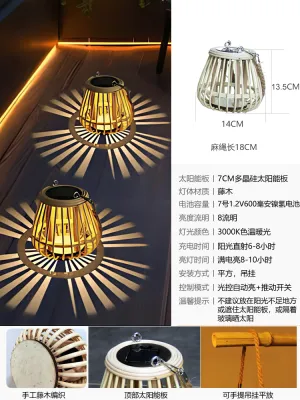
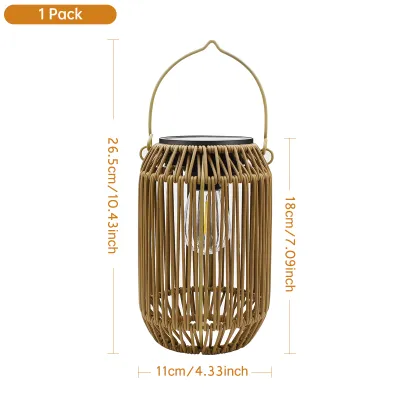
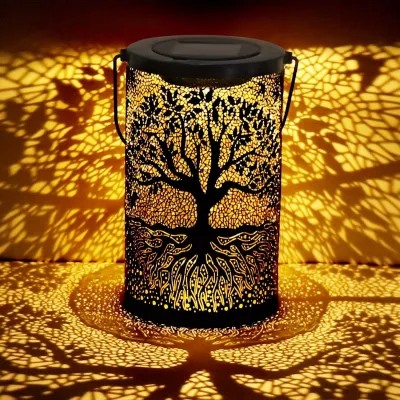
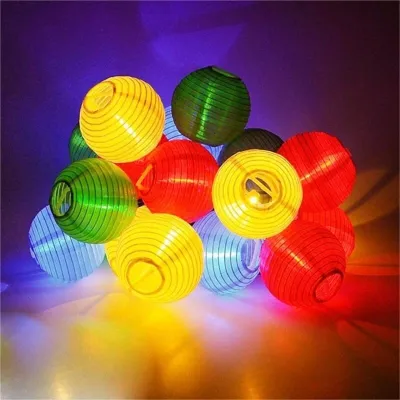
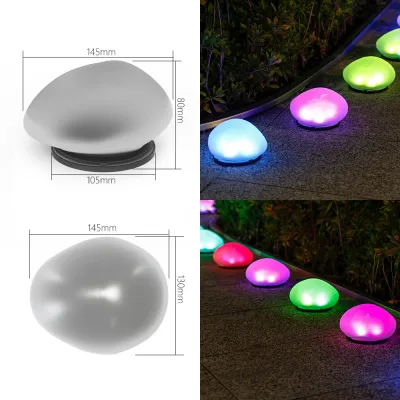
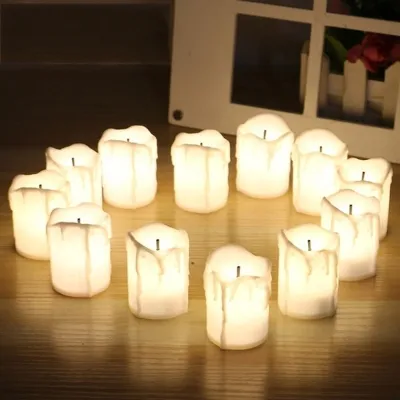
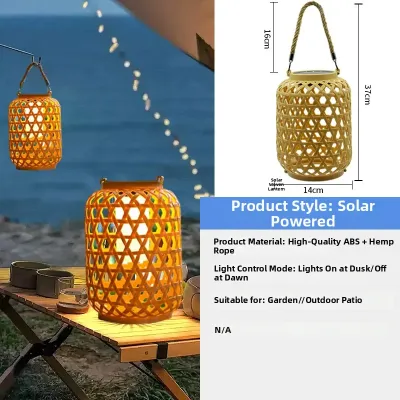
Prices are valid at publication and may change. Please refer to the product page for the latest price.
Polycrystalline panels, on the other hand, are made by melting multiple silicon crystals together. While they are cheaper to manufacture, their conversion efficiency is lower, typically ranging from 13% to 17%. Under heavy cloud cover or during prolonged rainy days, polycrystalline panels struggle to produce enough voltage to trigger the charging cycle of the lantern’s battery. This often results in lanterns that fail to turn on at night or only stay illuminated for a very short duration during the wet season.
Another critical aspect of solar efficiency is the physical size of the solar panel relative to the capacity of the battery it is meant to charge. Many budget-friendly solar lanterns feature large, high-capacity batteries paired with tiny, low-wattage solar panels. While a large battery sounds appealing, an undersized panel will never generate enough current during a typical cloudy day in Singapore to charge it fully. This imbalance leads to a state of chronic undercharging, which rapidly degrades the battery’s lifespan. When evaluating different brands, look for products that specify the solar panel’s wattage (W) and ensure it is proportional to the battery’s milliampere-hour (mAh) rating, allowing for efficient daily replenishment even under partial sunlight.
Key Specifications to Check for Reliable Performance
Beyond the solar panel itself, the internal components of an outdoor solar lantern must be engineered to withstand the challenging environmental conditions of a tropical climate. High humidity, warm ambient temperatures, and heavy rainfall can quickly ruin poorly constructed outdoor lights. To ensure long-term reliability, there are several key technical specifications you must verify before making a purchase.

First, examine the battery chemistry used in the lantern. Most modern solar lanterns utilize either Lithium-ion (Li-ion), Lithium Iron Phosphate (LiFePO4), or Nickel-Metal Hydride (NiMH) batteries. Among these, LiFePO4 batteries are highly recommended for outdoor use in Singapore. They offer exceptional thermal stability, meaning they can handle the high ambient temperatures of tropical afternoons without degrading. They also support a much higher number of charge-discharge cycles—often up to 2,000 cycles compared to the 300 to 500 cycles of standard NiMH batteries. While NiMH batteries are common in cheaper models, they are highly sensitive to heat and humidity, which causes them to lose their capacity rapidly, often requiring replacement within a few months of outdoor exposure.
Second, pay close attention to the Ingress Protection (IP) rating of the lantern’s housing. The IP rating consists of two digits: the first indicates protection against solid objects like dust, and the second indicates protection against liquids. For outdoor solar lanterns exposed to Singapore’s intense rainstorms, a minimum rating of IP65 is essential. An IP65 rating means the fixture is completely dust-tight and protected against water jets projected from any direction. If you plan to place the lanterns in highly exposed areas, such as along garden pathways or on open-air patios where water might pool, look for an IP67 rating, which certifies that the product can withstand temporary submersion in water. Avoid any products rated IP44 or lower, as these are only splash-proof and will eventually succumb to moisture ingress, leading to short circuits and corrosion.
Finally, analyze the relationship between the lantern’s lumen output and its power consumption. Lumens measure the total amount of visible light emitted by the fixture. While a high lumen count provides bright illumination, it also drains the battery much faster. Energy-efficient solar lanterns often feature intelligent power management systems to balance brightness and runtime. For example, some brands design their lanterns to run at 100% brightness for the first few hours of the evening, then automatically dim to 30% brightness for the remainder of the night to conserve energy. Others incorporate passive infrared (PIR) motion sensors, keeping the light at a low, decorative glow until motion is detected, at which point it brightens to full capacity. These smart power-saving features are crucial for ensuring the lantern remains functional throughout the night, especially after a heavily overcast day.
Evaluating Brand Claims and Product Warranties
When shopping for outdoor solar lanterns, you will encounter a wide array of marketing claims promising superior performance, lifetime durability, and endless runtime. To avoid disappointment, it is essential to establish a systematic framework for evaluating these claims and verifying the actual quality of the product.
Start by looking for recognized electrical safety and quality certifications on the product packaging or manufacturer’s website. Certifications such as CE, RoHS, and FCC indicate that the product has undergone standardized testing for safety, electromagnetic interference, and environmental impact. While low-voltage solar lighting (typically operating between 1.2V and 3.7V) is generally safe and does not carry the same high-voltage risks as mains-powered fixtures, certified products are far more likely to feature high-quality internal circuitry, proper overcharge protection, and reliable solder joints that won’t fail under the stress of outdoor temperature fluctuations.
Next, scrutinize the manufacturer’s warranty terms. A brand’s confidence in its product is directly reflected in the length and scope of its warranty. For outdoor solar lanterns, a reputable brand should offer at least a one-year comprehensive warranty. Be sure to read the terms carefully to confirm what is covered. Many low-cost brands offer a warranty that only covers the plastic or metal housing of the lantern while explicitly excluding the battery and the solar panel—the two components most susceptible to wear and environmental degradation. A warranty that covers the entire unit, including the battery, is a strong indicator that the manufacturer has used high-grade materials designed to last.
You should also learn to identify common red flags in product descriptions. One of the most frequent exaggerations is the claim of an “all-night runtime” based on a very short charging window. If a brand claims its lantern can run for 12 hours on a mere two hours of charging, especially under cloudy conditions, this is mathematically highly improbable given current solar technology limits. Reliable brands are transparent about their performance metrics; they will provide realistic runtime estimates for both sunny and overcast days, and they will clearly state that performance will vary depending on seasonal weather patterns and geographic location. While cheaper models might cost under S$10, investing in a high-quality lantern with a robust warranty ensures you do not have to replace your fixtures repeatedly.
Installation and Maintenance for Maximum Energy Capture
Even the most energy-efficient, high-quality solar lantern will underperform if it is poorly positioned or neglected. To get the most out of your investment in Singapore’s climate, you must follow proper installation and maintenance practices to optimize solar energy capture and extend the lifespan of the fixture.
When installing your solar lanterns, placement is everything. Because Singapore is located very close to the equator, solar panels should ideally be positioned horizontally or at a very slight tilt of 5 to 15 degrees. This minor angle is incredibly important because it allows rainwater to run off the surface naturally, carrying away loose dirt and debris. Ensure the solar panel is placed in an area that receives direct, unobstructed sunlight for at least six hours a day. Be mindful of micro-shadows; even a small amount of shade from a building eave, a fence post, or a single overhanging leaf from tropical foliage can drastically reduce the power output of the entire solar panel.
Routine maintenance is equally vital for maintaining charging efficiency. Over time, a fine film of dust, pollen, bird droppings, and mineral deposits from rainwater will accumulate on the glass or plastic cover of the solar panel. This film acts as a barrier, blocking sunlight from reaching the photovoltaic cells and reducing charging efficiency by 20% or more. To prevent this, establish a simple cleaning schedule. Wiping the solar panel with a soft, damp microfiber cloth once every two to four weeks is usually all that is required. Avoid using abrasive scrubbing pads, steel wool, or harsh chemical detergents, as these can scratch the protective surface of the panel, permanently scattering incoming light and reducing its long-term efficiency.
Finally, monitor your lanterns for signs of battery degradation. If you notice that a lantern that previously stayed lit for eight hours now only manages to run for one or two hours, even after a perfectly sunny day, the battery is likely reaching the end of its useful life. Before discarding the entire fixture, check the manufacturer’s instructions to see if the battery is user-replaceable. Many premium solar lanterns are designed with accessible battery compartments, allowing you to easily swap out the old battery for a fresh, compatible replacement. This simple maintenance step not only saves you money but also reduces electronic waste, making your outdoor lighting setup far more sustainable.
Frequently Asked Questions (FAQ)
Do outdoor solar lanterns work during continuous rainy days?
Yes, outdoor solar lanterns will continue to function during continuous rainy days, but their performance will be significantly reduced. Because heavy cloud cover blocks a large portion of direct sunlight, the solar panel must rely on diffused ambient light to generate electricity. Under these conditions, the panel may only produce 10% to 25% of its normal power output. As a result, the battery will not charge fully, leading to a much shorter runtime or a dimmer light output at night. To ensure reliable illumination during prolonged monsoon seasons, look for solar lanterns that feature dual-charging capabilities, allowing you to detach the light module and charge it indoors via a standard USB cable when natural sunlight is insufficient.
Can I replace the built-in battery with a higher capacity one?
While it is technically possible to replace the battery in many solar lanterns, you must strictly adhere to the manufacturer’s specifications regarding voltage and battery chemistry. For instance, if your lantern is designed to use a 3.2V LiFePO4 battery, you must never replace it with a 3.7V Li-ion battery, as the voltage mismatch can damage the charging circuitry, cause the light to malfunction, or even create a safety hazard. Additionally, installing a battery with a significantly higher capacity (measured in mAh) than the original may not actually improve performance. If the solar panel is not large enough to generate the extra current required to charge a larger battery, the battery will remain permanently undercharged, which can accelerate its degradation and void your warranty. Always consult the product manual or contact the manufacturer before attempting to upgrade the battery.
Community discussion
Share your experience or ask a question. Comments are reviewed before publication.