
To find the most energy-efficient solar light brands in Singapore, you must look beyond flashy marketing and evaluate three core technical pillars: solar panel conversion efficiency, battery chemistry, and luminous efficacy. Because Singapore experiences a tropical climate characterized by intense sunshine interspersed with sudden monsoon downpours and high humidity, a solar light must be highly efficient at capturing limited daylight and robust enough to withstand sustained heat. Rather than relying on generic brand names, the most reliable way to secure a high-performing outdoor lighting system is to verify specific component standards—such as monocrystalline panels, lithium iron phosphate (LiFePO4) batteries, and clear luminous efficacy ratings—on the product specification sheets. By understanding how these components interact, you can confidently navigate online marketplaces and specialty lighting stores to select fixtures that deliver reliable, year-round illumination without adding a single cent to your monthly electricity bill.
Understanding True Energy Efficiency in Solar Lights
Luminous efficacy, measured in lumens per watt (lm/W), indicates how effectively a fixture converts electrical energy into visible light. Low-quality solar lights often use cheap LED chips that draw high power but produce dim light, draining the battery rapidly. Premium, energy-efficient brands utilize high-efficacy LED chips delivering 100 to 130 lumens per watt or more. This high efficiency allows the light to produce a bright, clear beam while drawing minimal power, extending battery runtimes significantly.
The solar panel type is equally critical, especially under Singapore’s frequently overcast skies. Monocrystalline solar panels are the gold standard for residential outdoor lighting, achieving energy conversion rates of 15% to 22% due to their high-purity silicon structure. This superior efficiency is vital during monsoon seasons, as monocrystalline panels perform much better in low-light and diffused-light conditions than polycrystalline alternatives. Polycrystalline panels, recognizable by their speckled blue appearance, are cheaper but only offer conversion efficiencies of 13% to 16%, requiring a larger surface area to generate equivalent power.
Products mentioned in this guide
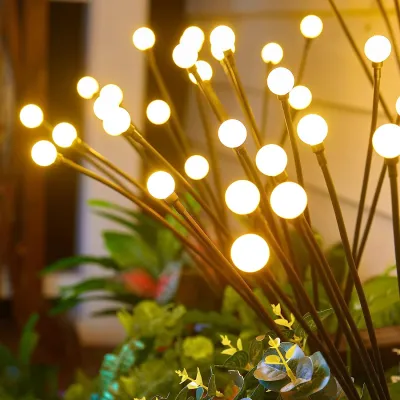
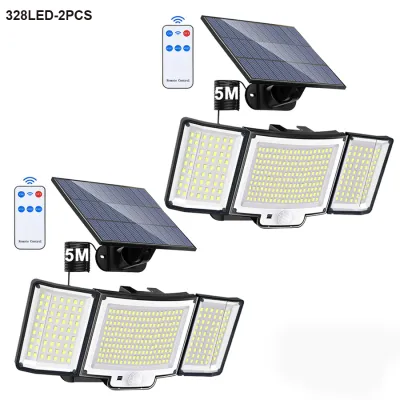
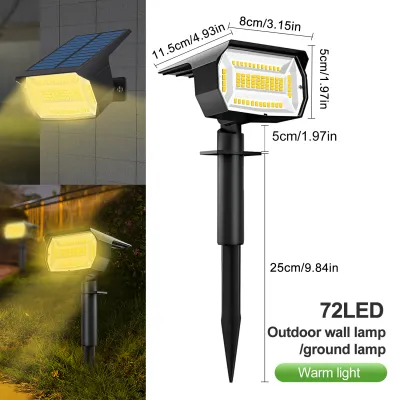
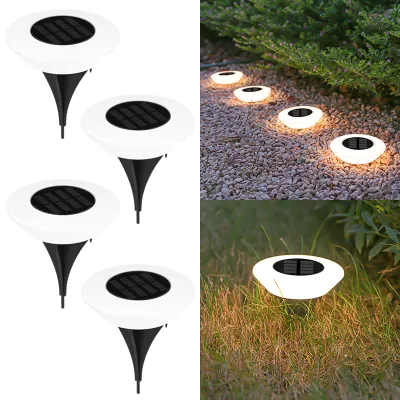
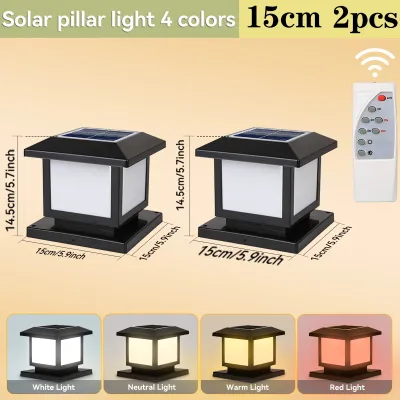
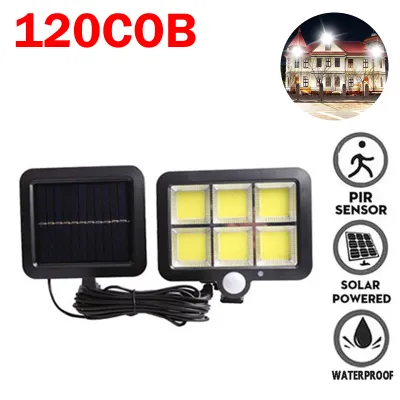
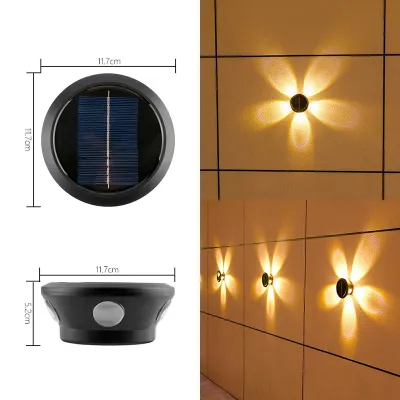
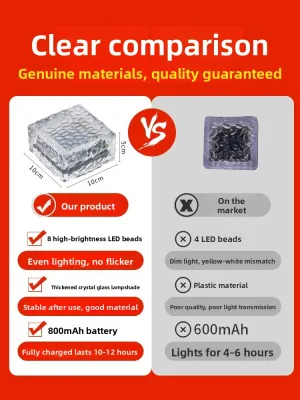
Prices are valid at publication and may change. Please refer to the product page for the latest price.
Battery chemistry dictates how much captured solar energy is successfully stored and retained. Traditional nickel-metal hydride (NiMH) and standard lithium-ion (Li-ion) batteries struggle in Singapore’s sustained tropical heat, which accelerates capacity degradation. For maximum efficiency and longevity, look for brands utilizing Lithium Iron Phosphate (LiFePO4) batteries. LiFePO4 chemistry offers exceptional thermal stability, operating safely in temperatures up to 60°C. These batteries boast a lifespan of over 2,000 charge-discharge cycles and maintain a flat voltage discharge curve, keeping the light consistently bright until the battery is fully depleted.
Key Specifications to Verify on Product Labels
To ensure a solar light survives Singapore’s intense humidity and heavy downpours, verify its Ingress Protection (IP) rating. For general outdoor use in gardens or along pathways, a minimum rating of IP65 is required, indicating the fixture is completely dust-tight and protected against water jets from any angle. For ground-level lights, deck lights, or fixtures installed near water features where temporary pooling can occur, look for an IP67 or IP68 rating, which certifies that the light can withstand temporary or continuous immersion in water.

Another critical specification is the ratio of solar panel wattage to battery capacity, measured in milliampere-hours (mAh) or Watt-hours (Wh). A well-engineered solar light must have a balanced ratio to ensure the panel can fully charge the battery during Singapore’s average daylight hours. For example, a fixture with a 3.2V 5,000mAh battery (16 Wh) requires a solar panel rated at least 4 to 5 Watts to charge fully within 4 to 5 hours of peak sunlight. If a brand pairs a massive 10,000mAh battery with a tiny 1.5-Watt solar panel, the battery will remain chronically undercharged, leading to rapid degradation and short runtimes.
Finally, examine the manufacturer’s stated operating temperature range and thermal management. High ambient temperatures, combined with the heat generated by the LEDs, can severely impact battery health. Premium brands design fixtures with passive thermal management features, such as cast aluminum housings with integrated cooling fins that draw heat away from the internal battery compartment. Avoid plastic-bodied fixtures that lack ventilation or heat-dissipating materials, as they are highly prone to overheating and premature failure in tropical climates.
How to Evaluate Brand Claims and Warranties
To separate high-quality brands from low-grade imports, start by closely examining the warranty terms. Reputable manufacturers are transparent about their warranties and will often offer split coverage: a longer warranty of 3 to 5 years for the solar panel and aluminum housing, and a separate 1 to 2-year warranty for the rechargeable battery, which is naturally subject to wear. If a brand offers a blanket, short-term warranty of only 3 to 6 months, or fails to specify what components are covered, it is a strong indication that the internal components are of lower quality.
Transparency in product documentation is another hallmark of a reliable brand. High-quality manufacturers readily provide detailed specification sheets, user manuals, and independent test reports from recognized certification bodies, such as the International Electrotechnical Commission (IEC) or Restriction of Hazardous Substances (RoHS). These documents verify that the product has undergone rigorous testing for electrical safety, water resistance, and environmental impact. If a brand cannot provide these certifications or fails to list basic technical details like the exact battery chemistry or solar panel material, treat their energy efficiency claims with skepticism.
Be particularly wary of vague, sensationalized product descriptions that use terms like “super bright” or “equivalent to 500 Watts” without providing concrete lumen specifications. A truly energy-efficient brand will always state the exact lumen output and the corresponding wattage draw of the LED array. For instance, a high-quality security floodlight might be clearly labeled as delivering 1,500 lumens at a power consumption of 12 Watts. If you encounter a product that claims to deliver thousands of lumens but features a tiny solar panel and a lightweight plastic body, the physical limitations of solar technology make those claims highly unrealistic.
Matching Efficient Specs to Your Outdoor Lighting Needs
Selecting the right solar light requires matching specific technical configurations to the intended application around your home. For pathway and garden lighting, the primary goal is to provide gentle, continuous illumination without wasting stored energy. For these areas, look for fixtures that output between 50 and 150 lumens. To maximize efficiency, prioritize models equipped with integrated passive infrared (PIR) motion sensors and smart dimming modes. These lights can operate at a low, energy-saving idle state (around 10% to 20% brightness) throughout the night, instantly ramping up to 100% brightness only when motion is detected, ensuring the battery easily lasts through consecutive rainy days.
For security and floodlighting, where high visibility is paramount, you will need fixtures that deliver 1,000 to 3,000 lumens. Because these lights draw significantly more power, they require a robust solar panel and a high-capacity battery. To ensure optimal performance, choose split-type solar floodlights. This design allows you to mount the light fixture under a shaded porch, carport, or eave while running an extension cable to place the large, monocrystalline solar panel high on your roof or fence where it can receive unobstructed sunlight. Ensure the battery capacity is rated for at least 20 to 30 Watt-hours to sustain the high-lumen output for a full 10 to 12 hours of darkness.
Decorative and accent lighting, such as string lights, lanterns, or warm spotlights for landscaping, focuses more on creating ambiance than high-intensity illumination. These fixtures typically output between 20 and 50 lumens and do not require massive solar panels. However, because they are often draped over foliage or placed deep within garden beds, they are highly susceptible to moisture and shading. Ensure these decorative lights have a minimum rating of IP65 and feature built-in dusk-to-dawn sensors. These sensors automatically turn the lights off during daylight hours, preventing unnecessary battery drain and ensuring the stored energy is preserved for the evening.
Maintaining Peak Efficiency After Installation
Even the most advanced, energy-efficient solar light will underperform if it is not properly installed and maintained. To maximize solar energy capture, place the solar panel in a location that receives at least 6 to 8 hours of direct, unobstructed sunlight daily. In Singapore, tilting the solar panel at an angle of 10 to 15 degrees is highly recommended. This slight tilt ensures the panel captures the overhead tropical sun effectively while allowing heavy rainwater to run off the surface naturally, washing away loose dirt and preventing water pooling. Avoid placing panels directly under the shadow of dense tree canopies, roof overhangs, or neighboring buildings, as even partial shading can reduce a panel’s power output by more than 50%.
Regular cleaning is essential to keep your solar lights operating at peak efficiency. Over time, a fine film of dust, pollen, bird droppings, and atmospheric pollution can accumulate on the glass surface of the solar panel, blocking sunlight and reducing charging efficiency. Every three to six months, gently wipe the panel surface with a soft microfiber cloth dampened with clean water and a mild, non-abrasive soap. Never use harsh chemical solvents, abrasive scrubbing pads, or high-pressure water sprays, as these can scratch the protective tempered glass or damage the delicate water-resistant seals around the panel frame.
Eventually, even high-quality LiFePO4 batteries will reach the end of their operational lifespan and require replacement. If you notice your solar light’s runtime has decreased significantly despite sunny weather, it is likely time to replace the battery. When performing a replacement, always isolate the power source first by turning off the fixture’s manual switch. Ensure you replace the old battery with a new one of the exact same chemistry, voltage, and capacity rating. For high-mounted security lights, integrated architectural fixtures, or complex wiring setups, always refer to the manufacturer’s instructions or consult a qualified professional to ensure the replacement is completed safely without compromising the fixture’s weatherproofing.
Frequently Asked Questions (FAQ)
Do solar lights work effectively during the rainy season?
Yes, high-quality solar lights can still operate effectively during Singapore’s rainy and monsoon seasons, though their charging efficiency will be reduced. Monocrystalline solar panels are highly efficient at capturing diffused daylight and ambient solar radiation through heavy cloud cover. To ensure uninterrupted performance during extended periods of rain, select solar lights equipped with larger battery capacities (measured in Watt-hours) and smart energy-saving modes, such as motion-activated dimming, which conserve stored power and allow the light to run for multiple nights on a single charge.
Is a higher wattage solar panel always better?
A higher wattage solar panel is not automatically better unless it is properly matched with the battery capacity and the light’s power consumption. While a larger panel charges the battery faster, pairing an oversized panel with a small battery results in wasted energy, as the battery cannot store the excess power once fully charged. Conversely, pairing a small solar panel with a massive battery means the battery will rarely reach a full charge, leading to accelerated degradation. For optimal efficiency, look for a balanced system where the solar panel’s wattage is rated to fully charge the battery within 5 to 6 hours of standard daylight.
How can I tell if the battery needs replacing?
The most common indicator that your solar light’s battery needs replacing is a drastic reduction in its nightly runtime. If the light previously stayed illuminated for 8 to 10 hours but now turns off after only 1 or 2 hours of operation—despite receiving a full day of direct sunlight—the battery has likely lost its capacity to hold a charge. Other observable signs of battery failure include flickering LED chips, a complete failure to illuminate at dusk, or visible physical swelling and corrosion within the battery compartment.
Community discussion
Share your experience or ask a question. Comments are reviewed before publication.