
Quick Answer: Core Factors for Choosing Incense Paper
Selecting the right incense paper for home use requires balancing sensory enjoyment with indoor air quality. Because incense paper burns relatively quickly compared to traditional sticks or cones, it releases its fragrance and combustion byproducts in a short, concentrated burst. To find a product that enhances your living space without overwhelming it, you must evaluate four primary decision pillars: material purity, scent origin, smoke output, and burn consistency.
Matching these characteristics to your specific home environment is essential. A compact apartment or a room with limited cross-ventilation demands a very different product than a spacious, open-concept living area. By focusing on clean-burning base materials and verified low-smoke options, you can enjoy a refined aromatic experience while maintaining a comfortable and safe indoor atmosphere. The following sections detail how to evaluate these factors and perform simple quality checks before and after your purchase.
Material Composition and Base Ingredients
The physical makeup of incense paper directly dictates how cleanly it burns and the type of residue it leaves behind. High-quality incense papers typically utilize natural plant-based fibers, such as bamboo, mulberry, or rice paper. These natural bases burn with a mild, neutral wood-smoke scent that does not interfere with the added fragrances. In contrast, cheaper alternatives often rely on heavily bleached wood pulp or synthetic paper blends, which can release harsh chemical undertones and acrid smoke during combustion.
Products mentioned in this guide
![[YEW FU TRADING] 7th-Month Festive 2026 Incense Paper Package P78](https://img.lazcdn.com/g/p/5dc6291f494ca4800f402c7e51afacdc.jpg_400x400q80.jpg_.webp)
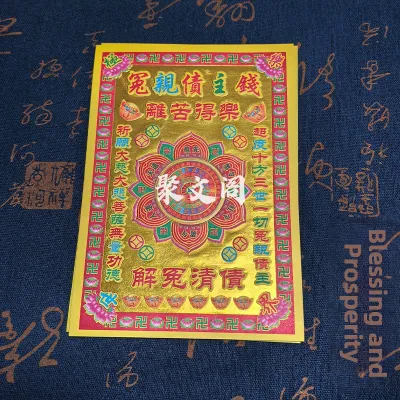
Prices are valid at publication and may change. Please refer to the product page for the latest price.

Beyond the paper base, you must consider the binders and combustion aids used during manufacturing. To keep the paper burning evenly without extinguishing mid-way, manufacturers sometimes introduce chemical accelerants. However, these additives can produce a sharp, synthetic smell and leave a greasy residue on nearby surfaces. Look for brands that use natural plant mucilage, such as tabu powder (derived from the Machilus thunbergii tree), as a natural binder to hold the aromatic ingredients together.
When browsing options on online marketplaces or at specialty aromatherapy shops, prioritize brands that offer clear ingredient transparency. Reliable manufacturers will explicitly state the source of their paper base and binders on the packaging or product specification sheets. If a product listing only mentions “paper and fragrance” without specifying the materials used, treat this as a signal to verify the details with the seller or opt for a brand that openly documents its raw materials.
Scent Profiles and Fragrance Sources
The fragrance of your incense paper should align with both your personal preferences and your household’s tolerance for airborne scents. Incense papers generally derive their aroma from either natural essential oils and botanical powders or synthetic fragrance oils. Natural essential oils, such as pure sandalwood, agarwood, patchouli, or lavender, offer a subtle, complex aroma that gently diffuses and lingers without overpowering the room. These natural ingredients are highly prized for meditation and relaxation.
Synthetic fragrance oils, while offering a wider variety of creative scents and a stronger initial aroma, can sometimes be too intense for enclosed indoor spaces. For sensitive individuals, synthetic compounds may trigger mild respiratory irritation or headaches. If you prefer synthetic blends, look for products labeled as using cosmetic-grade or high-quality phthalate-free fragrance oils, which are formulated to minimize common airborne irritants.
To choose the right scent family for your home, match the fragrance characteristics to the function of your space:
- Woody (Sandalwood, Cedar, Agarwood): Grounding and calming; ideal for study rooms, home offices, or evening relaxation.
- Floral (Rose, Jasmine, Chamomile): Light and uplifting; excellent for living rooms, entryways, or daytime freshening.
- Resinous (Frankincense, Myrrh, Amber): Deep, warm, and slightly sweet; suited for dedicated meditation spaces or larger open areas.
- Herbal (White Sage, Eucalyptus, Mint): Crisp and cleansing; perfect for neutralizing kitchen odors or refreshing a damp bathroom.
Always verify fragrance claims by checking the manufacturer’s detailed product descriptions rather than relying solely on front-of-pack marketing terms like “100% natural.” True natural incense papers will often list the specific botanical species used, providing a reliable indicator of quality.
Burn Time, Smoke Level, and Ash Quality
Evaluating how incense paper performs during combustion helps ensure it fits seamlessly into your daily routine without causing indoor air issues. Because paper is thin, its burn time is naturally shorter than that of wood-based incense sticks. However, the thickness, density, and preparation of the paper still influence how long a single sheet lasts. Thicker, hand-pressed papers burn more slowly and release a steadier stream of fragrance, while thin, machine-cut papers burn rapidly.
Smoke output is a critical consideration for indoor burning, especially in modern, tightly sealed homes. Excess smoke can quickly accumulate, leaving a hazy atmosphere and depositing soot on walls and ceilings. When shopping, look for products specifically designated as “low-smoke” or “smokeless.” These variants are crafted using highly refined carbonaceous materials or ultra-thin plant fibers that combust almost entirely, releasing fragrance with minimal visible smoke.
After burning a sample sheet, you can perform an easy quality check by observing the remaining ash. The color, texture, and behavior of the ash reveal a great deal about the paper’s purity:
- High-Purity Ash: Appears light grey or white, with a soft, powdery texture. This indicates complete combustion of natural organic materials with no heavy chemical residues.
- Low-Purity Ash: Appears dark grey, black, or gritty, and may feel slightly oily to the touch. This suggests the presence of synthetic binders, heavy chemical dyes, or incomplete combustion.
- Ash Behavior: High-quality papers often burn in a way that the ash curls neatly or remains in a cohesive shape on the burner, rather than crumbling instantly into fine dust that can be easily scattered by minor drafts.
Safety, Certifications, and Home Environment Checks
Burning any material indoors requires strict adherence to safety protocols to protect your living space and the health of your household. Before purchasing, check the product packaging or the manufacturer’s official website for safety certifications. Look for indicators of compliance with recognized emissions standards, such as SGS testing reports or non-toxic certification labels, which verify that the burning paper does not release harmful levels of heavy metals or volatile organic compounds (VOCs).
Your physical setup at home is the most important factor in preventing accidental fires and managing air quality. Always burn incense paper on a dedicated, heat-resistant surface. A ceramic dish, a stone bowl, or a heavy metal tray filled with a layer of clean sand or non-flammable ash is ideal. Alternatively, you can use specialized fireproof felt pads designed for incense burning. Never place a burning sheet directly on wooden furniture, plastic trays, or near drafty windows where curtains could blow into the flame.
Proper ventilation is essential to maintain a comfortable indoor environment. Always ensure there is active cross-ventilation by opening at least two windows slightly to allow fresh air to enter and smoke to exit. This is particularly important in humid tropical climates, such as in Singapore, where stagnant indoor air can trap moisture and smoke particles simultaneously.
Finally, take special precautions if your household includes young children, elderly family members, pets, or anyone with pre-existing respiratory conditions like asthma. Animals, particularly cats and dogs, have highly sensitive respiratory systems and can be easily distressed by concentrated smoke and certain essential oils. Always start with a very small test burn—such as lighting just a small strip of the paper—and observe the room. If anyone experiences coughing, watery eyes, or breathing discomfort, immediately extinguish the paper, open all windows, and consult a medical professional if symptoms persist.
How to Build Your Shortlist: A Step-by-Step Evaluation
To simplify your buying decision, use a structured approach to compare different incense papers side-by-side. By establishing clear criteria, you can quickly filter out low-quality options and select a product that matches your home’s specific needs.
Incense Paper Evaluation Matrix
| Evaluation Factor | High-Quality Indicators | Red Flags / Rejection Criteria |
|---|---|---|
| Material Base | Bamboo, mulberry, or rice paper; natural plant binders (e.g., tabu powder). | Bleached wood pulp, synthetic fibers, undisclosed chemical adhesives. |
| Scent Source | Pure essential oils, natural botanical powders, or phthalate-free fragrance oils. | Harsh chemical smell, lack of fragrance ingredient disclosure. |
| Smoke & Burn | Labeled as low-smoke; burns evenly; leaves light grey or white ash. | Heavy black smoke; leaves dark, oily, or gritty ash; burns too quickly. |
| Safety & Testing | Clear safety instructions; heat-resistant burner recommendations; VOC testing. | No safety warnings; missing manufacturer details; vague origin. |
| User Feedback | Reviews praise clean burn, subtle scent throw, and minimal residue. | Consistent complaints of throat irritation, headaches, or excessive soot. |
When building your shortlist, start by reading the detailed product descriptions on specialty aromatherapy websites or online marketplaces. Cross-reference the manufacturer’s claims with verified customer reviews. Look for feedback that specifically mentions how the paper behaves in enclosed spaces and whether the scent matches the description. If a product fails to meet your standards for material transparency or safety instructions, remove it from your list and focus on brands that prioritize consumer safety and ingredient clarity.
Frequently Asked Questions (FAQ)
Can I burn incense paper in a room with air conditioning?
Burning incense paper in a sealed, air-conditioned room is not recommended without taking specific precautions. Air conditioning units primarily recirculate indoor air rather than introducing fresh outdoor air. This means any smoke, fine particulate matter, and volatile compounds released during burning will remain trapped in the room, quickly reducing indoor air quality and potentially leaving a lingering smoky odor on fabrics and furniture.
If you wish to burn incense paper in an air-conditioned space, turn off the air conditioning unit and open the windows during the burn to allow the smoke to dissipate completely. Once the paper has finished burning and the air has cleared, you can close the windows and turn the air conditioning back on. Alternatively, if you must keep the unit running, choose an ultra-low-smoke or smokeless incense paper, burn only a very small strip at a time, and operate a dedicated air purifier equipped with a True HEPA and activated carbon filter nearby to capture airborne particles and odors.
How should I store incense paper to preserve its scent?
Because incense paper is highly hygroscopic, it readily absorbs moisture from the surrounding air, which can ruin the paper’s texture and make it difficult to light. Additionally, the volatile essential oils and fragrance compounds infused into the paper will naturally evaporate over time if left exposed to the open air, leading to a significant loss of scent potency.
To preserve the quality and fragrance of your incense paper, store it in a cool, dry place away from direct sunlight, which can degrade natural oils and fade dyed papers. Keep the sheets in an airtight container, such as a tin box, a glass jar with a rubber seal, or a high-quality resealable foil bag. If you have multiple scents, store each variety in its own separate container or wrap them individually in parchment paper before placing them together; this prevents the different fragrance profiles from blending and altering their original aromas.
Community discussion
Share your experience or ask a question. Comments are reviewed before publication.